Piezas CNC de Precisión Estratégica: Tecnología de Cabezal de Mezcla RIM
Vistas: 4 Autor: Allen Xiao Fecha de Publicación: 2026-04-23


Observar la superficie sin costuras de una carcasa médica de 2 metros de largo en [2026] revela la maestría mecánica oculta detrás de la proceso de moldeo por inyección de reacción: la calidad de la pieza se decide en una fracción de segundo dentro de la cámara de mezcla. Si los componentes químicos no se homogeneizan a nivel molecular antes de entrar al molde, la pieza resultante sufrirá de "puntos blandos", curado errático y fallo estructural localizado. Dominar la tecnología de cabezal de mezcla RIM es el desafío definitivo para los fabricantes que necesitan equilibrar la producción de alto volumen con la precisión intransigente de los polímeros termoestables de grado industrial.

El cabezal de mezcla es el ensamblaje más complejo dentro de un sistema RIM, requiriendo tolerancias submicrónicas y resistencia extrema al desgaste para manejar la naturaleza abrasiva de los isocianatos y polioles líquidos. Los talleres de trabajo estándar a menudo luchan por mantener estas máquinas, lo que lleva a la deriva de la proporción y tiempo de inactividad. Jucheng Precision aborda estos obstáculos críticos de equipo fabricando nuestras propias Piezas CNC de Precisión for our fleet of mixing heads. We deliver a level of chemical stability that ensures every enclosure, fender, and chassis component possesses isotropic strength from the first shot to the last.
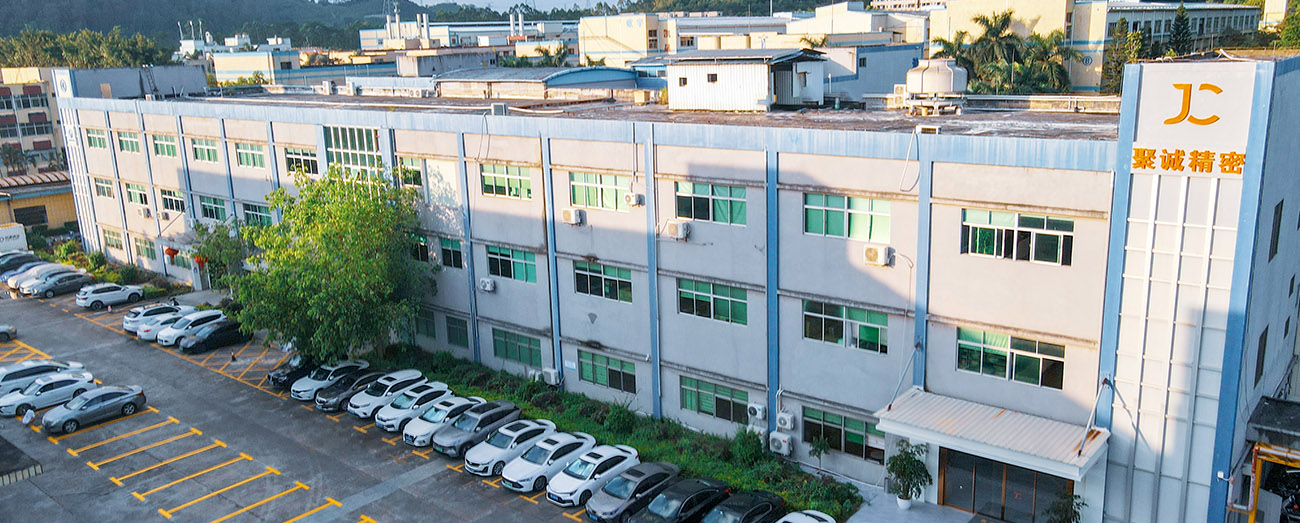
Operando dentro del centro de fabricación de precisión de Shenzhen, JUCHENG sirve como el socio de equipo y proceso de alta gama para OEMs globales de AgTech y MedTech. Transformamos la química líquida cruda en hardware estructural validado controlando la turbulencia y la presión dentro del corazón de la máquina. Esta guía explora la mecánica esencial de mezcla por choque, los protocolos de autolimpieza y los estándares de precisión de proporción requeridos para dominar la tecnología de cabezal de mezcla RIM para asegurar que su innovación a gran escala sobreviva las pruebas de campo más rigurosas.
Mezcla por Choque: ¿Cómo Lograr la Homogeneización Molecular?
Datos Técnicos: Comparación de Estándares de Cabezal de Mezcla de Alta Presión
Lógica de Autolimpieza: ¿Por Qué el Diseño de Pistón Supera al Lavado con Solvente?
Precisión de Proporción: Gestión del Índice de Isocianato en Tiempo Real
Excelencia JUCHENG: El Centro de Shenzhen para Hardware RIM Avanzado
Preguntas Frecuentes: Especificaciones de Hardware y Mantenimiento para Cabezales de Mezcla RIM
Mezcla por Choque: ¿Cómo Lograr la Homogeneización Molecular?

La homogeneización molecular en la tecnología de cabezales de mezcla RIM se logra mediante energía cinética en lugar de agitación mecánica. Dentro del cabezal, dos corrientes de alta presión—isocianato (lado A) y poliol (lado B)—se aceleran a través de microorificios a velocidades superiores a 150 metros por segundo. Cuando estas corrientes chocan a 90 grados en la zona de impacto, la turbulencia resultante crea un número de Reynolds lo suficientemente alto como para garantizar una mezcla total en menos de 0.005 segundos. JUCHENG utiliza CNC de 5 ejes para mecanizar estas boquillas con una concentricidad de +/- 0.002 mm, asegurando que los chorros de líquido permanezcan perfectamente centrados para una reacción química sin estrías.
¿Qué sucede si la presión de impacto es demasiado baja?
Los líquidos experimentarán flujo laminar en lugar de turbulencia, lo que provocará "marmoleado" en la pieza y puntos blandos localizados que nunca alcanzan la dureza Shore D completa.
La estabilidad de la presión es el segundo pilar de la lógica de impacto. Durante un ciclo de inyección de 20 segundos para una carcasa grande de consola de diagnóstico, la presión debe permanecer constante dentro de 1%. Cualquier fluctuación en la presión cambia el número de Reynolds, lo que a su vez cambia la calidad de la mezcla. JUCHENG utiliza bucles de retroalimentación hidráulica de alta frecuencia y acumuladores cargados con nitrógeno para estabilizar estas corrientes. Esto asegura que la matriz de polímero sea químicamente uniforme en todo el tramo de 1.5 metros de la pieza, proporcionando la resistencia al impacto predecible requerida para el hardware médico [2026].
La geometría del orificio dicta la "Eficiencia de Mezcla" del cabezal. El equipo de ingeniería de JUCHENG utiliza simulaciones de dinámica de fluidos para optimizar el cono y la longitud de las boquillas de inyección. Al utilizar aceros inoxidables endurecidos e insertos de carburo especializados, prevenimos la "Erosión del Orificio" que afecta a los fabricantes de menor nivel. Un orificio desgastado aumenta el diámetro de la corriente, reduciendo la velocidad y arruinando la calidad del impacto. Nuestro compromiso con equipos de alta precisión asegura que sus defensas de robot y carcasas médicas posean el mayor grado posible de densidad de reticulación.
Datos Técnicos: Comparación de Estándares de Cabezal de Mezcla de Alta Presión

Seleccionar los estándares correctos de cabezal de mezcla determina el tiempo de ciclo y el rendimiento de su producción piloto. Para carcasas de gran escala, la relación "Caudal a Precisión" es la métrica de rendimiento principal. Jucheng Precision proporciona revisiones técnicas de diseño para asegurar que nuestra maquinaria coincida con la complejidad de su CAD. La siguiente tabla compara las variables operativas esenciales de la tecnología de cabezales de mezcla RIM de alta gama para el mercado [2026].
| Característica | Cabezal RIM estándar | Cabezal de alta gama JUCHENG | Impacto en Ingeniería |
|---|---|---|---|
| Precisión de boquilla | +/- 0.05 mm | +/- 0.005 mm | Elimina las estrías químicas |
| Tolerancia del pistón | G6 (Estándar) | h5 (Submicrónica) | Autolimpiante sin fugas |
| Compatibilidad de materiales | Pure PU Only | Reinforced & Flame Retardant | Supports RRIM Glass Fibers |
| Cleaning Method | Solvent Wash | Mechanical Piston (Dry) | 100% Material Purity |
The move to mechanical self-cleaning is the "Green Revolution" of RIM. Because JUCHENG utilizes high-tolerance pistons to purge the chamber, we eliminate the need for hazardous solvent flushes after every shot. This not only reduces environmental waste in our Shenzhen hub but also ensures that no solvent residue can contaminate the next part. For medical-grade hardware where material purity is a regulatory requirement, this mechanical cleaning protocol is the only way to guarantee USP Class VI compliance across a 1,000-unit Beta trial.
Lógica de Autolimpieza: ¿Por Qué el Diseño de Pistón Supera al Lavado con Solvente?

Geometric stability in RIM mixing head technology is maintained through the "Scraper-Piston" design. At the end of each injection, a high-strength hydraulic piston moves forward through the mixing chamber with a clearance of only 5 microns. This action physically pushes all remaining liquid polymer into the mold, leaving the chamber empty and clean. JUCHENG machines these pistons from M2 high-speed steel and grinds them to a mirror-finish to prevent any chemical "clinging." This dry-cleaning method allows for consistent shot-to-shot performance, a critical factor for large-scale enclosures where even a tiny bit of cured residue can cause a visible surface defect in the next cycle.
How to prevent piston seizure at high speeds?
Utilize DLC (Diamond-Like Carbon) coatings on the piston surface to reduce friction and prevent the "Cold-Welding" effect during rapid reciprocating cycles.
Solvent wash heads, while cheaper to manufacture, introduce "Chemical Noise" into the process. Traces of cleaning solvent can mix with the polyol, lowering the viscosity and changing the reaction speed. This leads to unpredictable shrinkage and warpage in the final part. JUCHENG’s piston-based RIM mixing head technology ensures that the chemical ratio arriving in the mold is exactly what was intended in the lab. This "Chemical Fidelity" is what allows our prototypes to match the mechanical performance of mass-produced hardware, ensuring your field data is 100% valid for certification.
Wear-compensation is the final layer of the self-cleaning logic. As the piston and chamber walls wear over thousands of cycles, the 5-micron gap can increase. JUCHENG’s preventative maintenance schedule includes sub-micron borescope inspections and real-time hydraulic pressure monitoring. If the "Clearance Gap" exceeds the allowed threshold, the head is immediately refurbished in our precision machining bay. By delivering hardware from "Always-Calibrated" machines, JUCHENG ensures that your piezas de robots industriales and medical shells possess the pristine surface finish required for high-gloss automotive painting.
Precisión de Proporción: Gestión del Índice de Isocianato en Tiempo Real

The mechanical strength of a polyurethane part is a function of its "Isocyanate Index"—the exact ratio of Side A to Side B. In RIM mixing head technology, maintaining a 1:1 or 1:2 ratio with 99.9% accuracy is the hallmark of a high-tier provider. JUCHENG utilizes mass-flow meters and closed-loop servo-controlled pumps to manage these ratios in real-time. If the system detects a deviation of more than 0.5% during the injection of an oversized tractor hood, the mix-head automatically shuts down, preventing the production of a "Sub-Standard" part that could fail under impact in the field.
Can the ratio be adjusted during the cycle?
No. The ratio must remain constant to ensure a uniform molecular lattice, but it can be "Tuned" between batches to adjust the final hardness of the robot part.
Additive integration occurs within the B-side polyol stream. To achieve flame retardancy or UV stability, JUCHENG integrates specialized additives directly into the mix-head manifold. Our 5-axis machined manifolds feature internal static mixers that ensure these additives are homogenized before they even reach the impingement zone. This "Dual-Stage Mixing" ensures that your medical housings meet the UL94 V-0 safety rating without creating localized brittle zones, providing a level of safety that is essential for hospital and data-center robotics in [2026].
Temperature control of the liquid streams is the final variable in ratio precision. As the chemicals flow from the tanks to the mixing head, their viscosity changes with temperature. JUCHENG utilizes heat-traced hoses and thermal sensors at the very entrance of the mixing chamber. By stabilizing the liquid temperature within +/- 1 degree, we ensure that the "Fluid Resistance" of both streams is identical, allowing for perfectly balanced impingement. This level of technical oversight is what defines JUCHENG as the preferred partner for the world's most aggressive ensamblajes de robot prototipo challenges where material consistency is non-negotiable.
Excelencia JUCHENG: El Centro de Shenzhen para Hardware RIM Avanzado

Dominating the [2026] large-format hardware market requires a partner that doesn't just use machines, but masters them. Jucheng Precision operates with a 24/7 manufacturing mindset in our Shenzhen precision manufacturing hub, delivering high-tolerance RIM components and structural piezas de robots industriales with industry-leading speed. We provide a "Bridge to Production" that allows you to move from a single hand-poured prototype to a commercial deployment of 5,000 units with consistent chemical and dimensional quality.
Integrating your structural design with JUCHENG’s expertise ensures that your hardware survives the "First-Field Contact" and moves into mass adoption. We offer comprehensive DFM reviews within 24 hours, identifying potential mix-ratios or thermal-expansion risks in your design before they become field failures. Whether you are building an autonomous vineyard scout or a multi-part MRI housing, Jucheng Precision provides the rigid, precise, and *chemically optimized* foundations that keep your innovation moving through the high-stakes cycles and the years of hard labor.
Our facility is equipped with 150+ CNC machines and dedicated high-pressure RIM assembly cells, allowing us to manage the entire hardware lifecycle in one location. We manage the complexity of impingement mixing and hydraulic self-cleaning so your engineering team can focus on the system integration and the AI. By combining Shenzhen's speed with industrial-grade material verification and global ISO 13485 standards, JUCHENG remains the preferred partner for the world's most aggressive MedTech hardware challenges. Contact us today to start your next project.
Preguntas Frecuentes: Especificaciones de Hardware y Mantenimiento para Cabezales de Mezcla RIM

What is the maximum flow rate of a JUCHENG RIM head?
We regularly operate heads with flow rates up to 10kg per second for massive structural panels.
How often is the mixing head refurbished?
Heads are inspected every 5,000 shots and refurbished if internal clearances deviate by more than 5 microns.
Can RIM heads handle glass-fiber reinforced resins?
Yes. We utilize specialized hardened steel nozzles and abrasion-resistant pistons for RRIM applications.
Does JUCHENG provide the mixing data for validation?
Yes. We provide a full chemical ratio and pressure log for every production batch.
What is the benefit of a dry self-cleaning head?
It eliminates solvent waste and prevents material contamination, ensuring 100% molecular purity of the part.
Chemical streaks and soft spots are absolute innovation killers for large-scale robotics. Partnering with Jucheng Precision ensures that your functional iterations are built with the precision-balanced proceso de moldeo por inyección de reacción and specialized tecnología de cabezal de mezcla RIM the industry demands. Reach out to our Shenzhen manufacturing hub today for a complete DFM review and build the unyielding foundation your autonomous fleet requires.


ㆍPrivacidad: Respetamos su privacidad. Aquí puede encontrar un ejemplo de un acuerdo de confidencialidad. Al enviar este formulario, acepta nuestros términos y condiciones y política de privacidad.