
Anodizing titanium is a fascinating process that enhances both its aesthetic appeal and functional properties. Unlike anodizing aluminum, titanium anodizing relies on electrochemical oxidation to create vibrant, durable colors without dyes. This technique is widely used in aerospace, medical devices, and high-end consumer products like titanium watch bracelets, where both corrosion resistance and visual appeal are critical. In this guide, we’ll explore the step-by-step process of anodizing titanium, the science behind it, and key applications—including how precision servicios de mecanizado CNC en Georgia can prepare titanium components for optimal anodizing results.
Understanding Titanium Anodizing
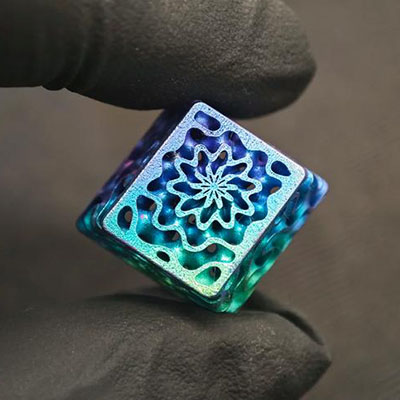
Anodizing titanium involves growing a controlled oxide layer on its surface through electrolysis. When titanium is exposed to an electric current in an electrolyte solution, the oxide layer thickens, producing interference colors that vary based on voltage. Unlike painted or coated finishes, anodized titanium retains its metallic sheen while offering improved scratch resistance.
Understanding Titanium Anodizing
Anodizing titanium involves growing a controlled oxide layer on its surface through electrolysis. When titanium is exposed to an electric current in an electrolyte solution, the oxide layer thickens, producing interference colors that vary based on voltage. Unlike painted or coated finishes, anodized titanium retains its metallic sheen while offering improved scratch resistance.
Key Benefits of Anodized Titanium
- Resistencia a la Corrosión – The oxide layer acts as a protective barrier.
- Resistencia al desgaste – Ideal for high-contact components like titanium watch bracelets or aerospace fittings.
- Aesthetic Versatility – Produces iridescent hues without pigments.
- Biocompatibilidad – Safe for medical implants due to the non-toxic oxide layer.
Step-by-Step Titanium Anodizing Process
1. Preparación de la superficie
Before anodizing, titanium must be meticulously cleaned and polished. Any contaminants or uneven surfaces will affect color consistency. Many manufacturers rely on servicios de mecanizado CNC en Georgia to achieve precise surface finishes, ensuring uniform anodizing results. Steps include:
- Degreasing – Use acetone or isopropyl alcohol.
- Grabado – Immerse in a mild acid (e.g., hydrofluoric or nitric acid) to remove oxides.
- Pulido – Mechanical or electrochemical polishing for a mirror-like finish.
2. Setting Up the Electrolytic Bath
The anodizing setup requires:
- Power Supply – A adjustable DC power source (0-120V).
- Electrolyte – Typically trisodium phosphate (TSP) or sulfuric acid.
- Cathode – Stainless steel or titanium.
- Anode – The titanium workpiece.
3. Anodizing Process
Submerge the titanium part in the electrolyte.
Apply voltage incrementally (5V steps) to achieve desired colors:
- 10-15V – Bronze/Gold
- 20-25V – Purple/Blue
- 30-50V – Teal/Green
- 75V+ – Pink/Purple (interference colors)
Higher voltages produce thicker oxide layers, shifting colors via light refraction.
4. Sealing & Finishing
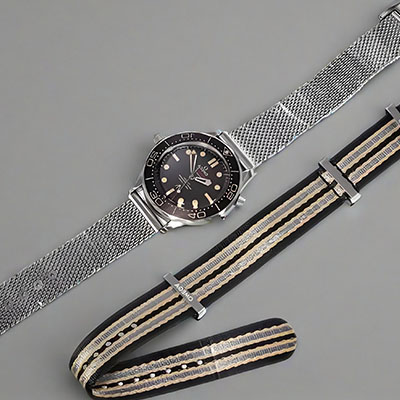
After anodizing, rinse the part in distilled water and dry it. Optionally, apply a clear sealant to enhance durability, especially for titanium watch bracelets exposed to daily wear.
Applications of Anodized Titanium
Aeroespacial y Defensa
Anodized comercialmente puro components resist extreme temperatures and corrosion, making them ideal for aircraft fittings and military hardware.
Medical Implants
The biocompatible oxide layer prevents adverse reactions, commonly used in surgical tools and implants.
Bienes de Consumo
High-end products like titanium watch bracelets, eyewear, and jewelry leverage anodizing for lightweight, scratch-resistant finishes.
Custom CNC Machined Parts
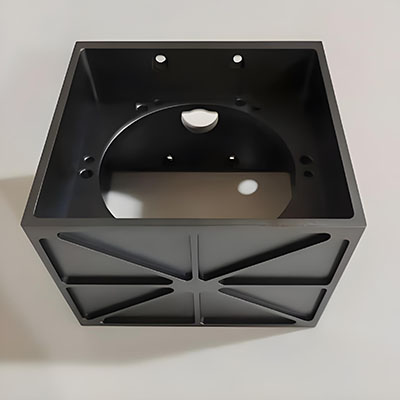
Companies offering CNC machining services in Georgia often pair precision milling with anodizing for bespoke industrial or artistic components.
Best Practices for Consistent Results
- Voltage Control – Use a regulated power supply to avoid color inconsistencies.
- Material Purity – Grade 2 or 5 titanium yields the best results.
- Post-Treatment Care – Avoid abrasive cleaners to preserve the oxide layer.
Titanium anodizing merges science and artistry, transforming a rugged metal into a vibrant, durable material. Whether for aerospace engineering, medical devices, or luxury accessories like titanium watch bracelets, this process enhances both function and form. For manufacturers, collaborating with expert servicios de mecanizado CNC en Georgia ensures precision-milled titanium parts ready for flawless anodizing. By mastering voltage control and surface prep, you can unlock titanium’s full aesthetic potential while reinforcing its legendary strength.

Solicite su DFM y cotización – Cargue sus dibujos
ㆍComplete sus requisitos y cargue su archivo 2D y 3D, le enviaremos su cotización del proyecto y DFM en un plazo de 24 horas.ㆍTipos de archivo: STEP, STP, IGES, IGS, SLDPRT, 3DM, SAT, X_T, DWG, DXF, STL, PDF, ZIP y más. Tamaño de archivo: < 128 MB Tamaño de pieza: < 1500*1500*1500 mm
ㆍPrivacidad: Respetamos su privacidad. Aquí puede encontrar un ejemplo de un acuerdo de confidencialidad. Al enviar este formulario, acepta nuestros términos y condiciones y política de privacidad.
ㆍPrivacidad: Respetamos su privacidad. Aquí puede encontrar un ejemplo de un acuerdo de confidencialidad. Al enviar este formulario, acepta nuestros términos y condiciones y política de privacidad.
