
Vacuum degassing is a critical step in resin casting to eliminate air bubbles and ensure high-quality results. The right vacuum level can significantly impact the clarity, strength, and finish of your castings. This article explores the ideal vacuum pressure for resin casting, factors affecting vacuum requirements, and best practices for achieving bubble-free results.

Why Vacuum is Essential in Resin Casting
Why Vacuum is Essential in Resin Casting
Trapped air bubbles are a common issue in resin casting, leading to:
- Surface imperfections
- Reduced structural integrity
- Cloudy or uneven finishes
Applying a vacuum removes these bubbles by expanding and evacuating them before the resin cures.
Recommended Vacuum Levels for Resin Casting
The optimal vacuum pressure for resin casting typically falls within these ranges:
Resin Type | Recommended Vacuum Level |
| Epoxy Resin | 25–29 inHg (85–98 kPa) |
| Polyurethane Resin | 25–29 inHg (85–98 kPa) |
| Silicone Resin | 20–25 inHg (68–85 kPa) |
Most resin manufacturers recommend achieving at least 25 inHg (85 kPa) for effective degassing. Higher vacuum levels (up to 29 inHg/98 kPa) can improve bubble removal but may increase resin volatility.
Factors Affecting Vacuum Requirements
- Resin Viscosity – Thinner resins degas more easily at lower vacuum levels.
- Pot Life – Fast-curing resins require quicker vacuum application.
- Mold Design – Complex molds may need longer vacuum exposure.
- Ambient Temperature – Warmer environments reduce resin viscosity, aiding bubble release.
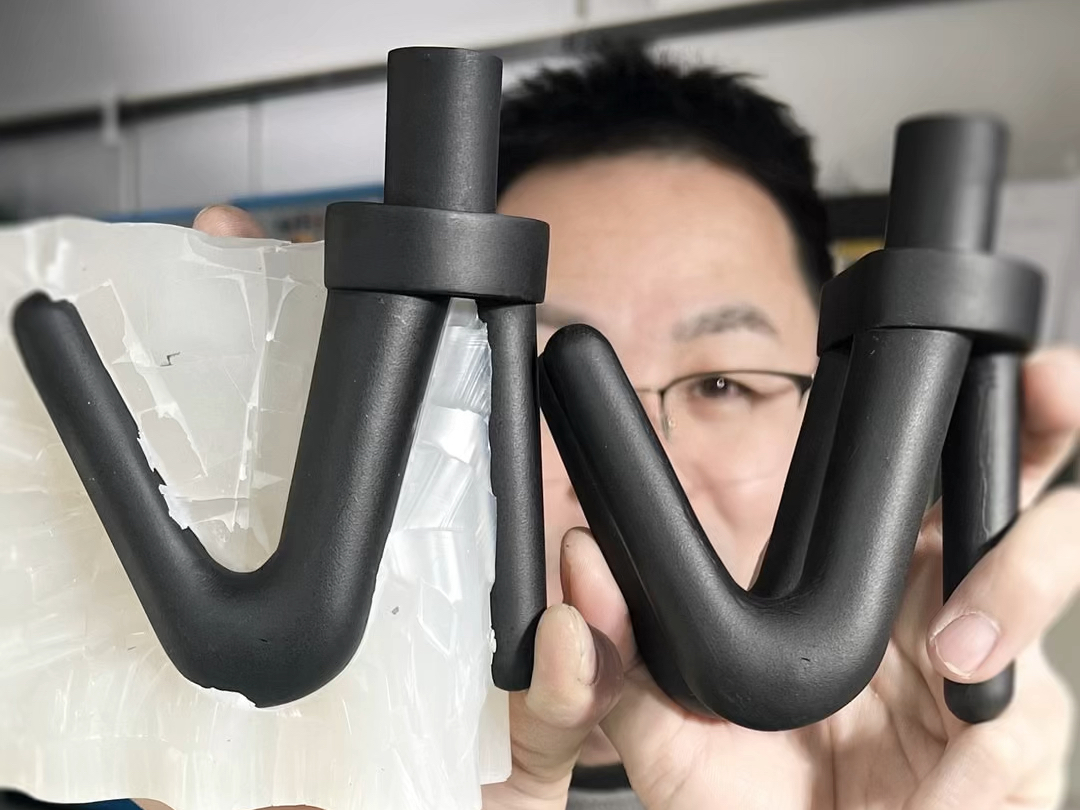
Best Practices for Vacuum Degassing Resin
- Pre-Degas the Resin – Mix components and vacuum before pouring.
- Use a Reliable Vacuum Chamber – Ensure airtight seals and proper gauges.
- Degas in Stages – Short bursts (1–3 minutes) help prevent excessive foaming.
- Monitor Bubble Activity – Stop once bubbles cease expanding.

Achieving the correct vacuum level (typically 25–29 inHg) is crucial for bubble-free resin casting in vacuum casting processes. By understanding resin properties and optimizing vacuum conditions, crafters and manufacturers can produce flawless, durable castings. Always follow the resin manufacturer’s guidelines for best results in vacuum casting applications.

Solicite su DFM y cotización – Cargue sus dibujos
ㆍComplete sus requisitos y cargue su archivo 2D y 3D, le enviaremos su cotización del proyecto y DFM en un plazo de 24 horas.ㆍTipos de archivo: STEP, STP, IGES, IGS, SLDPRT, 3DM, SAT o X_T Tamaño del archivo: < 128 MB Tamaño de la pieza: < 1500*1500*1500 mm
ㆍPrivacidad: Respetamos su privacidad. Aquí puede encontrar un ejemplo de un acuerdo de confidencialidad. Al enviar este formulario, acepta nuestros términos y condiciones y política de privacidad.
ㆍPrivacidad: Respetamos su privacidad. Aquí puede encontrar un ejemplo de un acuerdo de confidencialidad. Al enviar este formulario, acepta nuestros términos y condiciones y política de privacidad.
