
Stainless steel is a popular material in various industries, from cookware to medical devices, due to its durability, corrosion resistance, and aesthetic appeal. However, one critical question often arises: Is stainless steel hypoallergenic? The answer depends on the specific alloy composition, surface finish, and individual sensitivities. This article explores the hypoallergenic properties of stainless steel, its applications in machining and cookware (such as stainless steel griddles), and factors that influence allergic reactions.
Understanding Hypoallergenic Materials
A hypoallergenic material is one that is less likely to cause allergic reactions. While no material is entirely allergy-proof, some metals, such as surgical-grade stainless steel, are considered safe for most people. The key factor in determining whether stainless steel is hypoallergenic lies in its composition—particularly the presence of nickel, a common allergen.
Stainless Steel Composition and Allergies
Stainless steel is an iron-based alloy containing chromium (at least 10.5%) for corrosion resistance. The most common grades include:
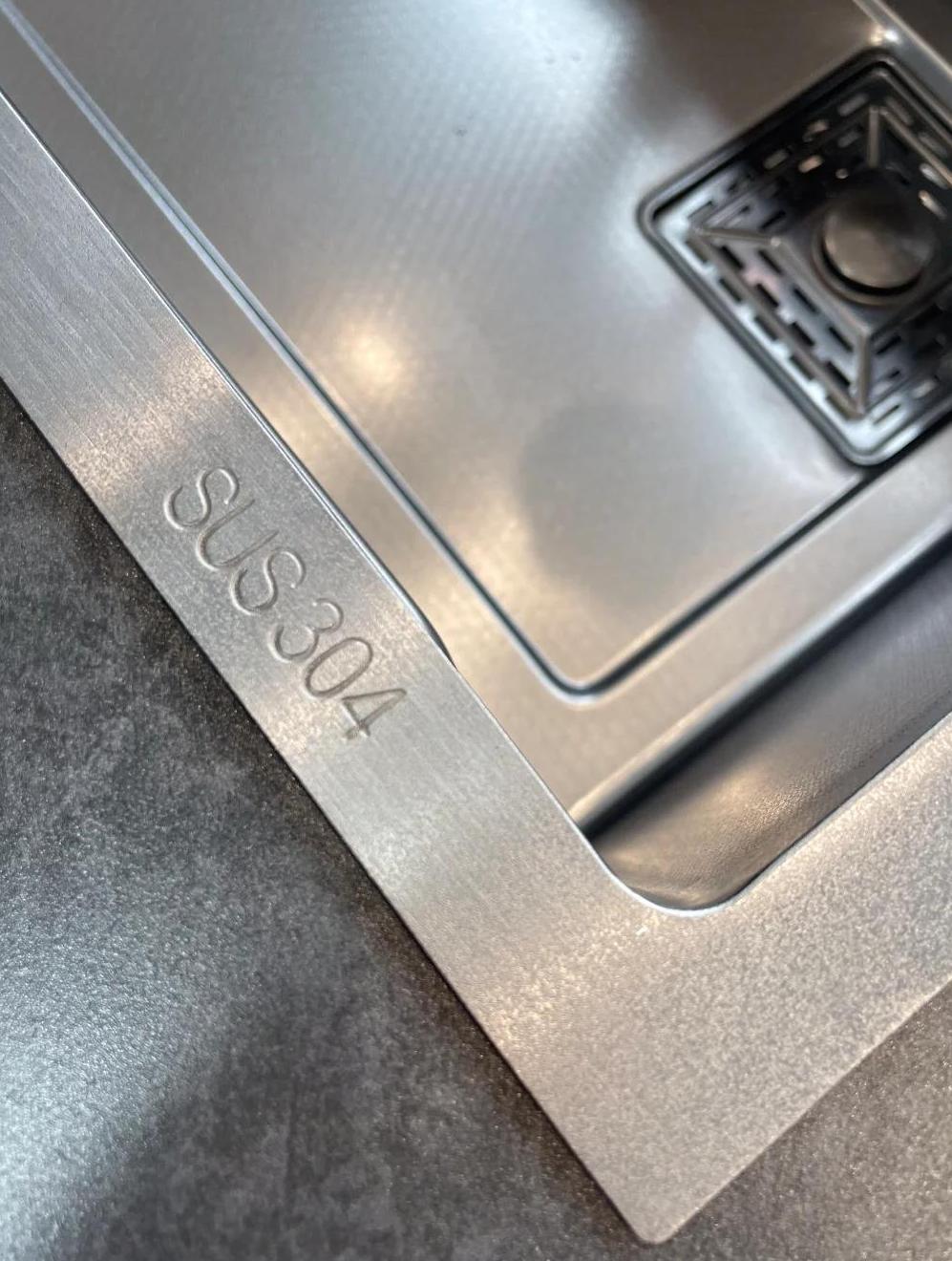
- Austenitic (300 Series): Contains nickel (8-12%) and is highly corrosion-resistant (e.g., 304, 316).
- Ferritic (400 Series): Nickel-free but less corrosion-resistant (e.g., 430).
- Martensitic: Hard and durable but not as corrosion-resistant (e.g., 410, 420).
Nickel is the primary concern for allergies, as it can cause contact dermatitis in sensitive individuals. Therefore, nickel-free or low-nickel stainless steel (such as 316L or 430) is more hypoallergenic.
Stainless Steel Machining and Allergen Considerations
Stainless steel machining involves shaping raw stainless steel into precise components for medical, aerospace, and industrial applications. The machining process itself does not introduce allergens, but the choice of alloy is critical. For medical implants or jewelry, surgical-grade 316L stainless steel is often used because of its low nickel content and high biocompatibility.
However, machining can affect surface integrity. Rough edges or poor polishing may trap contaminants, increasing the risk of irritation. Therefore, post-machining treatments like electropolishing or passivation are essential to ensure a smooth, hypoallergenic finish.
Stainless Steel Griddle: Safety in Cookware
A stainless steel griddle is a common kitchen appliance favored for even heat distribution and durability. High-quality stainless steel griddles (typically 304 or 316 grade) are generally safe for most users, but those with nickel allergies should opt for nickel-free alternatives or ceramic-coated options.
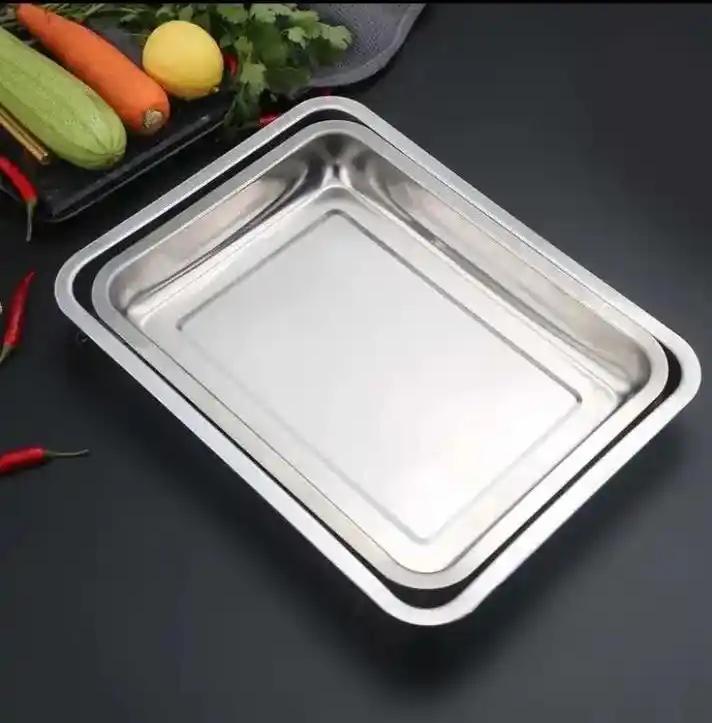
One advantage of stainless steel griddles is their non-porous surface, which prevents bacterial growth and reduces the risk of contamination. However, if the surface becomes scratched, underlying metals may leach into food, potentially triggering allergies. Proper maintenance—such as using wooden or silicone utensils and avoiding abrasive cleaners—helps preserve the griddle’s hypoallergenic properties.
Comparing Stainless Steel to Other Hypoallergenic Metals
While stainless steel is widely used, other metals like titanium and niobium are considered more hypoallergenic due to their complete lack of nickel. However, these metals are more expensive and less versatile in manufacturing. For most applications, high-quality stainless steel (especially 316L) remains a cost-effective, hypoallergenic choice.
Best Practices for Hypoallergenic Stainless Steel Use
To minimize allergy risks:
- Choose the right alloy: Opt for 316L (medical grade) or 430 (nickel-free) for sensitive applications.
- Ensure proper finishing: Electropolished or mirror-finished surfaces reduce irritation.
- Maintain cookware properly: Avoid scratching stainless steel griddles and replace damaged items.
- Test for sensitivity: If prone to metal allergies, conduct a patch test before prolonged exposure.
Stainless steel can be hypoallergenic depending on its alloy and finish. While austenitic grades (like 304) contain nickel, alternatives like 316L and 430 are safer for allergy-prone individuals. In stainless steel machining, post-processing treatments enhance safety, while stainless steel griddles remain a reliable kitchen option with proper care. By selecting the right grade and maintaining surfaces correctly, stainless steel remains a versatile and hypoallergenic material for various applications.

Solicite su DFM y cotización – Cargue sus dibujos
ㆍComplete sus requisitos y cargue su archivo 2D y 3D, le enviaremos su cotización del proyecto y DFM en un plazo de 24 horas.ㆍTipos de archivo: STEP, STP, IGES, IGS, SLDPRT, 3DM, SAT o X_T Tamaño del archivo: < 128 MB Tamaño de la pieza: < 1500*1500*1500 mm
ㆍPrivacidad: Respetamos su privacidad. Aquí puede encontrar un ejemplo de un acuerdo de confidencialidad. Al enviar este formulario, acepta nuestros términos y condiciones y política de privacidad.
ㆍPrivacidad: Respetamos su privacidad. Aquí puede encontrar un ejemplo de un acuerdo de confidencialidad. Al enviar este formulario, acepta nuestros términos y condiciones y política de privacidad.
