

Validating a new hardware concept requires a strategic balance between aesthetic elegance and physical structural strength. Specifying the correct target of functional vs visual prototypes during the design phase allows product developers to optimize their validation budgets, ensuring that visual mock-ups and high-stress test rigs are manufactured using the most economical processes. This multi-stage development workflow acts as the core of any professional rapid prototyping service, delivering precise physical models that help teams transition from flat designs to ready-to-assemble hardware.
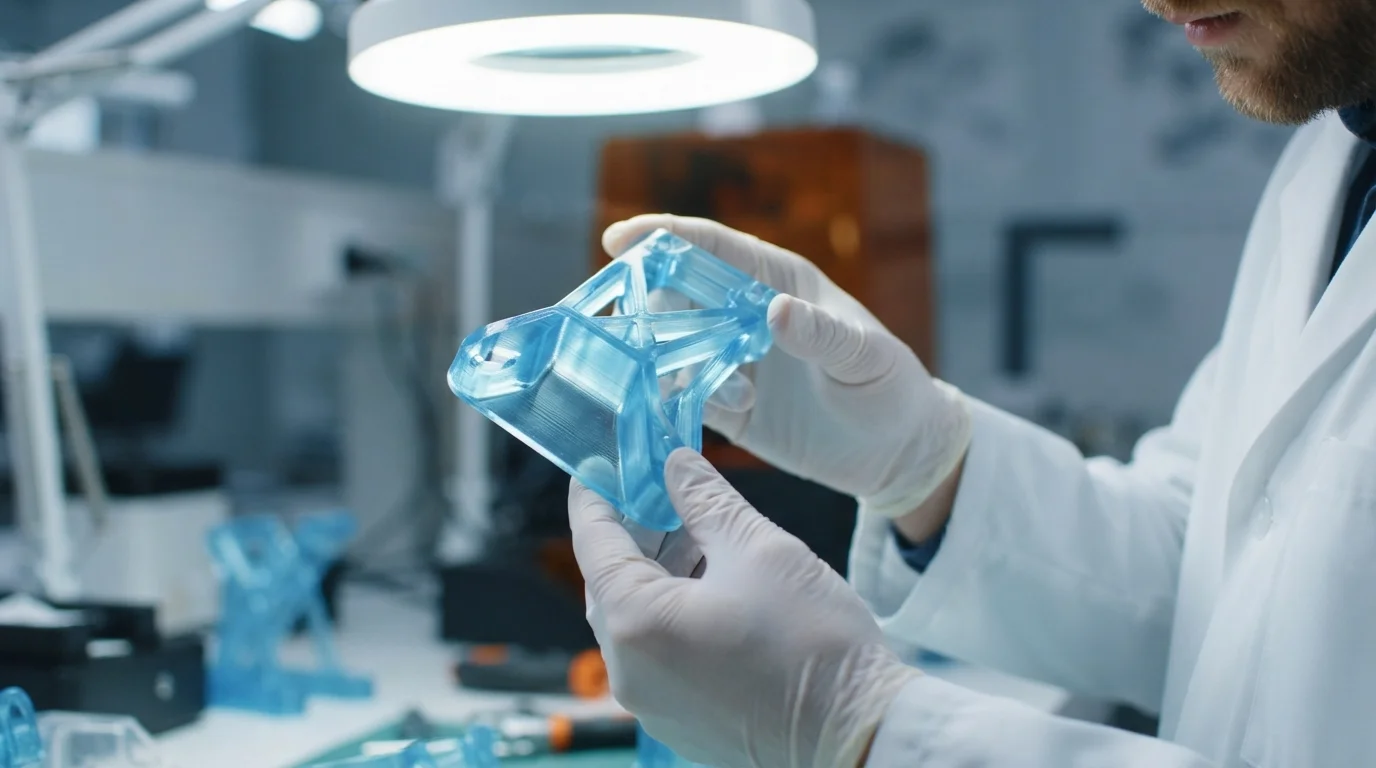
Suffer from expensive rapid tooling bills because you opened complex metal molds too early, only to find that your circuit boards don’t fit? When prototypes are manufactured without separating looks-like models from works-like testing units, it forces engineering teams to waste massive budgets on production-grade materials for simple aesthetic reviews. Proactively pairing your verification milestones with correct material processes is the best way to secure your product launch schedule.
Let’s examine how looks-like visual models are produced economically, analyze the material demands of high-stress functional testing, and explore the smart transitioning strategies to move designs from early mock-ups to end-use parts.
What is a Visual Prototype?

What is the primary function of a looks-like visual prototype?
A visual prototype is designed to evaluate product proportions, human ergonomics, color schemes, and aesthetic appeal during client or marketing presentations.
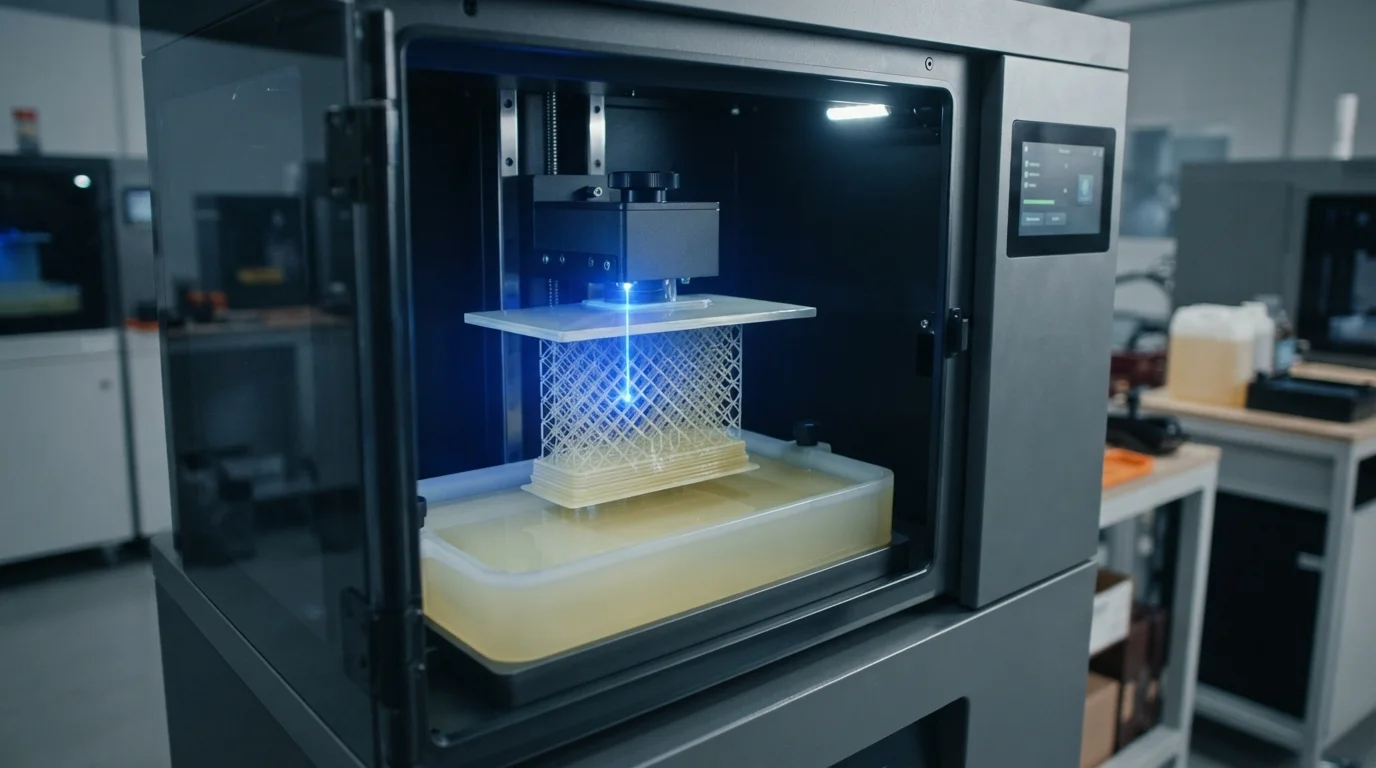
To validate exterior styling and user interaction before tooling up, designers utilize high-resolution, quick-turn processes. The gold standard for visual reviews is stereolithography (SLA) 3D printing. SLA utilizes precise UV lasers to cure liquid photopolymer resins, delivering models with smooth, non-porous surfaces and outstanding microscopic detail.
For small batches of 10 to 50 cosmetic pieces, we utilize advanced vacuum casting. This process uses an SLA master pattern to cast flexible silicone molds, replicating parts in dual-component polyurethane resins. These resins can be pigmented to match your exact Pantone colors and finished with professional textures, providing high-fidelity visual models that look identical to production-grade injection molded parts.
What is a Functional Prototype?
Why are functional prototypes essential for mechanical engineering and stress trials?
Functional prototypes are built from production-grade engineering materials to test structural strength, thermal limits, drop impacts, and moving component wear.
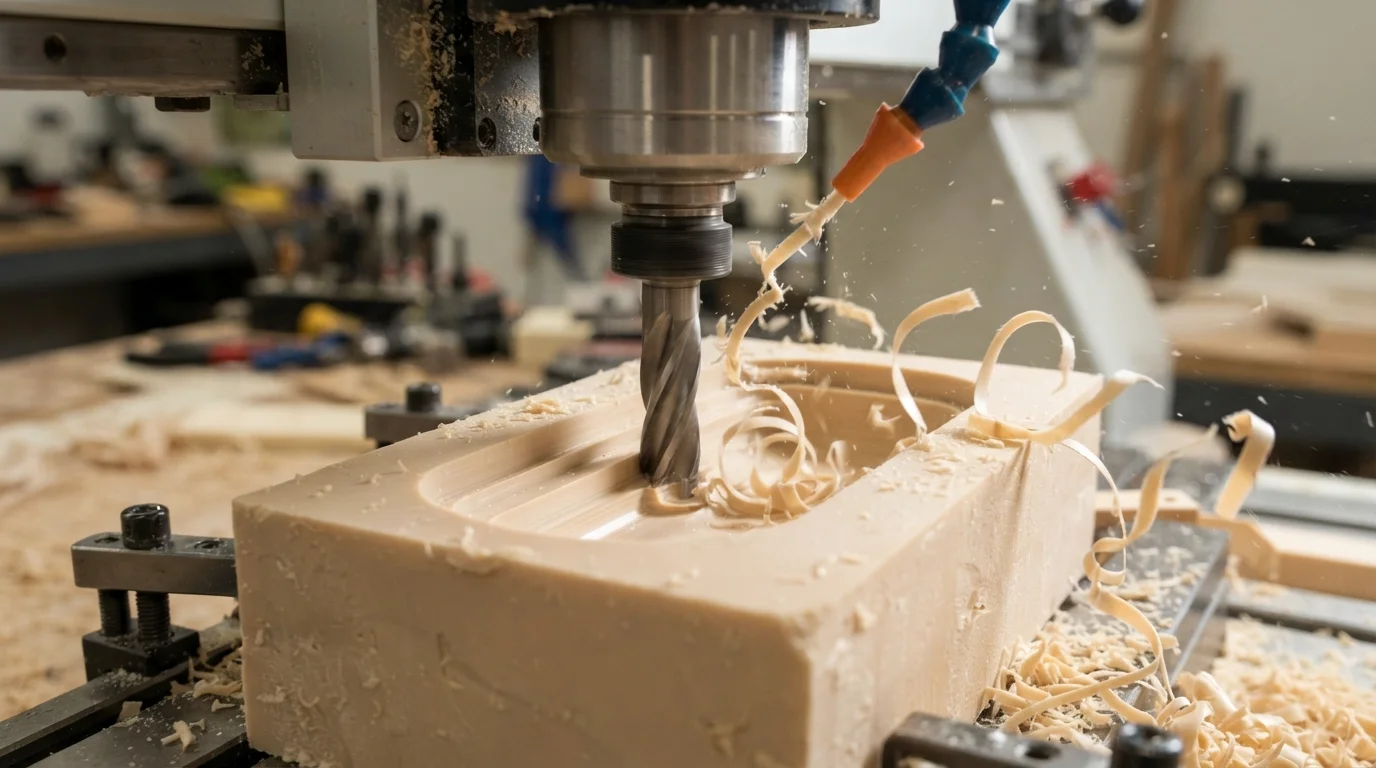
When your hardware must survive dynamic forces, relying on brittle 3D printing resins is a major risk. A functional part must be carved or molded from real engineering rapid prototyping materials. We utilize high-speed multi-axis CNC milling to cut parts directly from solid, extruded plastics like ABS, polycarbonate, or PEEK, ensuring that the finished component possesses 100% of the material’s physical density.
This subtractive machining provides isotropic strength, making the parts perfect for load-bearing brackets, snap-fit clips, and high-vibration automotive testing. By matching the prototype material exactly to your production specifications, we deliver robust, works-like assemblies that behave predictably under real physical loads, protecting your design from premature field failure.
The Transition: From Looks-Like to Works-Like
How do engineering teams transition their designs from early visual models to functional production-grade hardware?
We bridge this gap by utilizing high-precision CNC machining or quick-turn rapid tooling to produce parts using engineering thermoplastics without high mold costs.
To optimize your developmental schedule, understanding the transition of functional vs visual prototypes is essential. In the early stages, running low-cost SLA prints allows your team to verify aesthetic scales. Once the form is approved, transitioning to CNC milling is necessary to test structural stress using production-grade alloys and plastics, ensuring the part handles continuous vibration.
When your verification demands scale to hundreds of functional parts, we utilize rapid tooling. This process cuts modular aluminum molds in days, allowing us to injection-mold real engineering plastics on our automated presses. It provides a highly economical bridge, allowing you to validate fits using production resins and then scale seamlessly to high-volume manufacturing under a single, unified partner.
Get the Best Prototyping Strategy at Jucheng Precision
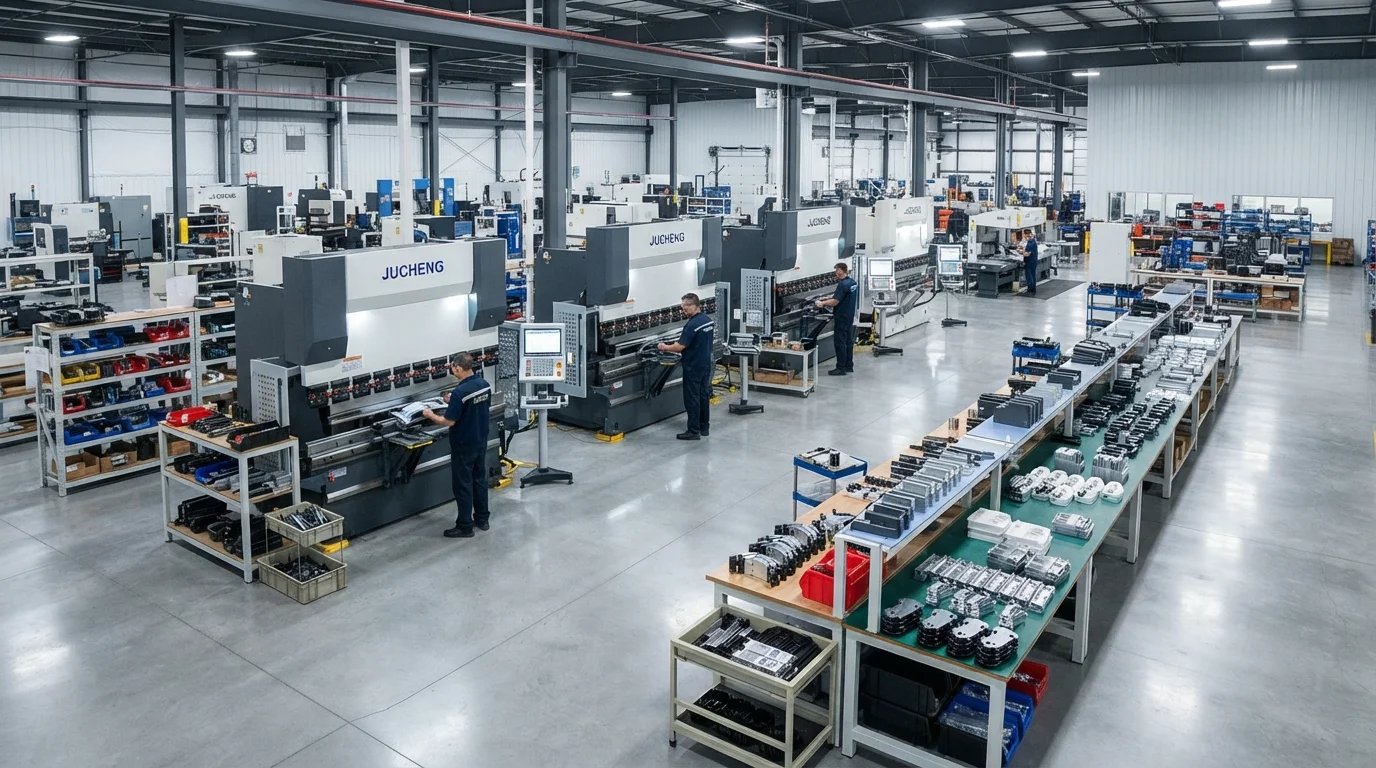
Sourcing high-end visual and functional prototypes requires an integrated, high-capacity workshop floor. Jucheng Precision operates a state-of-the-art 8000-square-meter facility housing over 150 CNC machining centers, including 25 high-precision 5-axis Haas and Mazak workstations. This massive in-house capacity ensures that your rapid prototyping runs are launched immediately, eliminating the multi-week delays common when outsourcing to fragmented, small-scale handtool shops.
Our manufacturing floor operates under a unified quality system certified to ISO 9001 and IATF 16949 standards, ensuring that custom automotive and industrial brackets meet strict regulatory requirements. As your premier rapid prototyping service, we offer a 24-hour free DFM analysis to check your 3D CAD files for tool clearances and bend limits before production. Supported by our no MOQ policy and rapid delivery guarantee, we manage your project from initial flat pattern cutting to final, high-durability packaging and assembly with zero dimensional drift.
FAQ: Critical Questions About Functional vs Visual Prototypes
Our engineering team has compiled professional, concise solutions to the most common quality challenges faced during visual and functional prototyping runs:
- Can a single prototype serve both functional and visual validation purposes?
Yes, but it requires secondary processing. We achieve this by CNC milling the component from production-grade plastics or aluminum to ensure structural strength, and then executing manual sanding, anodizing, or painting to deliver a flawless, retail-ready visual finish. - Why is SLA resin considered poor for functional snap-fit testing?
Standard SLA photopolymers are highly brittle and possess low elongation-at-break limits. Forcing an SLA-printed clip to flex will instantly cause it to snap, requiring SLS nylon or CNC-machined plastics for functional snap-fit testing. - How do you minimize overall project costs when planning prototypes?
We recommend starting with low-cost SLA prints to freeze your visual design. Once the form is locked, transition to CNC machining using real plastics to validate mechanical performance, avoiding expensive rapid tooling modifications. - How does Jucheng Precision prevent dimensional errors during functional vs visual prototypes development?
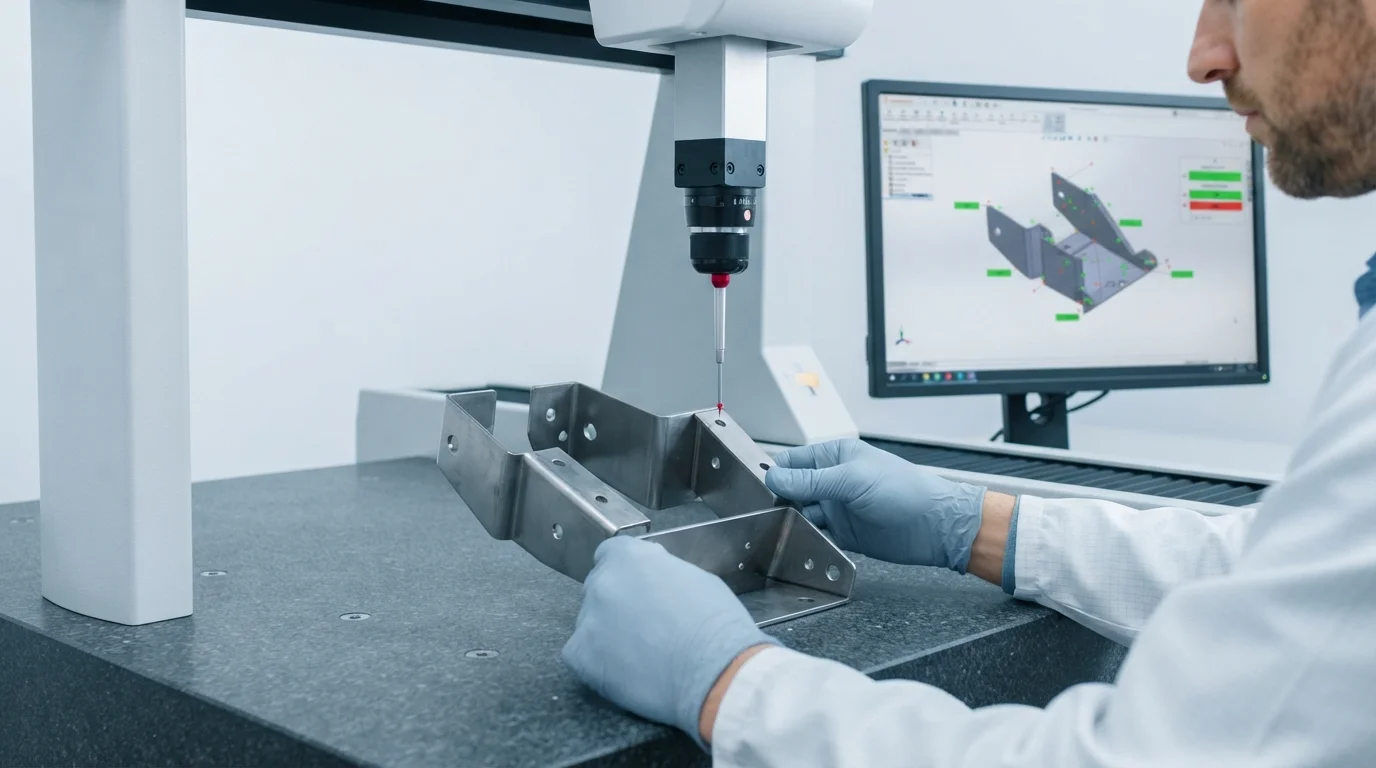
We verify mounting clearances using in-house digital coordinate gauges and run automated probe calibrations on our Zeiss coordinate measuring machines (CMM) before final shipping, ensuring total compliance.


