


In the world of high-performance metals, there is a championship fight. It is a battle between the two undisputed titans of the aerospace aluminum world. It is the ultimate contest of power versus endurance.

This is the showdown of 2024 aluminum vs 7075.
For an aerospace engineer, choosing between these two alloys is a high-stakes decision. They are both incredibly strong, but they have very different personalities and are champions of very different kinds of fights. Understanding this difference is critical to designing a safe and reliable aircraft.
contenido:
Meet the Contenders
Round 1: The Heavyweight Title - Absolute Strength
Round 2: The Endurance Match - Fatigue Resistance
Making the Strategic Call
Meet the Contenders

Both 2024 and 7075 are from the family of heat-treatable aluminum alloys. They are two of the most common high-strength mecanizado CNC de aluminio options. But their strength comes from very different "secret recipes."
2024 aluminum's main alloying element is copper. This makes it a 2000 series alloy.
7075 aluminum's main alloying element is zinc. This makes it a 7000 series alloy.
This fundamental difference in their chemistry gives them their unique and distinct advantages in the ring.
Round 1: The Heavyweight Title - Absolute Strength

If the fight is about pure, raw, static strength, there is a clear and undisputed champion: 7075 aluminum.
In its T6 temper, 7075 has one of the highest strength-to-weight ratios of any metal. Its yield strength is significantly higher than 2024's. This means that for a part that needs to withstand a massive, constant load without deforming, 7075 is the king.
This is why it is chosen for critical, compression-loaded aircraft components like wing spars or landing gear structures. In this round, 7075's brute force wins the day.
Ganador: Aluminio 7075.
Round 2: The Endurance Match - Fatigue Resistance
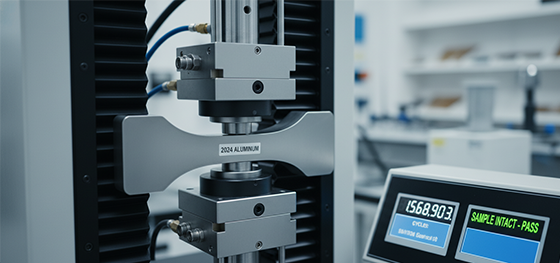
Pero no todas las peleas se tratan de un solo golpe fuerte. Algunas se tratan de soportar miles de golpes más pequeños durante mucho tiempo. Esta es la lucha contra la fatiga del metal. Y en este escenario, el campeón es diferente.
El aluminio 2024 tiene una resistencia superior a la fatiga. Su estructura a base de cobre es mejor para resistir la iniciación y el crecimiento de microfisuras bajo cargas cíclicas. Esto significa que puede doblarse, flexionarse y vibrar durante millones de ciclos sin fallar.
Por eso el 2024 es el material clásico para fuselajes de aviones y revestimientos inferiores de alas. Estas piezas están constantemente sometidas a la tensión y vibración del vuelo. Necesitan resistencia, no solo fuerza bruta. En la larga y agotadora prueba de resistencia, la resiliencia del 2024 sale victoriosa.
Ganador: Aluminio 2024.
Making the Strategic Call
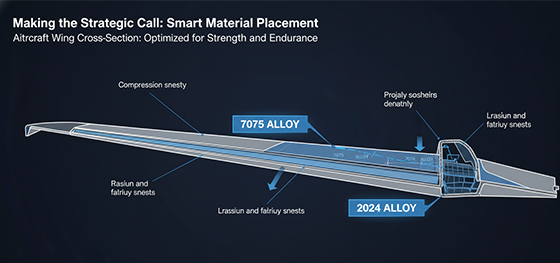
La elección en el Aluminio 2024 vs 7075 La batalla es un ejemplo perfecto de ingeniería sofisticada. No se trata de elegir el material "más fuerte". Se trata de elegir el material que sea más fuerte contra las fuerzas específicas que enfrentará.
| Factor | Aluminio 2024 | Aluminio 7075 |
|---|---|---|
| Superpoder | Resistencia a la Fatiga (Resistencia) | Resistencia a la Tracción (Potencia) |
| Carga Principal | Tracción, Cargas Cíclicas | Compresión, Cargas Estáticas |
| Aplicación Clásica | Fuselaje de aeronave / Ala inferior | Ala superior de aeronave / Largueros |
| Resistencia a la Corrosión | Pobre | Regular |
Un ejemplo clásico es el ala de un avión. La superficie superior del ala está bajo compresión durante el vuelo. Aquí, la resistencia absoluta del 7075 es la mejor opción. Pero la superficie inferior del ala está bajo tensión y vibración. Aquí, la resistencia a la fatiga del 2024 es la opción más segura y confiable.
Por eso necesita un socio de fabricación que sea más que un simple taller de mecanizado. En JUCHENG, tenemos la experiencia aeroespacial y el conocimiento de ingeniería para comprender esta compensación de alto nivel. Podemos ayudarlo a analizar las necesidades específicas de su diseño y elegir el verdadero campeón para su batalla única.

