


Launching custom hardware into high-altitude environments requires absolute metallurgical perfection. Commercial space startups and UAV developers constantly fight to reduce takeoff weight while maintaining structural safety. Specifying specialized aerospace die casting allows engineers to replace heavy, fabricated steel assemblies with unified, ultra-lightweight alloys.
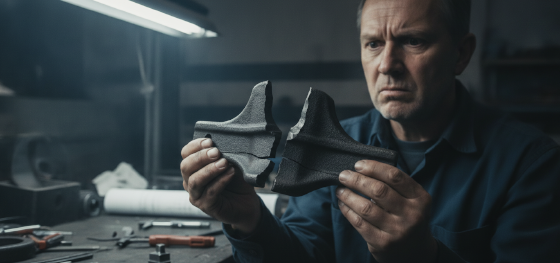
Rushing into mass production without testing physical limits is a dangerous financial gamble. Every single second your part spends cooling inside the press directly drives up your ongoing expenses. Deciding between different aplicaciones de fundición a presión sabiamente asegura que su flujo de caja en las primeras etapas permanezca completamente seguro mientras protege la vida útil de sus productos.
Consolidating your entire hardware pipeline inside our advanced precision manufacturing facility eliminates logistical delays and vendor finger-pointing. Let's dissect how high-performance alloys handle extreme environments, why vacuum injection is mandatory for structural integrity, and how advanced metrology secures global aerospace compliance.
contenido:
Navigating Extreme Environments: Alloy Selection for Flight Hardware
Eliminating Porosity: Vacuum Injection and Density Control
Low-Volume Manufacturing: Agile Support for Aerospace Startups
Strict Verification: Metrology, CMM, and Material Traceability
Preguntas Frecuentes: Respuestas Honestas sobre Amortización y Moldes de Acero
Navigating Extreme Environments: Alloy Selection for Flight Hardware
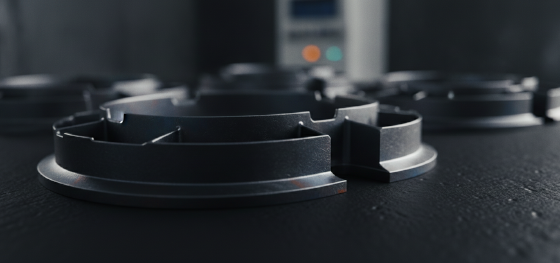
Why do commercial aviation startups require specialized alloys for high-altitude missions?
Because standard alloys soften and creep under the extreme heat of rocket engines, demanding materials with high melting points and excellent strength-to-weight ratios.
Selecting the perfect alloy is the ultimate secret to dropping your ongoing vehicle weight. Hardened aluminum 7075 and lightweight magnesium AZ91D deliver incredible structural rigidity while shedding dead weight from your aircraft body.
Processing these difficult metals is a core specialty of our facility. We melt and cast these high-performance alloys under strict temperature controls, ensuring your aerospace die casting components survive extreme thermal expansion without fracturing.
Eliminating Porosity: Vacuum Injection and Density Control
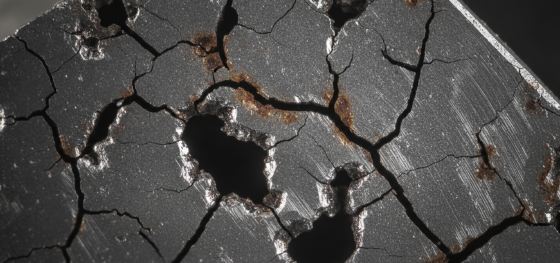
Why do aerospace quality inspectors enforce a strict zero-tolerance policy for internal air pockets?
Trapped gas porosity creates microscopic internal stress fractures that will violently shear and snap the part during high-speed takeoffs or heavy atmospheric turbulence.
Designing critical safety brackets requires a complete elimination of internal voids. We deploy advanced fundición a presión al vacío to suck all oxygen out of the mold cavity milliseconds before injection, preventing the air pockets that ruin metal density.
Securing this perfect density allows engineers to successfully heat-treat the parts later. This thermal tempering process skyrockets your ultimate yield strength, delivering high-performance aerospace die casting parts that pass strict X-ray inspections.
Low-Volume Manufacturing: Agile Support for Aerospace Startups
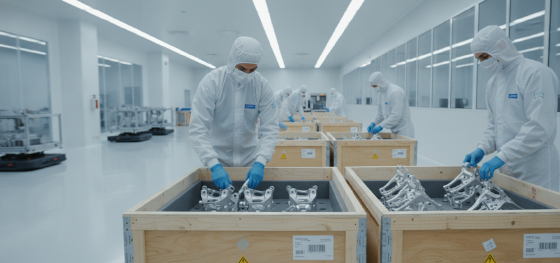
How can young space companies prototype and test custom metal hardware cheaply?
By utilizing modular aluminum molds instead of heavy hardened steel, cutting your upfront tooling bills by over fifty percent.
Traditional foundries typically enforce massive, rigid minimum order quantities (MOQs). They refuse to run machines for anything less than five thousand units, leaving aerospace startups stranded with slow subtractive milling.
Choosing our agile rapid tooling services allows you to secure real, production-grade metal parts quickly. We gladly accept orders of one hundred or five hundred pieces, helping you validate your aerospace die casting designs in the field without heavy initial investments.
Strict Verification: Metrology, CMM, and Material Traceability
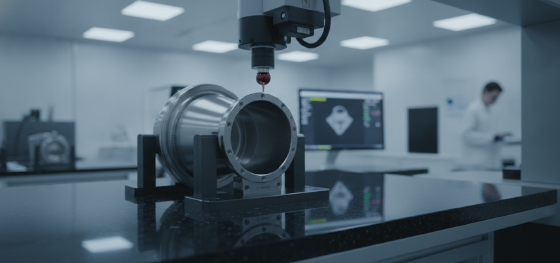
Comparing raw material limits is a non-negotiable step before freezing your CAD drawings. The technical matrix below outlines how our advanced metrology systems ensure absolute compliance with aerospace standards.
| Inspection Standard | Primary Quality Control Technology | Key Aviation Advantage |
|---|---|---|
| Dimension Verification | Avanzadas máquinas de medición por coordenadas (CMM) | Checks physical parts directly against CAD tolerances. |
| Internal Soundness | High-resolution X-ray scanning | Detects hidden gas porosity voids immediately. |
| Chemical Compliance | Spectrometric material testing | Provides complete trazabilidad de materiales certificates (CoA). |
Sourcing raw metals from unverified brokers is a massive, dangerous risk. We strictly source high-purity virgin ingots, keeping your supply chain completely compliant with international RoHS and aviation standards.
Stop risking your heavy-lift commercial flights on unverified hardware. Send your complex CAD files to our engineering team today for a comprehensive, manual DFM flow analysis and secure a guaranteed, precise quote.
Preguntas Frecuentes: Respuestas Honestas sobre Amortización y Moldes de Acero

Does the complexity of the internal gating system increase my aerospace die casting cost?
Sí, los canales de corredera complejos consumen más metal en bruto por inyección. Diseñamos rutas de compuerta altamente optimizadas para minimizar el exceso de chatarra, manteniendo su desperdicio de material excepcionalmente bajo.
¿Puedo fundir zinc y aluminio en el mismo molde de acero?
No. Debido a que diferentes metales se contraen a velocidades completamente diferentes, verter aluminio en un molde diseñado para zinc resultará en piezas que no cumplen con sus tolerancias dimensionales.
¿Cobran tarifas adicionales por los Informes de Prueba de Material obligatorios?
Proporcionar certificaciones químicas completas (CoA) y certificados de cumplimiento RoHS con cada entrega es nuestra práctica estándar, incluido completamente sin costo adicional.
Can you cast high-melting-point titanium parts using these machines?
No, comercialmente puro melts at extremely high temperatures (around 3,000°F), which will instantly melt and destroy standard steel mold cavities, requiring specialized investment casting instead.

