


Have you ever wondered how a flat sheet of clear, tough plastic becomes a part of a cool robot, a protective face shield, or even a component in a video game console? It's done with a special computer-controlled machine! This process is called CNC polycarbonate machining.
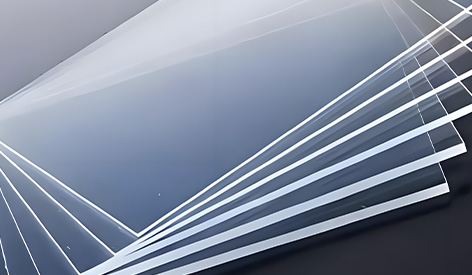
Polycarbonate is a type of plastic. It's really strong, hard to break, and see-through like glass. But because it’s so tough, cutting it requires a powerful and smart machine.
¿Qué es el policarbonato?
¿Cómo lo cortamos? ¡Hablemos de CNC!
¿Por qué importa la velocidad?
Obtener ayuda de los profesionales
Policarbonato vs. Acrílico: ¡El enfrentamiento!
¿Qué es el policarbonato?
It's in your safety goggles, the clear windows in a drone, and even some LEGO bricks. It's famous for being impact-resistant, which is a fancy way of saying it doesn't break easily when you drop it or hit it.
¿Cómo lo cortamos? ¡Hablemos de CNC!
CNC stands for Computer Numerical Control. It means a computer tells the cutting machine exactly what to do. CNC processes for polycarbonate include:
CNC cutting polycarbonate is often the first step. The machine cuts a sheet into smaller pieces. This gets the material ready for more detailed work.
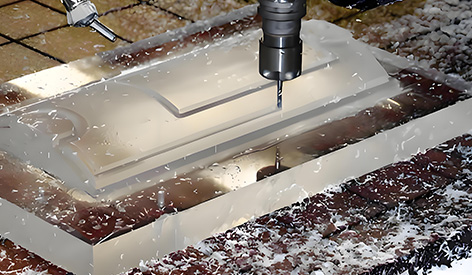
For more detailed work, we use mecanizado CNC polycarbonate. This is where the machine uses different spinning tools to carve out shapes, make holes, and create designs. It has to be very careful not to get too hot from all the friction.
Un método similar es el enrutamiento CNC de policarbonato. Esto es excelente para cortar formas de láminas grandes y alisar los bordes. La máquina se mueve muy rápido para asegurar que los cortes sean limpios y suaves.
Another common term is polycarbonate CNC milling. This is almost the same as machining. A spinning tool with sharp teeth (called a bit) carefully shaves away tiny pieces of plastic to create the exact shape we want.
¿Por qué importa la velocidad?
Una de las configuraciones más importantes de la máquina se llama velocidad de avance CNC del policarbonato. Este es solo un término técnico para la velocidad a la que la herramienta de corte se mueve a través del plástico.
Too Slow: If the machine moves too slowly, the friction makes the tool hot. This can melt the plastic, affecting the edge finish.
Too Fast: If it moves too fast, it can crack the plastic or break the tool.
Justo lo correcto: La velocidad perfecta hace un corte limpio y elimina el calor en las pequeñas virutas de plástico que se desprenden. ¡Se necesita habilidad para encontrar esta velocidad "justo correcta"!

Obtener ayuda de los profesionales
A polycarbonate CNC service provides machining services for polycarbonate parts. These are companies that are experts at this. You can send your design to a polycarbonate CNC machining service for review.
Policarbonato vs. Acrílico: ¡El enfrentamiento!
Quizás conozcas otro plástico transparente llamado acrílico (a veces vendido como Plexiglás). Entonces, ¿cuál es la diferencia al cortarlos? Veamos el corte CNC de policarbonato vs acrílico.
Acrylic: It's very clear and shiny, but it’s also brittle. If you bend it or cut it wrong, it can crack or snap.
Polycarbonate: It's much harder to break and can bend a little. It's the winner for strength, but it can scratch more easily.
Entonces, eliges acrílico para cosas que necesitan ser extra claras (como una escultura hermosa) y policarbonato para cosas que necesitan ser resistentes (como equipo de protección).
Using a CNC machine to shape polycarbonate is an amazing way to build strong, durable, and clear parts for a range of projects.

