


Escuadrar un bloque de aluminio en una fresadora es una habilidad fundamental en el trabajo de metales, que garantiza dimensiones precisas y superficies lisas para mecanizados posteriores. Este proceso requiere una preparación cuidadosa, una selección adecuada de herramientas y una ejecución metódica para lograr precisión. Ya sea que utilice una fresadora CNC de precisión o una máquina manual, dominar esta técnica es esencial para crear piezas de alta calidad.
contenido:
Comprensión de los conceptos básicos del fresado de metales
Elección de la fresadora de metales adecuada
Proceso paso a paso para escuadrar un bloque de aluminio
Consejos para lograr precisión
Comprensión de los conceptos básicos del fresado de metales
El fresado de metales implica eliminar material de una pieza de trabajo utilizando cortadores rotativos para lograr una forma o acabado superficial deseado. Al escuadrar un bloque de aluminio, el objetivo es crear caras perfectamente perpendiculares entre sí. Esto es crucial para piezas que requieren tolerancias ajustadas, especialmente en el fresado CNC de metales, donde los procesos automatizados exigen configuraciones iniciales precisas.
Elección de la fresadora de metales adecuada
El tipo de fresadora de metales que utilice afecta significativamente el resultado. Una fresadora vertical es ideal para escuadrar bloques de aluminio debido a su estabilidad y facilidad de operación. Para proyectos más pequeños, una mini fresadora de metales puede ser suficiente, aunque las fresadoras industriales más grandes proporcionan mejor rigidez para cortes pesados. Si no posee equipo, buscar "fresado de metales cerca de mí" puede ayudar a localizar talleres con las herramientas necesarias.

Proceso paso a paso para escuadrar un bloque de aluminio
1. Asegurar la pieza de trabajo
Comience sujetando firmemente el bloque de aluminio a la mesa de fresado. Use paralelas debajo para elevarlo y garantizar una presión uniforme para evitar deformaciones.
2. Seleccionar las herramientas de corte adecuadas
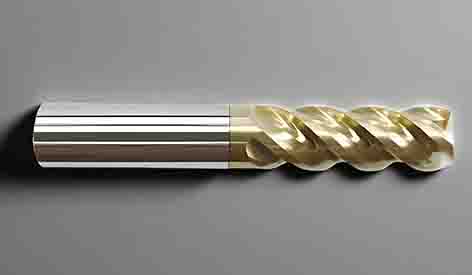
Para aluminio, las fresas de metal con cortadores de acero rápido (HSS) o carburo afilados funcionan mejor. Las brocas de fresado para metal también se pueden usar para operaciones más pequeñas, pero las fresas de punta son preferibles para escuadrar.
3. Fresado de la primera cara
Usando un cortador de volante o una fresa frontal, realice pasadas ligeras en la superficie superior para crear un plano de referencia plano. Este primer lado servirá como base para escuadrar las caras restantes.
4. Escuadrado de lados adyacentes
Gire el bloque y frese el lado adyacente perpendicular al primero. Una escuadra de precisión o un indicador de carátula garantizan la precisión. En el fresado de metales personalizado, verificar los ángulos en cada paso evita errores acumulativos.
5. Acabado de las caras restantes
Repita el proceso para los lados restantes, verificando la perpendicularidad con frecuencia. Un torno para metales fresadora a veces puede ayudar a terminar los bordes, aunque una fresadora suele ser más efectiva para escuadrar.
Consejos para lograr precisión
Use refrigerante: el aluminio puede obstruir las fresas, por lo que aplicar refrigerante mejora el acabado y la vida útil de la herramienta.
Cortes ligeros: tomar profundidades de corte más pequeñas reduce la deflexión y mejora la precisión.
Verifique la alineación: verifique regularmente la alineación de la máquina, especialmente en configuraciones CNC de precisión.
Escuadrar un bloque de aluminio en una fresadora es una habilidad fundamental que mejora la calidad de las piezas mecanizadas. Ya sea usando una mini fresadora para metales o un sistema industrial de fresado CNC de metales, la técnica adecuada garantiza la precisión dimensional. Para aquellos sin equipo, explorar servicios de fresado de metales cerca de mí o invertir en servicios personalizados de fresado de metales puede proporcionar resultados profesionales. Con las herramientas adecuadas, como fresas para metales y brocas de fresado para metales, este proceso se vuelve sencillo, allanando el camino para tareas de mecanizado más complejas.

