


Water rarely enters an EV charger through the middle of an intact panel. It follows a joint, cable, fastener, vent, display window, damaged coating, or poorly compressed gasket. That is why waterproofing succeeds when designers trace water paths—not when they simply add more sealant.
This failure-focused guide explains how to waterproof EV charger enclosures from roof to base. It covers geometry, gaskets, penetrations, drainage, condensation, fabrication, and validation without assuming that one IP target solves every outdoor condition.
Start With a Water-Path Audit
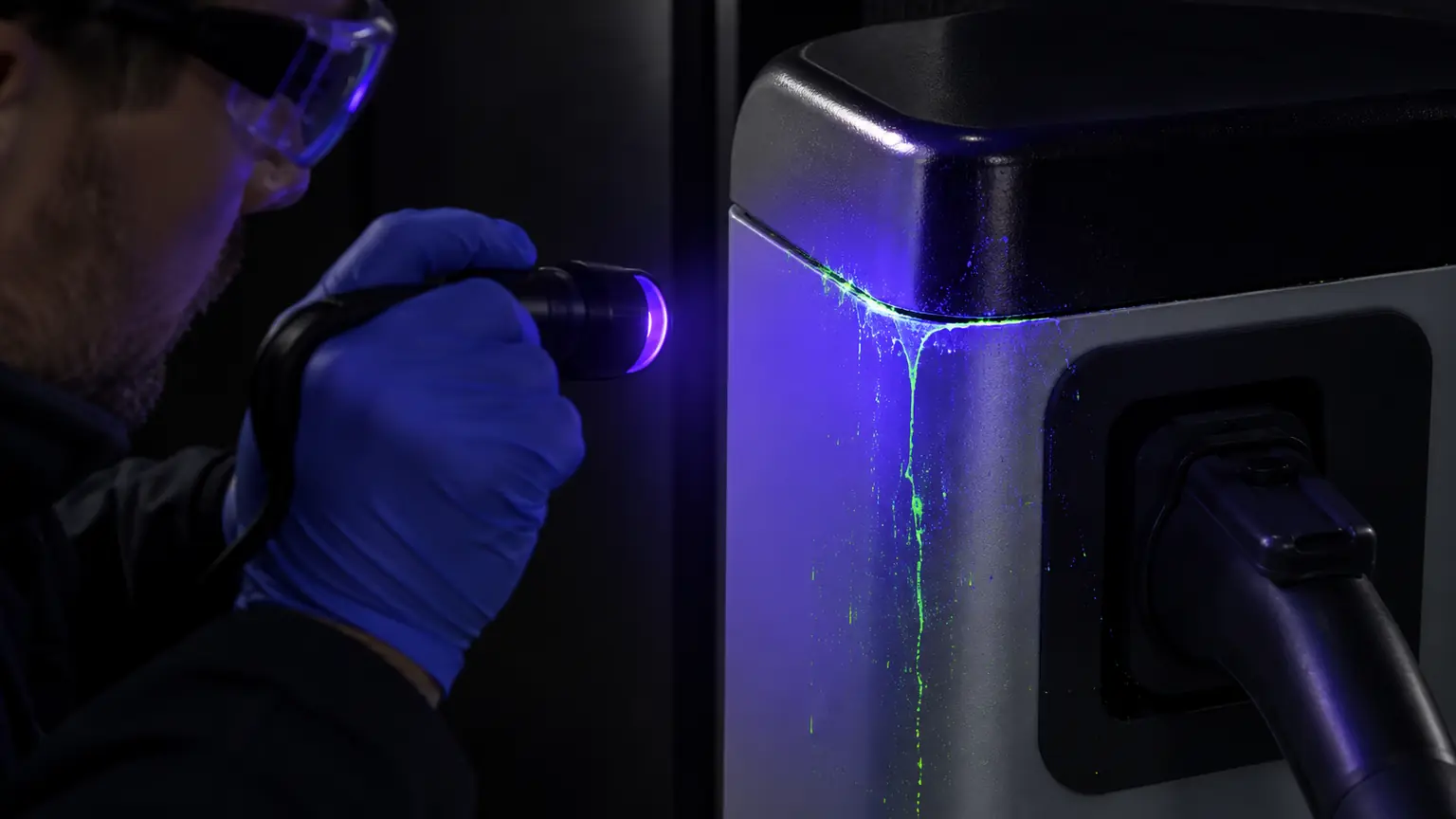
Review the charger in its installed orientation. Mark horizontal seams, upward-facing fasteners, door gaps, cable recesses, connector holsters, screen windows, vents, antenna mounts, lifting features, and base penetrations. Then ask where water lands, where wind can drive it, where surface tension holds it, and where gravity takes it next.
Pay special attention to water moving along cables. A cable can deliver water directly to a gland or connector even when the enclosure wall is protected by an overhang. Add drip loops, downward-facing entries, drainage, and strain relief where the product architecture allows.
The relevant ingress rating and test method must be specified for the complete product. Passing one controlled spray test does not automatically prove resistance to condensation, flooding, pressure washing, ice, long-term gasket compression set, or an incorrectly installed field cable.
The Door Seal Is a Compression System
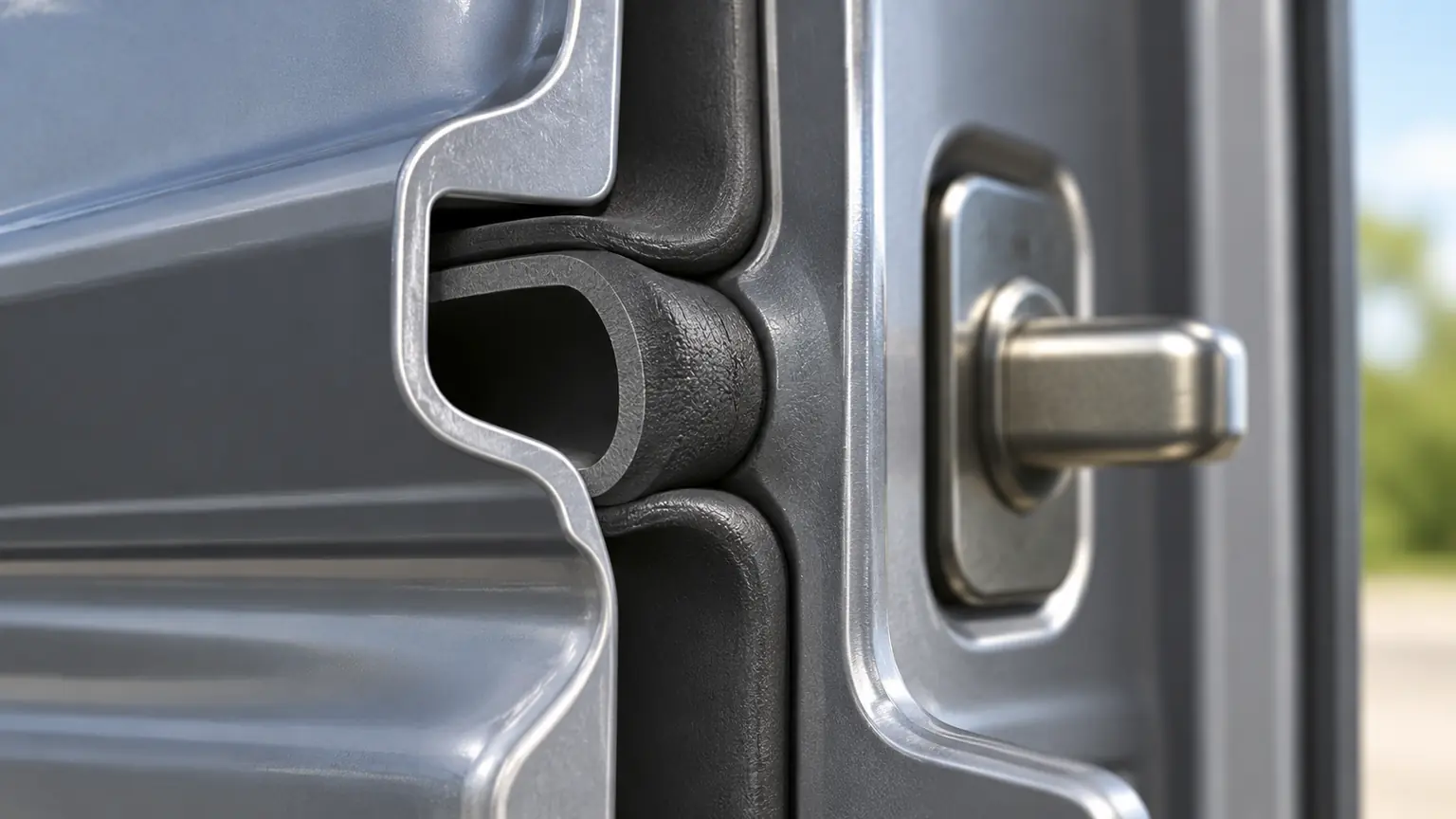
A gasket works only when its material, cross-section, compression, joint, corner geometry, surface finish, and latch spacing act together. Too little compression leaves gaps; too much can damage the gasket, deform the door, increase closing force, and accelerate compression set.
Build a continuous sealing plane
Avoid abrupt steps, weld spatter, fastener heads, sharp corners, and panel distortion under the gasket. Large doors often need formed returns or reinforcement so latch force is distributed around the perimeter. Hinge stiffness matters because a sagging door changes compression on the opposite side.
Protect the seal before water reaches it
Use a sloped roof, drip edge, gutter, labyrinth, or recessed opening to reduce direct exposure. The gasket should be the final barrier, not the first surface hit by every drop. A double-defense geometry is more tolerant of manufacturing variation and field wear.
Nuestro sheet metal enclosure design guide explains the bend, corner, fastening, and tolerance fundamentals behind stable door and flange geometry.
Every Opening Needs Its Own Sealing Strategy
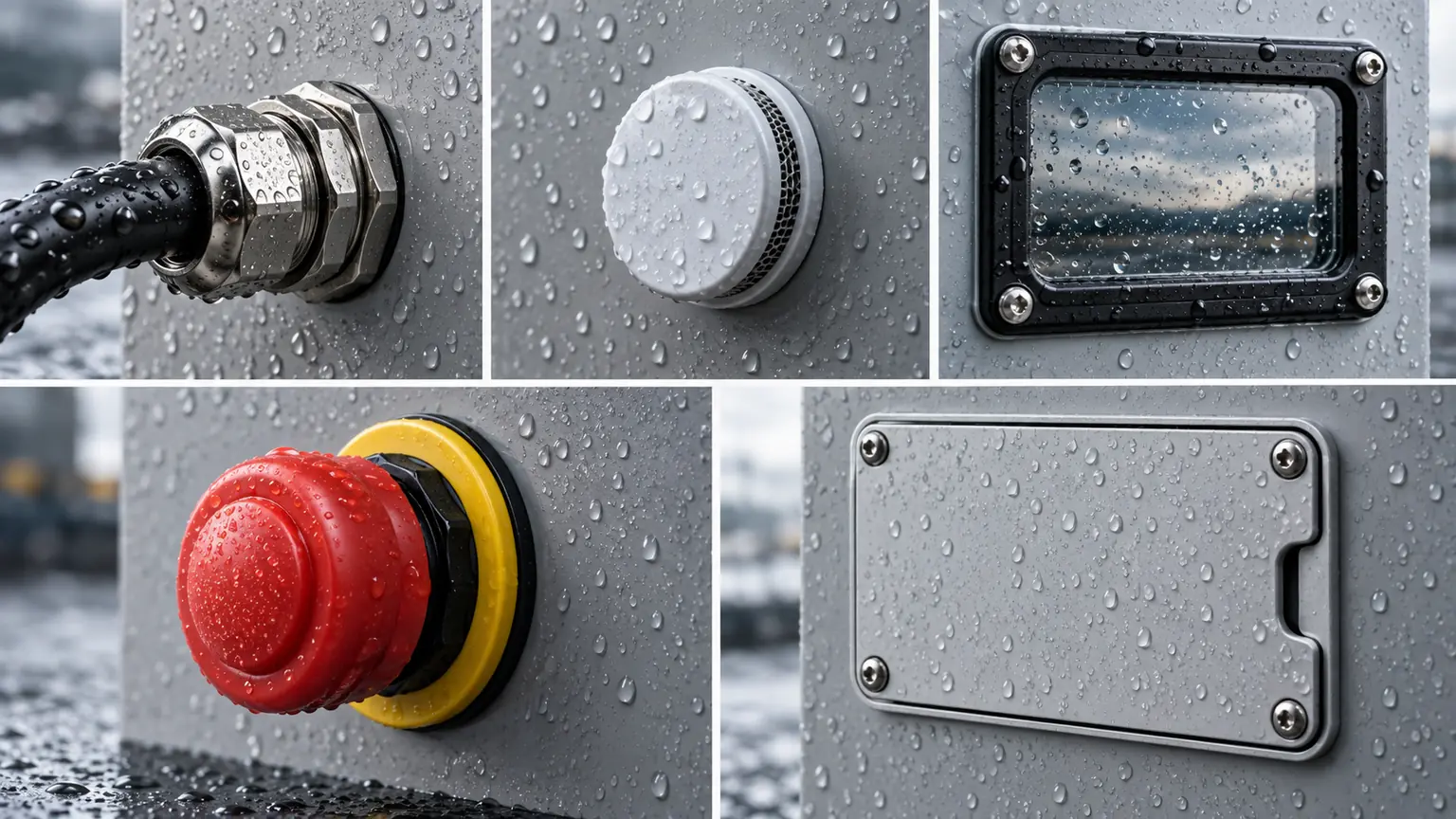
| Opening | Typical failure | Design response |
|---|---|---|
| Display window | Uneven bondline or frame distortion | Rigid land, controlled adhesive or gasket, drainage |
| Cable gland | Wrong cable range or side load | Correct gland, strain relief, downward route |
| Vent | Wind-driven water through airflow path | Labyrinth, membrane, hood, drainage |
| Fastener | Leak along thread or damaged coating | Protected location, sealing washer, blind feature |
| Service panel | Uneven compression after repeated access | Captive hardware and defined tightening sequence |
Membrane vents can help equalize pressure while resisting liquid water, but placement, area, contamination, and lifetime must match the application. A vent hidden in a stagnant pocket may not manage pressure as expected.
Where precise gland plates or machined sealing lands are required, mecanizado CNC can hold port locations, O-ring grooves, and flat interfaces that are difficult to achieve in flexible sheet alone.
Design for the Water That Gets Past the First Barrier
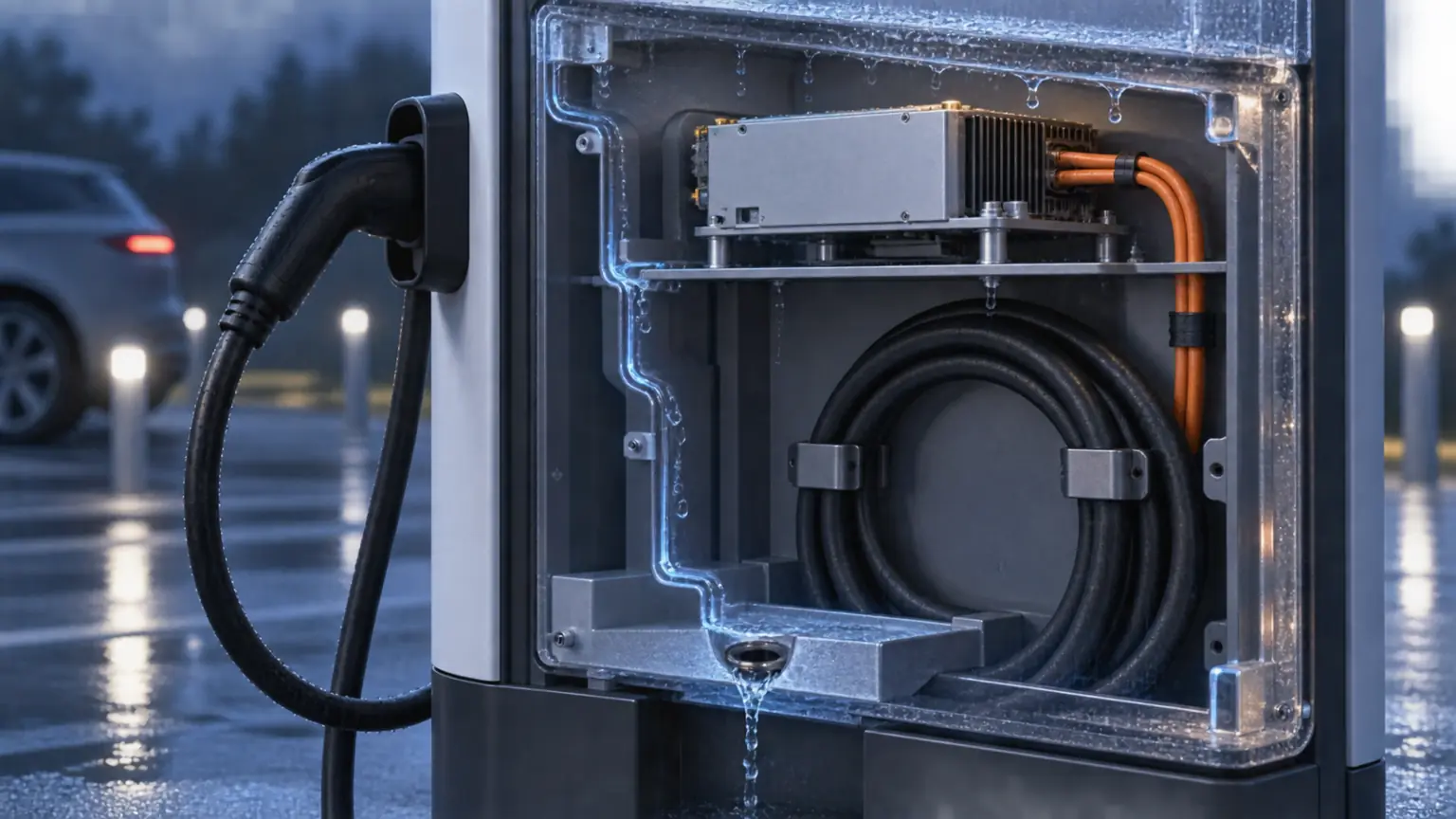
Good waterproof design includes drainage. Add weep routes in nonhazardous external cavities, slope horizontal ledges, avoid upward-facing pockets, and keep drain paths away from electrical zones. A connector recess should not become a cup. A roof seam should not end above a door corner.
Condensation is different from rain. Moist air may enter during assembly or service and condense on surfaces that fall below dew point. Temperature cycling, cold plates, uninsulated metal bridges, and a tightly sealed volume can all contribute. Possible controls include insulation, heaters, desiccants, pressure equalization, controlled ventilation, drainage, and operating logic.
Waterproof Geometry Must Survive Fabrication
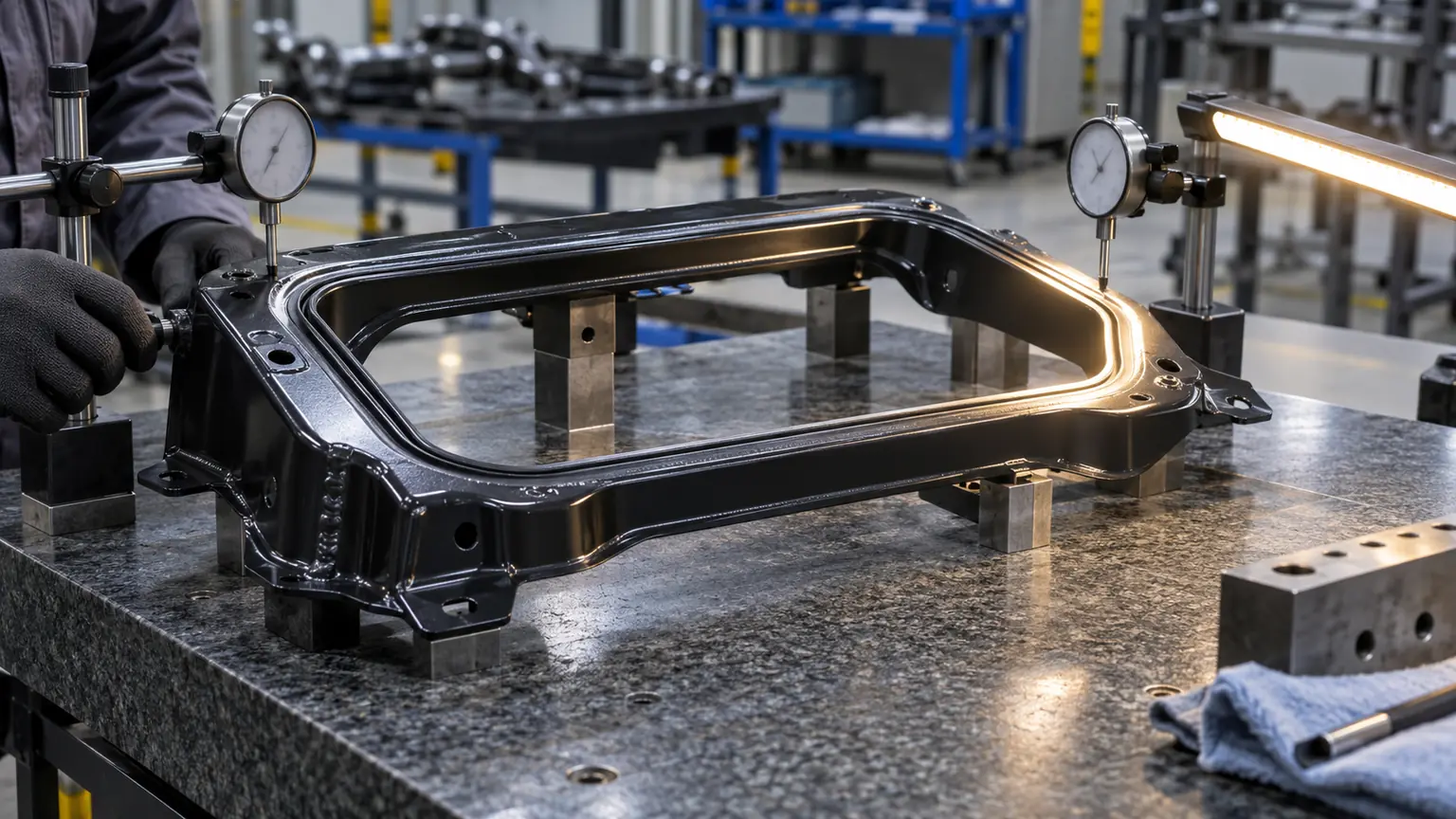
Laser cutting, bending, welding, grinding, inserts, and coating can change a carefully designed seal. Weld heat distorts long flanges. Grinding rounds gasket corners. Powder coating changes hole size and adds thickness to compression lands. Press-in hardware can locally deform thin sheet.
Functional drawings should call out sealing surfaces, acceptable flatness, masked areas, weld continuity, coating requirements, and inspection points. A supplier experienced in fabricación de chapa metálica can propose bend returns, fixture points, weld sequence, and local reinforcement before the design is locked.
Use a golden corner sample
A representative corner containing the real gasket, latch, weld, coating, and fasteners is an efficient qualification tool. It exposes interactions that isolated material coupons cannot show and can become a visual standard for production.
Test in a Sequence That Helps You Find the Leak
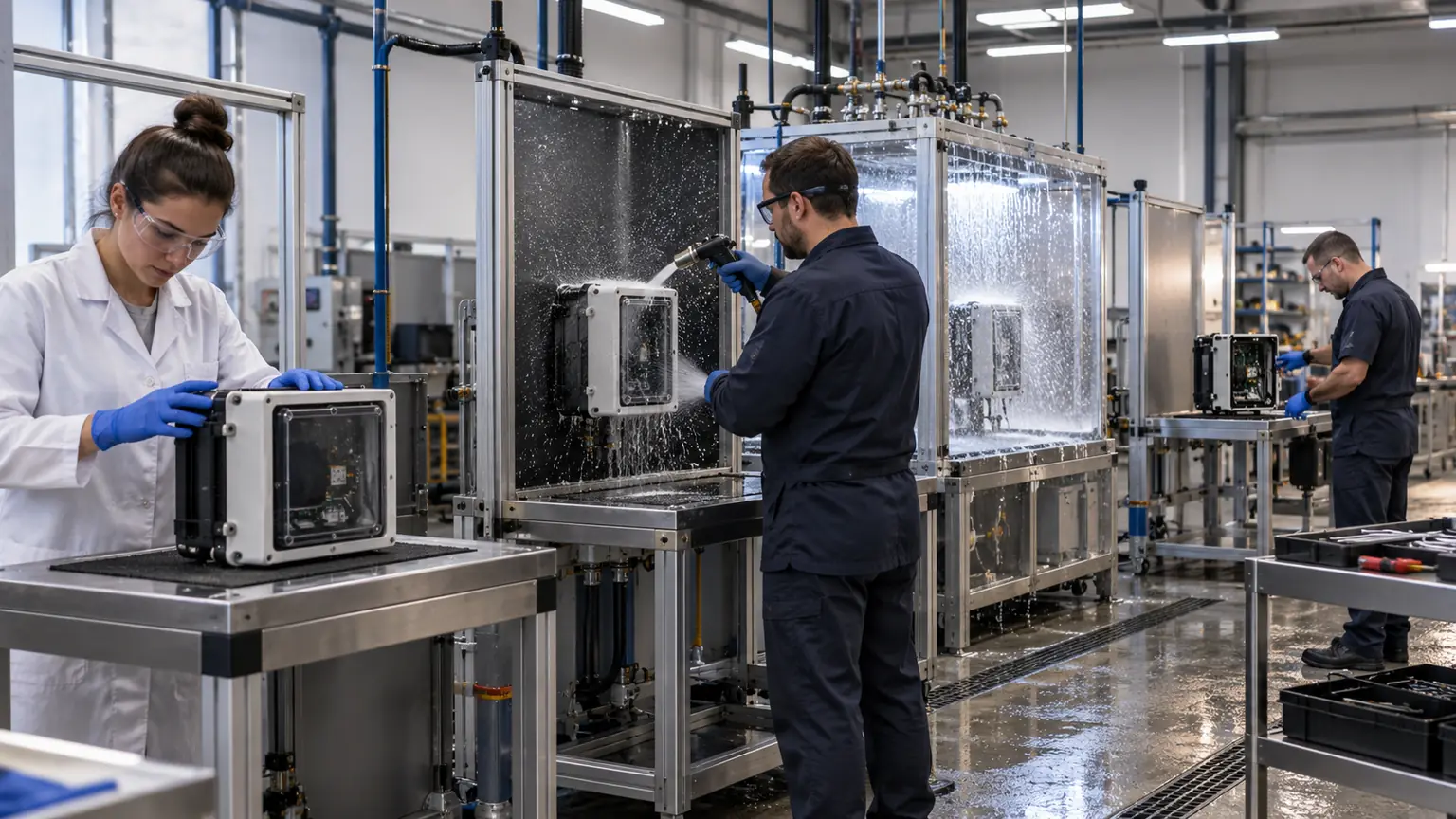
- Visual and dimensional inspection: confirm seal lands, gasket joint, latch alignment, holes, coating, and drain paths.
- Localized test: challenge one door corner, window, gland plate, or vent before wetting the entire unit.
- Full ingress test: use the specified orientation, method, duration, and operating condition.
- Post-test inspection: identify entry path, retained water, corrosion risk, and electrical-zone exposure.
- Life-cycle repeat: retest after door cycling, cable loading, thermal cycling, vibration, or other relevant aging.
Use witness paper, removable covers, moisture indicators, or controlled section testing to locate the path. Randomly adding sealant after a failure can hide the symptom without correcting geometry or assembly variation.
Risk-specific enclosure prototypes let teams test door corners, cable entries, display frames, and vents before a complete production-intent charger is available.
Waterproof EV Charger FAQ
Is a higher IP rating always better?
No. The rating must match the actual exposure and test method. Higher sealing can increase thermal and condensation challenges, so ingress and cooling strategies should be developed together.
Can silicone sealant replace a gasket?
Sealant can be appropriate for defined permanent joints, but it is not a universal repair. Serviceability, surface preparation, cure, bondline control, compatibility, and production consistency matter.
Why does a door pass initially and leak later?
Likely causes include gasket compression set, hinge sag, latch loosening, coating wear, contamination, thermal distortion, or damage during service.
What is the first prototype to build?
Build the highest-risk opening at realistic size—often a door corner, display window, cable-entry plate, or vent assembly—with production-intent materials and finishes.
Make Water Take the Long Way Around
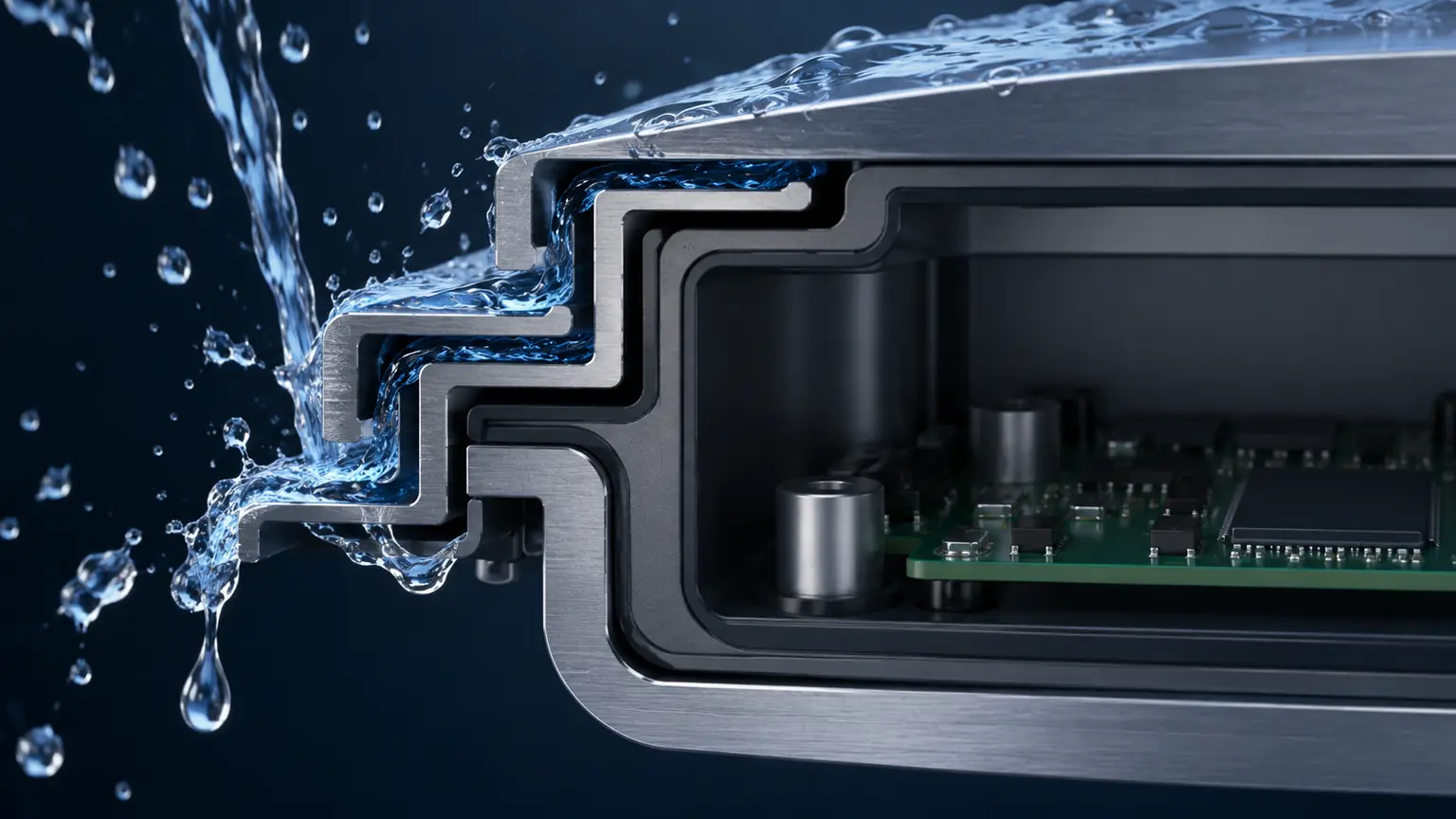
The most reliable waterproof EV charger enclosure combines protective geometry, stable compression, controlled penetrations, drainage, corrosion management, and repeatable fabrication. When every water path has a designed response and a test method, sealing becomes an engineering system instead of a final assembly fix.

