


Seleccionar entre núcleos de molde de acero pre-endurecido y aluminio de grado aeronáutico representa una de las decisiones de material más críticas en la ingeniería de moldeo por inyección de tiradas cortas. Los diseñadores de herramientas deben evaluar si el menor costo inicial de mecanizado del aluminio blando supera la superior resistencia al desgaste de las placas de acero pre-endurecido. Obtener maquetas físicas de alta fidelidad permite a las empresas de hardware validar el ajuste de las piezas, pero la transición al moldeo de tiradas cortas exige una comprensión clara de la dinámica de desgaste de la cavidad. Una planificación meticulosa previene lavados tempranos del molde, asegurando que los ensamblajes plásticos personalizados escalen suavemente hacia la producción de bajo volumen.
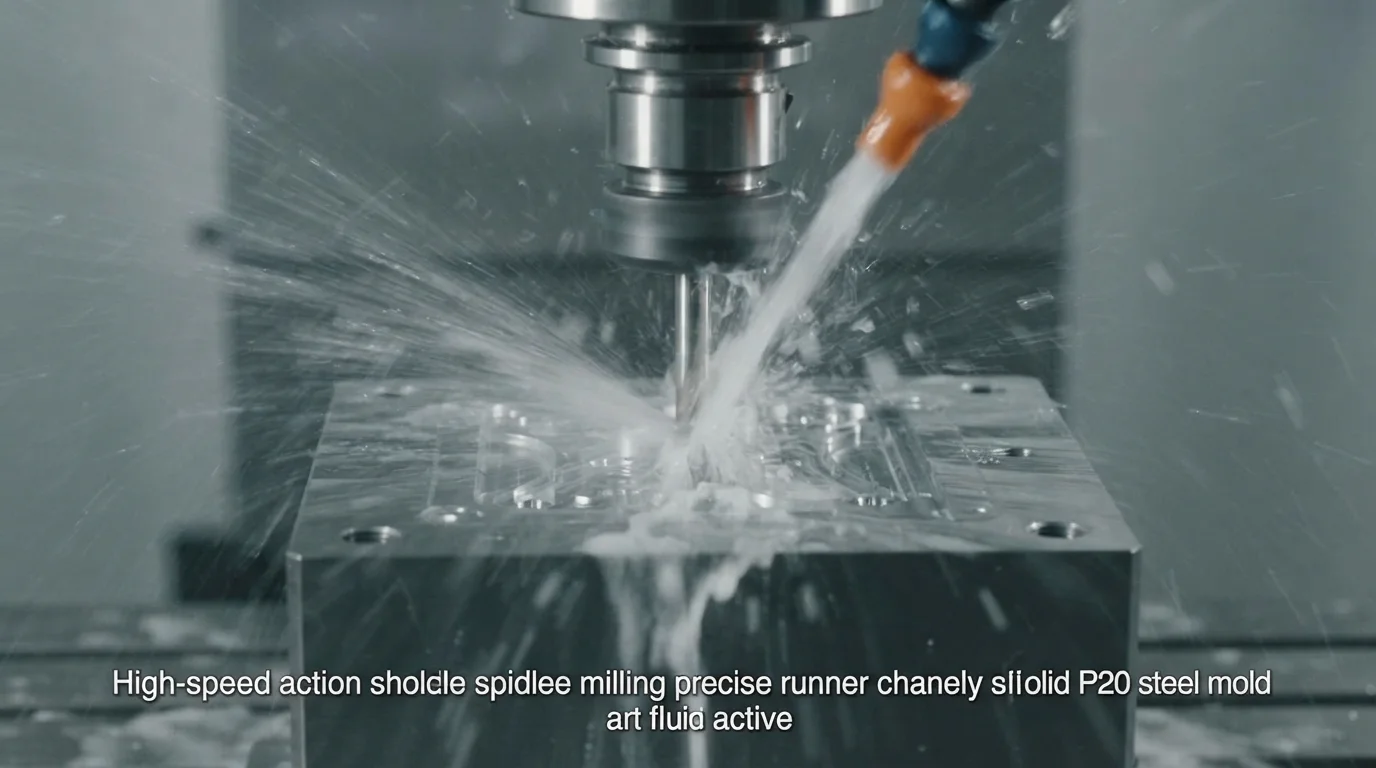
Analizar las compensaciones a largo plazo del costo de herramientas de acero P20 vs aluminio asegura que su equipo de producto seleccione el metal de molde adecuado para su resina objetivo. Los especialistas en fabricación analizan las tasas de cizallamiento del polímero, el contenido de fibra de vidrio y las fuerzas de sujeción utilizando software avanzado de simulación de flujo de moldeo. Obtener sus componentes de un socio experimentado previene errores de comunicación, asegurando que los cambios de diseño se propaguen de manera segura en todas las etapas. Permítame guiarle a través de los precios de tochos en bruto, el desgaste de fresas CNC y los factores de compatibilidad de resina que determinan su factura final.
Tabla de Contenidos
1. Diferencias de Precio del Tocho y Matemáticas de Mecanizado CNC
2. Tasas de Desgaste de Herramientas y Horas de Husillo de Alta Velocidad
3. Resinas Abrasivas con Fibra de Vidrio y TCO a Largo Plazo
Diferencias de Precio del Tocho y Matemáticas de Mecanizado CNC
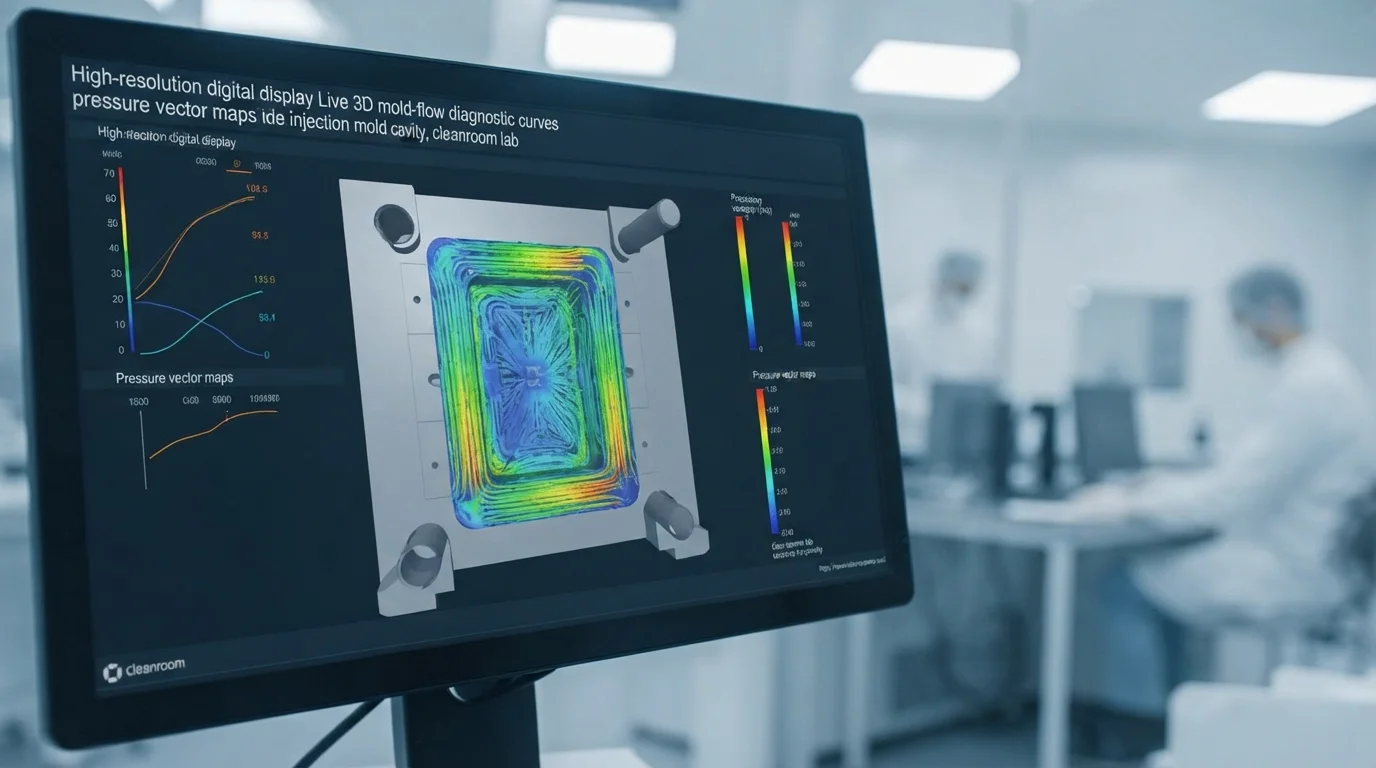
Pregunta: ¿Por qué el acero P20 cuesta más de mecanizar en un molde que el aluminio? El acero P20 pre-endurecido posee una mayor dureza (28-32 HRC), exigiendo avances de corte más lentos y causando un mayor desgaste de herramientas que el AL7075 blando.
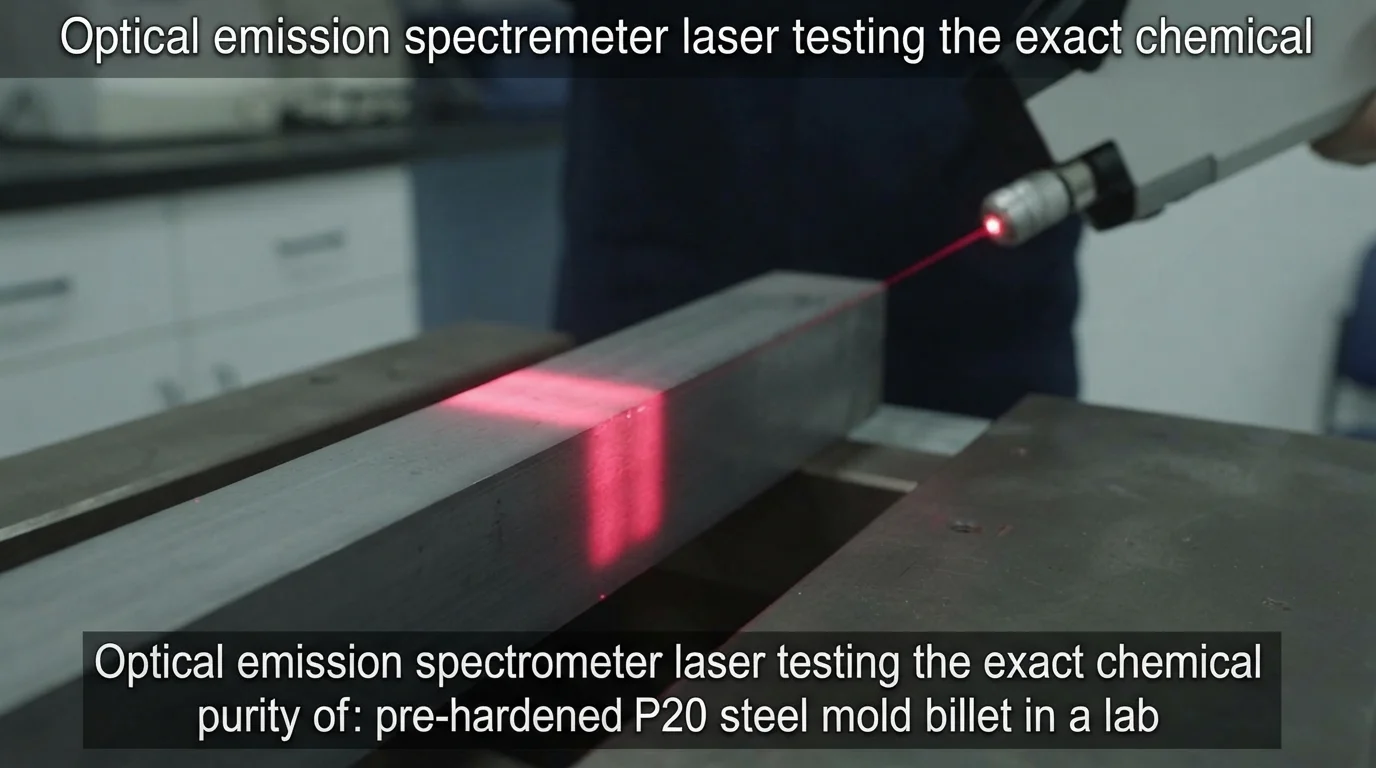
Las tarifas de compra de bloques de metal en bruto forman solo una fracción de las facturas iniciales de fabricación de moldes, mientras que las horas de máquina CNC representan el principal factor de costo. Obtener Aluminio (AL7075-T6) blando permite que los husillos de alta velocidad eliminen el stock en bruto hasta cinco veces más rápido que el pre-endurecido Acero para Herramientas. El P20 acero pre-endurecido llega pre-templado a 30 HRC, proporcionando alta rigidez estructural sin requerir tratamiento térmico secundario al vacío. Obtener placas de acero P20 aumenta las horas iniciales de mecanizado, pero elimina los tiempos de entrega del tratamiento térmico posterior al fresado.
Calculando su costo de utillaje rápido requiere equilibrar el desgaste de la herramienta de corte contra las horas de corte del husillo para cada opción de metal. Los núcleos de aluminio se cortan rápidamente con fresas estándar, mientras que el acero P20 requiere fresas de carburo especializadas que se desgastan más rápidamente durante el fresado de bolsillos profundos. Cortar archivos CAD complejos con precisión permite a los fabricantes de herramientas experimentados analizar manualmente las líneas de partición y cierres. Estandarizar las holguras no críticas permite que los husillos de fresado de alta velocidad eliminen el stock en bruto rápidamente, maximizando la eficiencia de corte.
Obtención de piezas funcionales de un profesional Servicio de prototipos es ideal para estudios de forma tempranos, pero esos archivos CAD a menudo violan la física del moldeo por inyección de producción en masa. Cortar archivos CAD con precisión permite a los fabricantes de herramientas experimentados analizar líneas de partición, ángulos de desmoldeo y espesores de pared utilizando software avanzado de simulación de flujo de molde. Los diseñadores de moldes analizan las divisiones de la línea de partición temprano para garantizar que los cierres suaves de aluminio resistan el desgaste bajo altas presiones de sujeción. La obtención de metales de palanquilla de alta calidad protege su presupuesto de desarrollo de los recargos por prima de material.
Tasas de desgaste de herramientas y horas de husillo de alta velocidad
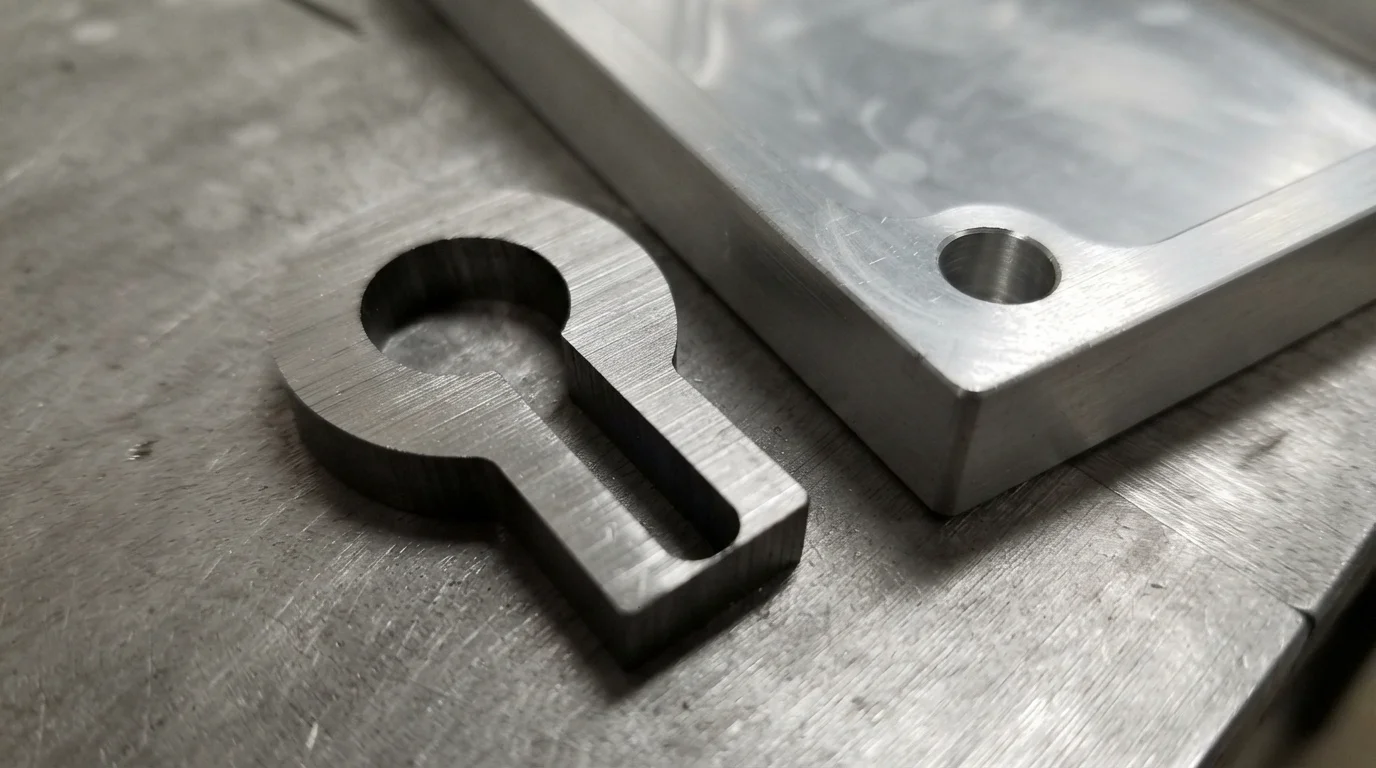
Pregunta: ¿Cuántos ciclos de inyección puede soportar un molde de acero P20? Los moldes de acero P20 pre-endurecido soportan fácilmente de 50,000 a 100,000 ciclos de inyección, lo que los hace superiores al aluminio para series de producción corta más largas.
Evaluar las estructuras de costos de mecanizado entre acero P20 y aluminio implica proyectar cuántas extracciones de piezas limpias puede entregar su molde antes de experimentar desviación dimensional. Las cavidades de acero P20 pre-endurecido resisten el aplastamiento de la línea de partición y la erosión de la compuerta bajo altas fuerzas de sujeción, entregando hasta 100,000 disparos limpios. Los moldes de aluminio, en comparación, típicamente experimentan desgaste de cierre después de 10,000 a 20,000 ciclos, requiriendo reparaciones de repulido o microsoldadura. Seleccionar acero P20 es altamente económico para tiradas de producción de volumen medio donde la longevidad del molde supera los costos iniciales de mecanizado CNC.
La obtención de un Servicio de utillaje rápido ayuda a los equipos de producto a elegir el metal de molde correcto basado en el volumen de pedidos anual y la abrasividad del polímero. Esta tabla de comparación técnica describe las diferencias físicas y financieras clave entre los moldes de acero P20 y aluminio AL7075:
| Material del Molde | Dureza del tocho | Tasa de remoción de mecanizado | Vida útil estimada de la herramienta |
|---|---|---|---|
| AL7075-T6 Aluminio | 150 Brinell | Muy alta (500 cm³/min) | 5,000 a 20,000 ciclos |
| Acero preendurecido P20 | 30 HRC | Moderada (120 cm³/min) | 50,000 a 100,000 ciclos |
Resinas abrasivas rellenas de vidrio y TCO a largo plazo
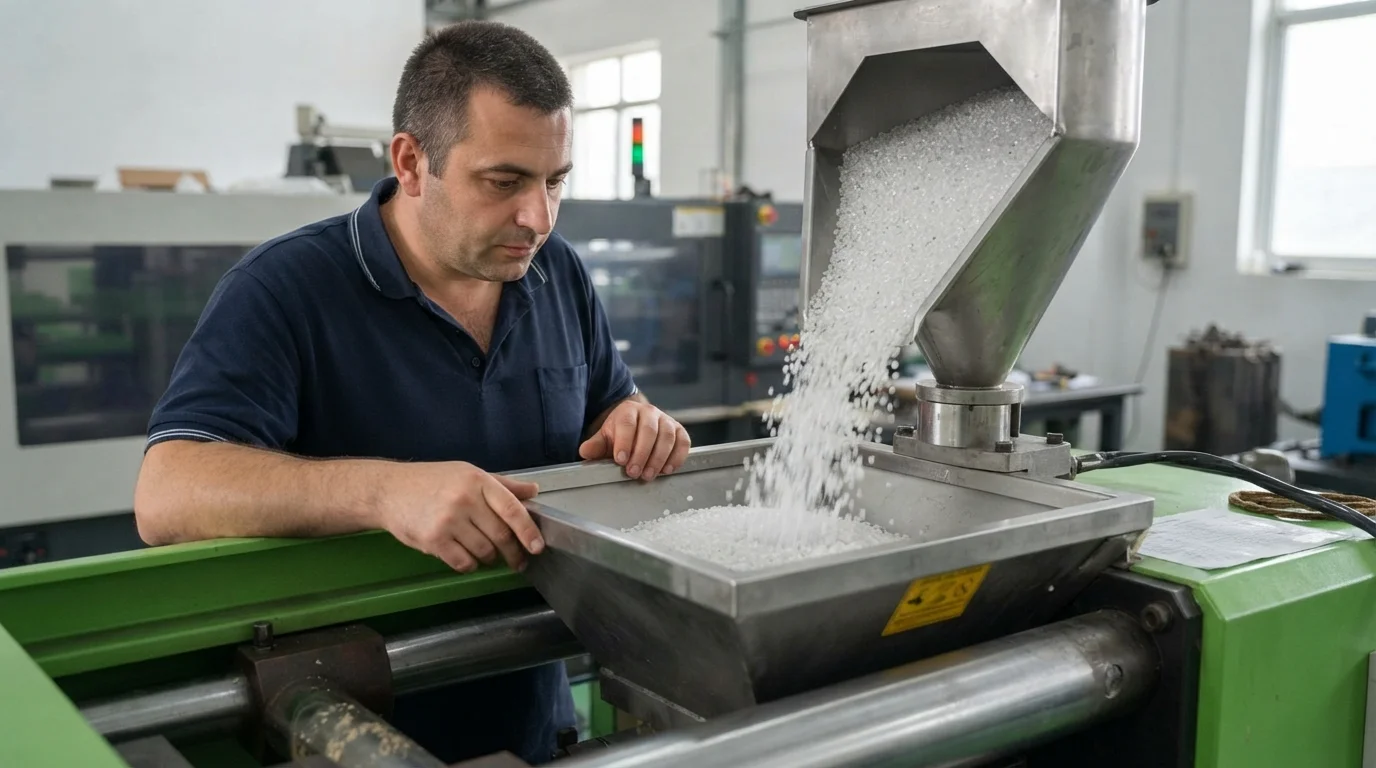
Pregunta: ¿Por qué el nylon relleno de vidrio fuerza una transición de aluminio a acero P20? Las fibras de vidrio cortadas actúan como papel de lija bajo alta velocidad de inyección, erosionando las compuertas de aluminio crudo dentro de cientos de ciclos.
Inyectar termoplásticos reforzados con fibra como el nylon relleno de vidrio Nailon (PA) crea un raspado abrasivo intenso contra las paredes de cavidad crudas y las entradas de compuerta. El uso de moldes de aluminio sin endurecer para nylon relleno de vidrio al 30% resulta en lavado rápido de compuerta y rebaba en la línea de partición después de solo unos cientos de disparos. Los insertos de núcleo de acero P20 pre-endurecido resisten fácilmente el flujo de fibra abrasiva, protegiendo las dimensiones de la compuerta y manteniendo tolerancias de pieza ajustadas en tiradas largas. El uso de insertos de acero para áreas de alto desgaste preserva los beneficios de velocidad del molde de aluminio mientras previene fallas prematuras de la herramienta.
El abastecimiento de sus programas de producción corta Servicio de moldeo por inyección desde un socio integrado asegura que sus archivos CAD de molde pasen por revisiones exhaustivas de DFM antes de cortar metal. Jucheng Precision opera una instalación de fabricación completamente equipada que contiene tanto centros de mecanizado multieje Servicio de mecanizado CNC de mecanizado de múltiples ejes como prensas de moldeo por inyección de precisión. Los ingenieros de fábrica ofrecen un servicio integral DFM gratuito las 24 horas revisiones para optimizar ubicaciones de compuerta, líneas de partición y perfiles de ángulo de salida. Los pasos de ingeniería clave para reducir su costo de mecanizado entre acero P20 y aluminio incluyen:
- Construcción de núcleo híbrido—Utilizando placas de aluminio AL7075 para enfriamiento rápido con insertos localizados de acero P20 en compuertas de alto desgaste
- Reglas de espesor de pared uniforme—Diseñar paredes entre 1.5 mm y 3.0 mm previene la contracción localizada del polímero y la deformación
- Adopción de marco MUD modular—Reutilizar bases maestras universales evita los gastos de mecanizado de marcos exteriores de molde personalizados
La obtención de piezas funcionales moldeadas con termoplásticos de ingeniería sólidos como ABS o Policarbonato (PC) proporciona un comportamiento auténtico del material bajo carga dinámica. Los beneficios operativos clave de trabajar con un fabricante de moldes integral incluyen:
- Revisiones DFM gratuitas de 24 horas—Los ingenieros de fábrica evalúan líneas de partición, tamaños de compuerta y líneas de agua de enfriamiento antes de cortar el núcleo de metal
- Cotizaciones llave en mano transparentes—Los presupuestos detallados incluyen todos los costos secundarios de recorte de compuerta, pintura de superficie y empaque por adelantado
- Mecanizado interno de taller de herramientas—Los fabricantes de herramientas de fábrica mecanizan insertos de aluminio blando o acero bajo un mismo techo
Preguntas Frecuentes (FAQ)
¿Cuánto más caro es el utillaje de acero P20 que el de aluminio?
El acero P20 pre-endurecido cuesta aproximadamente 20% a 30% más de mecanizar en un molde que el aluminio AL7075 debido a las velocidades de corte más bajas. La obtención de moldes de aluminio es más barata inicialmente, pero el acero P20 se vuelve más barato por pieza en tiradas que superan las 20,000 unidades.
¿Cómo resuelven los moldes híbridos los problemas de desgaste de compuertas en el utillaje de aluminio?
Instalar insertos de compuerta de acero P20 o H13 endurecido en un núcleo de molde de aluminio protege los canales de entrada de alto desgaste de la erosión abrasiva de las fibras. Los moldes híbridos combinan la velocidad de enfriamiento rápido del aluminio con la durabilidad localizada del acero de manera económica.
¿El acero P20 requiere tratamiento térmico secundario al vacío?
El acero P20 pre-endurecido no requiere tratamiento térmico secundario al vacío porque llega pre-templado a 30 HRC. Omitir los ciclos de tratamiento térmico elimina los riesgos de distorsión térmica del molde y reduce los tiempos de entrega por semanas.

