


¿Debería su producto ser un espejo invisible e impecable para el mundo? ¿O debería tener una textura silenciosa y honesta que invite al tacto humano?

Esta no es solo una pregunta técnica. Es una cuestión de filosofía. Se trata de definir la personalidad de su producto. El acabado superficial es la piel de su producto. Es lo primero que un cliente ve y siente. Es su primer apretón de manos con su marca.
En el mundo del Herramental Rápido, you have access to a full palette of finishes to define this personality. This guide will introduce you to the world of Rapid tooling surface treatment, desde el lenguaje de los estándares SPI hasta el arte de las texturas personalizadas.
contenido:
Communicating Precision: Polished Finishes
Inviting the Touch: Matte and Textured Finishes
A Language of Precision: VDI Textures
Adding Layers of Story: Secondary Operations
A Dialogue in Texture: Choosing Your Finish
Communicating Precision: Polished Finishes
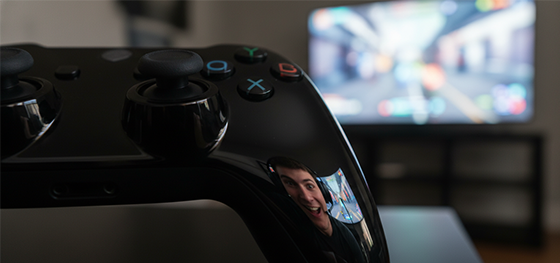
The finish of a plastic part is a perfect replica of the mold's surface. To create a perfectly smooth, glossy part, the mold itself must be polished. This is a highly skilled and labor-intensive art.
The industry uses SPI (Society of the Plastics Industry) standards for this. An SPI A-1 finish is a true diamond polish. It creates a part with a flawless, mirror-like gloss. However, achieving this on a softer aluminum rapid tool is very difficult and often not recommended.
A more realistic and highly achievable goal for rapid tooling is a B-grade finish. The aluminum mold is polished with fine grit paper, removing all tool marks. This creates a part with a very good commercial gloss, perfect for most cosmetic applications, without the extreme cost and limitations of a diamond polish.
Inviting the Touch: Matte and Textured Finishes
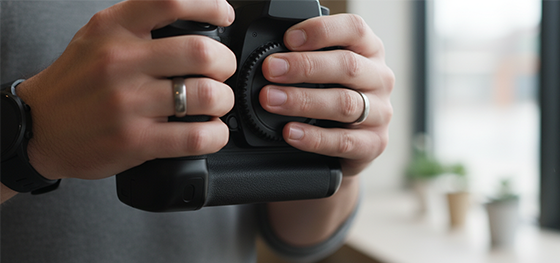
But what if your product's personality is not "shiny"? What if it is understated, professional, and meant to be held? This is the world of textured finishes. And this is where aluminum rapid tools truly excel.
Instead of polishing the mold, we use an abrasive process to give it a uniform, non-reflective texture. SPI C and D grades are created by blasting the mold surface with fine stone powder or sand.
A D-grade finish, from a coarse sandblast, results in a rough, deeply matte surface. It is great for hiding imperfections and for parts where a secure grip is needed.
A C-grade finish uses a finer abrasive. It creates a smoother, more subtle matte finish. This is a very popular choice for professional electronic housings and tools. It feels pleasant to the touch and looks very clean, modern, and honest.
A Language of Precision: VDI Textures
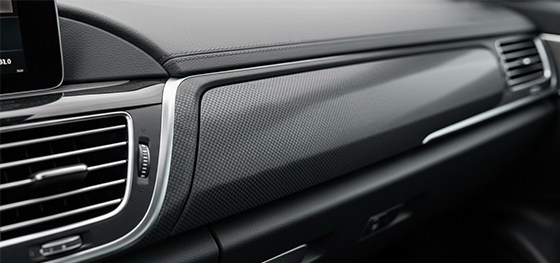
For a more precise and technical texture, many designers turn to the VDI 3400 standard.
VDI is a German standard. Unlike SPI grades, VDI defines a series of very specific, repeatable textures. These are created on the mold using a process called spark erosion, or EDM. This process is perfectly suited to aluminum tooling.
The result is a very uniform, fine-grained matte texture that feels distinctly "engineered" and high-quality. It is extremely durable and excellent at hiding fingerprints and minor scuffs. If you look at the dashboard of a high-quality car, you are almost certainly looking at a VDI texture. It is a fantastic way to give a part a robust, professional character.
Adding Layers of Story: Secondary Operations
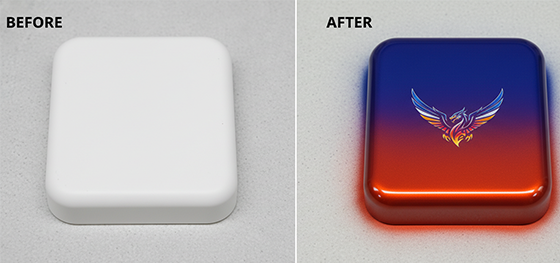
The finish from the mold is not the end of the story. The parts produced by your rapid tool are real injection molded parts. This means they are a perfect canvas for any secondary finishing operations.
Painting is a common option. It allows you to achieve any color imaginable. It also enables special effects like soft-touch coatings that feel velvety, or metallic finishes that mimic real metal.
Pad printing and silkscreening let you print high-resolution logos, text, and graphics directly onto your part. This is where your brand's visual identity comes to life.
Laser etching is another premium option. A laser can be used to precisely engrave logos or serial numbers onto the plastic surface, creating a very durable and high-end mark that can never wear off.
A Dialogue in Texture: Choosing Your Finish

Elegir un acabado superficial es una decisión de diseño crítica con muchas variables. Una imagen en una pantalla nunca puede capturar realmente la sensación de una textura.
Por eso es tan importante trabajar con un buen socio de fabricación. En JUCHENG, no solo te mostramos imágenes. Tenemos placas de textura físicas. Estas son muestras que representan todos los acabados comunes SPI y VDI.
Podemos enviarte estas placas. Esto te permite ver y, lo más importante, sentir las diferentes opciones por ti mismo. Esta experiencia práctica es la única manera de tomar una decisión segura.
Este proceso colaborativo es parte de nuestro compromiso de ser más que un simple proveedor. Somos sus socios en la creación de un producto que no solo funciona perfectamente, sino que también cuenta la historia exacta que desea contar.

