


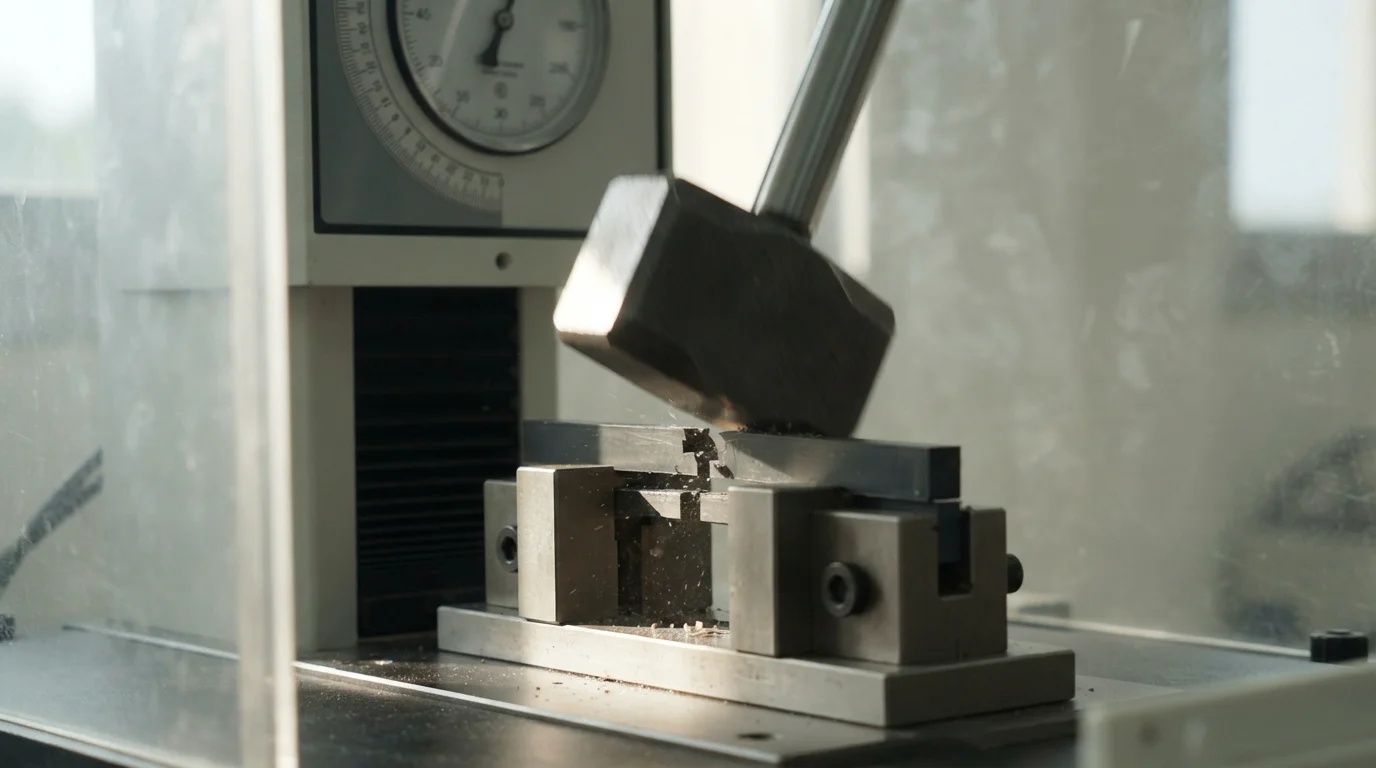
Evaluar los límites de rendimiento mecánico durante el desarrollo de hardware a menudo revela disparidades marcadas entre los conceptos de laboratorio y el hardware desplegado en campo. Mientras que las técnicas aditivas ofrecen una libertad de diseño fenomenal para formas visuales iniciales, las pruebas de carga estructural frecuentemente exponen severas limitaciones mecánicas en polímeros impresos. Examinar la resistencia y durabilidad de la impresión 3D frente al moldeo por inyección resalta por qué los recintos funcionales y las piezas estructurales de alta tensión exigen termoplásticos moldeados genuinos en lugar de fotopolímeros en capas.
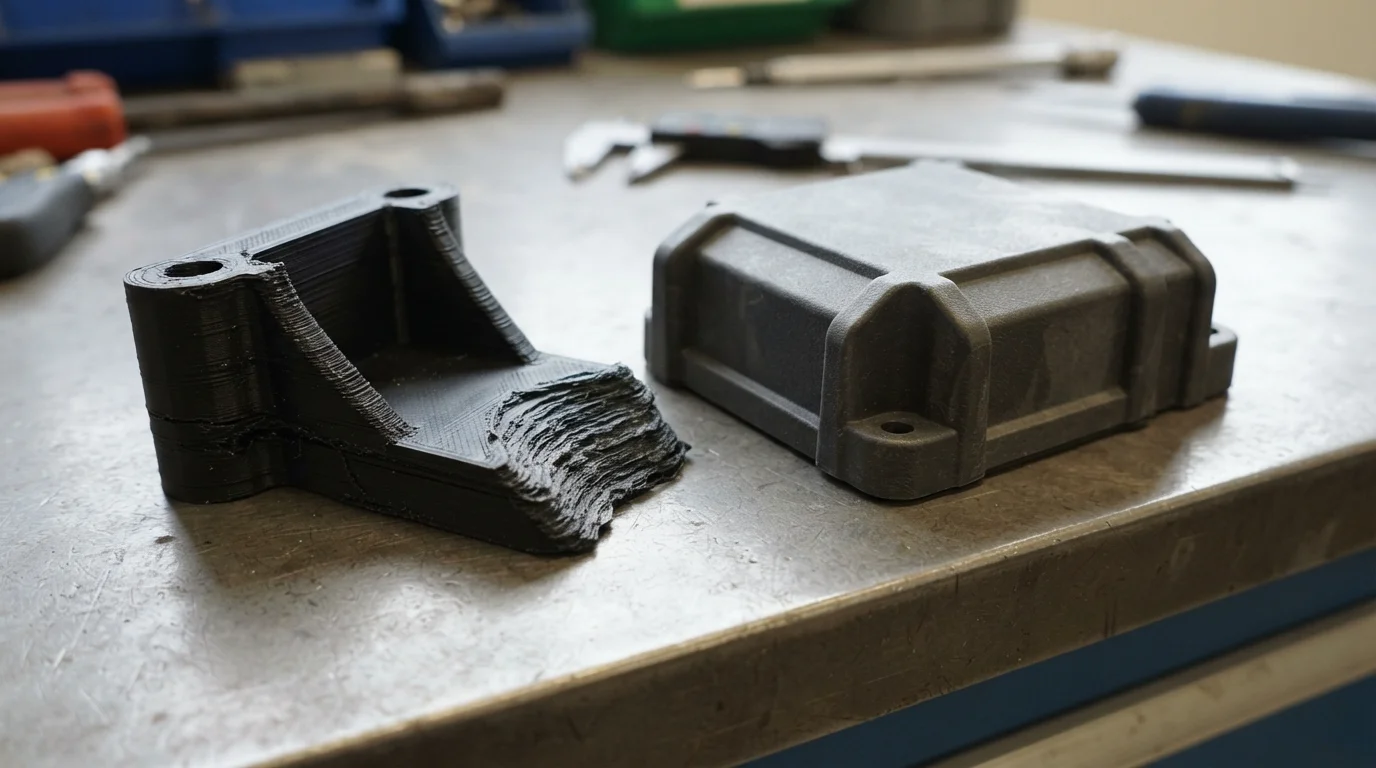
Entender el comportamiento molecular dentro de las comparaciones entre herramientas rápidas e impresión 3D requiere analizar cómo la orientación de las capas y el empaquetamiento de las cadenas de polímeros dictan la supervivencia estructural bajo impacto. Utilizar moldes de inyección modulares permite a los ingenieros procesar resinas de ingeniería de alto rendimiento bajo presiones de sujeción de producción reales. Investiguemos los principios físicos que gobiernan la anisotropía aditiva frente a la resistencia isotrópica moldeada.
Tabla de Contenidos
1. La Física de la Fabricación Aditiva: Debilidades Anisotrópicas
2. Densidad de Cadenas Moleculares: Por Qué el Moldeo por Inyección Gana las Pruebas de Caída
3. Pruebas de Resinas de Ingeniería Reales frente a Fotopolímeros Imprimibles
La Física de la Fabricación Aditiva: Debilidades Anisotrópicas
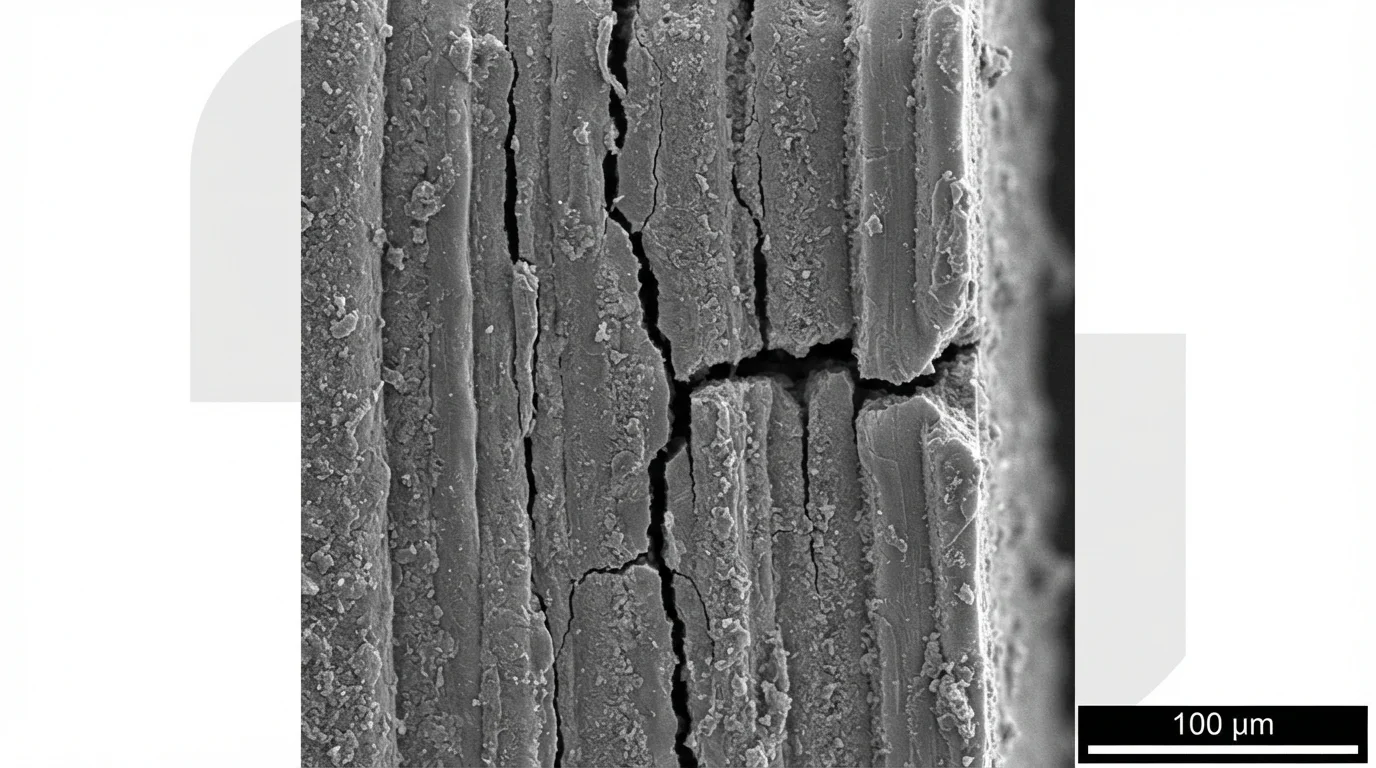
Pregunta: ¿Por qué las piezas estructurales impresas en 3D frecuentemente se fracturan a lo largo del eje Z vertical bajo una carga de tracción mínima? Los procesos aditivos construyen objetos mediante la deposición secuencial de capas, creando límites térmicos microscópicos que carecen de reticulación molecular completa entre los estratos verticales.
Esta variación direccional distintiva significa que un componente impreso puede exhibir una fuerte resistencia a la tracción horizontal mientras permanece notoriamente frágil a lo largo de su eje Z vertical. Cuando los cierres de clip, los cubos de montaje o los brazos estructurales experimentan un par físico multiaxial en el campo, estos límites entre capas actúan como concentradores de tensión naturales que provocan fracturas. Obtener un Servicio de moldeo por inyección elimina la debilidad direccional por completo al forzar las cadenas de polímeros juntas bajo una presión hidráulica inmensa.
Contrastar el comportamiento mecánico entre técnicas de fabricación implica monitorear propiedades estructurales específicas:
| Propiedad Mecánica | Piezas Avanzadas Impresas en 3D | Piezas de moldeo por inyección rápida |
|---|---|---|
| Uniformidad de resistencia a la tracción | Altamente anisotrópico (eje Z débil) | Totalmente isotrópico (resistencia uniforme en múltiples ejes) |
| Absorción de Energía de Impacto | Propenso a la delaminación repentina de capas | Alta resiliencia bajo impactos repetidos de caída |
| Resistencia a la fatiga | Se degrada rápidamente bajo vibración | Soporta millones de ciclos de flexión operativos |
Densidad de cadena molecular: por qué el moldeo por inyección gana las pruebas de caída
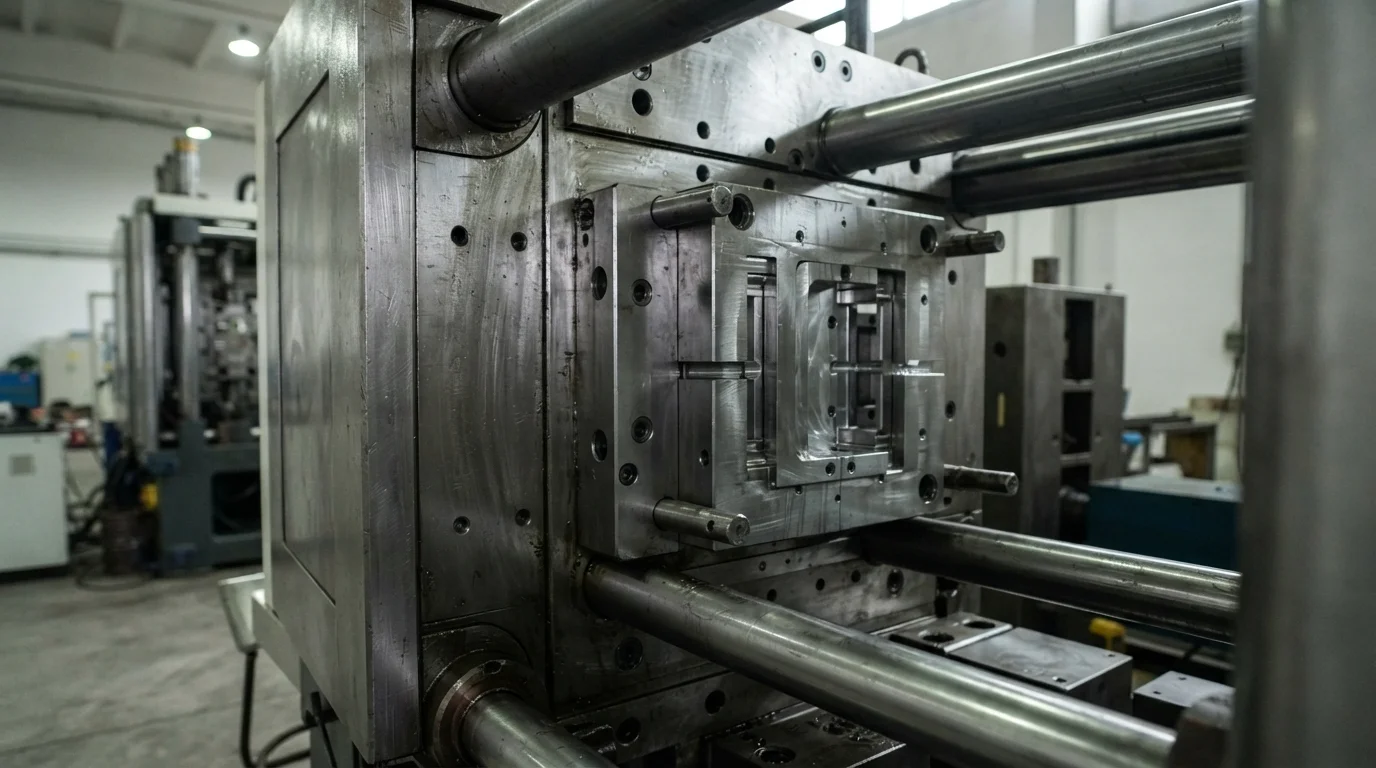
Pregunta: ¿Cómo logra el moldeo por inyección de alta presión una densidad molecular superior en comparación con los fotopolímeros curados por láser? El alto tonelaje de sujeción hidráulica obliga a las moléculas de plástico fundido a una proximidad estrecha, eliminando los vacíos internos y maximizando la cohesión intermolecular.
Cuando una carcasa electrónica de mano o un soporte estructural de robótica se somete a pruebas de caída severas sobre concreto, la densidad molecular interna del material determina si se rompe o absorbe con éxito la onda de choque cinética. Los termoplásticos moldeados por inyección presentan cadenas moleculares densas y altamente entrelazadas que disipan la energía del impacto de manera uniforme en toda la geometría. Utilizando un Servicio de prototipos permite que los grupos de ingeniería comparen las tasas de supervivencia físicas ante caídas entre los modelos impresos iniciales y las muestras moldeadas de puente.
Optimizar el rendimiento estructural ante impactos y garantizar la durabilidad a largo plazo en campo implica seguir pautas técnicas clave:
- Eliminación de microvacíos internos—Las altas presiones de mantenimiento compactan la resina firmemente en las cavidades del molde, evitando la porosidad interna
- Mejorando la resiliencia de los broches de presión—Los pestillos moldeados se doblan repetidamente sin romperse gracias a su alta elongación a la rotura
- Resistiendo el estrés químico—Los polímeros de ingeniería auténticos resisten la degradación por solventes mucho mejor que las resinas imprimibles estándar
Probando resinas de ingeniería reales frente a fotopolímeros imprimibles
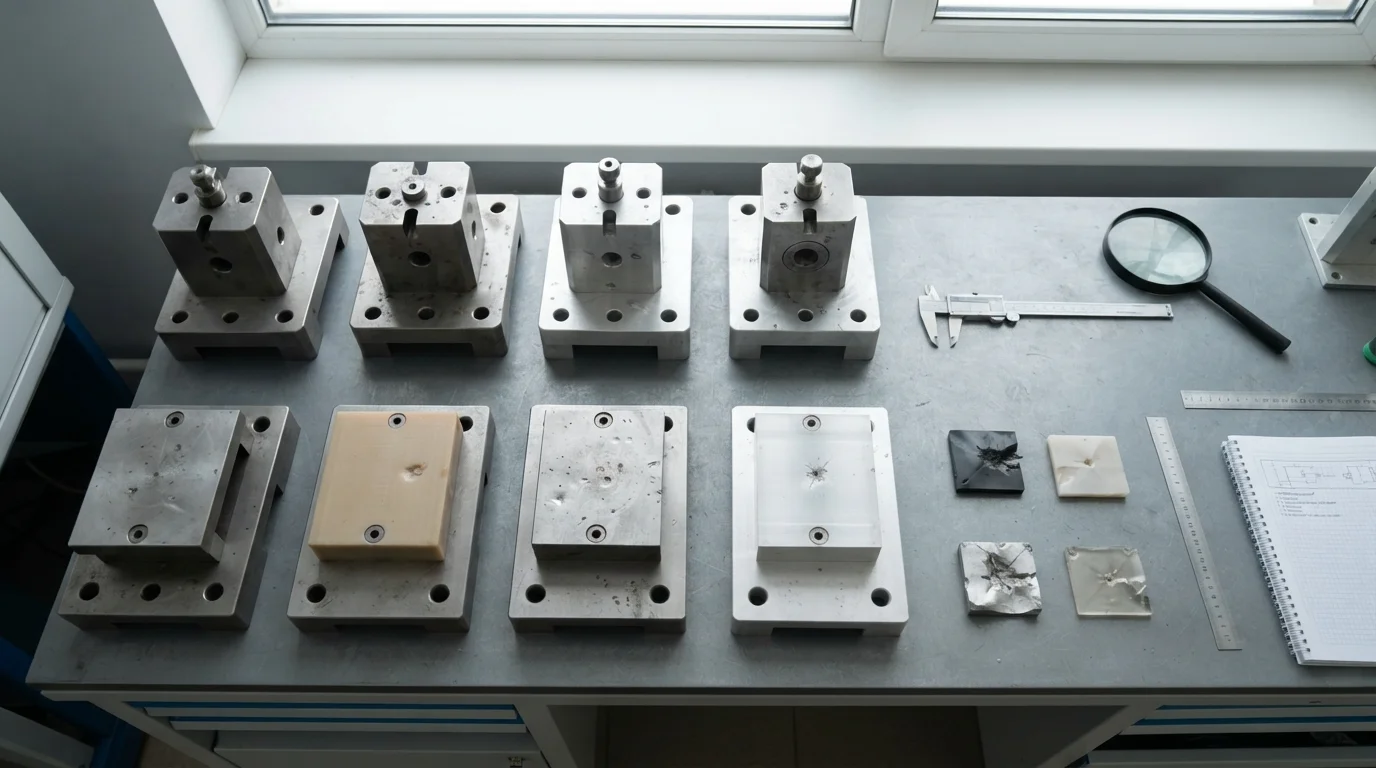
Jucheng Precision apoya a los desarrolladores de hardware entregando DFM gratuito las 24 horas revisiones que evalúan las distribuciones de paredes estructurales, concentraciones de tensión y ubicaciones de compuertas antes del corte de herramientas. Operando con más de 150 máquinas CNC avanzadas junto con más de 35 estaciones de trabajo especializadas en moldeo por inyección, nuestras instalaciones certificadas ISO 9001 garantizan un control de calidad absoluto en cada lote de producción.
Ventajas operativas clave de nuestro marco de fabricación estructural:
- Validación de material auténtico—Probando resinas de alto rendimiento como ABS, Policarbonato (PC), y PEEK en condiciones reales
- Construcción robusta de herramientas puente—Cortando insertos de metal duraderos para apoyar exigentes campañas de pruebas beta
- Sin restricciones de cantidad mínima de pedido—Las políticas sin cantidad mínima de pedido permiten una alineación exacta del inventario con ejecuciones de producción piloto personalizadas
¿Listo para mejorar la resistencia de tu prototipo? Deja que los expertos en moldeo por inyección de Jucheng garanticen tu integridad estructural.
Preguntas Frecuentes (FAQ)
¿Por qué las piezas impresas en 3D se rompen fácilmente a lo largo del eje Z vertical?
La fabricación aditiva construye objetos mediante la deposición secuencial de capas, creando límites térmicos microscópicos y enlaces intermoleculares más débiles a lo largo del eje Z vertical en comparación con el plano horizontal.
¿Cómo logra el moldeo por inyección una durabilidad superior en pruebas de caída?
Las fuerzas de sujeción hidráulicas de alta presión comprimen las cadenas de polímeros en una alta densidad molecular y entrelazamiento, eliminando vacíos internos y permitiendo que la pieza moldeada absorba y disipe eficazmente la energía de impacto.
¿Cómo ayuda Jucheng Precision a garantizar la resistencia de las piezas mecánicas?
Jucheng Precision ofrece revisiones gratuitas de DFM las 24 horas, herramientas rápidas y robustas para metal, y moldeo por inyección de precisión utilizando termoplásticos de ingeniería de alto rendimiento genuinos.

