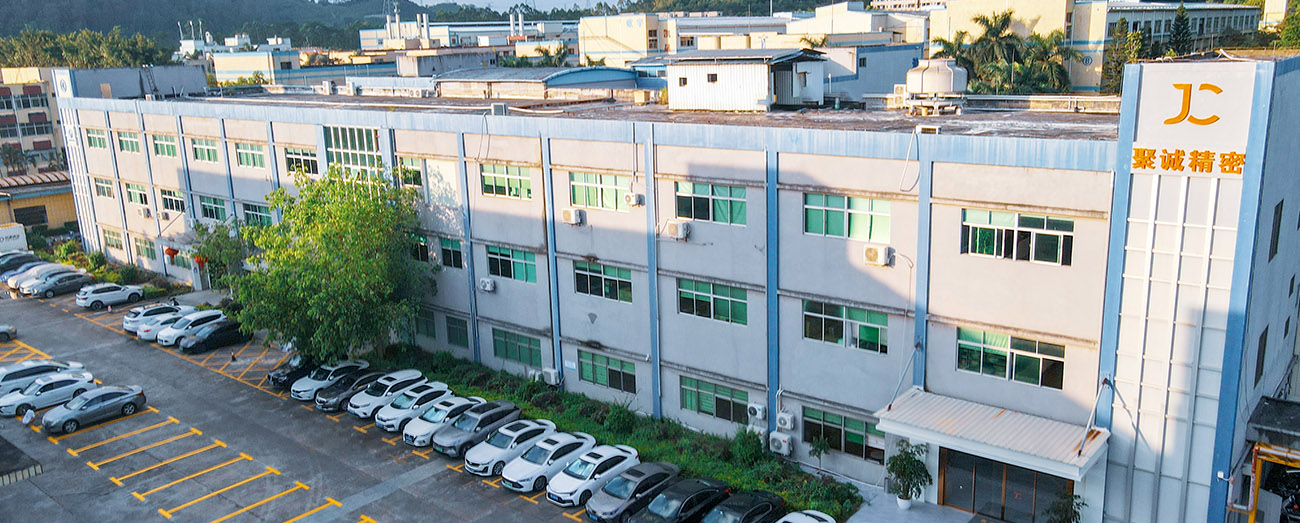
La fuerza de aplastamiento hidrostático representa el juez definitivo de la integridad del hardware de aguas profundas. Cuando un robot submarino autónomo moves into deeper water, external pressure rises. Whether an aluminum, stainless steel or titanium housing is suitable depends on its geometry, material condition, loading and validation; alloy or depth alone does not establish collapse resistance. Strength-to-weight and corrosion resistance are reasons to consider Mecanizado CNC de Titanio para equipos submarinos. Jucheng Precision opera como un santuario metalúrgico de alta fidelidad en el centro de fabricación de precisión de Shenzhen, proporcionando la profundidad de CNC de 5 ejes necesaria para conquistar las aleaciones de titanio más desafiantes. Dentro del marco más amplio de Piezas para AGV y AMR and maritime robotics, pressure hulls and thruster mounts should be assessed and validated for their own loads and intended service.
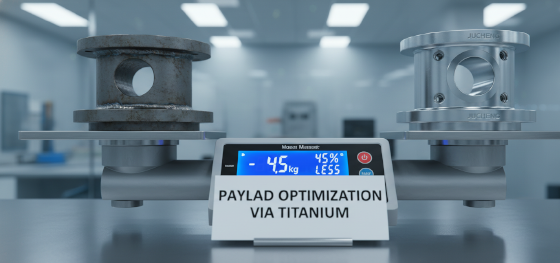
Establishing a resilient deep-sea supply chain in 2026 demands the rejection of "standard-speed" machining logic. Titanium’s low thermal conductivity makes it harder to move heat away from the cutting zone. Tool wear and surface condition depend on the alloy, cutter, engagement, speed and coolant delivery. Jucheng Precision eliminates these "Metallurgical Disasters" by enforcing a strict "Cold-Cut" protocol across our 150+ CNC machine campus. Whether you are developing an ultra-deep sea ROV camera housing or a titanium battery pod, our facility provides the material science and metrological rigor required for global market entry. This guide compares titanium grades, explains heat management during cutting and outlines what to verify for Mecanizado CNC de Titanio para equipos submarinos proyectos para el abismo.
Grado 5 vs. Grado 2: Selección de aleaciones para presión estructural
Guerra Térmica: Gestión del calor en aleaciones no conductoras
Prensasestopas Herméticos: Mecanizado de caras de sellado con tolerancia +/- 0.005 mm
Soberanía de Recubrimiento Cero: Por qué el titanio ignora el ataque del agua salada
Protocolo JUCHENG: Tiodizado y Metrología de Alta Presión
Grado 5 vs. Grado 2: Selección de aleaciones para presión estructural
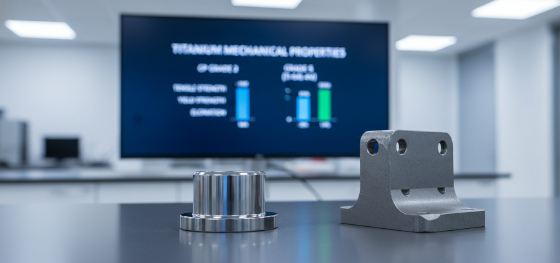
Para Mecanizado CNC de Titanio para equipos submarinos, commercially pure Grade 2 and Grade 5 (Ti-6Al-4V) are different material options. Grade 5 typically offers higher strength than Grade 2, but use the specified product form, section size and material condition for design properties. Titanium has lower density than stainless steel, but finished weight and pressure capability depend on the design. Verify the completed housing for its specified service rather than using a grade name as a pressure rating.
Guerra Térmica: Gestión del calor en aleaciones no conductoras
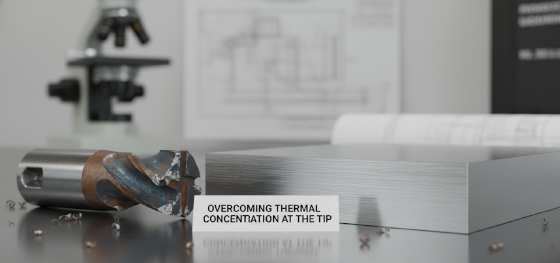
Titanium alloys have relatively low thermal conductivity, so heat can concentrate near the cutting edge. Depending on the operation, mechanical loading, thermal cycling and adhesion or chemical interaction can contribute to edge wear or chipping. There is no fixed fraction of heat entering the tool or universal cutting temperature. Assess tool wear and the machined surface for the actual alloy, cutter, engagement, speed and cooling conditions. Mecanizado CNC de Titanio para equipos submarinos at Jucheng Precision is managed with "Thermodynamic Rigor." We utilize specialized positive-rake cutters and program high-feed toolpaths that physically "Peel" the metal away before the heat can accumulate. Verify bearing-seat and flange dimensions and surface condition against the drawing; a toolpath does not guarantee zero thermal distortion.
Prensasestopas Herméticos: Mecanizado de caras de sellado con tolerancia +/- 0.005 mm
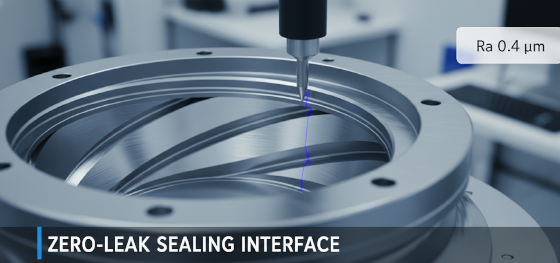
An O-ring gland is one part of the sealing system. Mecanizado CNC de Titanio para equipos submarinos should follow the gland dimensions and finish on the approved drawing. Evaluate the seal compound, squeeze, clearance under load, surface condition and service environment together. No universal finish value proves leak tightness. Jucheng Precision utilizes specialized burnishing passes to achieve an SPI B-1 or mirror finish (Ra < 0.4 µm) on all sealing faces. A specified concentricity tolerance can be checked by inspection, but it does not establish a pressure rating or rule out seal failure. Validate pressure and leak performance on the assembled hardware for the specified service conditions.
Soberanía de Recubrimiento Cero: Por qué el titanio ignora el ataque del agua salada
A passive oxide layer gives titanium useful resistance in many seawater environments. This is not corrosion immunity: assess the exact grade, temperature, crevices and contact with other metals. For Mecanizado CNC de Titanio para equipos submarinos, decide whether protective finishes are needed from the actual service and assembly requirements. Include inspection and maintenance for fouling, seals and dissimilar-metal interfaces as applicable.
Protocolo JUCHENG: Tiodizado y Metrología de Alta Presión
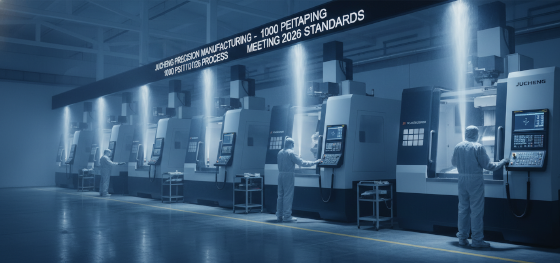
La excelencia en fabricación en Jucheng Precision se basa en la fundación de equipos industriales especializados. Albergamos centros CNC de 5 ejes de élite equipados con sistemas de refrigerante de alta presión a través del husillo (TSC) de 1,000 PSI específicamente para Mecanizado CNC de Titanio para equipos submarinos. Through-tool coolant can help manage heat and clear chips; results depend on delivery to the cutting edge and the actual operation. We provide full material lot traceability and CMM inspection reports for every batch, providing the "Paper Trail of Quality" required for naval and high-stakes research contracts. Stop gambling your abyssal mission on vendors who treat titanium like standard steel. Leverage our decade of high-performance metallurgical mastery to validate rapidly and launch profitably. Contact our technical team today for a free DFM review.
Preguntas frecuentes
P: ¿Por qué se usa titanio Grado 5 para cascos de robots submarinos?
A: Grade 5 is a candidate where strength relative to density matters. Use the applicable specification for the actual material form and condition. Weight, buoyancy and pressure capability depend on the finished assembly, not the grade alone.
P: ¿Cómo evita JUCHENG el "agarrotamiento" en roscas de titanio?
A: We offer specialized Tiodize (Type II Anodize) surface treatments and dry-film lubricants that increase surface lubricity, which can help reduce galling risk. Verify the chosen finish and lubricant with the actual mating materials and assembly conditions.
P: ¿Cuál es el tiempo de entrega para una cápsula de presión de titanio?
R: Utilizando nuestro flujo de trabajo CNC de 5 ejes acelerado, Jucheng Precision puede entregar carcasas de ROV de titanio completamente mecanizadas y probadas en tan solo 12 a 15 días hábiles.