


Aplicaciones de Impresoras 3D en Automóviles: Soluciones de Metal y Nylon
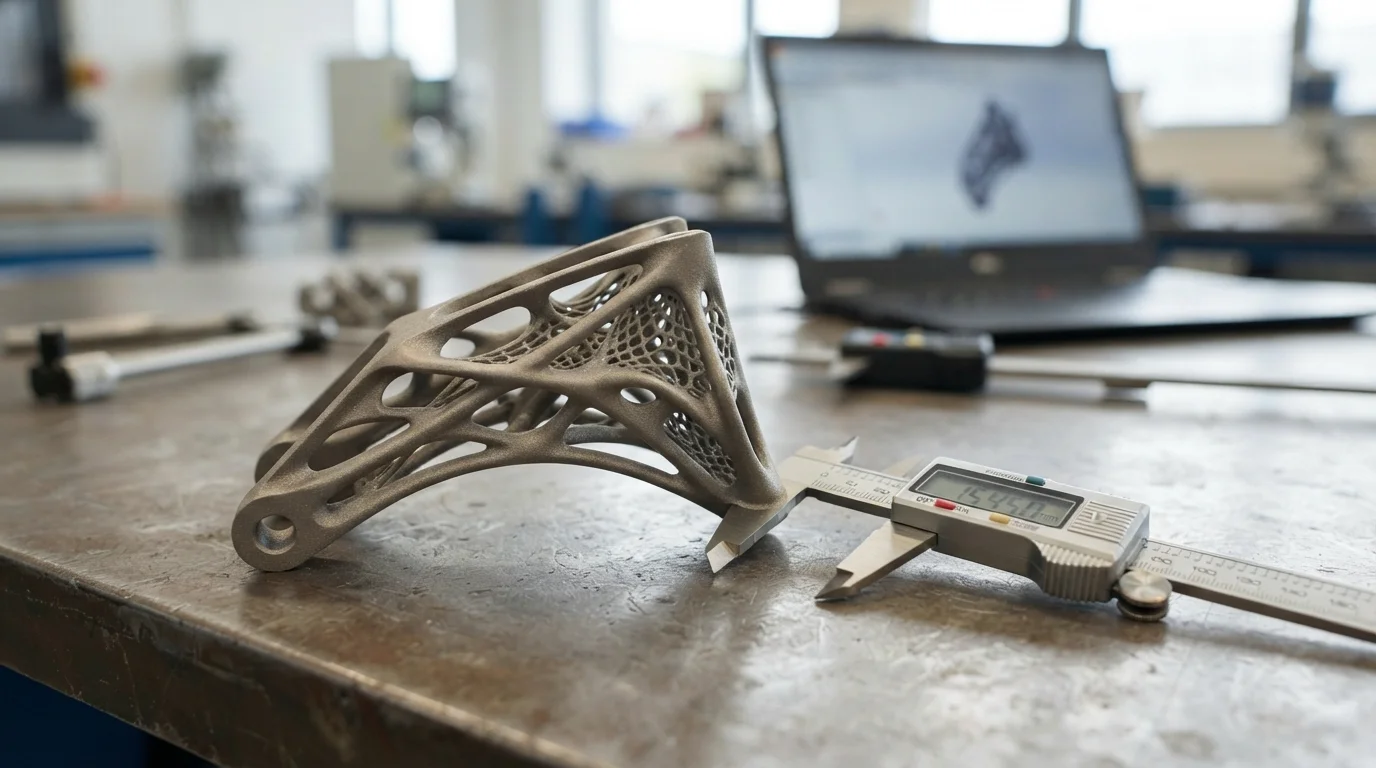
Optimizar los perfiles de peso de los vehículos mientras se empujan los límites de la geometría interna compleja requiere tecnologías de fabricación que desafían las restricciones tradicionales de moldes. Cuando los equipos de ingeniería avanzada desarrollan soportes estructurales optimizados topológicamente y modelos conceptuales de estilo, utilizar un flujo de trabajo de fabricación con impresora 3d para automóviles se convierte en una ventaja competitiva crítica. Sin la fusión selectiva por láser o la fusión de lecho de polvo, fabricar canales de enfriamiento internos y estructuras de celosía dentro de los componentes del vehículo sigue siendo físicamente imposible.
Utilizar un socio de prototipado experimentado asegura que las piezas aditivas avanzadas transicionen sin problemas desde los entornos CAD digitales hasta las pruebas físicas en túnel de viento y térmicas. Examinemos la mecánica de deposición de material y los protocolos de sinterización de polvo que impulsan la ingeniería de vehículos aditiva moderna.
Módulo 1 – Definición y Principios de Funcionamiento de la Fabricación Aditiva
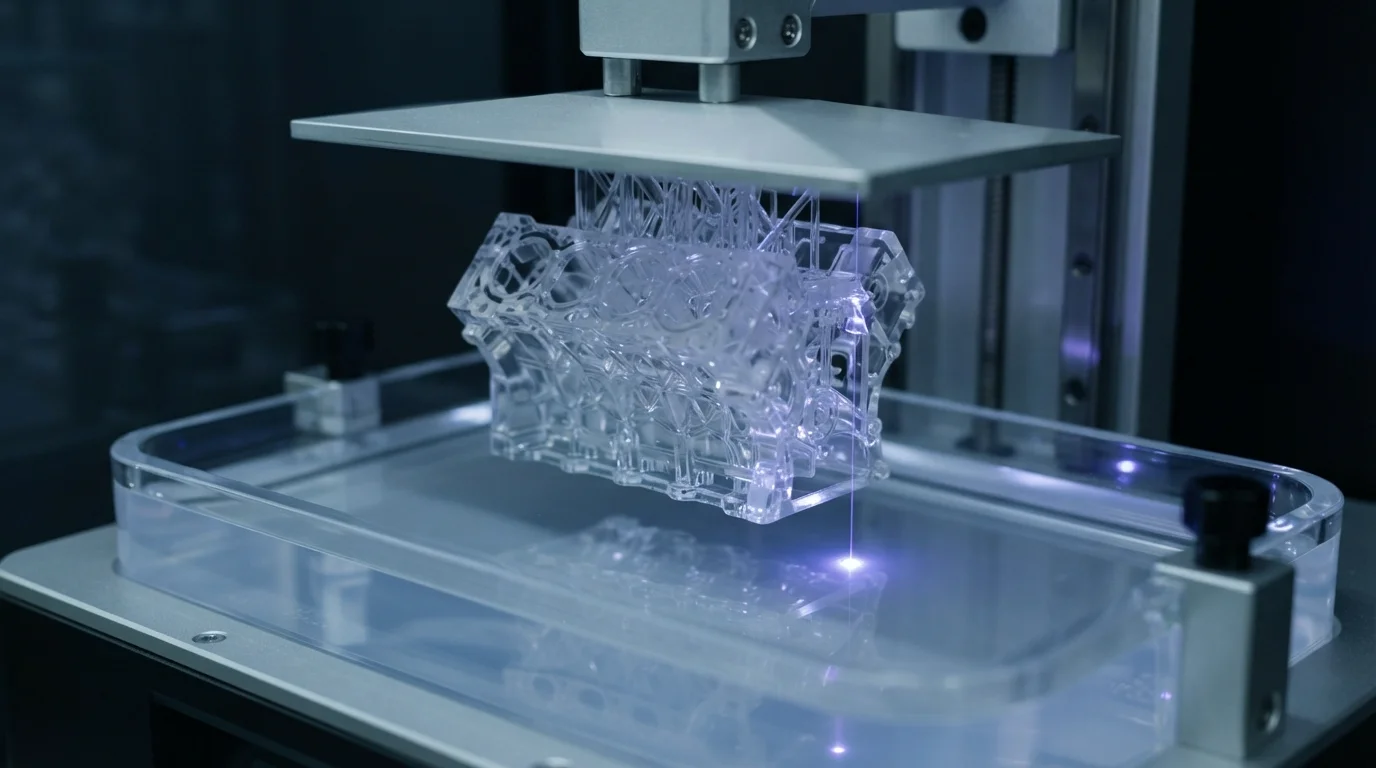
La fabricación aditiva industrial es un método de construcción digital que construye objetos físicos tridimensionales capa por capa a partir de datos CAD computarizados, evitando por completo la necesidad de herramientas de corte físicas o moldes metálicos personalizados. El principio de funcionamiento se basa en láseres ópticos de alta potencia que funden selectivamente polvos metálicos o curan fotopolímeros líquidos rebanada por rebanada. Mientras que los bloques estructurales a menudo se forman mediante mecanizado CNC, las estructuras intrincadas optimizadas topológicamente dependen completamente de técnicas de impresión 3D eficientes.
Para ejecutar flujos de trabajo de fabricación aditiva estructurados en piezas de polímero o metal funcionales, los técnicos podrían seguir estos pasos prácticos:
- Optimización Topológica: Rediseñar componentes digitales para minimizar el peso utilizando estructuras de celosía internas algorítmicas mientras se mantienen las clasificaciones de carga estructural.
- Sinterización / Curado por Láser: Fusiona capas microscópicas de comercialmente puro, inconel, o polvo de nylon dentro de una cámara de construcción calentada e inerte.
- Limpieza posterior al procesamiento: Retire las estructuras de soporte con cuidado mediante alivio de tensiones térmicas, granallado o suavizado con vapor químico.
Módulo 2 – Escenarios de aplicación principales
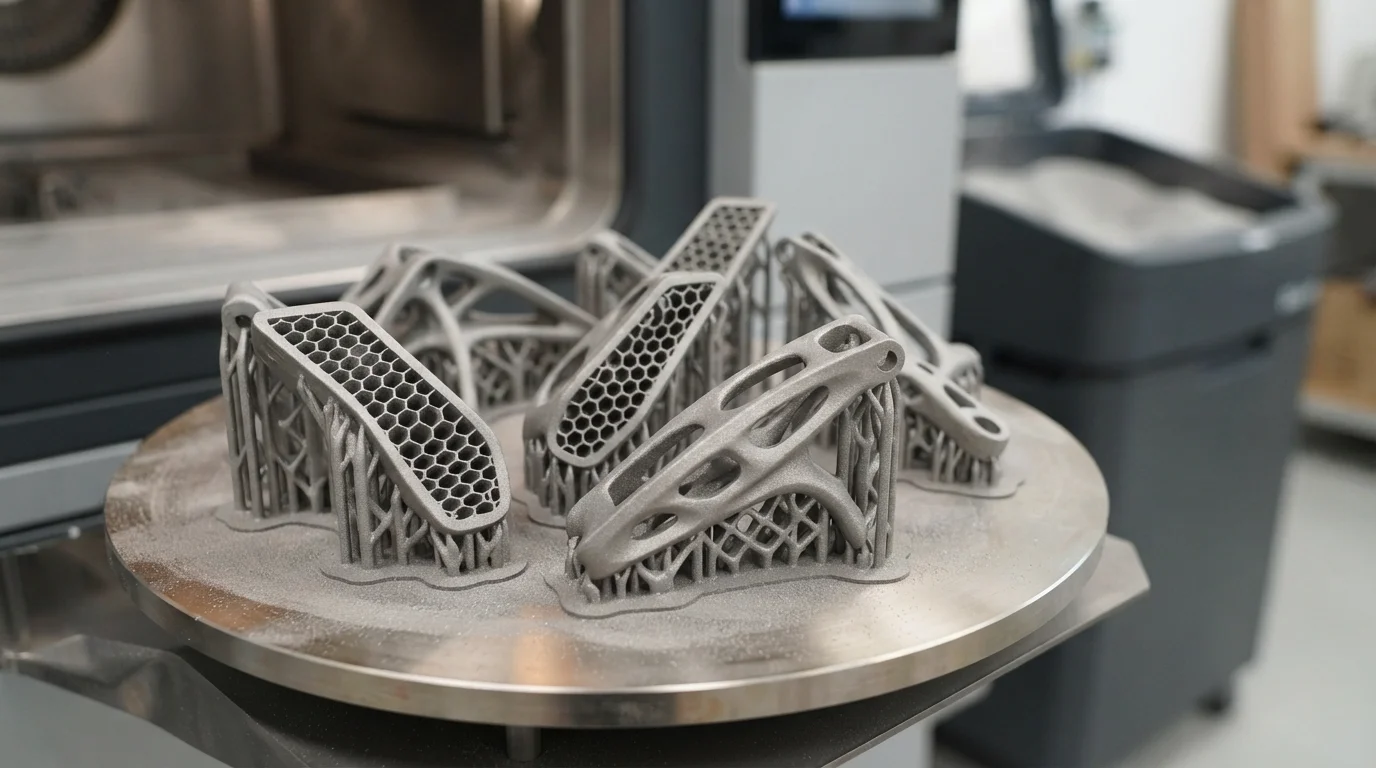
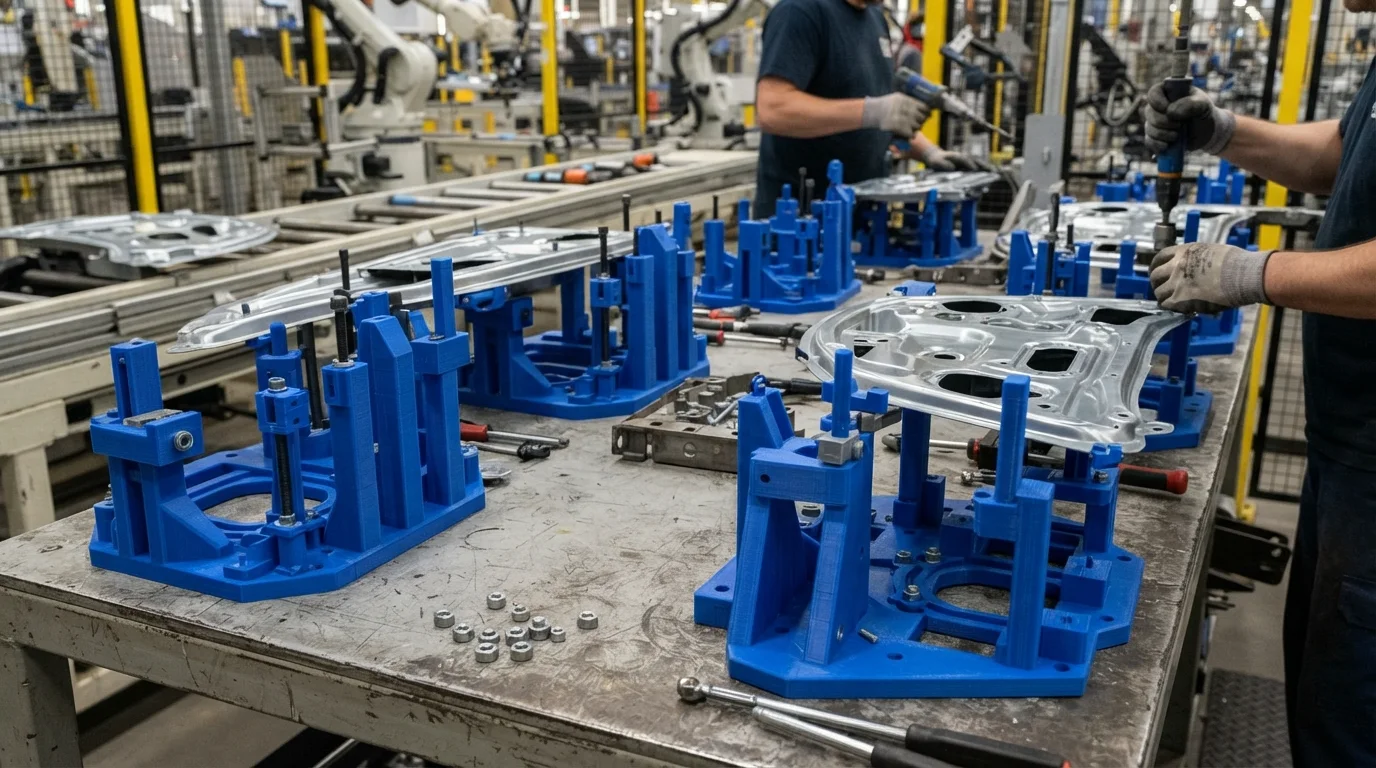
La fabricación aditiva digital es vital en la optimización estructural ligera, la verificación conceptual de estilo y las herramientas de ensamblaje personalizadas donde la libertad geométrica dicta la velocidad de desarrollo. Cuando los equipos de ingeniería construyen componentes funcionales de autos de carrera o accesorios de fábrica personalizados, implementar una impresora 3d para automóviles aplicación industrial resuelve restricciones espaciales críticas. Los comentarios de grupos profesionales de prototipado en Reddit y Facebook indican que la fusión de lecho de polvo es indispensable para plantillas y accesorios de herramientas rápidos.
Los sectores de aplicación principales incluyen:
- Impresión de metal DMLS: Fabricación de soportes de suspensión topológicos ligeros, conductos de turbocompresor y colectores de escape de titanio e inconel.
- Impresión de nailon SLS: Producción de conductos de aire bajo el capó duraderos y funcionales y carcasas de ajuste a presión complejas utilizando nailon de grado de ingeniería (PA12).
- Modelos de resina SLA: Creación de modelos a escala conceptuales de alto detalle, cubiertas de iluminación interior transparentes y patrones maestros para vaciado al vacío.
Módulo 3 – Factores clave de selección para el éxito del proyecto
Al especificar tecnologías aditivas para el prototipado de vehículos, los equipos de ingeniería deben sopesar los umbrales de resistencia mecánica frente a la resolución de superficie y los límites del volumen de construcción. Evaluar estos parámetros centrales garantiza que sus piezas logren un rendimiento funcional real.
| Tecnología aditiva | Material primario utilizado | Beneficio automotriz principal |
|---|---|---|
| DMLS / SLM Metal | Titanio, Inconel, Polvo de aluminio | Soportes estructurales de alta tensión, canales de enfriamiento internos |
| Polvo de polímero SLS | Nylon de ingeniería (PA12 / PA11) | Conductos de aire funcionales y resistentes y carcasas de ajuste a presión |
| Fotopolímero SLA | Resinas líquidas a base de epoxi | Detalle de superficie excepcional para modelos de estilo y lentes |
Módulo 4 – Consejos de instalación y mantenimiento
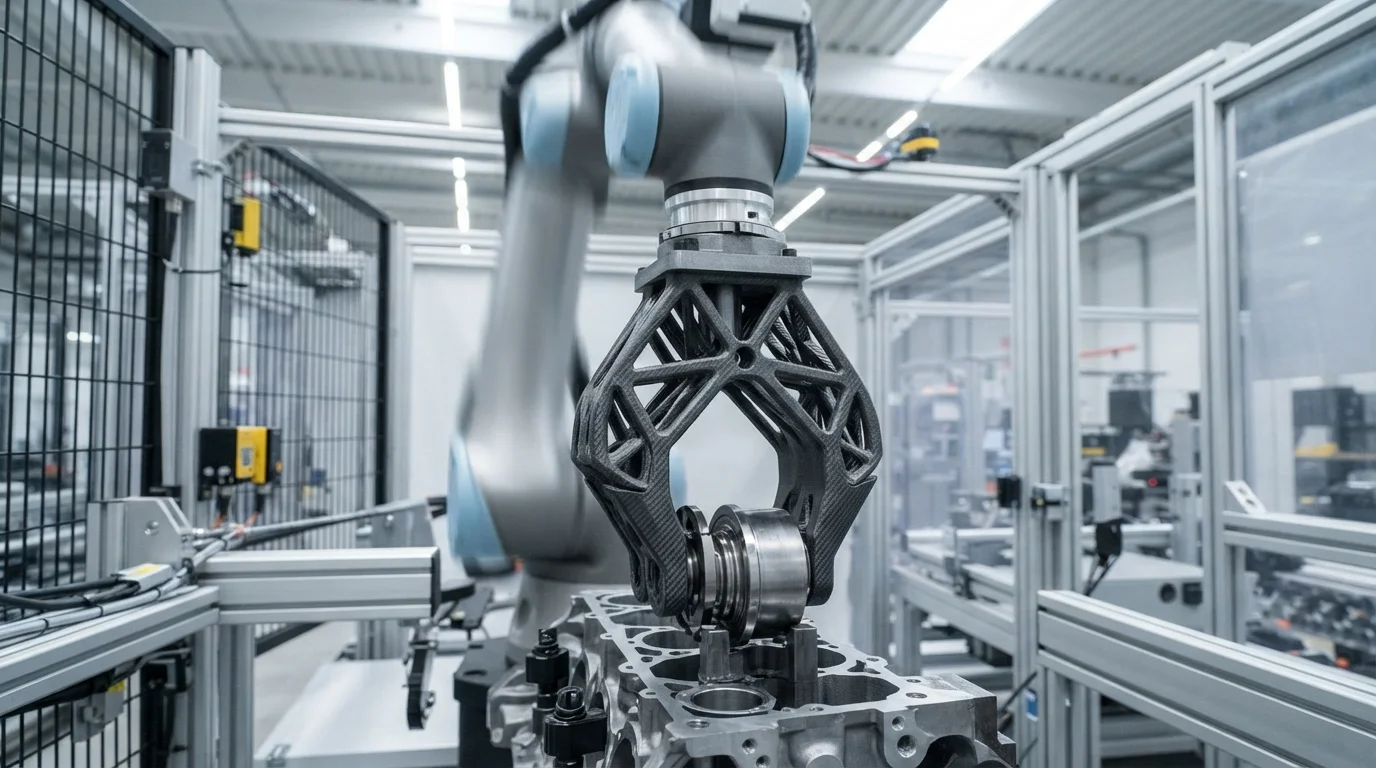
El manejo adecuado posterior a la construcción y el mantenimiento rutinario del equipo salvaguardan la precisión de la fabricación aditiva en proyectos de prototipado activo. Proteger los conjuntos ópticos láser y las plataformas de impresión garantiza una fiabilidad operativa a largo plazo.
Los consejos clave de instalación y mantenimiento incluyen:
- Protocolos de tamizado de polvo: Tamice los polvos de metal o nylon no utilizados a través de filtros de malla calibrados antes de reciclarlos en las tolvas de construcción.
- Limpieza de la ventana óptica: Limpie regularmente los espejos galvo del láser de protección con tejidos de grado óptico con solvente para evitar la dispersión del haz.
- Recocido de alivio de tensiones: Heat-treat DMLS metal components prior to support removal to prevent thermal warping.
Módulo 5 – Preguntas frecuentes (FAQ)
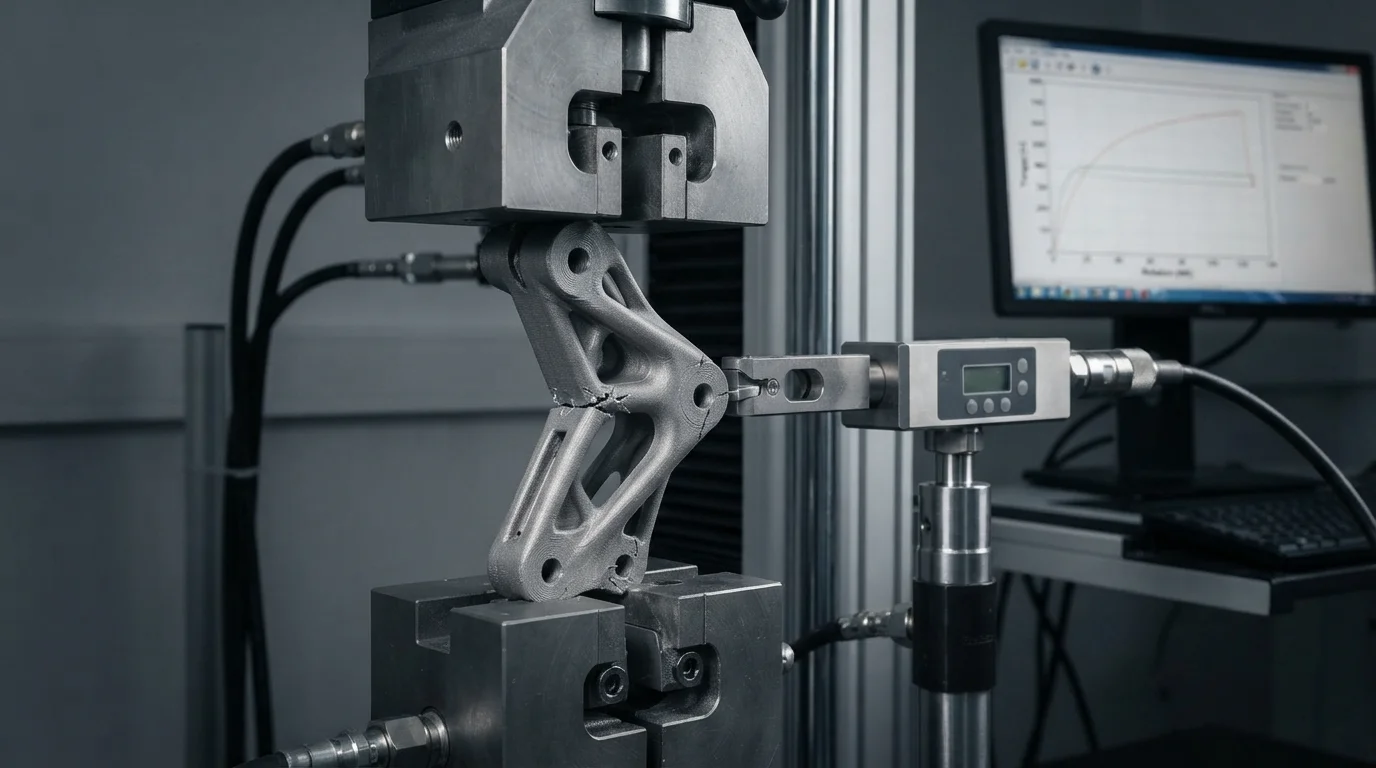
1. What automotive applications are best suited for metal 3D printing?
Metal 3D printing excels in producing topology-optimized titanium brackets, complex internal cooling channels, and low-volume high-stress structural components.
2. How does SLS nylon printing differ from SLA resin printing?
SLS sinters durable nylon powder to create tough, functional snap-fit parts, whereas SLA cures liquid resin with lasers to achieve high-detail cosmetic models.
3. Can 3D printers create custom assembly jigs and fixtures for car factories?
Yes, SLS and FDM printers are heavily utilized to fabricate lightweight ergonomic assembly jigs, welding alignment fixtures, and positioning templates.
4. Do 3D-printed metal parts require post-processing heat treatment?
Yes, DMLS printed metal parts typically undergo stress-relief annealing in a vacuum furnace to relieve internal thermal gradients prior to support removal.
5. What is the typical lead time for functional automotive 3D prints?
Depending on part volume and geometry complexity, functional prototype batches are typically built and shipped within 2 to 5 business days.
6. How does Jucheng Precision support automotive 3D printing programs?
Jucheng Precision provides industrial SLS, SLA, and DMLS additive manufacturing services alongside 24-hour free DFM reviews under strict ISO quality controls.
Módulo 6 – Por qué elegir JUCHENG para su proyecto
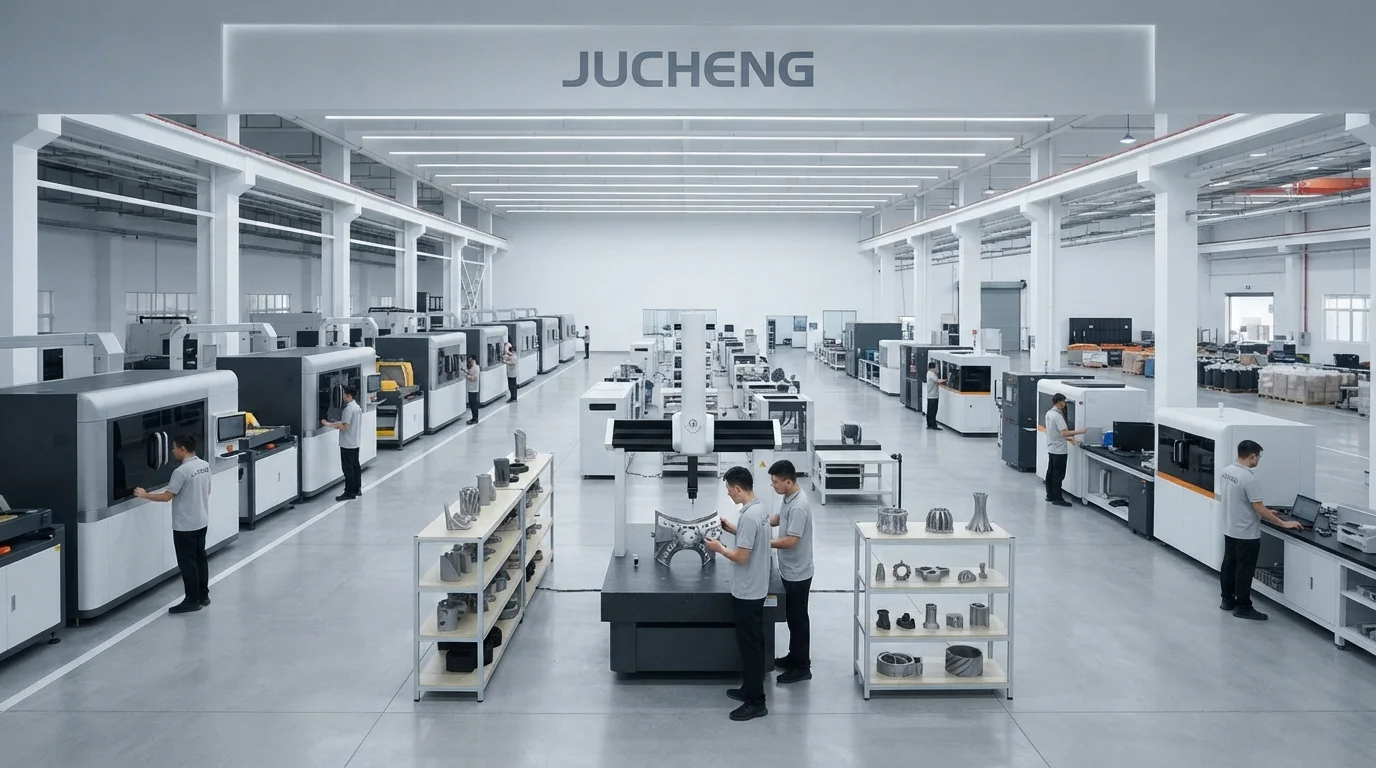
Achieving uncompromising manufacturing innovation requires an experienced production partner. JUCHENG apoya a los innovadores de hardware entregando revisiones integrales DFM gratuito las 24 horas reviews that analyze support structures, wall distributions, and build orientations prior to printing. Founded in Shenzhen in 2012 with an 8,000-square-meter facility in Dongguan, our factory houses 150+ advanced machines, including industrial additive manufacturing rooms and multi-axis milling centers.
Backed by ISO 9001, ISO 14001, ISO 13485, and IATF 16949 certifications, our engineering teams ensure that utilizing an advanced impresora 3d para automóviles workflow achieves structural precision and absolute delivery reliability.
Ready to Accelerate Your Automotive Additive Manufacturing?
Suba sus modelos 3D hoy mismo para recibir comentarios instantáneos, precios competitivos y análisis DFM profesional de nuestros experimentados expertos en ingeniería. ¡Permita que JUCHENG dé vida a sus diseños complejos con velocidad y fiabilidad inigualables!
Obtenga su cotización instantánea gratuita y comentarios DFM

