


Automotive Reaction Injection Molding (RIM): Large Panels
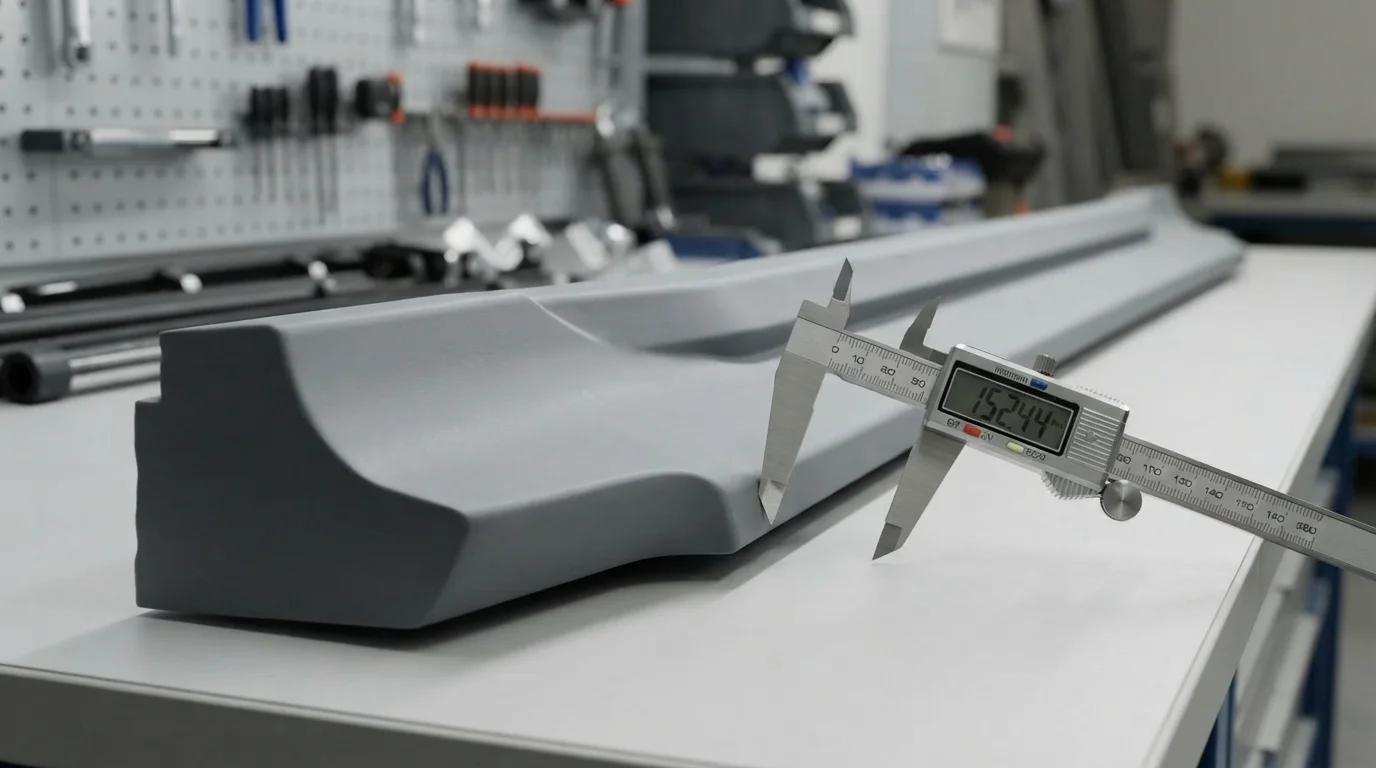
Fabricating large-format vehicle exterior body panels, aerodynamic bumpers, and commercial truck skirts during early prototype development usually triggers massive financial roadblocks. When automotive designers attempt to build expansive exterior components using standard steel dies, multi-million-dollar tooling budgets instantly stall project approval. Implementing specialized automotive reaction injection molding solves this economic dilemma by utilizing low-pressure chemistry to form massive polymeric structures without astronomical tooling outlays. Without this bridge technique, low-rate initial production of oversized body shells remains economically impossible.
Utilizing an experienced rapid prototyping partner ensures that oversized polyurethane (PU) components transition smoothly from digital CAD environments into wind-tunnel and road validation phases. Let us examine the chemical mixing mechanics and low-pressure processing protocols that drive large-format additive manufacturing alternatives.
Module 1 – Definition and Working Principles of Reactive Liquid Casting
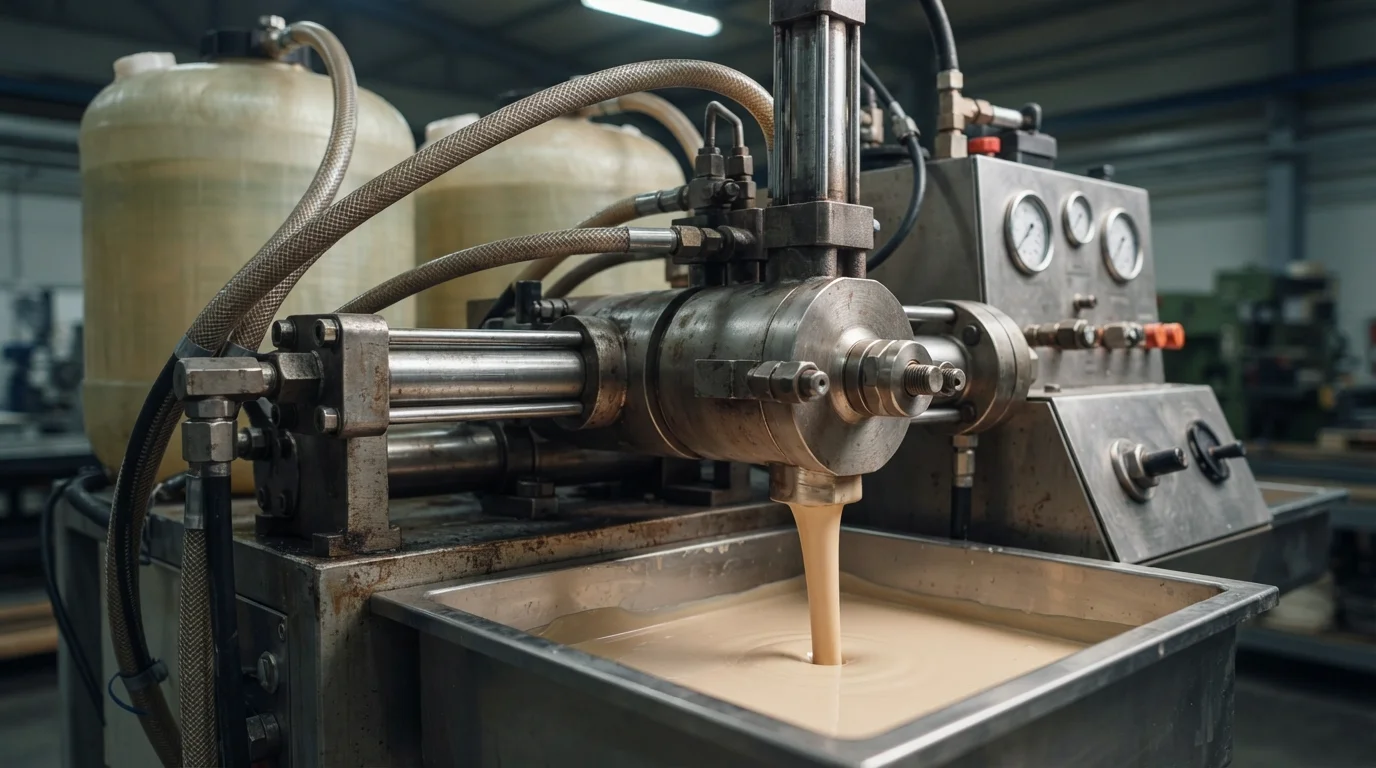
Reaction Injection Molding (RIM) is a specialized low-pressure polymer formation method that injects two liquid reactive components—typically polyol and isocyanate—into a closed mold where they react and polymerize rapidly. The working principle relies on high-speed impingement mixing heads blending liquid streams right before they enter the tool cavity, producing lightweight, high-impact cellular or solid parts. While heavy structural components are often shaped via standard press molding, large body panels rely entirely on efficient reaction injection molding techniques.
To execute structured RIM workflows on oversized automotive panels, technicians could follow these practical steps:
- Component Pre-Mixing: Condition liquid polyol and isocyanate reactants inside temperature-controlled tanks to achieve optimal viscosity.
- High-Speed Impingement: Blend reactive streams at high pressure inside the mixing head just prior to low-pressure cavity entry.
- Exothermic Curing: Allow the liquid mixture to expand and cure via internal chemical exotherm inside lightweight epoxy or aluminum tools.
Módulo 2 – Escenarios de aplicación principales
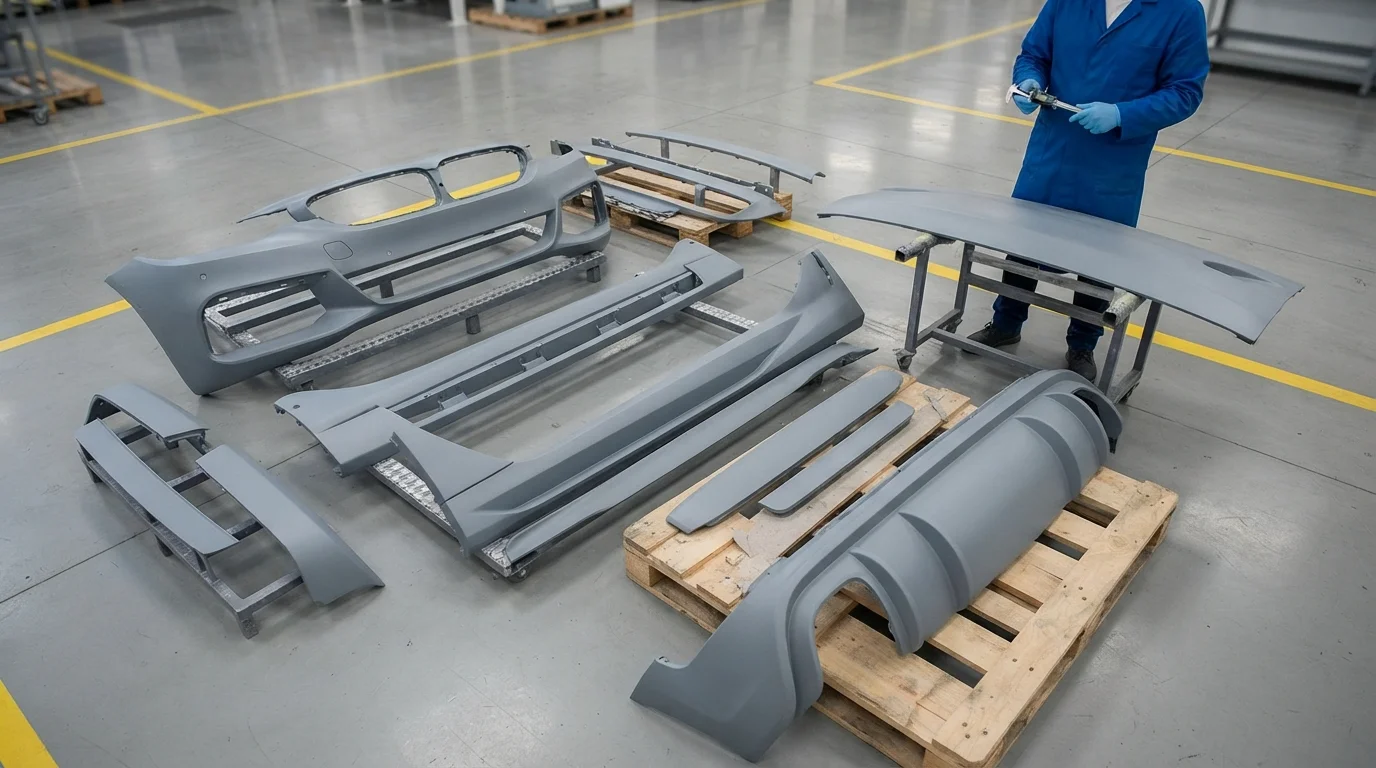
Low-pressure reactive casting is vital across exterior aerodynamics, commercial vehicle body shells, and specialty electric vehicle panels where massive part dimensions make traditional injection molding cost-prohibitive. When engineering teams build full-scale prototype fascias, deploying specialized automotive reaction injection molding solves critical spatial and budgetary constraints. Feedback from professional prototyping groups on Reddit and Facebook indicates that RIM polyurethane is unsurpassed for large-format body kits.
Los sectores de aplicación principales incluyen:
- Exterior Aerodynamics: Molding full-scale front bumper fascias, rear diffusers, and aerodynamic side skirts for test vehicles.
- Commercial Vehicles: Fabricating heavy-duty truck fenders, bus front ends, and specialized specialty EV body shells.
- Specialty Enclosures: Constructing oversized protective machinery cowlings requiring high flexural strength and impact defense.
Módulo 3 – Factores clave de selección para el éxito del proyecto
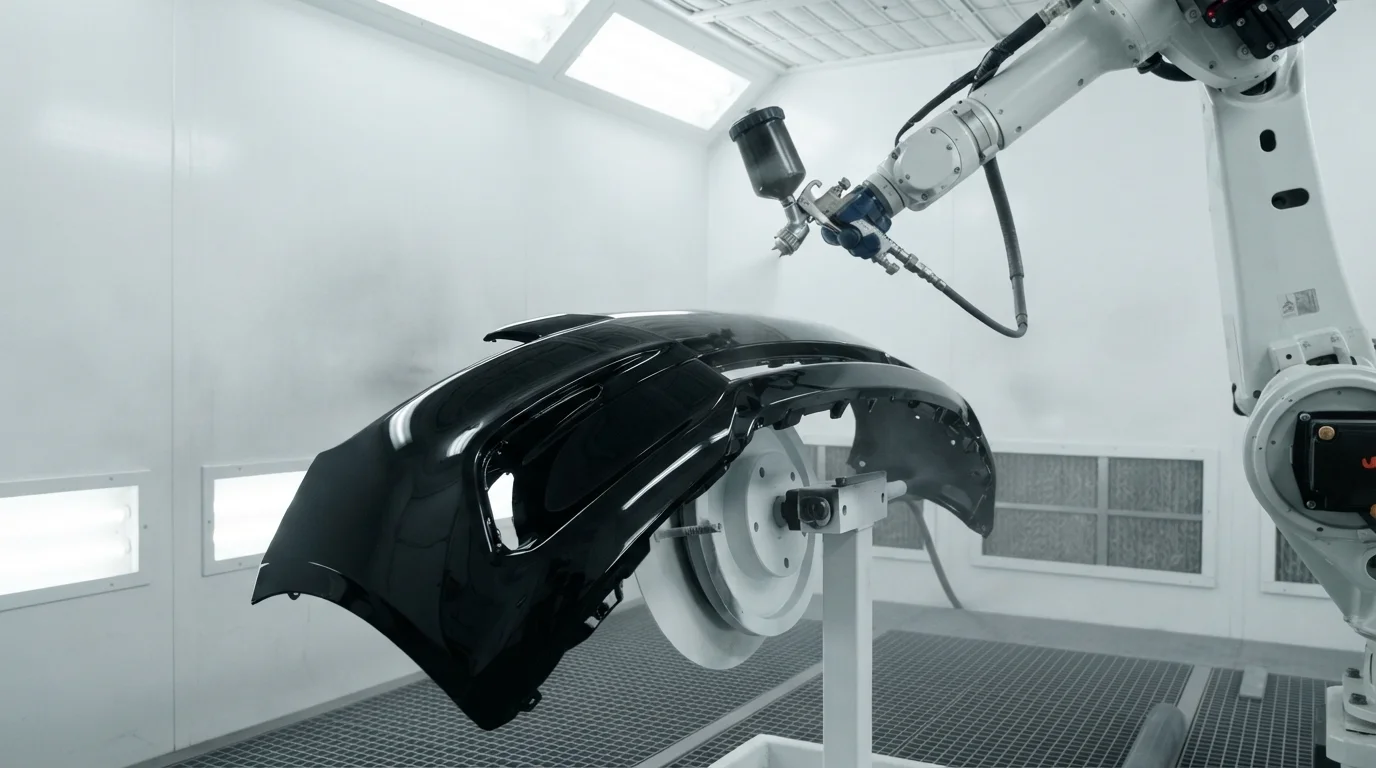
When specifying low-pressure polyurethane panels for vehicle testing, engineering teams must weigh material density choices, Class-A painting preparation, and low-cost tooling durability. Evaluating these core parameters ensures your large-format parts achieve production-grade styling.
| RIM Polyurethane Grade | Mechanical Characteristic | Aplicación Principal Automotriz |
|---|---|---|
| Unfilled Solid Polyurethane | High flexural modulus, superior impact resistance | Bumper fascias, body panels, exterior aerodynamic skirts |
| Structural Foam Polyurethane | Low density core with solid skin, lightweight | Large interior trim panels, thick acoustic cowlings |
| Glass-Reinforced RIM | Enhanced stiffness, minimal thermal expansion | Commercial vehicle hoods, large structural cowlings |
Módulo 4 – Consejos de instalación y mantenimiento
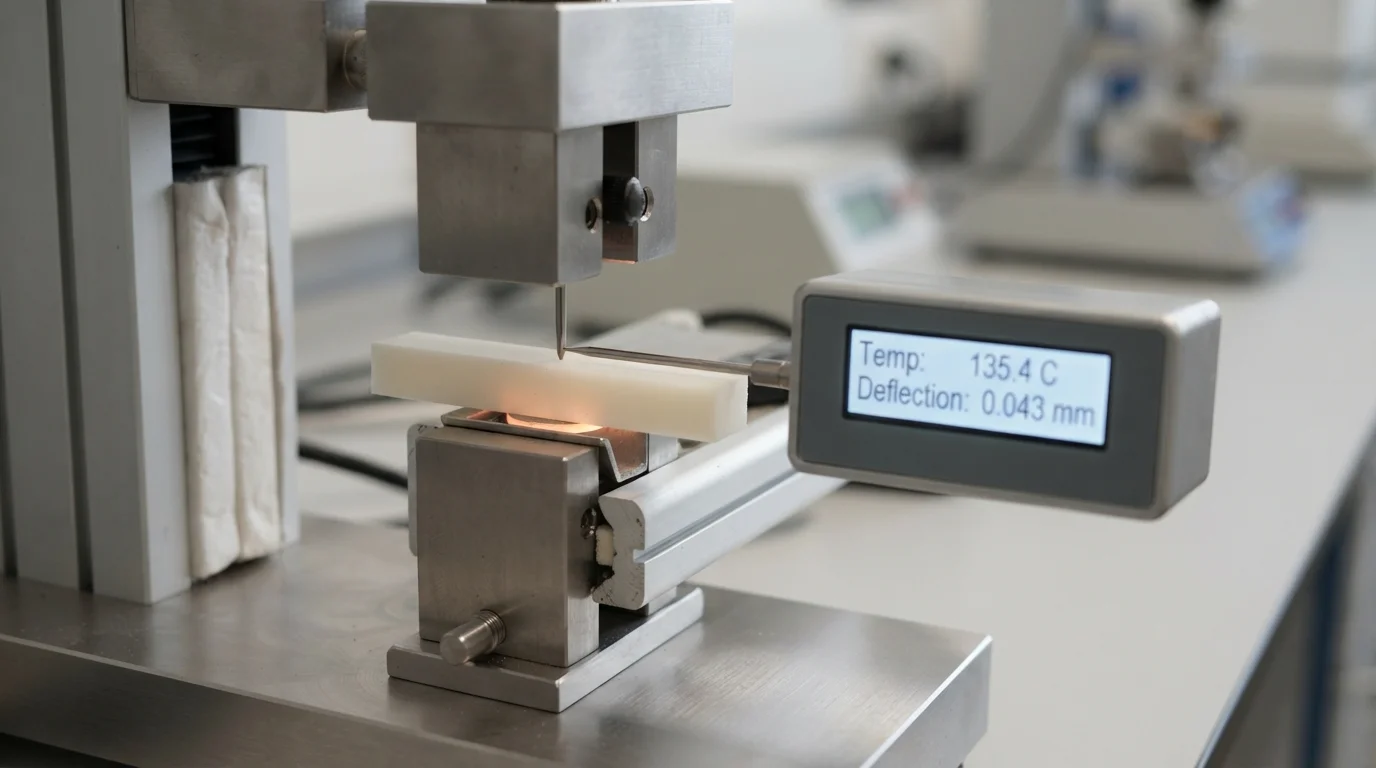
Proper shop-floor handling and routine post-cure conditioning safeguard large polyurethane panels across active vehicle prototype testing stages. Protecting flexible body fascia from warping during storage ensures long-term fitment alignment.
Los consejos clave de instalación y mantenimiento incluyen:
- Post-Curado Térmico: Bake molded polyurethane panels inside controlled ovens to complete cross-linking and stabilize dimensions.
- Support Fixtures: Store oversized bumper fascias on contoured contour racks to prevent gravitational sagging prior to mounting.
- Surface Priming: Apply flexible plastic primers before painting to guarantee permanent topcoat adhesion on elastomer surfaces.
Módulo 5 – Preguntas frecuentes (FAQ)
1. Why is reaction injection molding ideal for large automotive body panels?
RIM utilizes low-pressure chemistry and inexpensive tooling materials, allowing massive exterior body panels and bumpers to be prototyped without multi-million-dollar steel dies.
2. What materials are used in automotive reaction injection molding?
Polyurethane (PU) systems, including solid elastomers and structural foams, are heavily utilized due to their exceptional impact resistance and flexibility.
3. Can RIM-molded polyurethane parts achieve Class-A automotive surface finishes?
Yes, with proper surface priming and high-gloss polyurethane painting in dust-free cleanrooms, RIM parts achieve flawless Class-A visual aesthetics.
4. How does RIM tooling cost compare to traditional steel injection molds?
RIM tooling is drastically cheaper because low-pressure liquid casting does not require heavy-duty hardened steel or massive press clamp tonnages.
5. What types of automotive parts are commonly produced via RIM?
Common parts include front bumper fascias, rear diffusers, side skirts, spoiler extensions, and commercial vehicle body cowlings.
6. How does Jucheng Precision support automotive RIM prototyping?
Jucheng Precision provides rapid RIM casting, expert DFM analysis, and Class-A cleanroom painting under strict ISO quality controls.
Módulo 6 – Por qué elegir JUCHENG para su proyecto
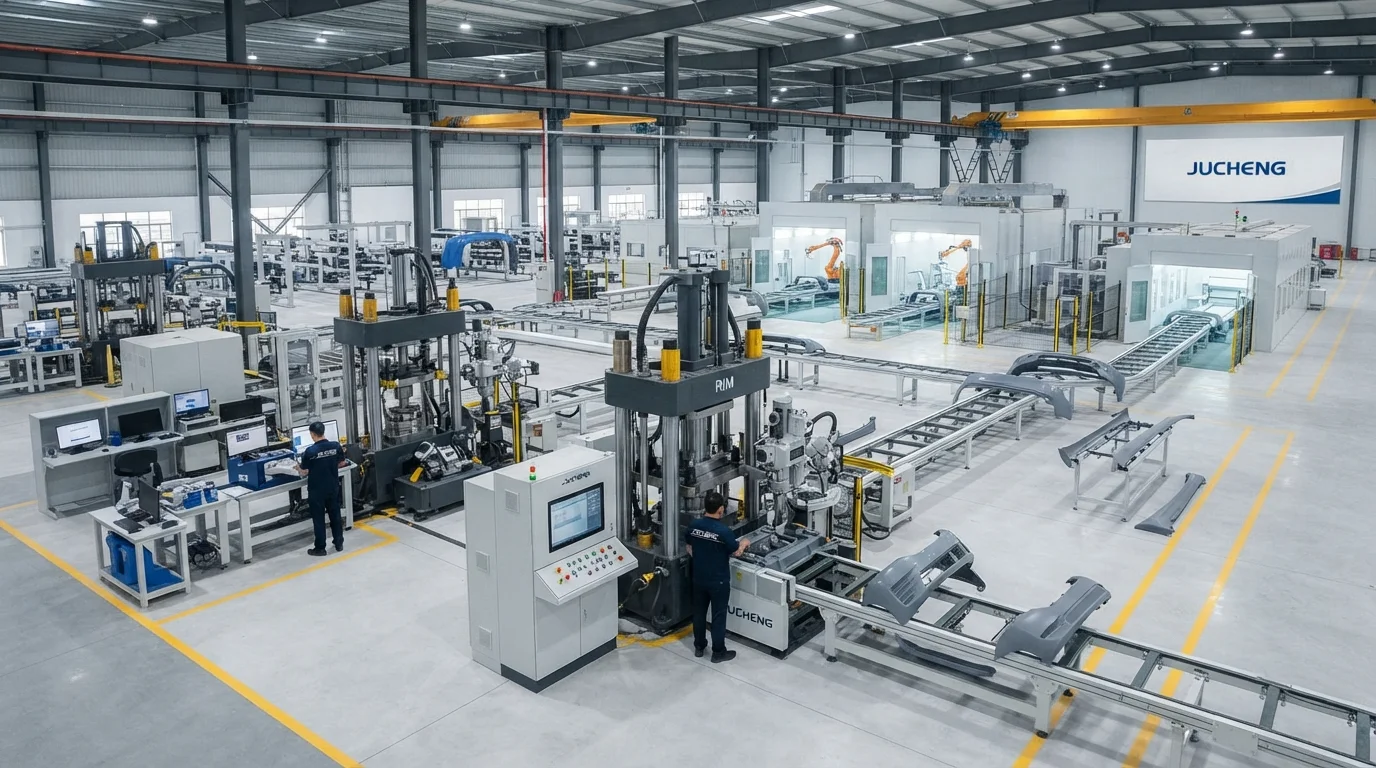
Executing large-format exterior prototyping requires an experienced manufacturing partner with specialized low-pressure casting infrastructure. JUCHENG apoya a los innovadores de hardware entregando revisiones integrales DFM gratuito las 24 horas reviews that analyze chemical mix ratios, wall distributions, and draft angles prior to production. Founded in Shenzhen in 2012 with an 8,000-square-meter facility in Dongguan, our factory houses 150+ advanced machines, including dedicated large-format RIM cells and cleanroom painting lines.
Respaldados por las certificaciones ISO 9001, ISO 14001, ISO 13485 e IATF 16949, nuestros equipos de ingeniería garantizan que la ejecución de programas de alto rendimiento automotive reaction injection molding los programas logran precisión estructural y fiabilidad absoluta en la entrega.
Ready to Prototype Your Large Automotive Panels via RIM?
Suba sus modelos 3D hoy mismo para recibir comentarios instantáneos, precios competitivos y análisis DFM profesional de nuestros experimentados expertos en ingeniería. ¡Permita que JUCHENG dé vida a sus diseños complejos con velocidad y fiabilidad inigualables!
Obtenga su cotización instantánea gratuita y comentarios DFM

