


Aerospace Manufacturing Pros and Cons: Comparing CNC, DMLS, and Sheet Metal
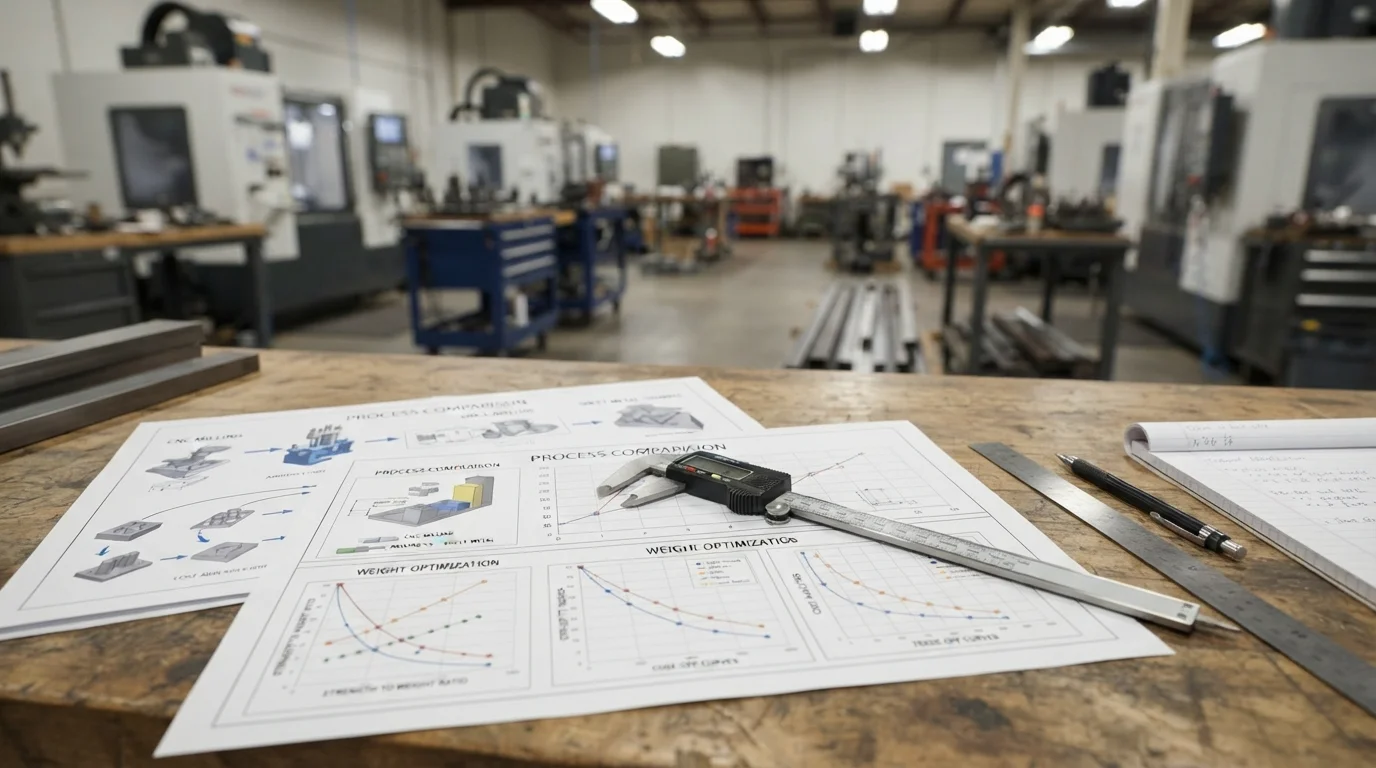
Selecting the optimal production pathway for commercial aviation and space exploration programs requires balancing structural grain density, geometric freedom, buy-to-fly material scrap ratios, and non-recurring engineering lead times. When aerospace engineering leads formulate New Product Introduction roadmaps, conducting an objective evaluation of aerospace manufacturing pros and cons across subtractive, formative, and additive processes is essential. Choosing an incompatible manufacturing method can result in excessive piece-part costs, micro-porosity risks, or unachievable dimensional tolerances.
Utilizing an experienced contract manufacturing partner ensures that structural AL7075-T6 aluminum spar caps, forged titanium (Ti-6Al-4V Grade 5) fittings, and heat-resistant Inconel 718 brackets transition smoothly into flight-ready hardware. Let us examine the mechanical advantages, financial trade-offs, and technical boundaries governing modern aerospace manufacturing.
Module 1 – Definition and Working Principles of Multi-Process Trade-Offs
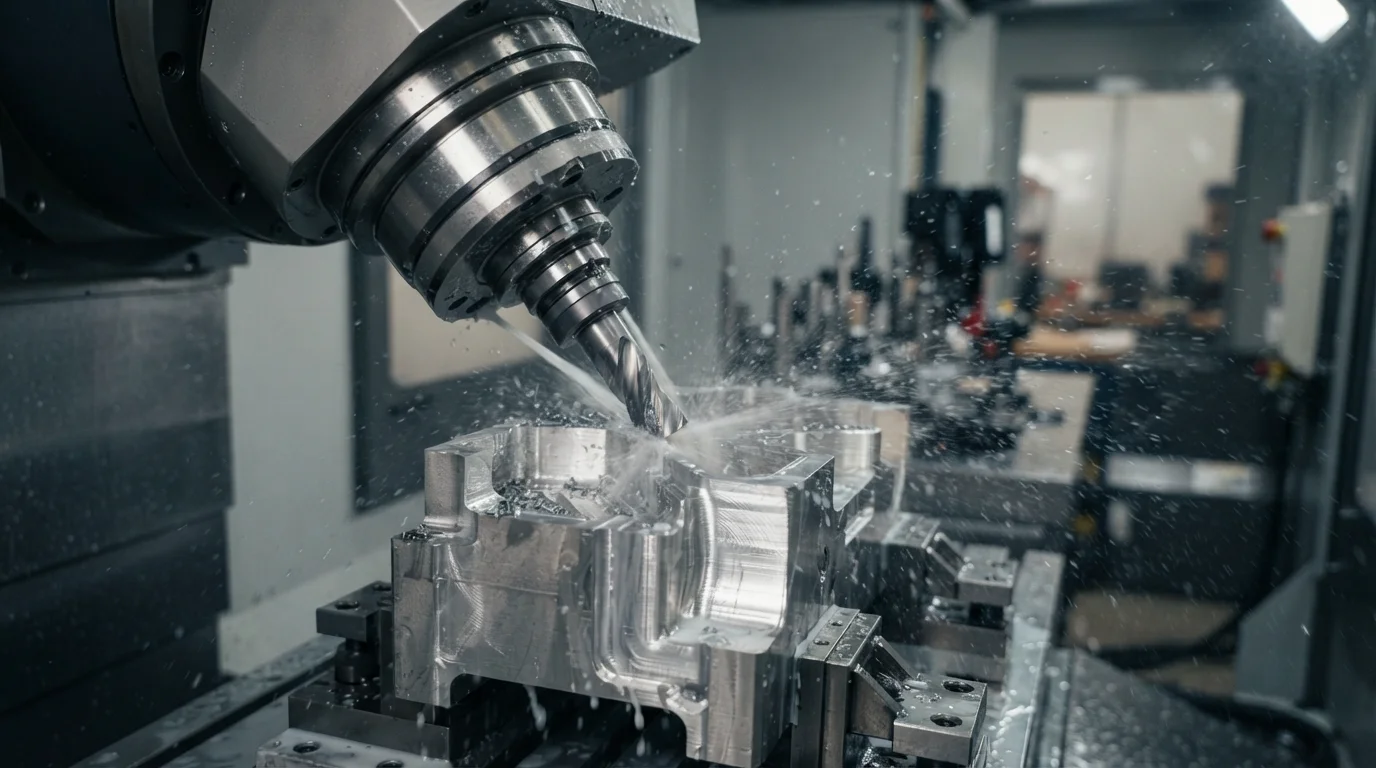
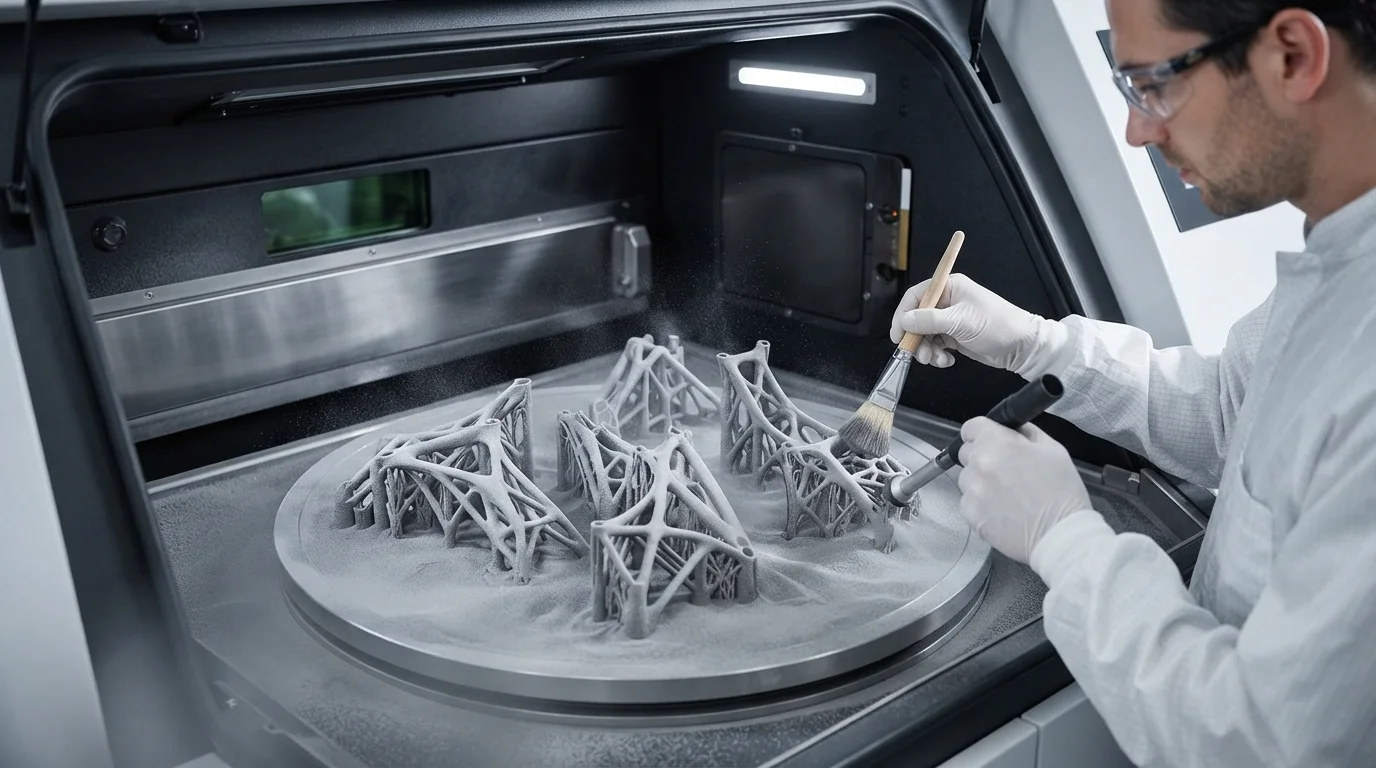
Multi-process aerospace production combines subtractive cutting, formative sheet metal profiling, and additive powder bed fusion to solve distinct flight engineering challenges. Subtractive mecanizado CNC de 5 ejes carves solid forged metal blocks with sub-micron fidelity, while precision sheet metal fabrication uses fiber lasers and press brakes to create lightweight box structures. Additive methods like Direct Metal Laser Sintering (DMLS) fuse powder particles layer by layer to construct organic internal fluid channels and lattice structures.
To execute a structured process selection protocol on flight-critical hardware, engineering teams could follow these practical steps:
- Grain Density Audit: Choose solid forged billet machining for primary structural airframe bulkheads that demand 100% isotropic tensile strength and zero internal voids.
- Topology Optimization Mapping: Deploy DMLS additive printing for complex internal fluid passages and organic satellite brackets that cannot be machined via line-of-sight cutting tools.
- Lightweight Enclosure Selection: Utilize precision sheet metal forming for avionics chassis boxes to achieve minimal component weight and fast turnaround times.
Module 2 – Core Application Scenarios Across Flight Subsystems
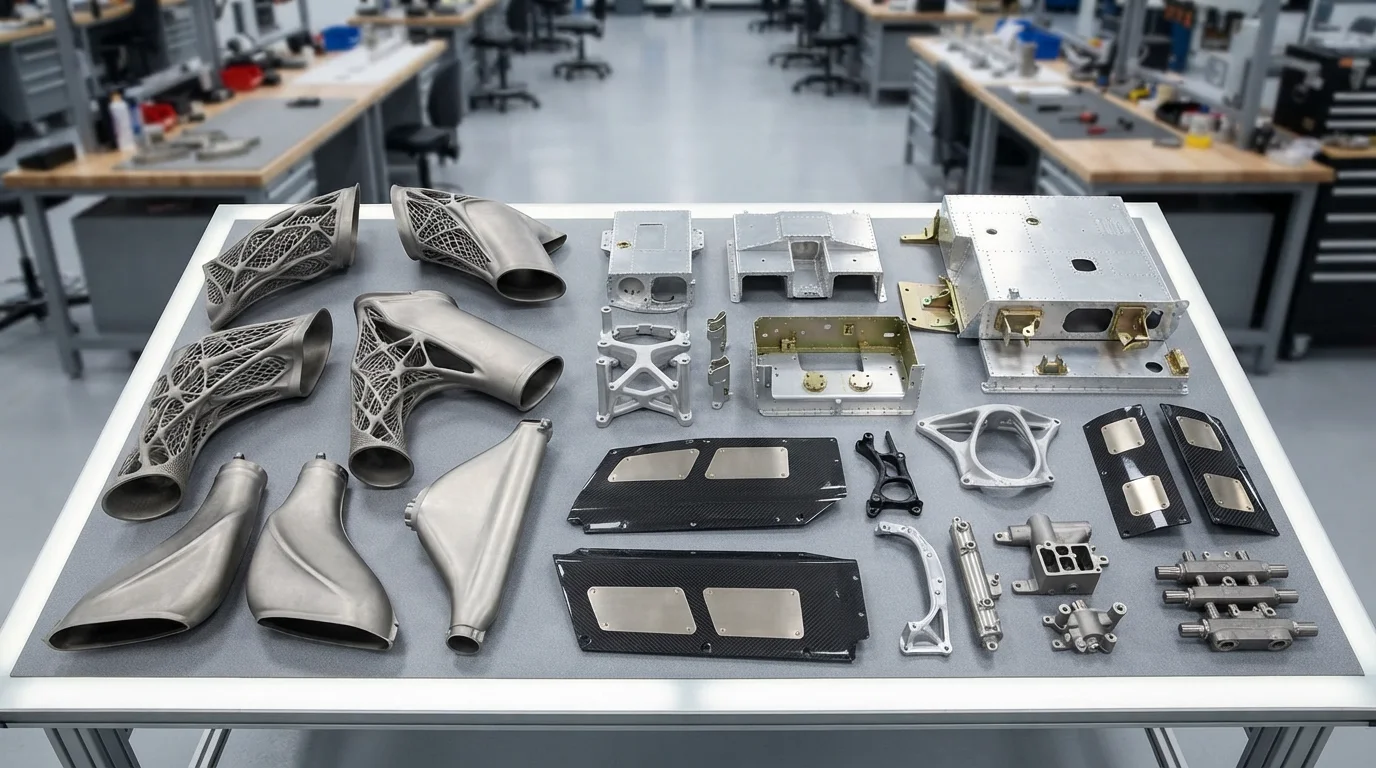
Balancing fabrication strengths is critical across airframe structural nodes, turbine propulsion sections, and satellite payload interfaces where structural failure is strictly prohibited. When aerospace OEMs evaluate conflicting project parameters, analyzing aerospace manufacturing pros and cons helps align design intent with commercial budget constraints. Discussions across aerospace engineering groups on Reddit and Facebook emphasize that hybrid manufacturing—combining DMLS additive printing with secondary 5-axis CNC finish machining—delivers the highest performance for complex turbine hardware.
Los sectores de aplicación principales incluyen:
- Airframe Structural Assemblies: Milling solid AL7075-T6 aluminum wing ribs, spar caps, and fuselage bulkheads for maximum cyclic fatigue life.
- Avionics & Radar Enclosures: Precision bending and robotic welding of lightweight aluminum sheet metal chassis boxes with integrated EMI shielding.
- Spacecraft Propulsion & UAVs: 3D printing topology-optimized titanium brackets and casting aerodynamic polyurethane cowlings via vaciado al vacío.
Módulo 3 – Factores clave de selección para el éxito del proyecto
When specifying production pathways for aerospace components, engineering teams must evaluate dimensional tolerances, buy-to-fly material scrap ratios, and surface finish capabilities. Evaluating these core parameters ensures your components achieve an optimal balance of structural performance and cost.
| Proceso de Fabricación | Key Manufacturing Advantages (Pros) | Key Process Limitations (Cons) |
|---|---|---|
| Mecanizado CNC de 5 ejes | Maximum material grain density, tight ±0.005 mm tolerances, superior surface finish | High buy-to-fly scrap ratio (up to 10:1), high spindle hour cost for deep pockets |
| DMLS 3D Printing | Complex internal cooling channels, organic topology optimization, minimal material scrap | Rough as-built surface finish (requires post-machining), slower cycle time, high unit cost |
| Avionics Sheet Metal | Extremely lightweight enclosures, rapid fabrication turnaround, low non-recurring engineering | Limited to thin-wall box geometries and brackets, lower load-bearing capacity |
Módulo 4 – Consejos de instalación y mantenimiento
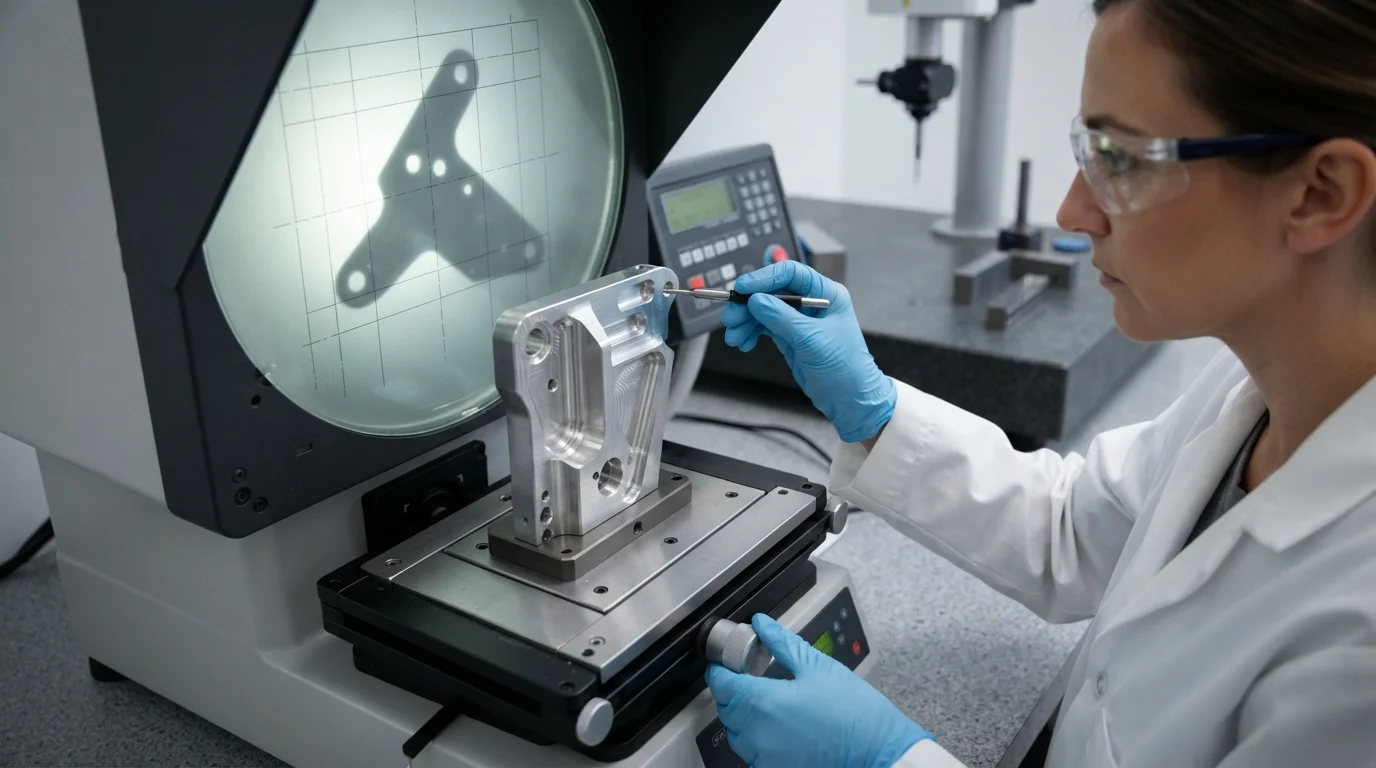
Proper post-processing, chemical surface conversion coating, and routine dimensional verification safeguard manufactured components across active flight operations. Protecting critical mounting datums from mechanical scratches and atmospheric corrosion ensures long-term airframe structural safety.
Los consejos clave de instalación y mantenimiento incluyen:
- Surface Conversion Passivation: Apply chemical conversion coatings (Alodine / MIL-DTL-5541) or Type III hard anodizing onto machined aluminum pockets to prevent atmospheric oxidation.
- Secondary Machining of Additive Parts: Perform secondary 5-axis CNC finish milling on critical mating faces and threaded interfaces of DMLS printed titanium brackets to eliminate as-built surface roughness.
- Controlled Metrology Auditing: Inspect all structural mounting points and hole patterns using Zeiss CMM probes inside climate-controlled inspection cleanrooms.
Módulo 5 – Preguntas frecuentes (FAQ)
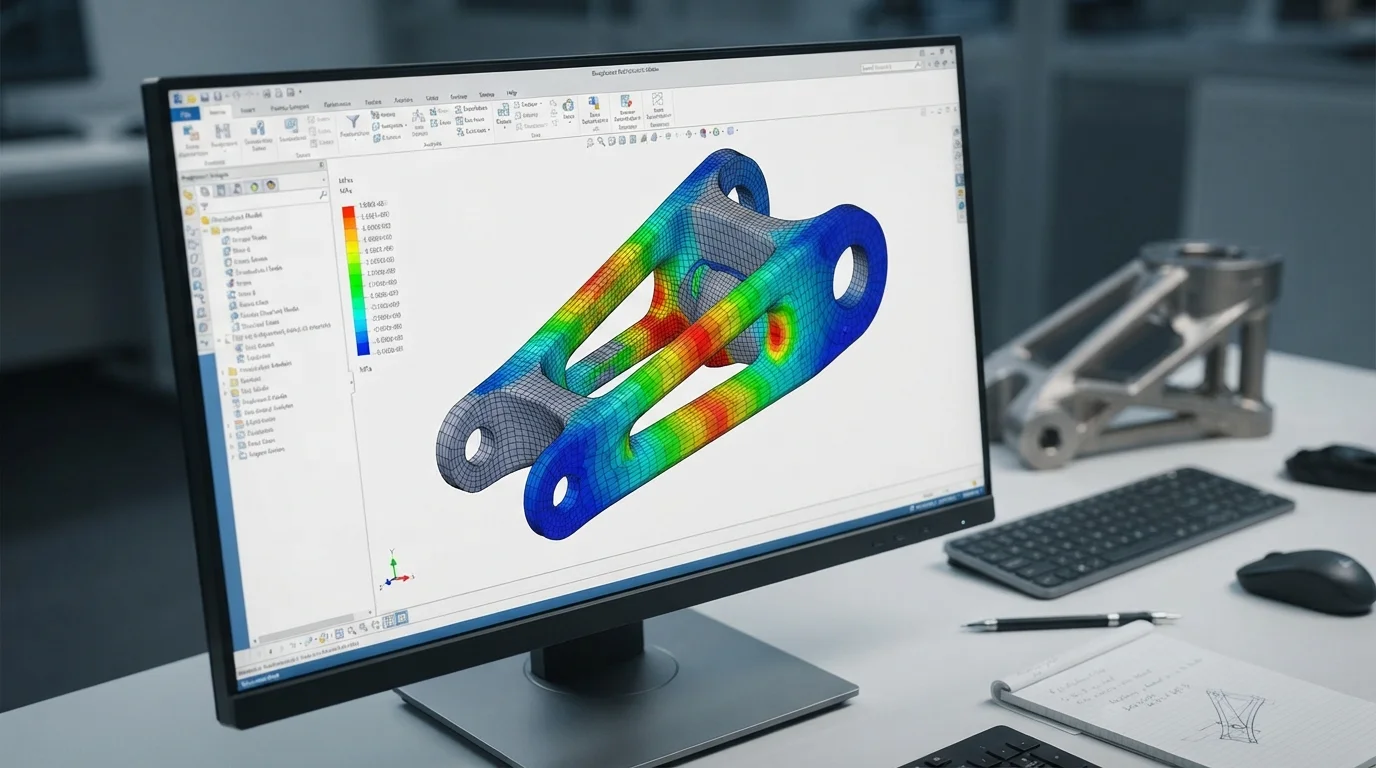
1. Why is 5-axis CNC machining still preferred for primary airframe structures?
5-axis CNC machining shapes solid forged metal billets, providing 100% isotropic material density, exceptional fatigue strength, and sub-micron dimensional accuracy that additive printing cannot fully match.
2. What are the main disadvantages of DMLS metal 3D printing in aerospace?
DMLS 3D printing has higher per-unit production costs at scale, rough as-printed surface finishes requiring secondary machining, and slower cycle times compared to subtractive cutting.
3. When should avionics sheet metal fabrication be chosen over CNC milling?
Avionics sheet metal fabrication is ideal for electronic enclosures, radar housings, and mounting brackets where minimal part weight and fast fabrication turnaround are prioritized over high load-bearing capacity.
4. How does hybrid manufacturing benefit turbine engine component production?
Hybrid manufacturing combines DMLS additive printing for intricate internal cooling passages with secondary 5-axis CNC finish milling for precision bearing fits and fir-tree blade slots.
5. How do buy-to-fly ratios affect the cost comparison between CNC and 3D printing?
For complex geometries where CNC milling machines away 90% of costly titanium stock as scrap (10:1 ratio), additive manufacturing can become more cost-effective by utilizing only the required powder mass.
6. How does Jucheng Precision help aerospace OEMs select the right process?
Jucheng Precision provides 24-hour free DFM reviews, multi-process capabilities (5-axis CNC, sheet metal, DMLS), and certified AS9100 quality control to optimize your flight hardware manufacturing roadmap.
Módulo 6 – Por qué elegir JUCHENG para su proyecto
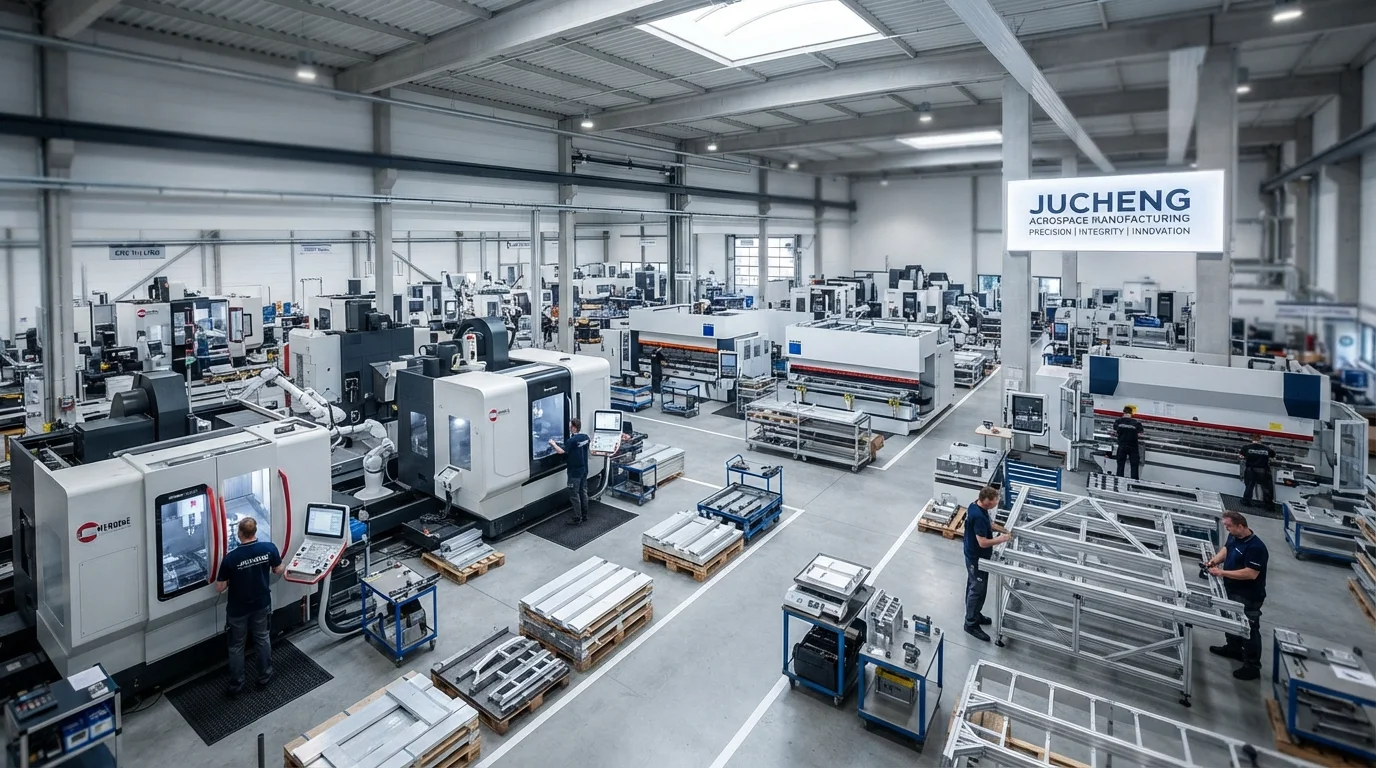
Navigating aerospace manufacturing trade-offs requires an experienced contract partner with comprehensive on-site technology fleets. JUCHENG supports aerospace innovators by delivering comprehensive DFM gratuito las 24 horas reviews that analyze process suitability, tool clearances, and buy-to-fly material scrap ratios prior to production. Founded in Shenzhen in 2012 with an 8,000-square-meter facility in Dongguan, our factory houses 150+ advanced machines, including 25+ high-performance 5-axis Haas and Mazak milling centers alongside dedicated metrology testing cleanrooms [9.10].
Backed by ISO 9001, ISO 14001, ISO 13485, and IATF 16949 certifications, our engineering teams ensure that evaluating aerospace manufacturing pros and cons leads directly to the most cost-effective, precise, and flight-certified manufacturing strategy for your critical components.
Ready to Select the Optimal Manufacturing Route for Your Aircraft Parts?
Suba sus modelos 3D hoy mismo para recibir comentarios instantáneos, precios competitivos y análisis DFM profesional de nuestros experimentados expertos en ingeniería. ¡Permita que JUCHENG dé vida a sus diseños complejos con velocidad y fiabilidad inigualables!
Obtenga su cotización instantánea gratuita y comentarios DFM

