


Aerospace Manufacturing Processes: The Complete Technical Guide
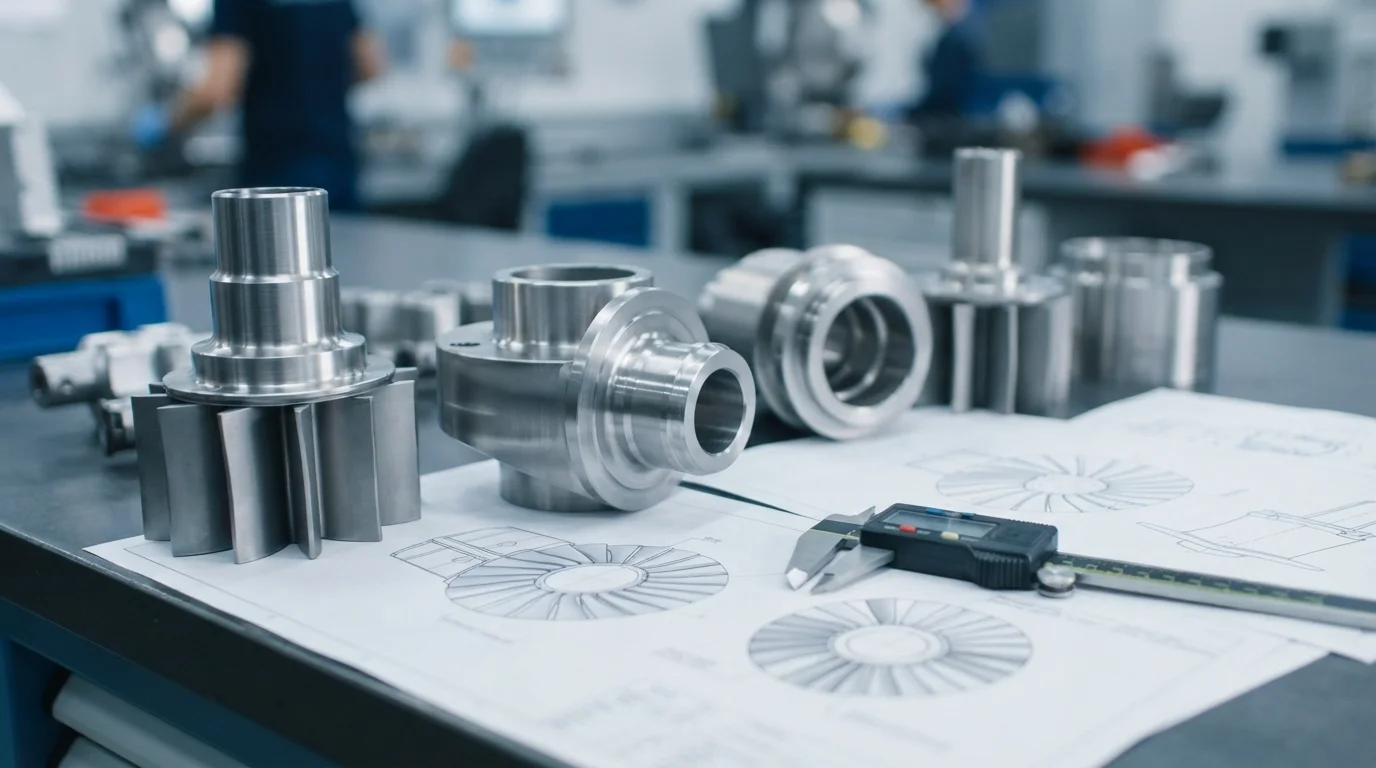
Engineering flight-critical airframe structures, commercial jet propulsion systems, and orbital satellite housings demands an uncompromising standard of metallurgical integrity and geometric precision. When aviation innovators evaluate comprehensive aerospace manufacturing processes, selecting the appropriate production method ensures that components survive high-altitude thermal extremes, intense cyclic vibration, and severe mechanical g-forces. Deploying unverified machining or fabrication routes introduces structural fatigue liabilities that cannot be tolerated in aerospace engineering.
Utilizing certified production partners guarantees that forged titanium (Ti-6Al-4V Grade 5) bulkheads and high-strength AL7075-T6 aluminum airframe ribs transition smoothly from digital 3D models into mission-ready flight hardware. Let us examine the full stack of subtractive, formative, and additive capabilities that drive modern aerospace manufacturing.
Module 1 – Definition and Working Principles of Multi-Axis Flight Fabrication
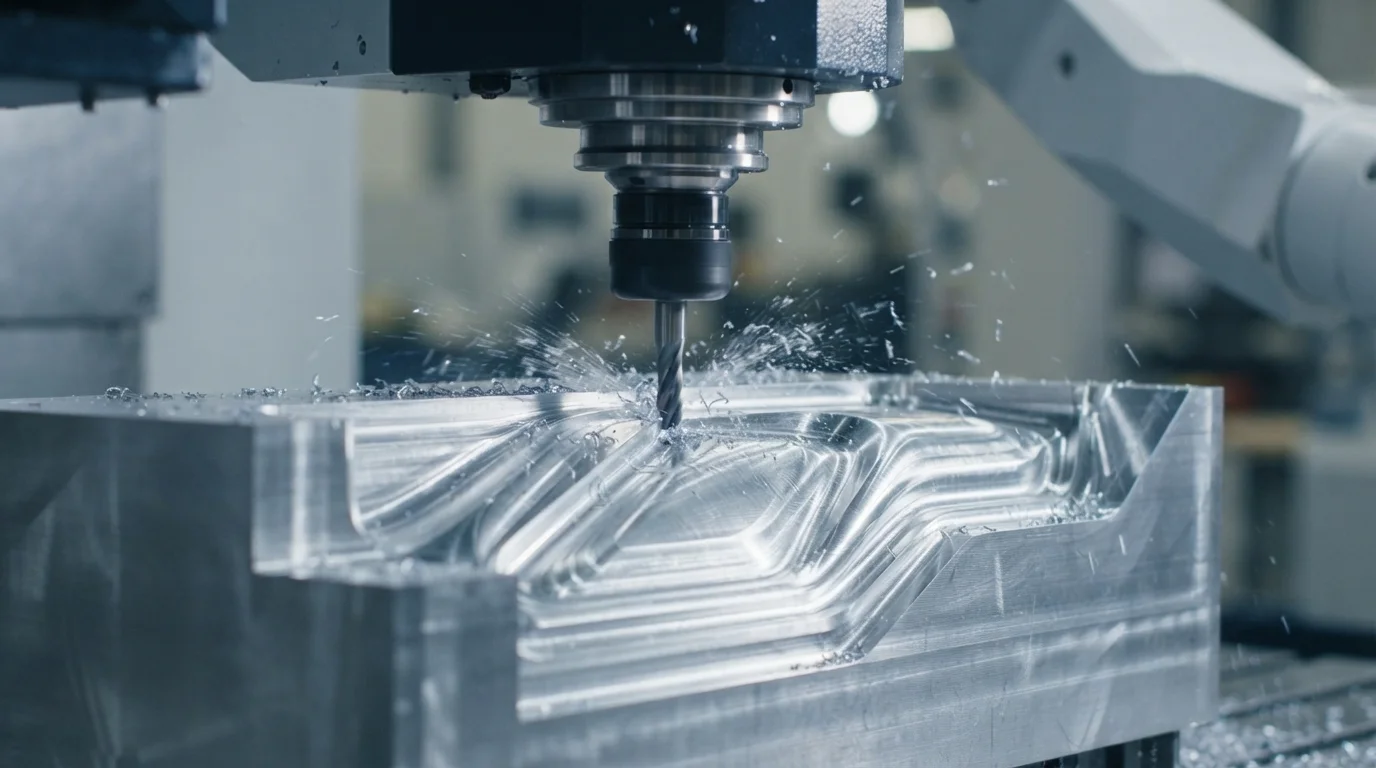
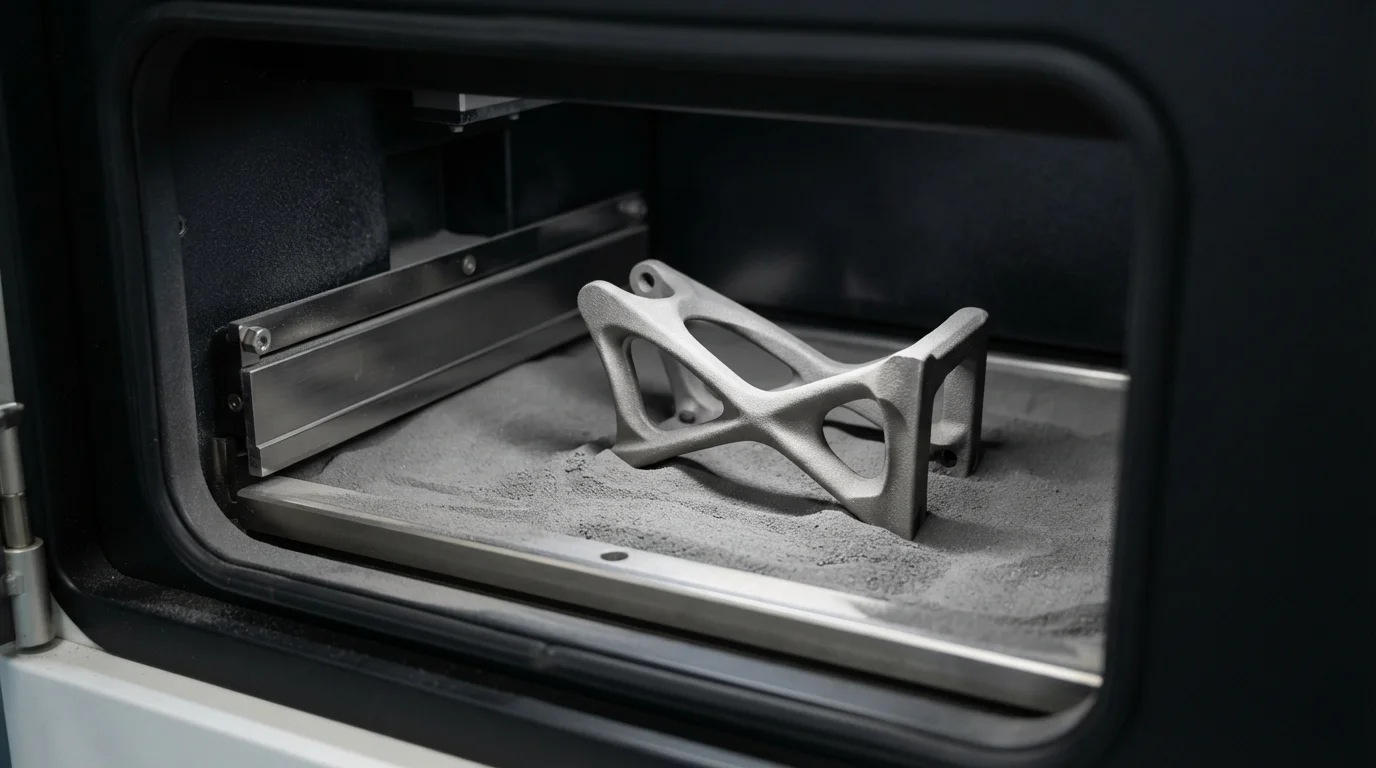
Aerospace component production combines multi-axis subtractive cutting, precision sheet metal forming, and additive laser powder sintering to satisfy stringent weight and strength benchmarks. The working principle relies on translating validated CAD models into precise multi-axis toolpaths that sculpt solid forged metal blocks without inducing micro-cracks or residual stress concentrations. Subtractive mecanizado CNC de 5 ejes sculpts complex structural bulkheads with sub-micron fidelity, while additive Direct Metal Laser Sintering (DMLS) constructs organic internal lattice structures that reduce total component mass.
To execute structured manufacturing workflows on flight-critical hardware, engineering teams could follow these practical steps:
- Multi-Axis Toolpath Optimization: Program 5-axis continuous milling passes to clear deep structural pockets while avoiding machine collisions and cutter deflection.
- Fiber Laser Avionics Profiling: Cut precision sheet metal patterns for radar housings, followed by certified TIG or robotic welding.
- Additive Powder Sintering: Melt aerospace-grade Inconel 718 or titanium powders layer by layer to fabricate internal cooling channels for propulsion hardware.
Module 2 – Core Application Scenarios Across Flight Systems
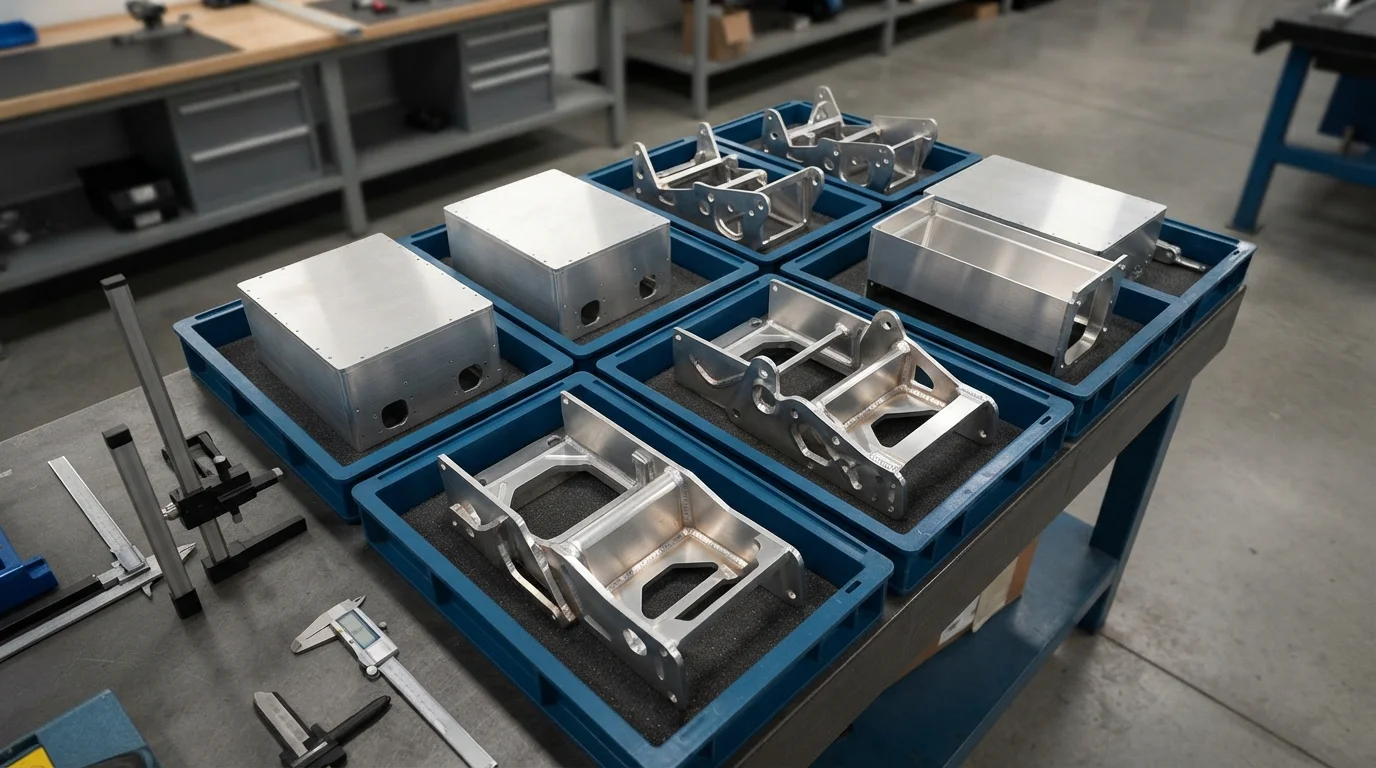
Deploying specialized flight fabrication is vital across commercial aviation, orbital satellite construction, and unmanned aerial vehicle (UAV) programs where mass reduction directly enhances fuel efficiency and payload capacity. When aerospace OEMs engineer flight hardware, selecting optimal aerospace manufacturing processes eliminates assembly misalignment and structural failure risks. Discussions across aerospace engineering groups on Reddit and Facebook emphasize that 5-axis milling from solid forged billet remains the primary standard for critical load-bearing joints.
Los sectores de aplicación principales incluyen:
- Airframe & Wing Structures: Milling high-strength AL7075-T6 aluminum spar caps, wing ribs, and titanium fuselage landing gear mounts.
- Avionics & Radar Enclosures: Fabricating lightweight aluminum sheet metal chassis boxes and EMI-shielded electronic housings.
- Space Propulsion & UAVs: 3D printing topology-optimized satellite brackets and casting aerodynamic polyurethane cowlings via vaciado al vacío.
Módulo 3 – Factores clave de selección para el éxito del proyecto
When specifying manufacturing methods for aerospace components, engineering teams must evaluate raw material grain density, dimensional tolerance classes, and certified quality documentation. Evaluating these core parameters ensures your components satisfy international flight safety requirements.
| Método de fabricación | Materiales Primarios | Key Aerospace Advantage |
|---|---|---|
| 5-Axis CNC Milling | AL7075-T6, Titanium Ti-6Al-4V, PEEK, Inconel 718 | Maximum structural grain density and tight ±0.005 mm tolerances |
| Avionics Sheet Metal | AL6061-T6, 304/316 Stainless Steel | Lightweight enclosures with integrated PEM hardware and EMI gasketing |
| DMLS Additive Sintering | Titanium Grade 5, Inconel 718 Powder | Complex organic lattice structures and internal fluid manifolds |
Módulo 4 – Consejos de instalación y mantenimiento
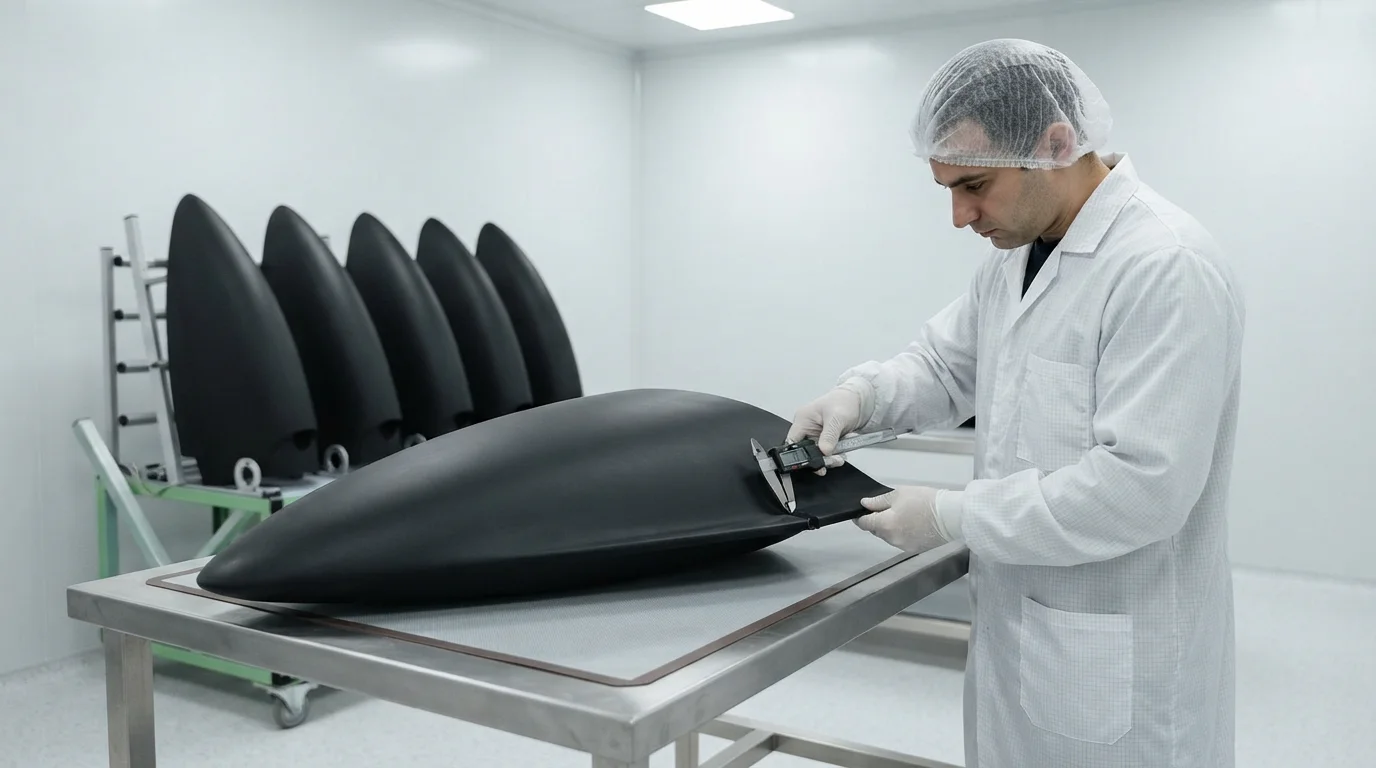
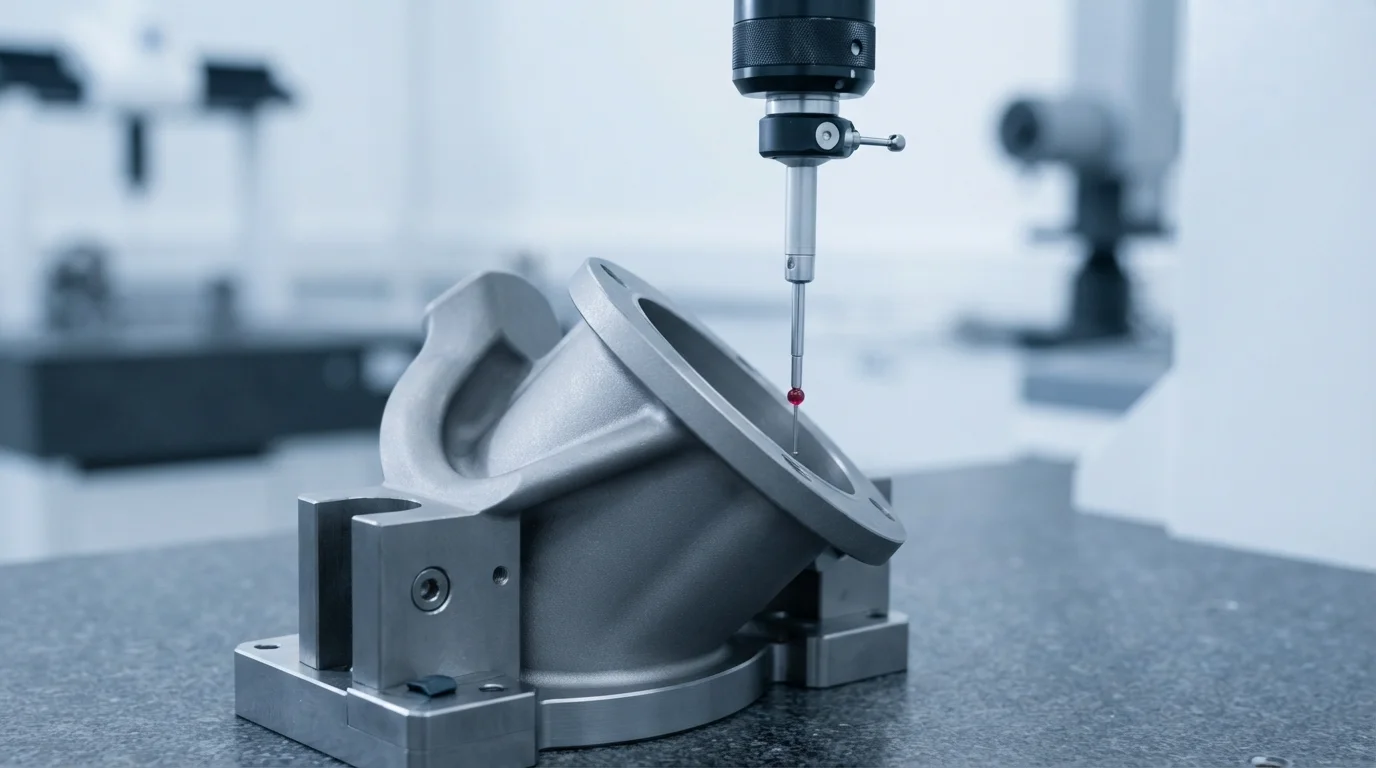
Proper surface conversion coating, calibrated bolt torque application, and routine non-destructive testing (NDT) safeguard aerospace components across active flight operations. Protecting machined mounting datums from mechanical gouging ensures long-term airframe alignment.
Los consejos clave de instalación y mantenimiento incluyen:
- Chemical Conversion Passivation: Apply Alodine (MIL-DTL-5541) or Type III hard anodizing to protect bare aluminum surfaces from atmospheric corrosion.
- Calibrated Fastener Torquing: Tighten structural airframe bolts using calibrated torque wrenches to prevent stripping threaded inserts.
- Fluorescent Penetrant Inspection: Conduct routine dye penetrant checks on high-stress brackets to catch microscopic fatigue cracks early.
Módulo 5 – Preguntas frecuentes (FAQ)
1. What is the most common manufacturing process for aerospace structural parts?
Due to strict requirements for material density and fracture toughness, 5-axis CNC machining of solid forged aluminum and titanium billets remains the primary standard for load-bearing flight structures.
2. How does AS9100 certification impact aerospace component manufacturing?
AS9100 enforces rigorous risk management, critical item traceability, counterfeit part prevention, and First Article Inspection (FAI) reporting across all production batches.
3. When is DMLS 3D printing preferred over CNC machining in aerospace?
DMLS 3D printing is preferred for complex organic geometries, topology-optimized lightweight brackets, and internal cooling channels that cannot be reached by traditional cutting tools.
4. Why is material traceability critical for flight hardware components?
Material traceability guarantees that every metal bar and polymer resin lot can be verified with authentic mill test reports to prevent uncertified or counterfeit alloys from entering the supply chain.
5. What surface treatments prevent galvanic corrosion on aircraft assemblies?
Chromic acid anodizing, sulfuric anodizing with sealers, and chemical conversion coatings like Alodine isolate dissimilar metals to prevent galvanic reaction.
6. How does Jucheng Precision support aerospace engineering programs?
Jucheng Precision provides 5-axis CNC machining, avionics sheet metal fabrication, DMLS additive printing, and complete AS9102 First Article Inspection (FAI) documentation.
Módulo 6 – Por qué elegir JUCHENG para su proyecto
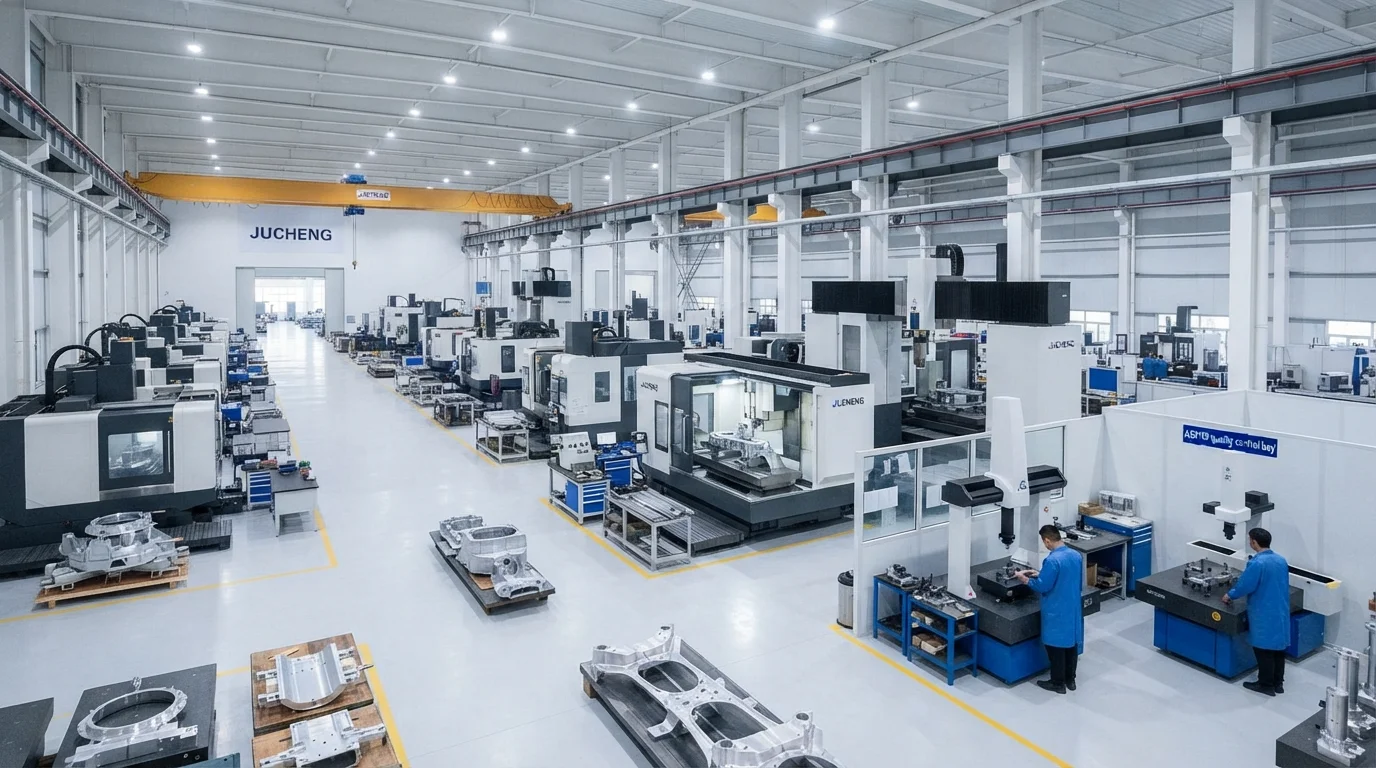
Achieving uncompromising flight safety requires an experienced contract manufacturing partner with audit-ready production infrastructure. JUCHENG supports aerospace innovators by delivering comprehensive DFM gratuito las 24 horas reviews that analyze toolpath clearances, wall pocketing ratios, and geometric tolerances prior to cutting metal. Founded in Shenzhen in 2012 with an 8,000-square-meter facility in Dongguan, our factory houses 150+ advanced machines, including 25+ high-performance 5-axis Haas and Mazak milling centers alongside dedicated metrology labs [9.10].
Backed by ISO 9001, ISO 14001, ISO 13485, and IATF 16949 certifications, our engineering teams ensure that executing high-precision aerospace manufacturing processes achieves sub-micron accuracy, complete Mill Test Report (MTR) traceability, and absolute batch consistency.
Ready to Manufacture Your Flight-Critical Aerospace Components?
Suba sus modelos 3D hoy mismo para recibir comentarios instantáneos, precios competitivos y análisis DFM profesional de nuestros experimentados expertos en ingeniería. ¡Permita que JUCHENG dé vida a sus diseños complejos con velocidad y fiabilidad inigualables!
Obtenga su cotización instantánea gratuita y comentarios DFM

