


Inyectar termoplásticos fundidos en cavidades de molde blandas requiere un control preciso sobre las ubicaciones de entrada del polímero para prevenir defectos superficiales, atrapamiento de aire y congelamiento prematuro de la compuerta. Posicionar estratégicamente la entrada de inyección determina cómo el resina líquida llena la cavidad, dónde se encuentran los frentes de flujo del polímero fundido y dónde aparecen las marcas vestigiales visuales. Obtener comentarios técnicos tempranos de DFM asegura que los fabricantes de moldes ubiquen los puntos de entrada en secciones de pared gruesa, garantizando un llenado volumétrico completo antes de que ocurra el cierre de la compuerta. La ejecución estratégica de colocación de compuertas en herramientas rápidas protege sus presupuestos de desarrollo eliminando imperfecciones cosméticas y defectos estructurales de líneas de soldadura.
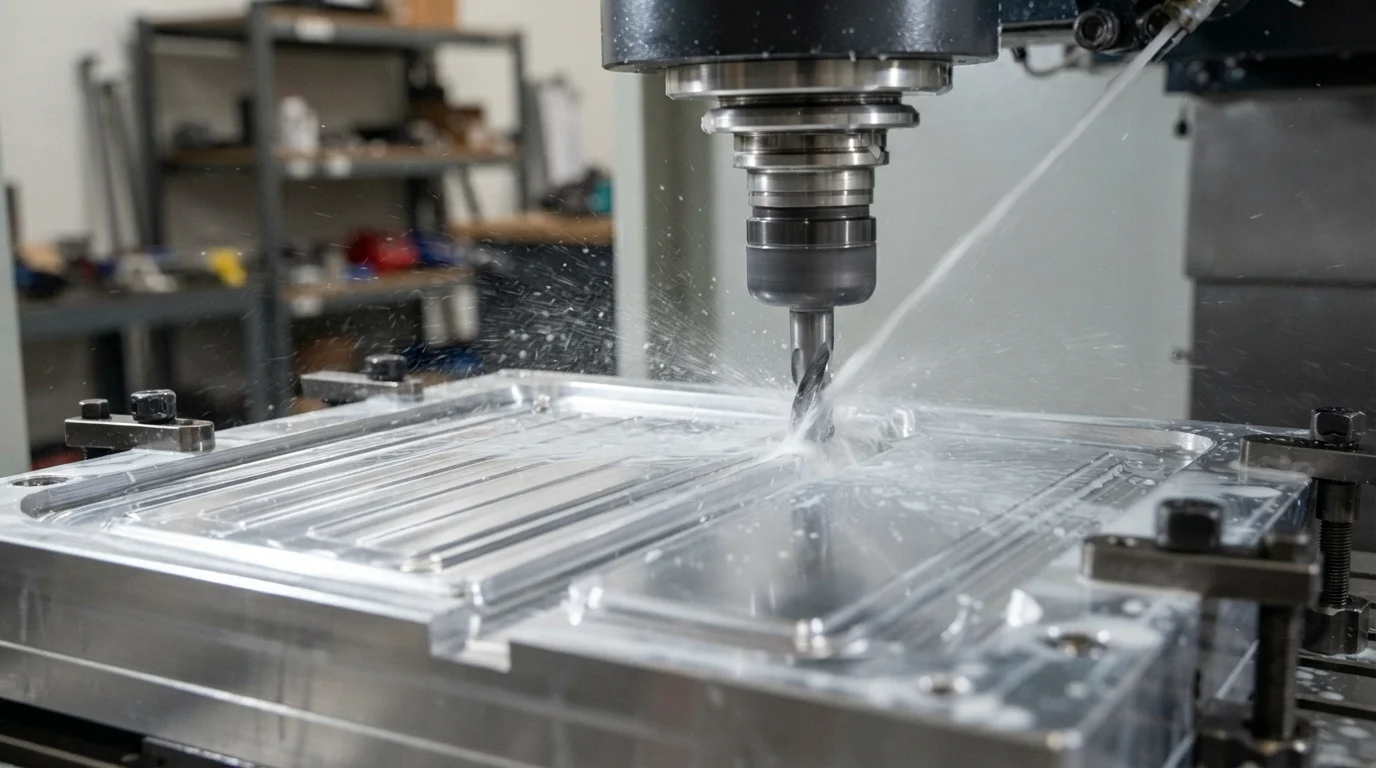
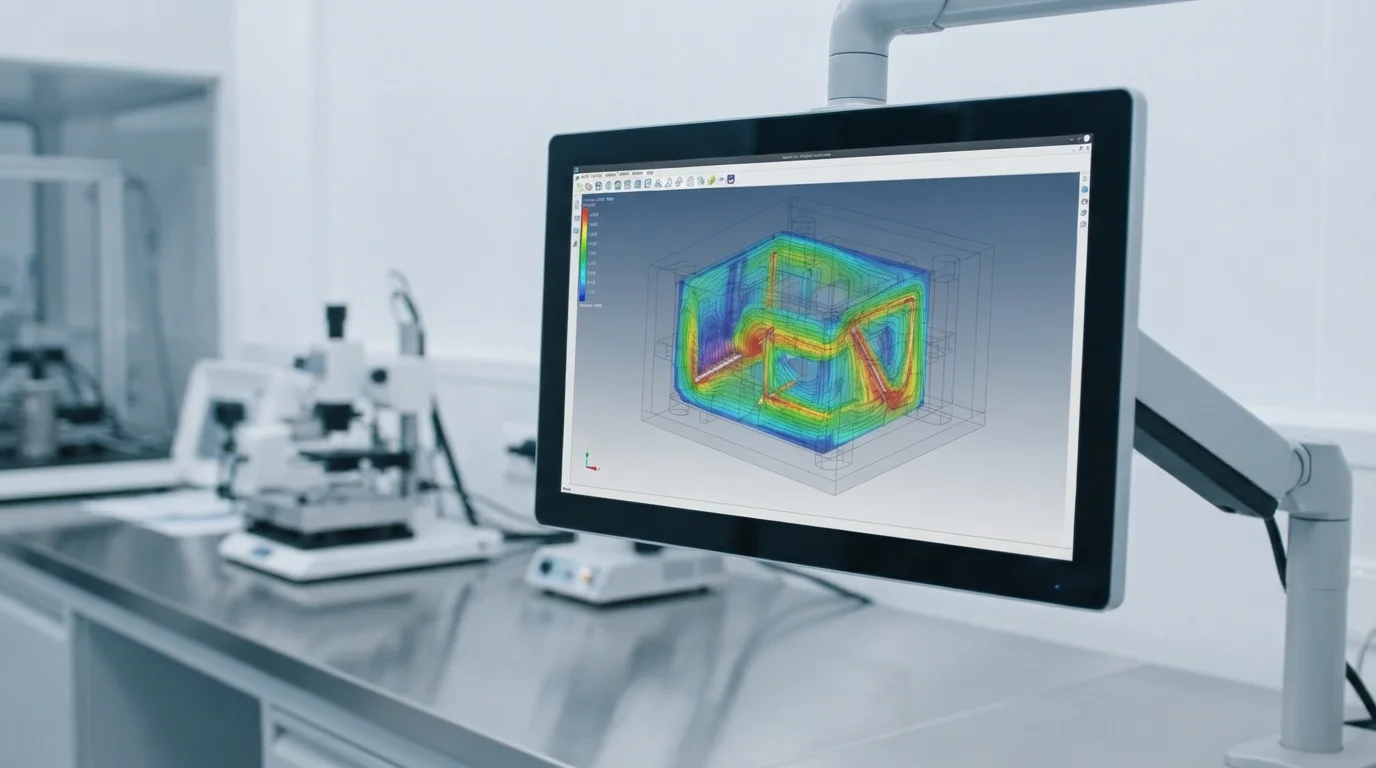
Seleccionar métodos de fabricación apropiados equilibra las propiedades de la materia prima con tiempos de entrega rápidos durante las pruebas en etapas tempranas. Cortar con precisión archivos CAD tridimensionales complejos permite a los fabricantes de moldes experimentados analizar líneas de partición, ángulos de desmoldeo y espesores de pared utilizando software avanzado de simulación de flujo de molde. Obtener sus componentes de un socio experimentado asegura que los cambios de diseño se propaguen de manera segura en todas las etapas. Exploremos los tipos comunes de compuertas, controles de líneas de soldadura y reglas de DFM que mantienen las superficies visibles impecables.
Tabla de Contenidos
1. Tipos de compuertas utilizadas en moldes de aluminio blando y acero
2. Prevención de líneas de soldadura y vacíos de aire atrapado
3. Minimización de marcas vestigiales de compuerta en superficies cosméticas visibles
Tipos de compuertas utilizadas en moldes de aluminio blando y acero
Pregunta: ¿Cuál es el tipo de compuerta más común para moldeo por inyección rápido? Las compuertas de borde representan la opción más popular porque son simples de mecanizar en cavidades de aluminio y acomodan una amplia variedad de viscosidades de resina.
Seleccionar el estilo de compuerta correcto implica equilibrar los costos iniciales de fabricación del molde contra las horas de mano de obra manual de desbarbado posterior al moldeo. Las compuertas de borde introducen resina líquida a lo largo de la línea de partición principal, permitiendo a los fabricantes de moldes mecanizar canales de distribución rápidamente utilizando Servicio de mecanizado CNC fresas de extremo multieje estándar. Las compuertas submarinas o de túnel se estrechan debajo de la línea de partición, cortándose automáticamente durante la expulsión de la pieza para eliminar el recorte manual. Obtener un Servicio de utillaje rápido dedicado utilizando placas de metal blando asegura que los canales de compuerta se modifiquen fácilmente si las simulaciones de flujo de molde revelan hesitaciones de llenado.
Evaluar las geometrías de las piezas a través de la colocación de compuertas en protocolos de utillaje rápido requiere hacer coincidir los mecanismos de compuerta con los requisitos de volumen de producción. Las configuraciones clave de compuertas para utillaje de corta duración incluyen:
- Compuertas de borde (entrada lateral estándar)—Canales rectangulares simples mecanizados fácilmente a lo largo de las líneas de partición, ideales para carcasas no cosméticas
- Compuertas submarinas (entrada de túnel)—Canales cónicos que se cortan automáticamente durante la expulsión de la pieza, ocultando marcas debajo de las líneas de partición
- Compuertas de bebedero directo (entrada central)—Puntos de entrada circulares pesados que alimentan piezas grandes de pared gruesa directamente desde las boquillas de la máquina
Prevención de líneas de soldadura y atrapamiento de aire
Pregunta: ¿Cómo controla la ubicación de la compuerta la posición de las líneas de soldadura? Los frentes de flujo de polímero se dividen alrededor de los pasadores del núcleo y se vuelven a unir aguas abajo, haciendo esencial la colocación estratégica de compuertas para empujar las líneas de soldadura hacia áreas no estructurales.
El plástico fundido dividido por pasadores de núcleo internos o características de cubo debe fluir alrededor de los obstáculos y fusionarse, creando una costura cosmética llamada línea de soldadura. Posicionar estratégicamente los puntos de entrada asegura que los frentes de flujo de polímero se fusionen a alta temperatura y presión de empaque, maximizando la resistencia de unión mecánica a lo largo de la costura. El abastecimiento de piezas funcionales moldeadas de plásticos de ingeniería sólidos como ABS, Nailon (PA), o Policarbonato (PC) proporciona un comportamiento auténtico del material bajo carga dinámica. Siguiendo diseño de pautas para herramientas rápidas establecido previene la formación de líneas de soldadura cerca de orificios de montaje de alta tensión.
La evaluación de las longitudes de flujo del polímero ayuda a los ingenieros a prevenir trampas de aire que queman el plástico cuando se comprime durante la inyección rápida. Esta tabla de comparación técnica describe los parámetros de selección de compuertas según la apariencia de la pieza y el volumen de producción:
| Estilo de compuerta | Método de desbarbado | Influencia cosmética | Ventaja principal del utillaje |
|---|---|---|---|
| Compuerta de borde | Recorte manual | Leaves square vestige on parting line | Economical, simple to machine in aluminum |
| Submarine Gate | Automatic shearing on ejection | Leaves tiny round dot below parting line | Eliminates manual labor, ideal for short runs |
| Direct Sprue Gate | Manual clipping | Leaves large circular sprue mark | Low pressure drop, fills heavy wall sections |
Minimizing Gate Vestige Marks on Cosmetic Show Surfaces
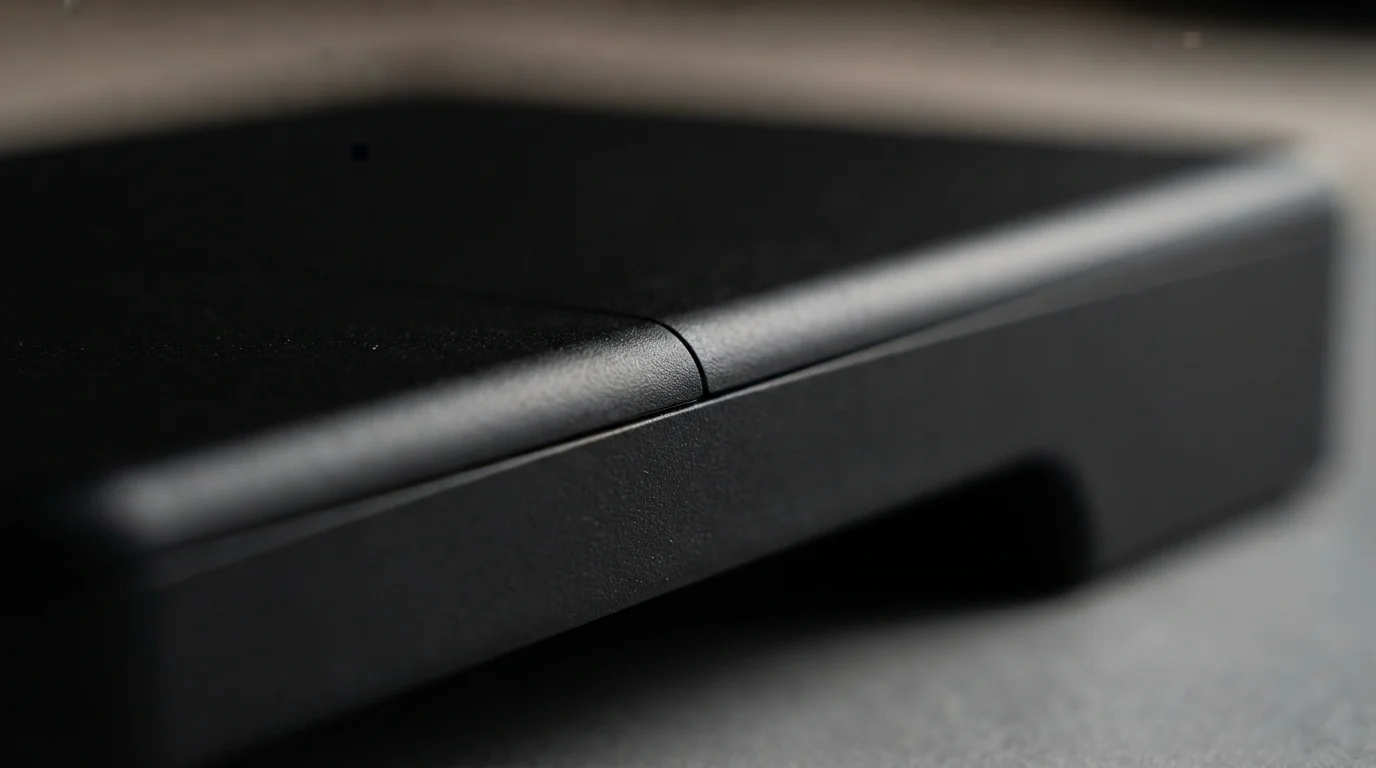
Question: How is gate vestige concealed on consumer enclosures? Toolmakers locate entry points on interior boss faces, hidden underside flanges, or non-visual mating edges to protect cosmetic show surfaces.
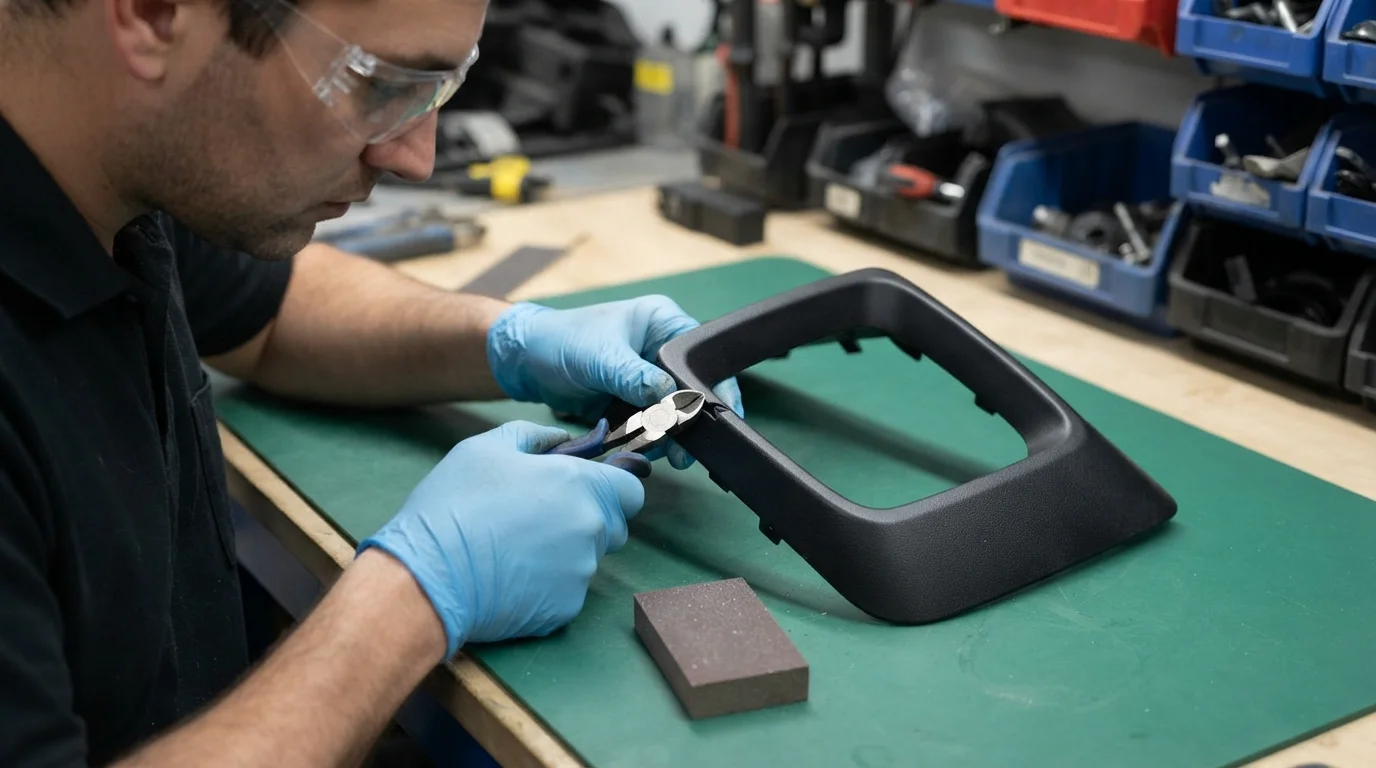
Trimming sprue and runner scrap always leaves a small protrusion or vestige mark that can scratch users if located on primary exterior surfaces. Positioning entry channels on interior structural ribs or underside mating flanges keeps show faces completely smooth and blemish-free. Sourcing early DFM reviews allows toolmakers to adjust gate placement in rapid tooling CAD files before milling AL7075 Aluminio o blandos Acero para Herramientas cores. Correcting gate locations early eliminates manual secondary grinding operations.
Executing precise gating strategies requires integrating specific physical features directly into the core layout. Best practices for hiding gate vestige include:
- Interior boss placements—Locating gates on internal screw bosses ensures vestige marks remain enclosed inside final assemblies
- Non-visual edge shut-offs—Positioning runners along underside mating flanges keeps show faces completely smooth and blemish-free
- Sub-gate automatic shearing—Designing tunnel gates angled at 30 degrees allows clean part detachment without manual hand-trimming
Jucheng Precision apoya a las startups de mecatrónica proporcionando revisiones DFM gratuito las 24 horas reviews that analyze gate locations, parting lines, and draft profiles before cutting metal. Sourcing functional Servicio de prototipos parts or soft-alloy molds allows engineering groups to validate designs before committing to high-volume production. Having thirty-five high-precision Servicio de moldeo por inyección presses under certified quality management systems ensures your parts meet exact international specifications.
Preguntas Frecuentes (FAQ)
Where should the injection gate be located on a thick-walled part?
Placing gates in the thickest section of the part geometry allows molten plastic to pack out the cavity fully, preventing early gate freeze-off and cosmetic sink marks. Resin flows smoothly from thick wall areas toward thin sections, maintaining uniform pressure distribution throughout the fill cycle.
What is the main advantage of submarine gates over edge gates?
Submarine gates taper below the main parting line and shear off automatically during ejection, leaving a minimal round vestige that requires zero hand-trimming. Edge gates introduce plastic along the parting line and require manual clipping, making them simpler to machine but labor-intensive for de-gating.
How does Moldflow software assist in gate location selection?
Moldflow software simulates polymer flow fronts, predicting weld line locations, air trap locations, and required injection pressure limits before cutting metal. Sourcing early digital moldflow analyses allows toolmakers to adjust gate sizes and locations early, avoiding expensive mold re-machining loops.

