


Budgeting for short-run injection molding requires analyzing much more than the initial mold fabrication invoice provided by a machine shop. Unquoted engineering change orders (ECOs), unexpected cavity maintenance, and high scrap rates caused by poor cooling designs represent severe financial traps for hardware startups. Uncovering the hidden costs of rapid tooling early allows product managers to protect development cash flow and avoid surprise chargebacks during new product introduction (NPI) cycles. Sourcing fully itemized quotes and conducting thorough pre-molding reviews ensures your project remains profitable from first samples to final bridge production.

Slicing complex three-dimensional CAD geometries precisely allows experienced toolmakers to analyze parting lines, draft angles, and wall thicknesses using advanced mold flow simulation software. Selecting appropriate temporary manufacturing methods balances raw material properties with fast turnaround times during early-stage testing. Sourcing your components from an experienced partner ensures design changes are propagated across all stages safely. Let’s examine four common unquoted expense categories and explore practical ways to mitigate financial risks.
Tabla de Contenidos
1. Engineering Change Orders and Post Cut Re-Machining
2. Tool Wear, Parting Line Flash, and Scrap Rates
Engineering Change Orders and Post Cut Re-Machining
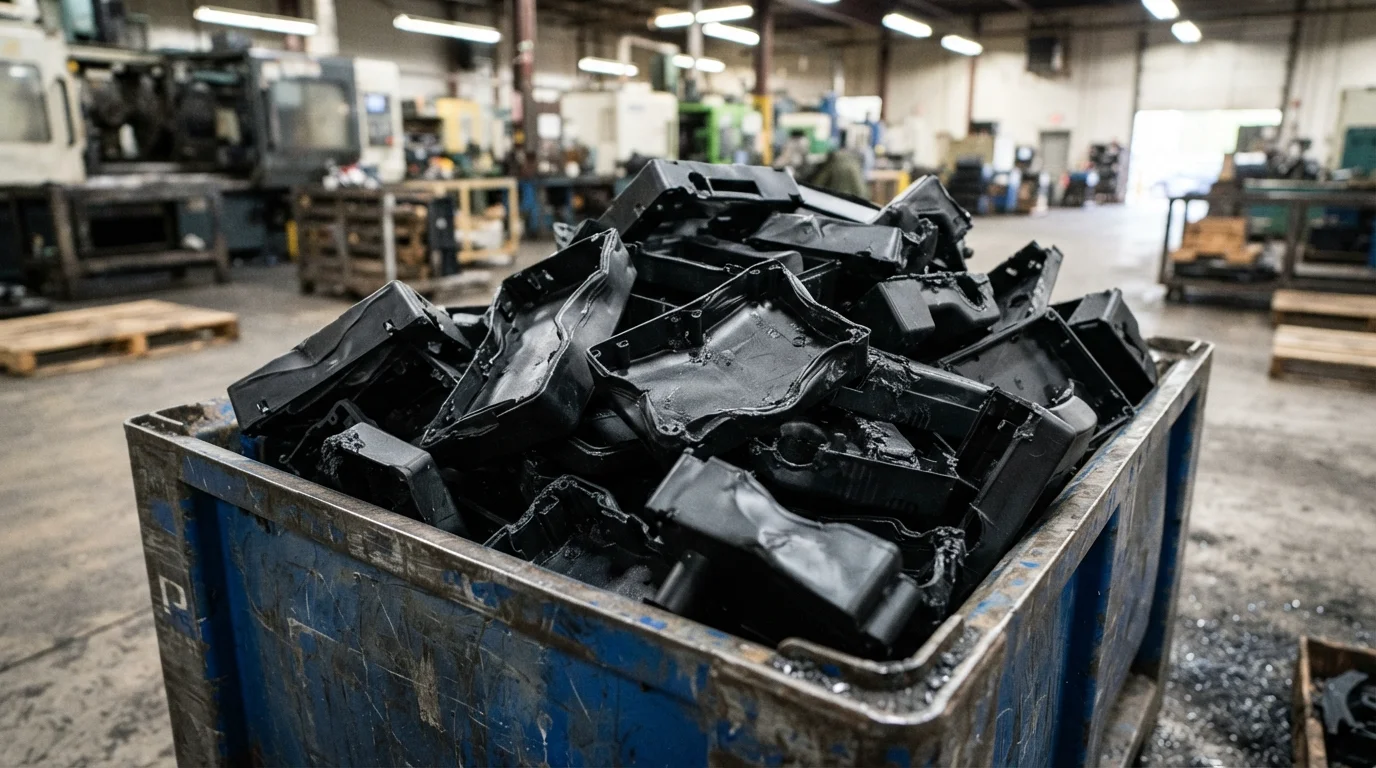
Modifying a 3D CAD design after CNC spindles have finished cutting mold metal introduces immediate financial penalties and project delays. Metal-safe modifications—such as shaving additional material off core steel to increase wall thickness—are relatively simple but still require active G-code reprogramming and setup hours. Adding metal back to a carved cavity, however, requires expensive micro-laser welding or machining entirely new core inserts. Sourcing thorough early DFM reviews prevents late ECOs, keeping your overall costo de utillaje rápido predictable.
Unplanned geometric modifications represent the primary source of budget inflation during short-run molding projects. Key factors driving up post-cut modification expenses include:
- Late engineering change orders (ECOs)—Modifying 3D CAD files after core metal is cut requires expensive re-machining or laser welding
- Accelerated gate and cavity wear—Injecting abrasive glass-filled polymers into unhardened aluminum molds erodes shut-offs quickly
- Unquoted secondary operations—Manual gate vestige trimming, surface painting, and pad printing add unquoted labor fees
Tool Wear, Parting Line Flash, and Scrap Rates
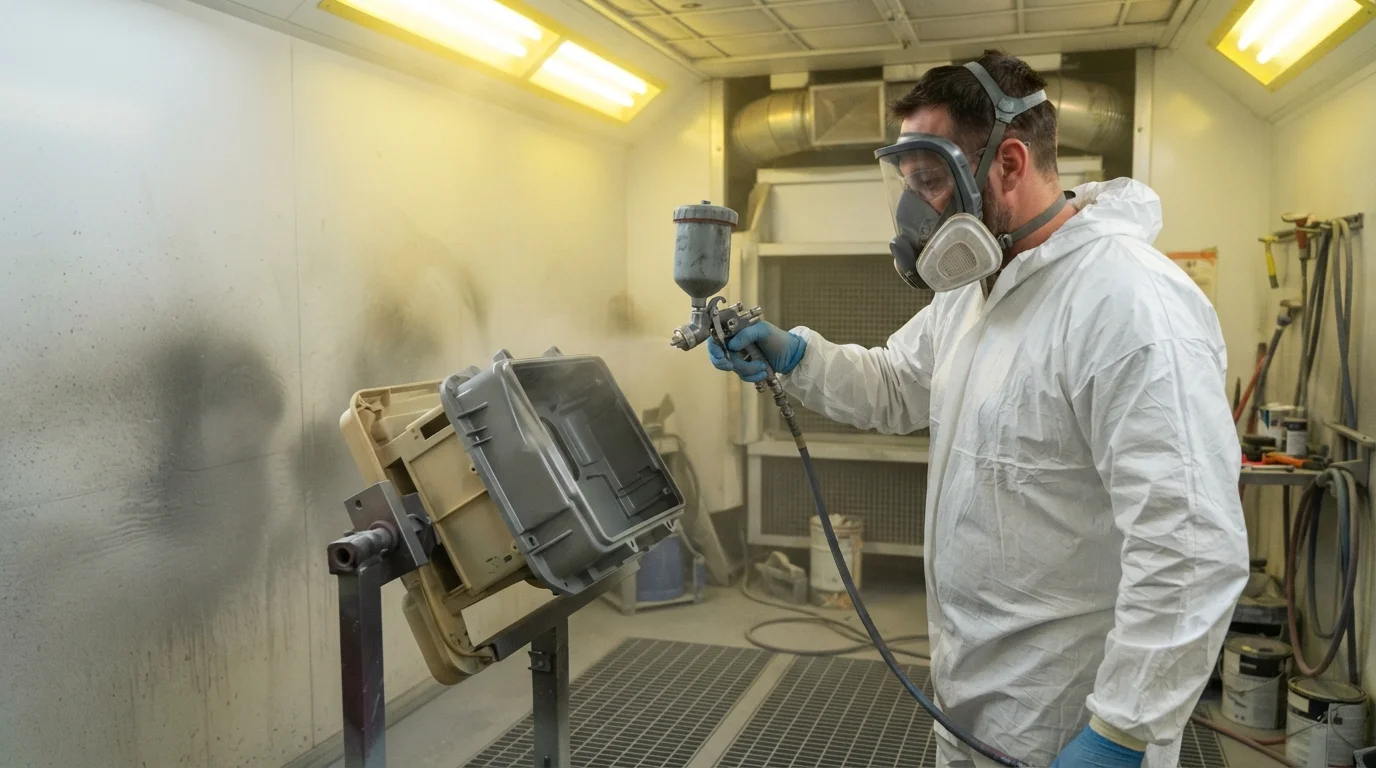
Sourcing soft alloys like AL7075 Aluminio o pre-endurecido P20 Acero para Herramientas reduces initial mold fabrication expenses dramatically, but soft metals require careful clamping force management. High-pressure injection cycles and abrasive glass-filled polymers can crush soft aluminum shut-off faces, causing molten plastic to escape and form parting line flash. Trimming excessive flash manually adds labor costs and increases scrap rates, inflating the true hidden costs of rapid tooling. Installing hardened steel gate inserts around high-wear areas preserves aluminum mold cavities over longer runs.
Sub-optimal waterline layouts also contribute to high scrap rates by causing uneven thermal cooling, post-mold part warpage, and cosmetic sink marks. Evaluating these hidden operational costs helps engineers choose the correct mold material for their target batch volume. This technical comparison table outlines potential hidden cost variables across different mold types:
| Material del Molde | Potential Hidden Risk | Impacto Financiero | Primary Mitigation Strategy |
|---|---|---|---|
| Aluminum (AL7075) | Parting line crushing, gate erosion | Higher manual de-flashing labor | Install pre-hardened steel gate inserts |
| Acero blando P20 | Slower cooling cycles, higher unit price | Increased machine press time fees | Optimize conformal cooling waterline layouts |
| Acero duro H13 | Extreme initial CapEx, slow delivery | High upfront capital lockup | Use modular MUD frames for short runs |
Unquoted Post-Processing, Assembly, and Finishing Fees
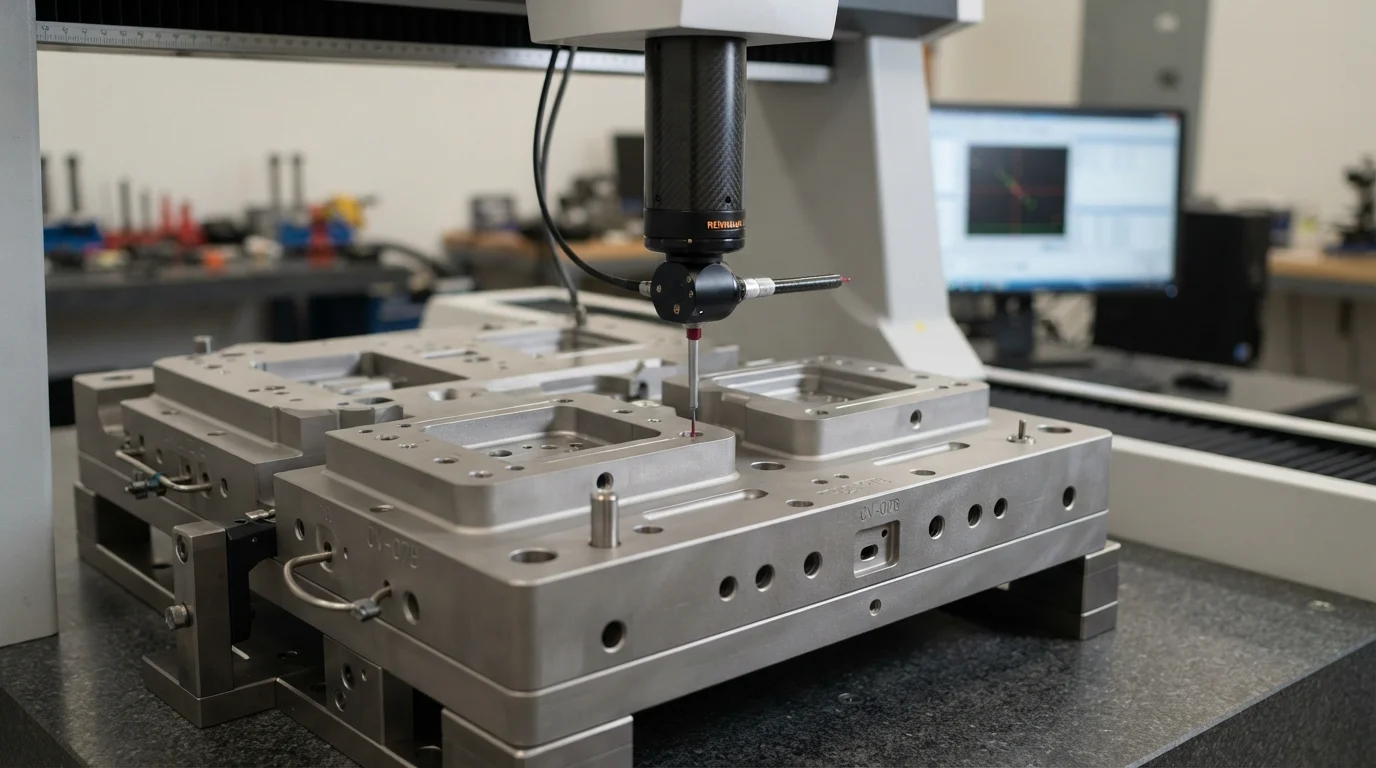
Relying on basic mold quotes often overlooks secondary finishing operations that are required before parts can be shipped to retail customers. Manual gate vestige clipping, ultrasonic welding, laser engraving, and custom Acabados superficiales add labor fees that are frequently omitted from initial tooling estimates. Specifying raw, as-molded finishes for non-cosmetic internal enclosures prevents unquoted finishing surcharges from inflating your project budget. Sourcing functional Servicio de mecanizado CNC o Moldeo al vacío models allows engineering groups to validate designs before committing to soft metal molds.
Jucheng Precision apoya a los equipos de hardware entregando cotizaciones completamente transparentes y detalladas que eliminan cargos sorpresa. Los ingenieros de fábrica realizan revisiones exhaustivas DFM gratuito las 24 horas reviews to identify potential hidden costs of rapid tooling early, helping you optimize parting lines, gate sizes, and wall uniformity. Sourcing your short-run Servicio de moldeo por inyección desde nuestras instalaciones de fabricación bajo un mismo techo garantiza que los cambios de diseño y los controles de calidad se gestionen sin problemas bajo un mismo techo:
- Revisiones DFM gratuitas de 24 horas—Factory engineers evaluate parting lines, gate sizes, and cooling waterlines before cutting metal
- Cotizaciones llave en mano transparentes—Los presupuestos detallados incluyen todos los costos secundarios de recorte de compuerta, pintura de superficie y empaque por adelantado
- In-house mold repair facilities—Factory toolmakers perform micro-laser welding and core modifications under one roof
Asociarse con un especialista certificado Servicio de prototipos specialist ensures your finished hardware matches exact drawing specifications cleanly. Sourcing your quotes manually ensures experienced engineers analyze your 3D STEP files to find additional ways of saving money on short-run molding. Custom components undergo rigorous coordinate metrology checks to confirm exact dimensional compliance. Sourcing high-quality prototypes ensures your designs are built to withstand severe dynamic forces safely.
Preguntas Frecuentes (FAQ)
What are the most common hidden costs of rapid tooling?
Late engineering change orders (ECOs), manual gate vestige trimming, and unexpected scrap rates caused by poor waterline designs represent the primary hidden costs of rapid tooling. Sourcing an early DFM review ensures these variables are fully calculated before cutting mold metal.
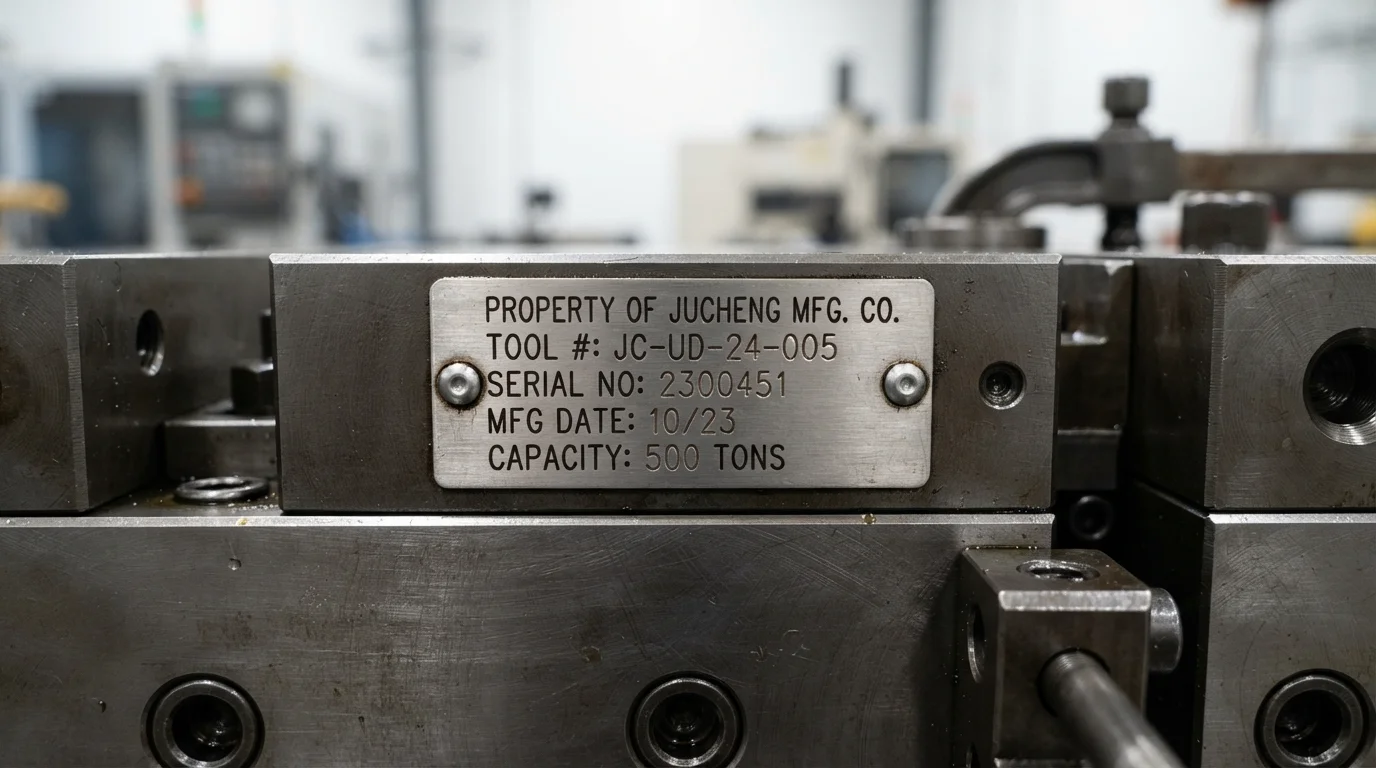
Who owns the rapid tooling mold after it is paid for?
Customers retain full ownership of the rapid mold cores and inserts after paying for fabrication. Molds are typically stored, maintained, and run inside the manufacturer’s press facility because cores are fitted to specific machine platens.
How can engineering change orders (ECOs) be minimized during molding?
Validating 3D CAD files through 3D printing or CNC machined functional prototypes prevents late design modifications. Ensuring the product architecture is fully frozen before milling core metal eliminates expensive laser welding and re-machining fees.

