


Balancing initial capital expenditures with long-term per-part manufacturing costs represents a pivotal financial crossroads for procurement leads and structural engineers during new product introduction (NPI) phases. Analyzing the cost of rapid tooling vs production tooling reveals clear breakeven thresholds where soft aluminum or pre-hardened steel molds deliver maximum financial ROI. Early-stage hardware launches frequently lack predictable sales volumes, making multi-cavity hardened steel tools a high-risk financial gamble that locks up crucial development cash flow. Sourcing intermediate molds allows product groups to fulfill initial market demand safely while testing real-world polymer performance.
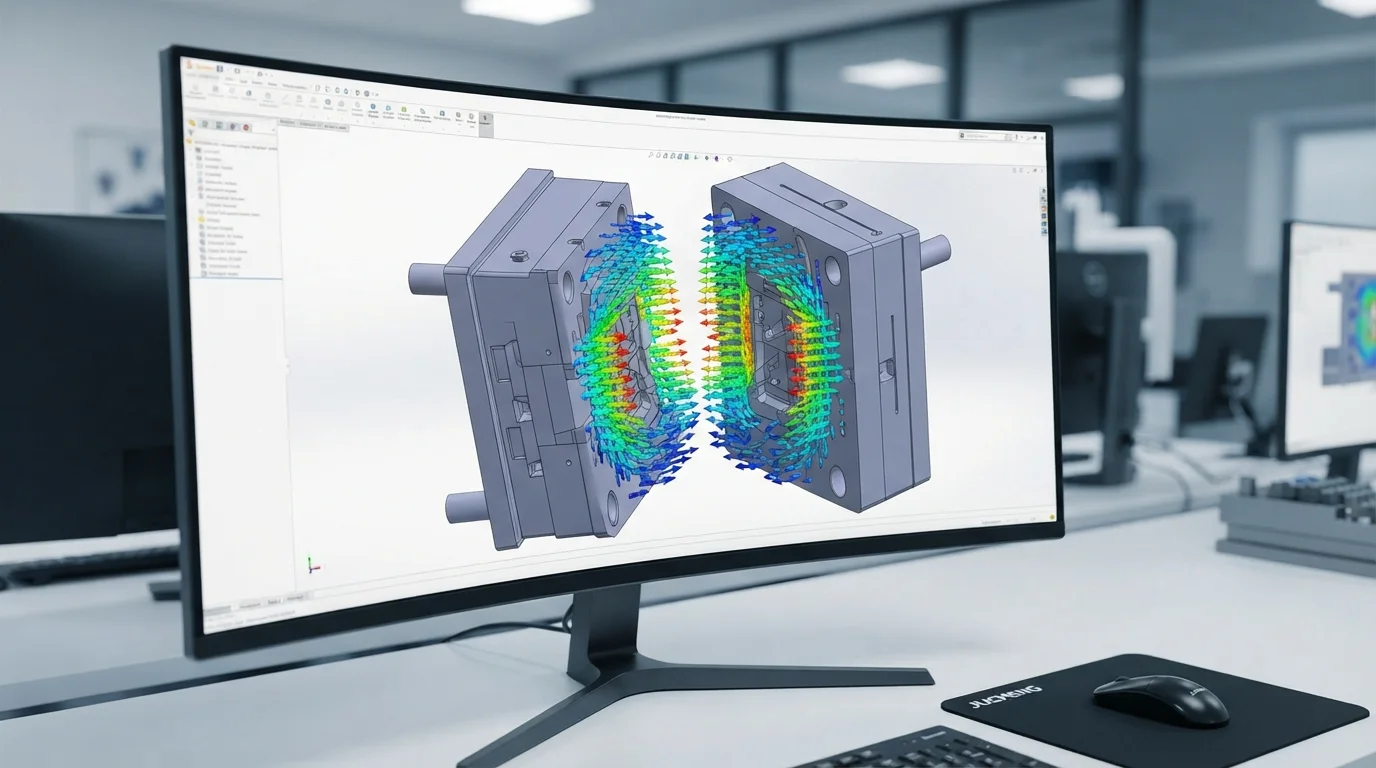
Tabla de Contenidos
1. Initial Capital Expenditure Comparisons
2. Piece Part Prices and Volume Break Even Calculations
Initial Capital Expenditure Comparisons
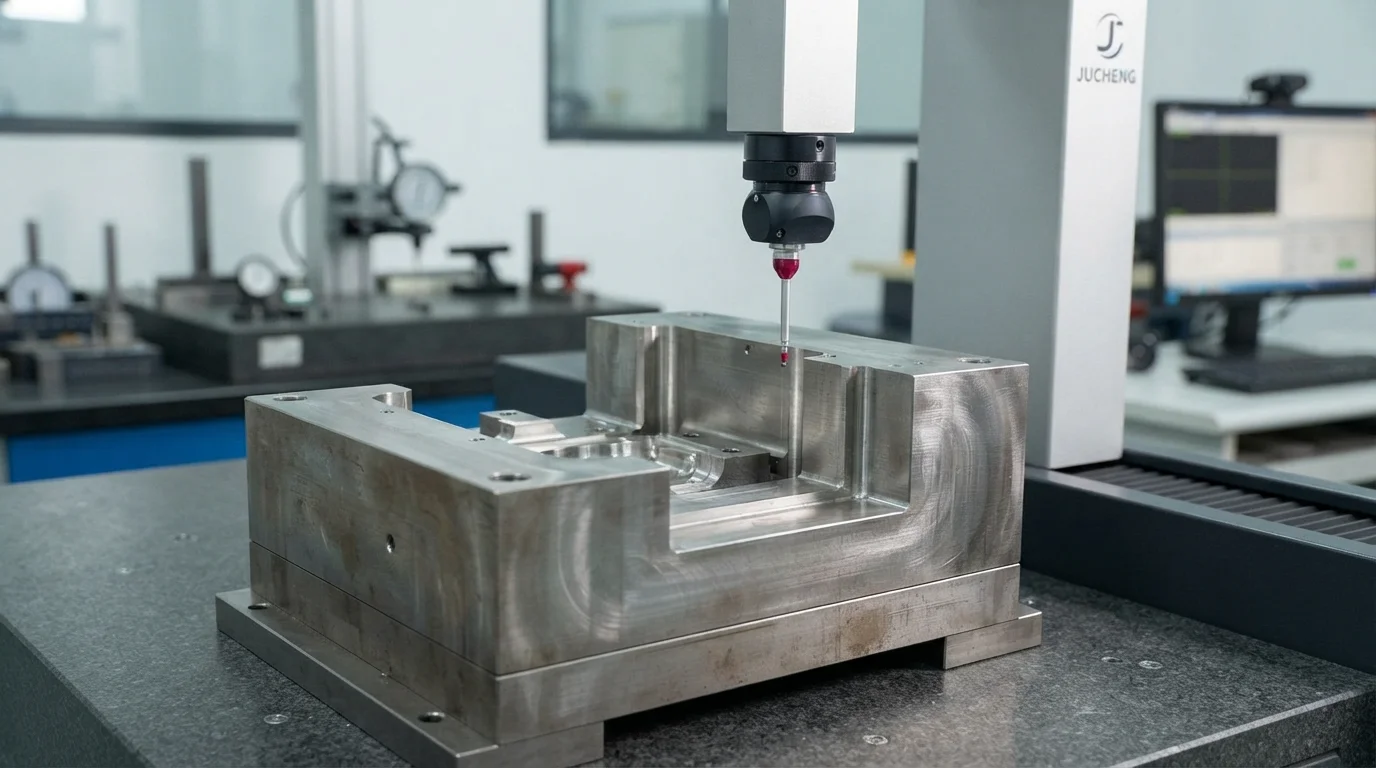
Question: Why does rapid tooling cost significantly less than production steel tooling? Rapid molds use highly machinable soft metals and modular unit die frames, eliminating slow spark-erosion EDM hours and custom mold base fabrication.
La obtención de un Servicio de utillaje rápido program enables mechatronics groups to produce thousands of functional plastic parts cheaply without committing tens of thousands of dollars to hard steel molds. Traditional production tooling relies on heat-treated H13 steel cores that require months of slow subtractive milling, vacuum hardening, and manual EDM spark erosion. Soft-alloy molds made from AL7075 Aluminio o pre-endurecido P20 Acero para Herramientas cut core machining hours by up to seventy percent. Lower starting CapEx allows startups to allocate remaining capital toward marketing campaigns and software optimization.
Analyzing how soft mold construction choices lower initial costo de utillaje rápido invoices involves reviewing several key manufacturing efficiencies:
- Soft alloy machinability—Cutting core cavities from aluminum AL7075 or pre-hardened P20 steel slashes CNC machine hours by up to 70 percent
- Eliminación de EDM complejo—Evitar los lentos montajes de electrodos por erosión por chispa reduce drásticamente las horas de trabajo en la sala de herramientas
- Utilización de marcos MUD modulares—Reutilizar bases de molde maestro universales evita los gastos de fabricación de marcos de molde exteriores personalizados
Cálculos de precios por pieza y punto de equilibrio por volumen
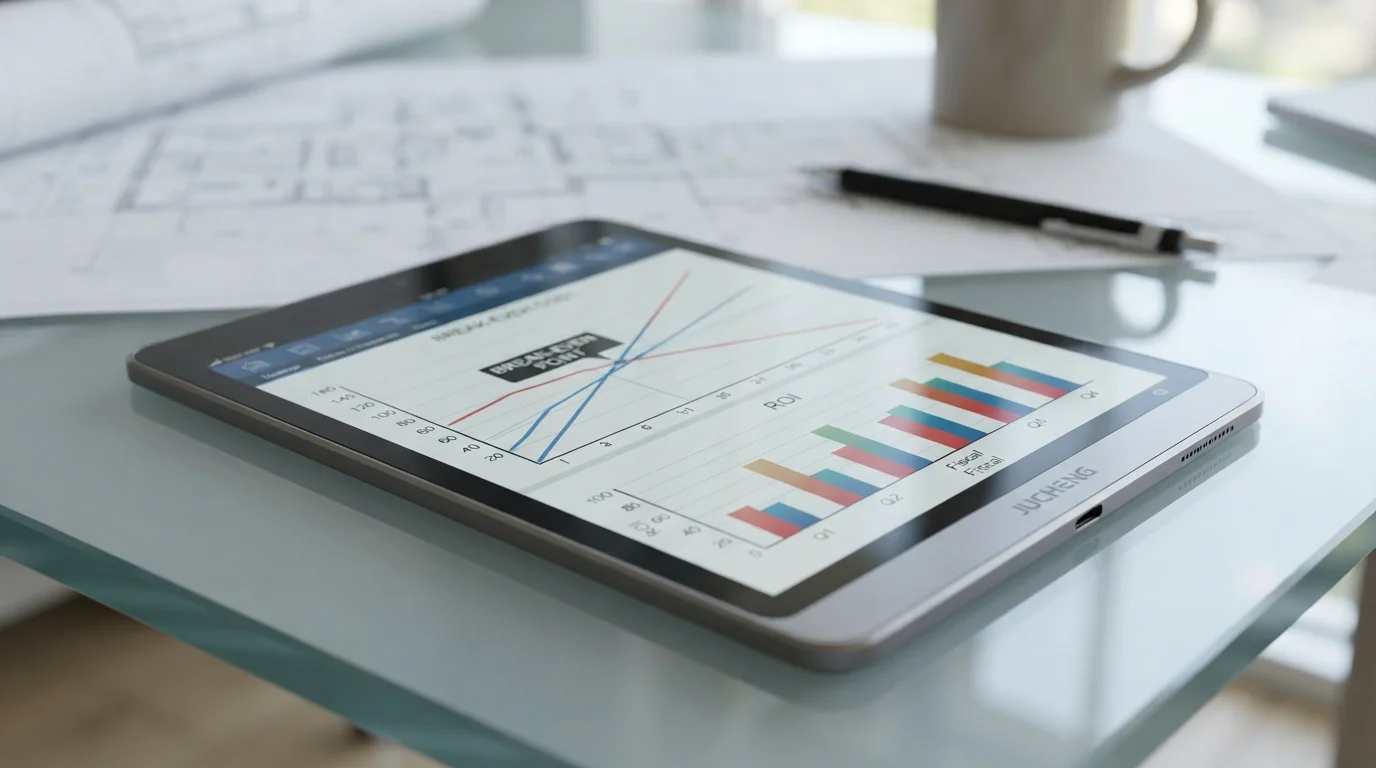
Pregunta: ¿A qué volumen de producción el utillaje de acero endurecido se vuelve más barato por pieza que el utillaje rápido? El utillaje de acero para producción se vuelve más económico cuando la demanda anual supera las 50,000 a 100,000 unidades, ya que los bajos precios por pieza compensan el alto CapEx inicial.
Comprender el cambio económico entre el costo del utillaje rápido y el utillaje de producción requiere calcular cómo se amortiza el CapEx inicial del utillaje en su volumen objetivo de piezas. Para tiradas cortas de menos de 10,000 unidades, el utillaje rápido ofrece un costo total de propiedad mucho menor porque los ahorros iniciales en el molde superan las primas menores en el precio unitario. Los moldes de producción de acero endurecido de múltiples cavidades, en comparación, logran tiempos de ciclo de enfriamiento más rápidos y mayores niveles de automatización, lo que reduce los costos individuales por pieza cuando se producen cientos de miles de unidades. Obtener revisiones financieras tempranas ayuda a los gerentes de producto a establecer umbrales de volumen claros antes de seleccionar los materiales del molde.
Seleccionar la filosofía de utillaje correcta implica equilibrar las propiedades de la materia prima con el riesgo financiero general. Esta tabla de comparación técnica destaca las métricas financieras y operativas de referencia entre diferentes opciones de molde:
| Opción de utillaje | CapEx Inicial del Molde | Precio por pieza (OpEx) | Volumen de producción ideal |
|---|---|---|---|
| Utillaje rápido (Aluminio) | Bajo ($2,000 – $8,000) | Moderado (Ciclos semiautomáticos) | 100 a 10,000 unidades (NPI y corridas puente) |
| Herramientas Puente (Acero P20) | Medio ($5,000 – $15,000) | Bajo-Moderado (Corridas automatizadas) | 5,000 a 50,000 unidades (validación de mercado) |
| Herramientas de Producción (Acero H13) | Alto ($25,000 – $100,000+) | Más bajo (Totalmente automatizado de múltiples cavidades) | 100,000+ unidades (escala masiva extrema) |
Mitigación de riesgos y escalado de producción por etapas
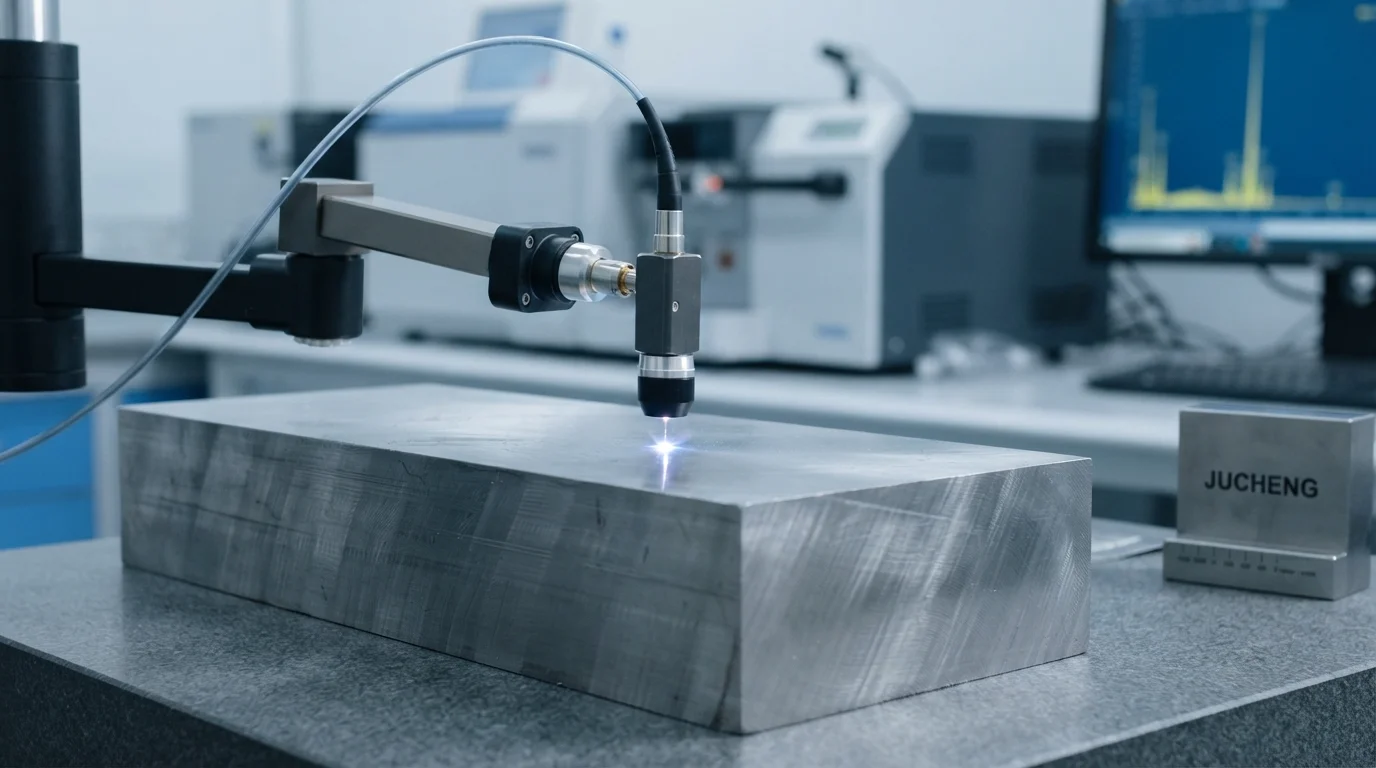
Pregunta: ¿Cómo mitiga el utillaje rápido el riesgo financiero durante los lanzamientos de hardware? Obtener moldes blandos permite a los desarrolladores probar polímeros de producción reales en mercados reales antes de comprometer un gran CapEx en utillaje de acero endurecido.
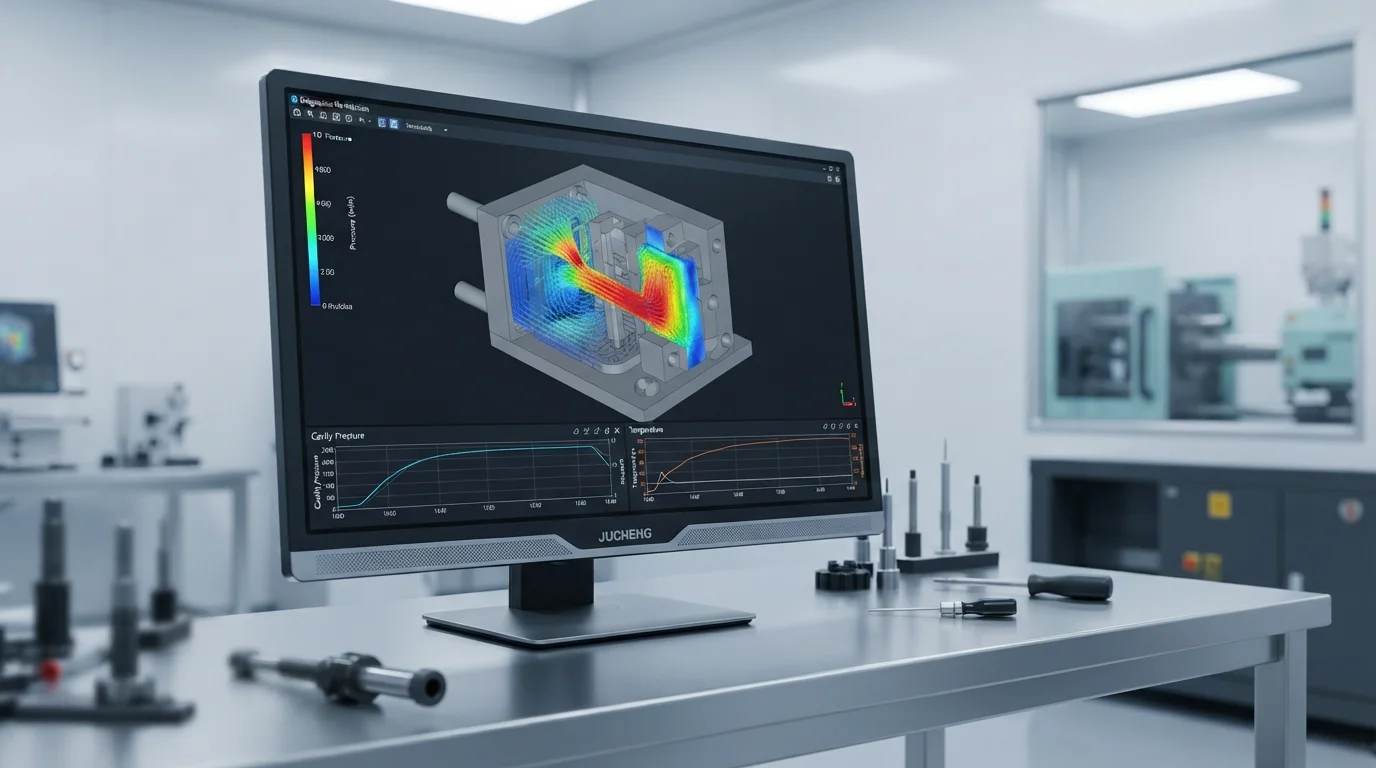
Evaluar las rutas de costo del utillaje rápido frente al utillaje de producción muestra que escalonar su inversión en utillaje protege su negocio contra retrasos en la adopción del mercado. Obtener funcional Servicio de mecanizado CNC piezas o moldes de aleación blanda permite a los grupos de ingeniería validar diseños utilizando termoplásticos de ingeniería reales como ABS, Nailon (PA), o Policarbonato (PC). El corte preciso de archivos CAD permite a los toolmakers experimentados analizar líneas de partición, ángulos de salida y espesores de pared utilizando software avanzado de simulación de flujo de moldeo. La obtención temprana de modelos de validación física garantiza que su startup evite fallos de diseño catastróficos antes de comprometer recursos de capital importantes.
Jucheng Precision opera una instalación de fábrica totalmente integrada que contiene centros de mecanizado multieje y precisión Servicio de moldeo por inyección precisión. Los ingenieros de fábrica entregan revisiones DFM gratuito las 24 horas revisiones para optimizar las ubicaciones de compuerta, líneas de separación y perfiles de desmoldeo antes de cortar metal. Obtener piezas funcionales Servicio de prototipos piezas o moldes de aleación blanda permite a los grupos de ingeniería validar diseños antes de comprometerse a la producción de alto volumen. Las ventajas operativas clave del escalado de producción por etapas incluyen:
- Revisiones DFM gratuitas de 24 horas—Los ingenieros de fábrica evalúan líneas de partición, ubicaciones de compuertas y ángulos de desmoldeo antes de cortar el metal del núcleo
- Sistemas de gestión de calidad certificados—Las instalaciones conformes con ISO 13485 e IATF 16949 garantizan trazabilidad completa de materiales y repetibilidad de piezas
- Instalaciones de fabricación bajo un mismo techo—Operar talleres de fabricación de moldes y prensas de inyección internos elimina las brechas de comunicación entre proveedores
Asociarse con un fabricante certificado le ayuda a navegar la transición desde maquetas visuales tempranas hasta herramientas puente de bajo volumen sin problemas. Obtener sus cotizaciones manualmente asegura que ingenieros experimentados analicen sus archivos STEP 3D para encontrar formas adicionales de optimizar su costo de decisiones de herramientas rápidas vs. herramientas de producción. Los componentes personalizados se someten a rigurosas verificaciones de metrología por coordenadas para confirmar el cumplimiento dimensional exacto. Obtener prototipos de alta calidad asegura que sus diseños estén construidos para soportar fuerzas dinámicas severas de manera segura.
Preguntas Frecuentes (FAQ)
¿Cuánto más barato es el utillaje rápido que el utillaje de producción?
La fabricación inicial de moldes para utillaje rápido suele costar de un 40% a un 70% menos que el utillaje de producción de acero endurecido. Los núcleos de aluminio blando o acero pre-endurecido se mecanizan mucho más rápido en fresadoras CNC, evitando por completo las lentas horas de electroerosión por chispa.
¿Cuándo debe una startup de hardware hacer la transición a moldes de producción de acero endurecido?
Se recomienda la transición a utillaje de acero endurecido cuando los diseños de producto están 100% congelados y la demanda anual de piezas supera las 50,000 a 100,000 unidades. Los altos volúmenes de producción justifican el CapEx inicial del molde de acero al ofrecer precios por pieza más bajos.
¿Pueden los moldes de utillaje rápido producir piezas que cumplan con las normas ISO 13485 e IATF 16949?
Los moldes rápidos que se ejecutan en instalaciones certificadas producen piezas de resinas de grado de producción que cumplen completamente con los estándares de gestión de calidad médica y automotriz. Los certificados completos de materiales de molino y los informes de inspección CMM garantizan una trazabilidad total en lotes de producción corta.

