


Designing custom hardware mockups often tempts product development teams to specify extreme tolerances and ultra-smooth finishes that have zero impact on functional performance. Every micro-inch of unnecessary precision and every manual polishing hour adds steep premiums to your bottom line, blowing past tight developmental budgets. Learning how to reduce rapid tooling cost during early CAD iterations requires a balanced manufacturing strategy that matches your immediate validation objectives with the most cost-effective fabrication process. Eliminating over-engineered features early ensures you secure structurally sound parts without overpaying for cosmetic details.
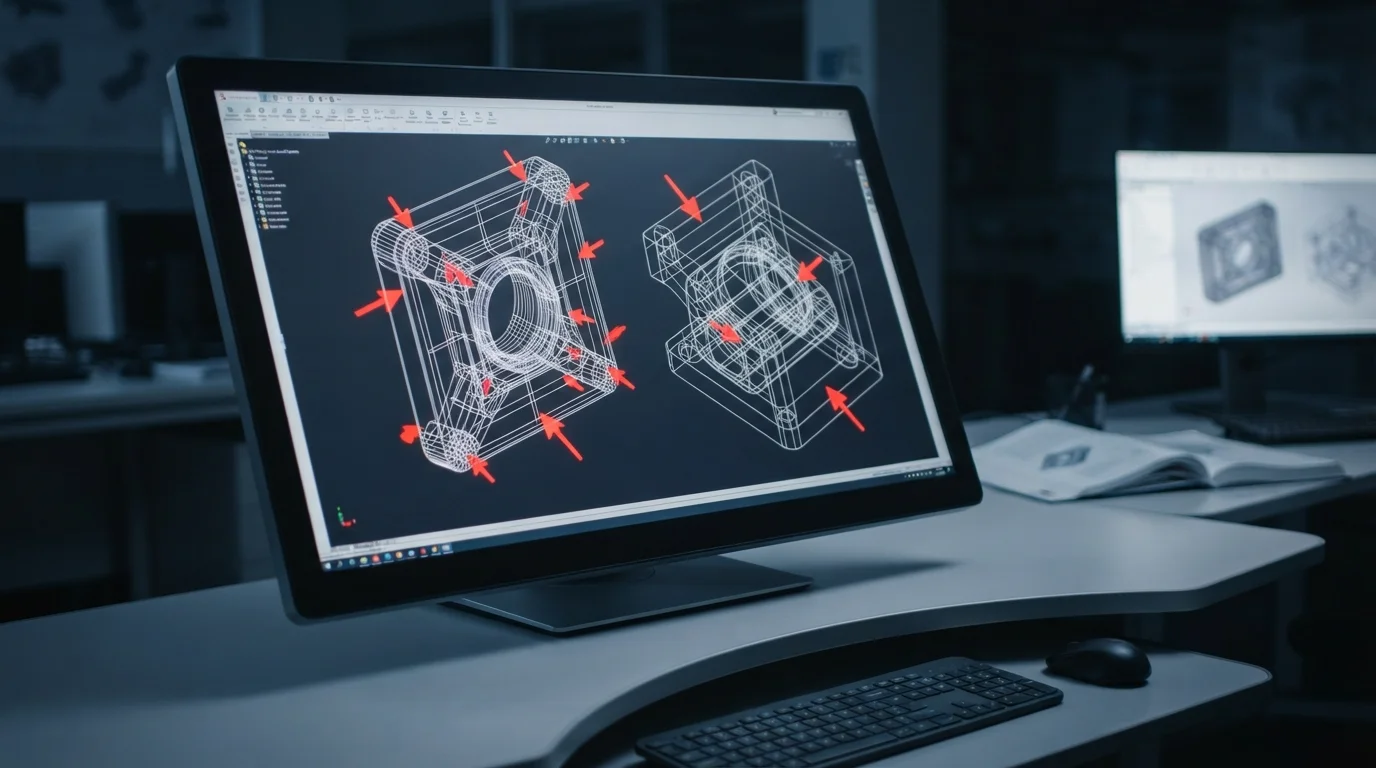
Tabla de Contenidos
1. Eliminating Undercuts to Avoid Expensive Sliders and Lifters
2. Hand Loaded Inserts and Surface Finish Adjustments
Eliminating Undercuts to Avoid Expensive Sliders and Lifters
Question: Why do undercuts drive up mold tooling budgets? Undercuts require moving mechanical sliders or hydraulic lifters inside the mold, adding thousands of dollars in machining and fitting labor.
Intricate internal undercuts and side holes require complex moving mechanisms that increase initial mold fabrication expenses. Sourcing a dedicated Servicio de utillaje rápido using aluminum or soft steel cores delivers genuine injection-molded components from production-grade resins within weeks. Slicing CAD files precisely allows experienced toolmakers to analyze parting lines, draft angles, and wall thicknesses using advanced mold flow simulation software. Eliminating unnecessary mechanical sliders protects soft aluminum shut-offs from early wear, keeping your overall costo de utillaje rápido well within target limits.
Redesigning part geometries to bypass undercuts represents the most effective DFM strategy for keeping rapid mold costs low. Key CAD modification methods to eliminate sliders include:
- Pass-through shut-offs—Placing a cutout beneath internal snap-fit tabs allows opposing mold halves to form hooks without moving parts
- Parting line relocation—Shifting where mold halves meet turns external side undercuts into straight-pull geometries
- Hand-loaded loose cores—Inserting loose steel pins manually before each cycle bypasses $5,000 hydraulic side-actions
Hand Loaded Inserts and Surface Finish Adjustments
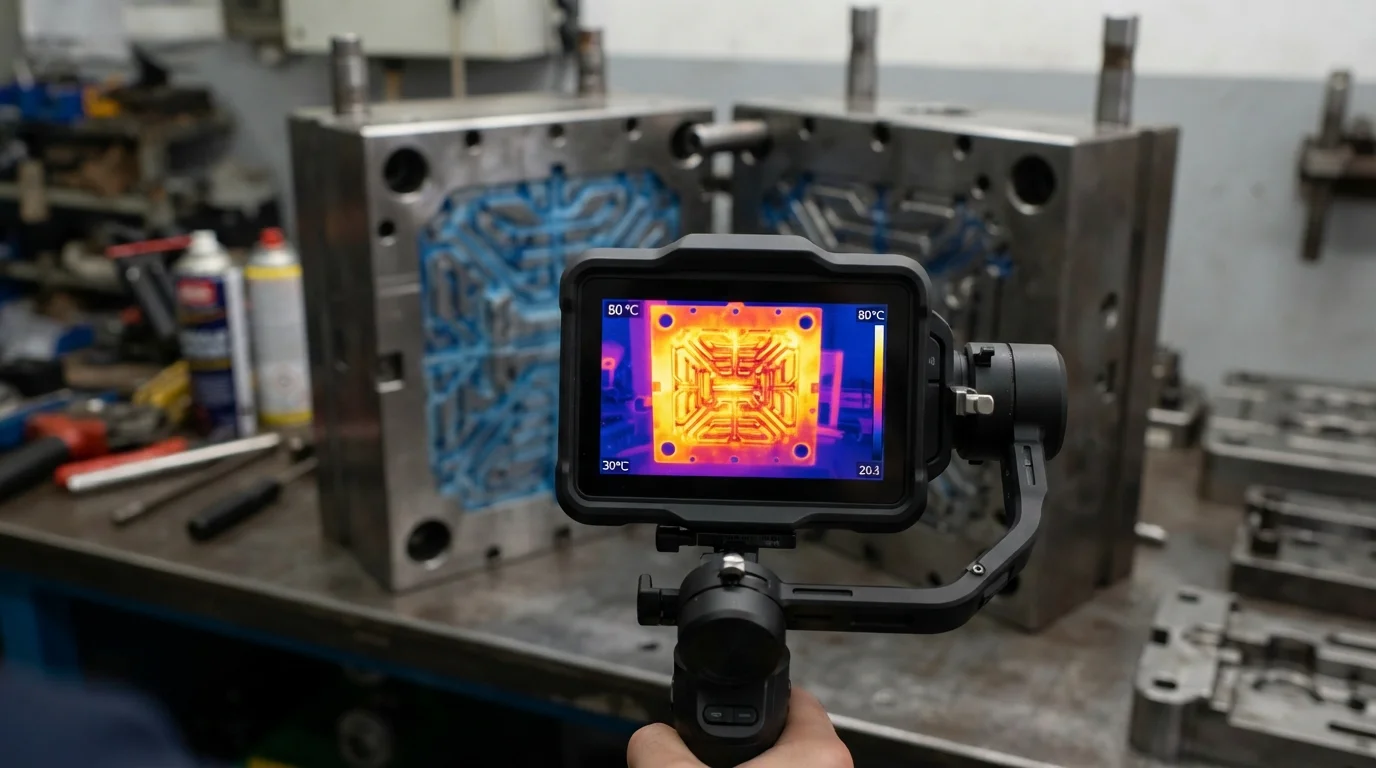
Question: How do surface finish specifications affect injection mold pricing? Specifying high-gloss optical polishing requires intensive hand-sanding hours, whereas as-machined or bead-blasted finishes keep labor costs low.
Applying specialized Acabados superficiales to core cavities influences manual labor costs significantly. High-gloss SPI-A1 diamond polishing requires dozens of skilled hand-polishing hours, doubling finishing expenditures. Specifying standard bead-blasted or raw machine finishes for internal structural features keeps polishing labor to a minimum. Understanding how to reduce rapid tooling cost during early specification reviews helps engineering teams allocate finishing funds only to visible show faces.
El abastecimiento de piezas funcionales moldeadas a partir de plásticos de ingeniería sólidos como ABS, Nailon (PA), o Policarbonato (PC) provides authentic material behavior under dynamic loading. Sourcing soft metal cavities made from AL7075 Aluminio o P20 Acero para Herramientas lowers raw billet purchasing expenses. This technical comparison table outlines baseline cost behaviors across different DFM choices:
| Variable de diseño | Práctica de diseño costosa | Alternativa de ahorro de costos | Beneficio financiero principal |
|---|---|---|---|
| Side Features | Automatic hydraulic sliders ($3,000+) | Pass-through shut-offs or hand-loaded inserts | Eliminates complex moving mold components |
| Cavity Finish | SPI-A1 mirror diamond polish | As-machined or light bead blasting | Saves up to 40% on manual toolroom labor |
| Wall Structure | Bloques sólidos gruesos y variables | Uniform walls (1.5–3.0 mm) with 60% ribs | Shortens cooling cycle times, prevents warpage |
Standardizing Wall Thickness and Early DFM Optimization
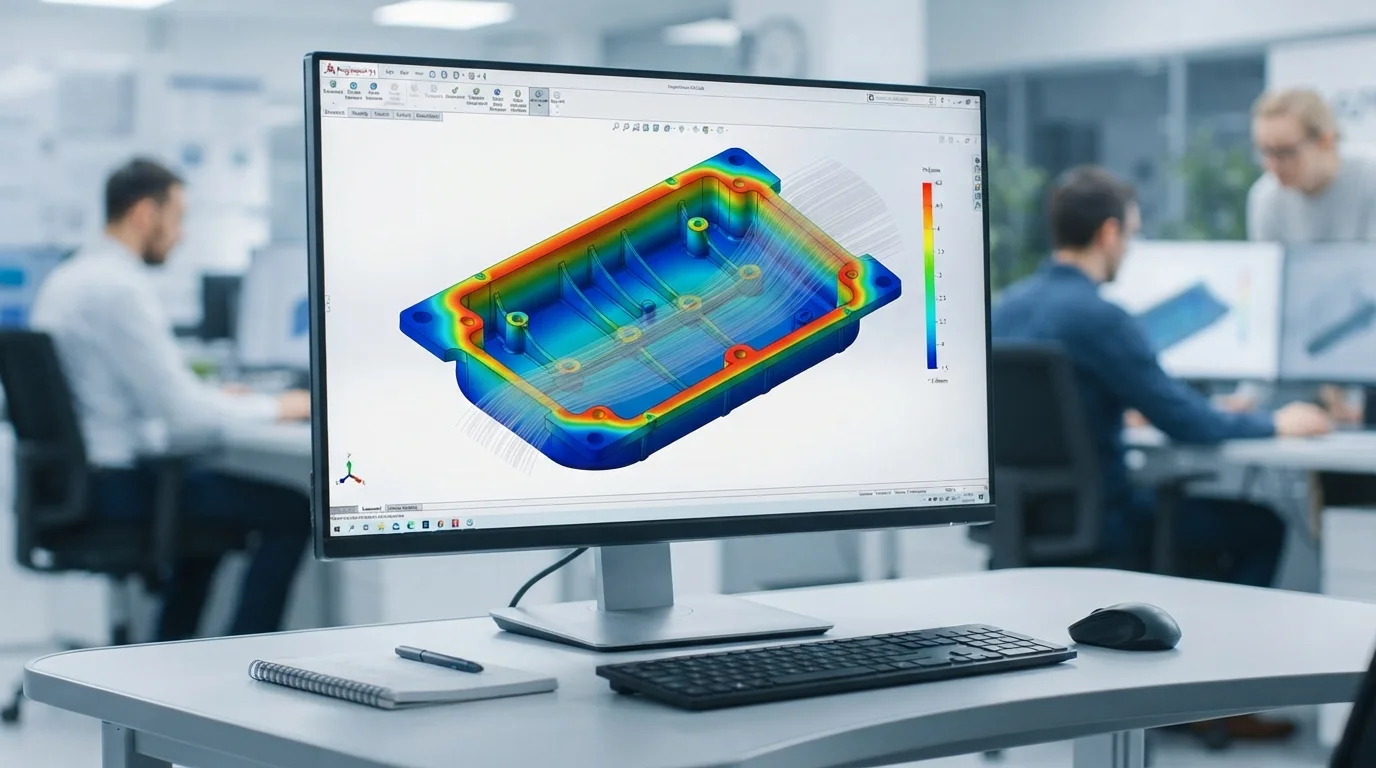
Mantener un espesor de pared uniforme representa la regla de oro de la ingeniería de plásticos, evitando velocidades de enfriamiento desiguales que causan deformación posterior al moldeo. Los cubos de plástico gruesos o las nervaduras sólidas se enfrían más lentamente que las paredes delgadas adyacentes, creando tensiones de vacío internas que tiran de la piel exterior hacia adentro. Incorporar nervaduras de refuerzo con un espesor del 60 por ciento de la pared principal proporciona rigidez estructural sin causar marcas de hundimiento visibles. Obtener una validación dimensional temprana asegura que las características de enclavamiento se alineen perfectamente bajo cargas dinámicas físicas.
Jucheng Precision opera una instalación de fábrica totalmente integrada que contiene tanto centros Servicio de mecanizado CNC centers and precision Servicio de moldeo por inyección precisión. Los ingenieros de fábrica entregan revisiones DFM gratuito las 24 horas revisiones para optimizar las ubicaciones de compuerta, líneas de separación y perfiles de desmoldeo antes de cortar metal. Obtener piezas funcionales Servicio de prototipos parts or soft-alloy molds allows engineering groups to validate designs before committing to high-volume production. Proven CAD optimizations help engineers discover how to reduce rapid prototyping cost across all manufacturing phases:
- Revisiones DFM gratuitas de 24 horas—Factory engineers analyze draft angles, wall uniformity, and gate locations before cutting metal
- Moldflow simulation sweeps—Digital programs trace liquid polymer front velocities, predicting air traps and sink mark risks
- Standardized MUD mold frames—Reusing universal master bases slashes raw steel purchasing requirements by up to 50 percent
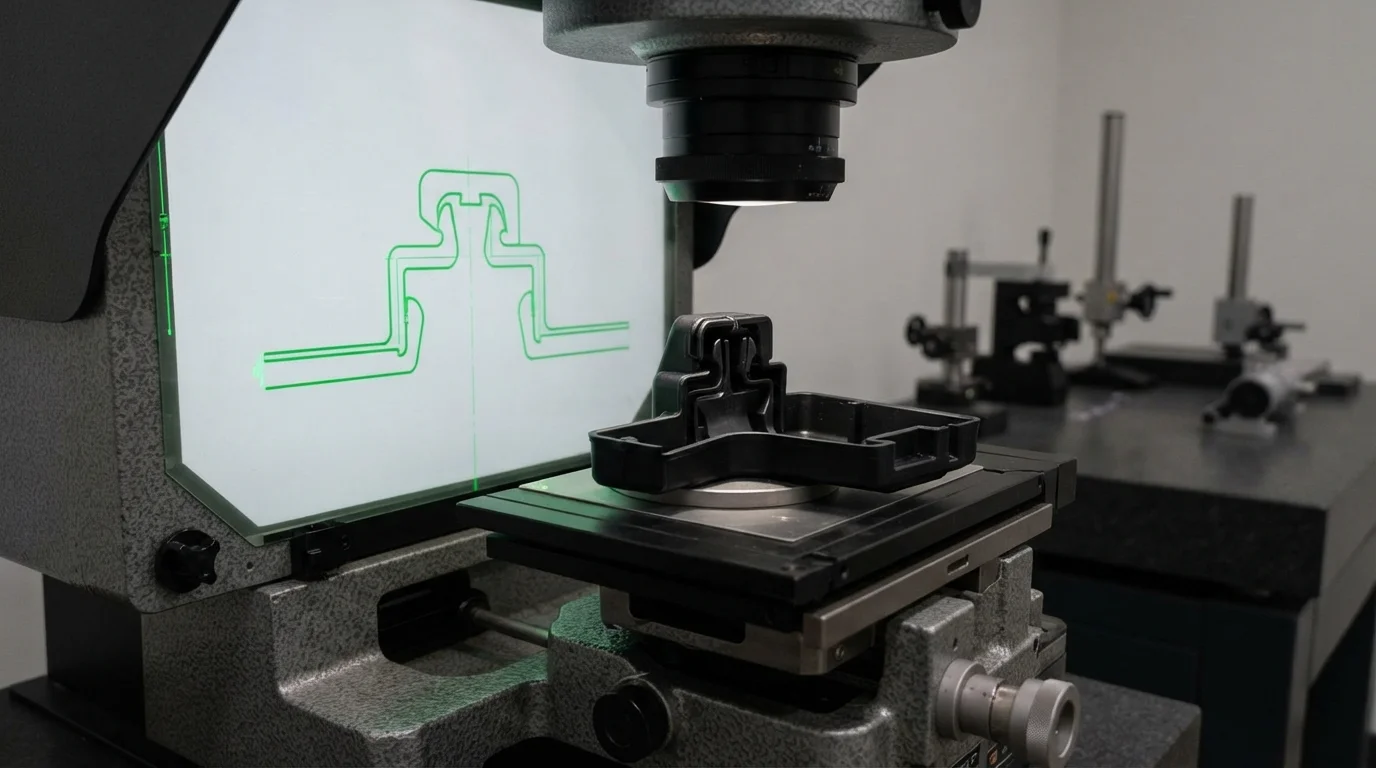
Partnering with a certified manufacturer helps you navigate the transition from early visual mockups to low-volume bridge tooling seamlessly. Sourcing your quotes manually ensures experienced engineers analyze your 3D STEP files to find additional ways of saving money. Custom components undergo rigorous coordinate metrology checks to confirm exact dimensional compliance. Sourcing high-quality prototypes ensures your designs are built to withstand severe dynamic forces safely.
Preguntas Frecuentes (FAQ)
What is the single most effective way to lower mold costs during CAD design?
Eliminating undercuts and incorporating pass-through shut-offs represents the single most effective DFM modification. Removing side-actions avoids thousands of dollars in mechanical slider and lifter fabrication hours.
Does requiring tighter tolerances increase rapid tooling bills significantly?
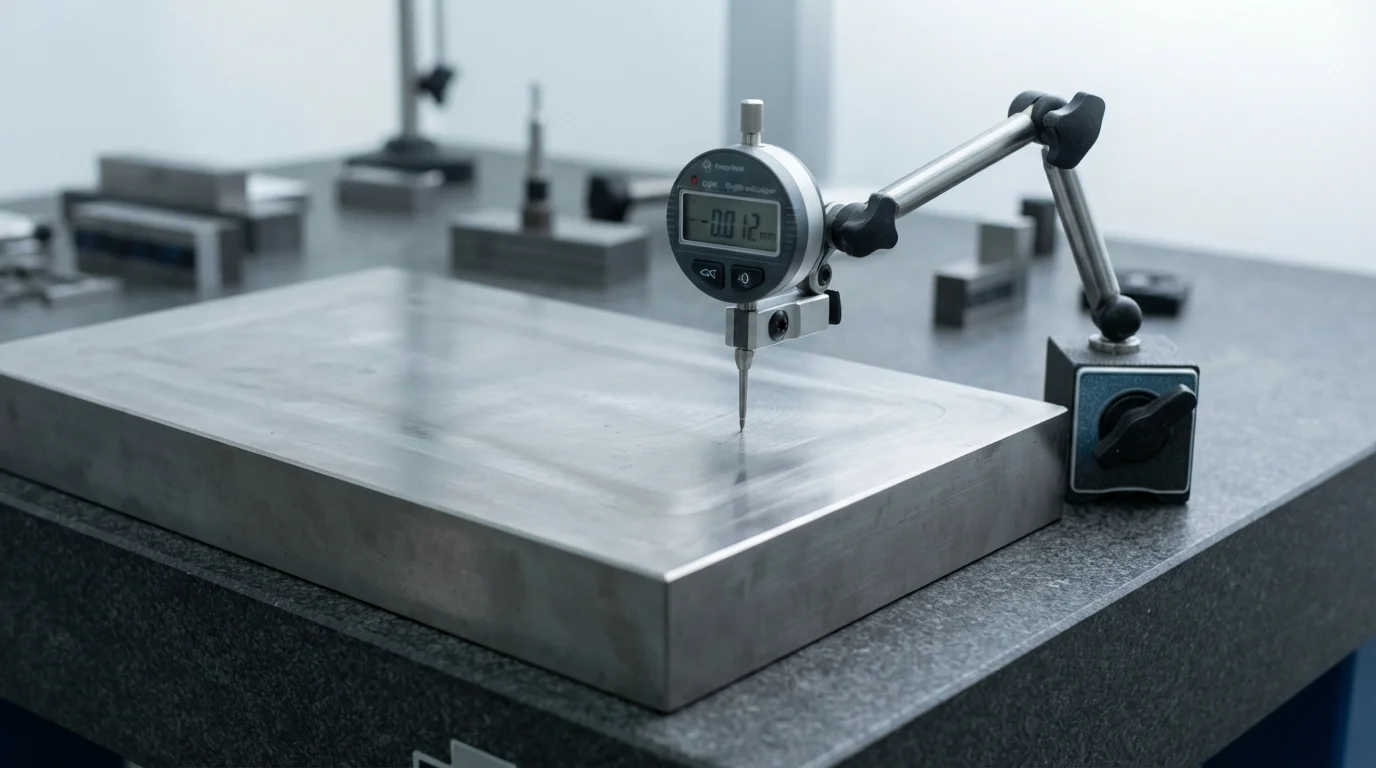
Demanding micro-tolerances down to ±0.01 mm requires slow machine finishing passes and constant CMM metrology inspection runs. Relaxing non-mating clearances to ±0.1 mm reduces machine time and lowers total tooling expenses.
Why should hand-loaded inserts be used for low-volume injection runs?
Replacing automatic hydraulic sliders with loose steel inserts placed manually into the cavity saves $3,000 to $8,000 per feature. Hand-loaded inserts are ideal for small runs of 100 to 2,000 parts where operator labor is cheaper than complex mold mechanisms.

