


En el mundo de la fabricación, la palabra "resina" es uno de los términos más comunes y más confusos. Es un poco como la palabra "metal". No se refiere a una cosa específica. Se refiere a una enorme categoría de materiales.
Por lo tanto, cuando un ingeniero solicita "fundición al vacío con resina", nuestra primera y más importante pregunta es siempre la misma: "¿Qué resina?"
Elegir la resina adecuada es la decisión más importante en este proceso. Definirá las propiedades de su prototipo, su rendimiento y su capacidad para imitar realmente su producto final. Esta guía desmitificará la palabra "resina" y le mostrará por qué una familia particular de resinas es la campeona indiscutible de esta tecnología.
contenido:
Desmitificando la palabra 'Resina'
Poliuretano: El campeón de las resinas para prototipos
Otras resinas: Comprendiendo sus roles
Emparejar la resina con el trabajo
Por qué es importante un socio especialista
Desmitificando la palabra 'Resina'
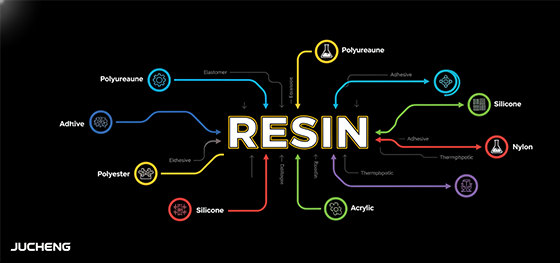
En la química de polímeros, "resina" es un término general para un líquido que puede curarse en un sólido. Hay muchas familias diferentes de resinas termoendurecibles.
Las resinas epoxi son famosas por su alta resistencia y su uso como adhesivos. Las resinas de poliéster se utilizan a menudo con fibra de vidrio para fabricar estructuras grandes y resistentes como cascos de barcos. Las resinas de silicona se utilizan para fabricar los moldes flexibles para el propio proceso de fundición al vacío.
Y luego están las resinas de poliuretano. Si bien todas estas son técnicamente "resinas", en el mundo de la fundición al vacío con resina para prototipos de productos, una familia domina a todas las demás por su versatilidad y rendimiento. Esa familia es el poliuretano.
Poliuretano: El campeón de las resinas para prototipos
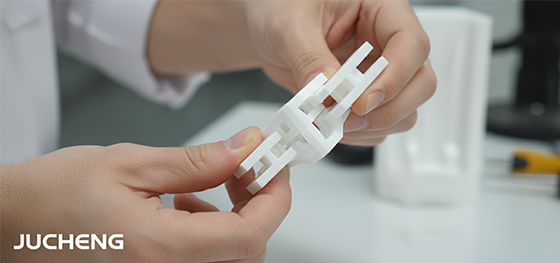
¿Por qué es el poliuretano el rey de este proceso? Porque es un camaleón. La familia del poliuretano materiales de fundición al vacío es enorme.
Al cambiar la formulación química, un químico de materiales puede crear una resina de poliuretano que imita perfectamente las propiedades de casi cualquier termoplástico de producción. Esta es la magia de fundición al vacío de poliuretano.
Podemos elegir un poliuretano rígido de alto rendimiento que se siente y se comporta como ABS, PC o Nylon. Será fuerte, rígido y dimensionalmente estable.
O podemos elegir un poliuretano blando, flexible y elastomérico que se siente como caucho o silicona. Incluso podemos ajustar la dureza exacta, desde suave como gel hasta firme como neumático.
Esta increíble versatilidad es lo que hace que el proceso sea tan poderoso. Nos permite crear un prototipo que no solo se ve como su producto final, sino que también se siente y funciona como tal.
Otras resinas: Comprendiendo sus roles
Si bien el poliuretano es la estrella, otras resinas tienen su lugar, pero generalmente no en la creación de prototipos funcionales.
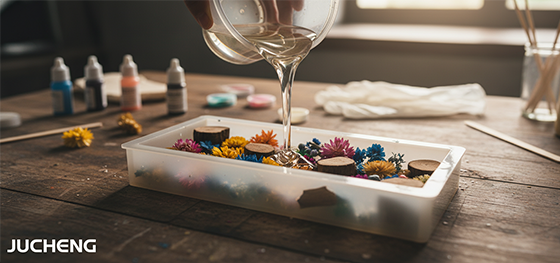
Las resinas epoxi a veces se utilizan para el moldeado. Son muy fuertes y tienen baja contracción. Pero a menudo son más frágiles que los poliuretanos. Se usan más comúnmente en el mundo del arte y el hobby para crear encapsulaciones cristalinas o "mesas de río"."
Las resinas de poliéster son muy baratas. Pero tienen una alta contracción, lo que significa que la pieza final no es muy precisa dimensionalmente. También tienen un olor muy fuerte y desagradable. Casi nunca se utilizan para piezas prototipo de alta calidad.
Para el mundo de la creación de prototipos profesionales, el poliuretano ofrece el mejor equilibrio entre rendimiento, versatilidad y precisión.
Emparejar la resina con el trabajo
Por lo tanto, al planificar su proyecto, la clave es definir sus necesidades.
¿Qué material de producción está tratando de simular? ¿Cuál es la propiedad más importante que debe tener su prototipo? ¿Es rigidez? ¿Resistencia al impacto? ¿Flexibilidad? ¿Resistencia al calor?
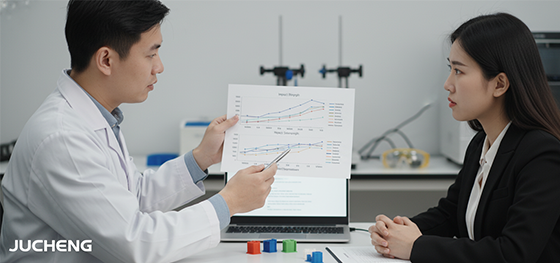
Según sus respuestas, un socio de fabricación experimentado puede seleccionar la resina de poliuretano perfecta de su biblioteca. Mirarán las hojas de datos. Compararán el módulo de flexión, la resistencia al impacto, la temperatura de deflexión térmica y la dureza Shore.
Esta es una decisión basada en datos y liderada por ingeniería. Asegura que el proceso de moldeado al vacío con resina produzca una pieza que le brinde comentarios verdaderamente valiosos y confiables.
Por qué es importante un socio especialista
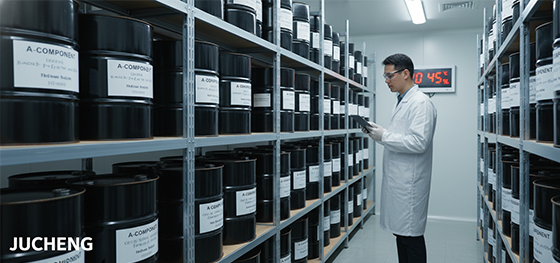
Trabajar con estas resinas avanzadas requiere experiencia. Cada formulación tiene sus propias peculiaridades únicas.
Deben almacenarse en un ambiente con clima controlado. Deben mezclarse en una proporción precisa. Deben desgasificarse adecuadamente al vacío. Y requieren tiempos y temperaturas de curado específicos.
A specialist partner like JUCHENG has this expertise. We have a deep knowledge of the wide range of materiales de fundición al vacío available. We can provide you with not just a part, but with a full consultation.
We help you clarify your needs. We guide you to the right resin. And then we execute the process with the precision and control needed to create a perfect prototype. This partnership turns a confusing term like "resin" into a powerful manufacturing solution.

