


La obtención de componentes mecánicos personalizados de talleres de fresado multieje implica un análisis detallado del tiempo de configuración de la máquina, el desgaste de la herramienta de corte y la mano de obra de programación. Los talleres mecánicos calculan las tarifas horarias básicas de manera diferente según la complejidad mecánica y las especificaciones de tolerancia específicas de sus planos CAD. Los ingenieros de proyecto a menudo pasan por alto las penalizaciones de costo de las geometrías no estándar, lo que lleva a cotizaciones infladas que retrasan los cronogramas de desarrollo de productos. Estandarizar las características de su hardware desde el principio representa la vía más fácil para reducir las facturas del taller mecánico de manera segura.
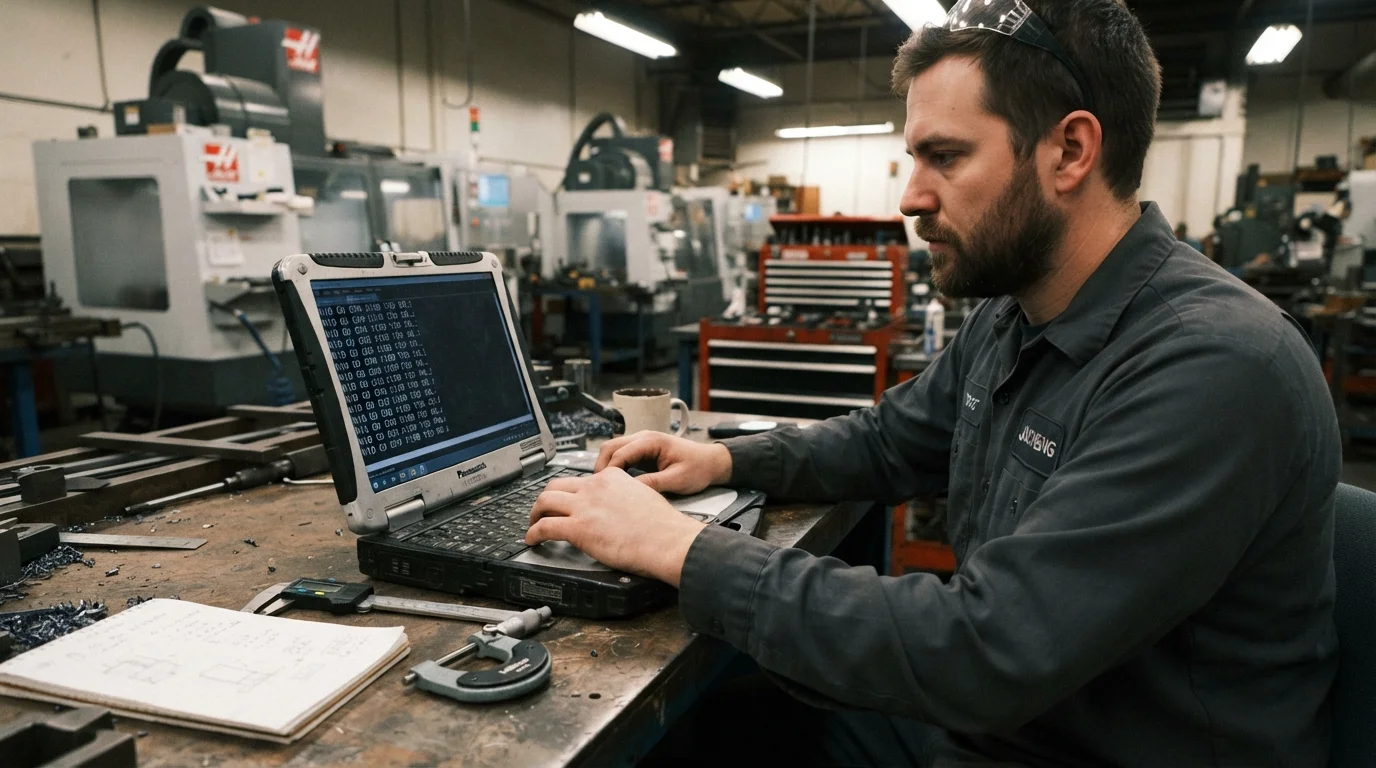
La selección de aleaciones estructurales y plásticos de alta fatiga que se cortan rápidamente evita el desgaste excesivo del husillo y reduce drásticamente los tiempos de mecanizado en bruto. Los diseñadores de herramientas evalúan los tamaños de los bloques de palanquilla en bruto, las configuraciones de los dispositivos de sujeción y los comportamientos de evacuación de viruta utilizando software de diagnóstico CAD avanzado. Obtener revisiones técnicas tempranas establece una vía clara y libre de riesgos hacia la producción en masa desde la primera muestra física. Veamos cómo puede optimizar sus geometrías para reducir las horas de máquina y obtener cotizaciones altamente competitivas.
Tabla de Contenidos
1. Complejidad del mecanizado multieje y cargos por tarifa de máquina
2. Selección de materia prima y velocidades de corte
3. Demandas de tolerancia y costos de inspección metrológica
Complejidad del mecanizado multieje y cargos por tarifa de máquina
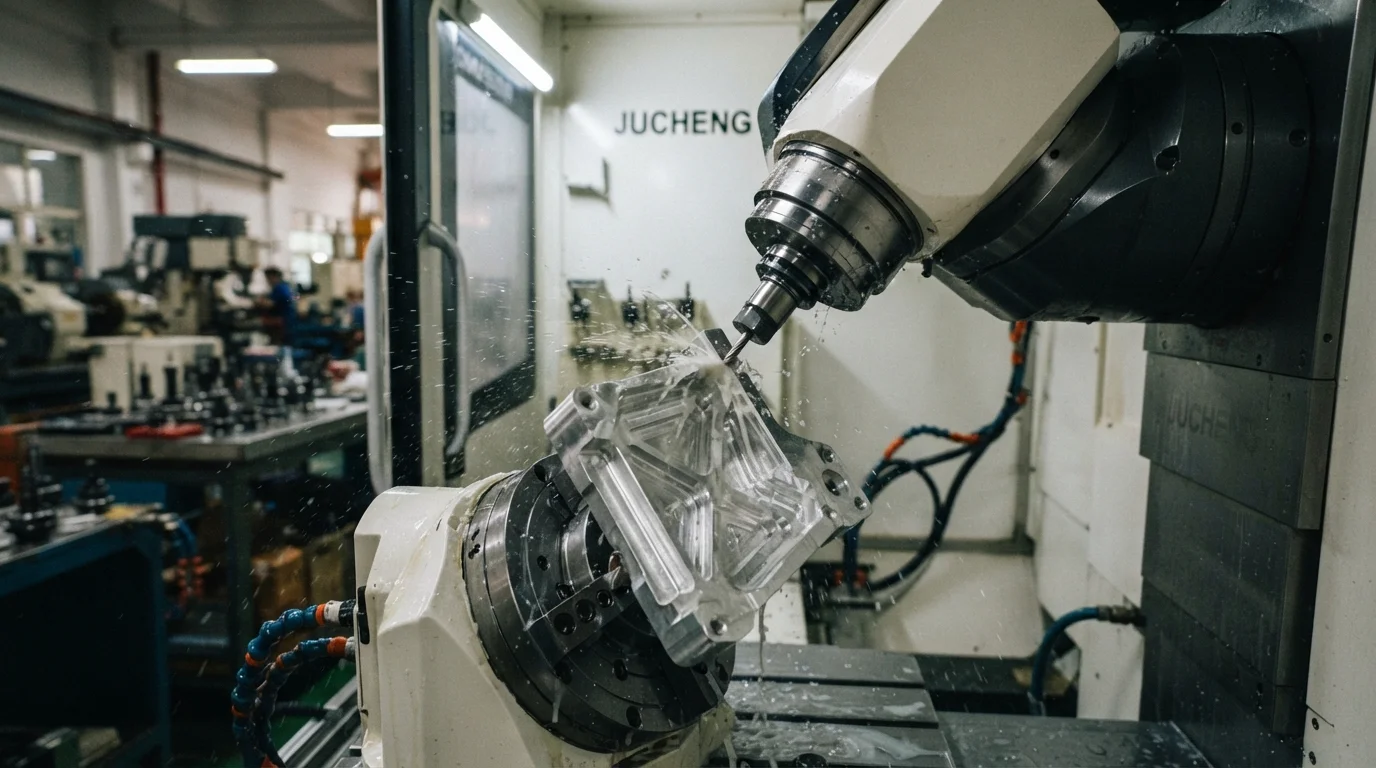
Pregunta: ¿Por qué las configuraciones de sujeción aumentan las horas de programación G-code? Las configuraciones de piezas rotativas requieren verificaciones de alineación manual y configuraciones de cero de herramienta separadas, lo que aumenta directamente los tiempos de mano de obra activa.
Las configuraciones de sujeción y los movimientos del eje del husillo representan los principales impulsores de las horas de programación G-code y del costo de prototipado CNC. Los centros de fresado estándar de 3 ejes manejan paneles planos y cajas simples de manera económica porque requieren rotaciones mínimas de piezas físicas. Sin embargo, diseñar geometrías complejas con características en los seis lados de coordenadas exige un mecanizado simultáneo de 5 ejes o múltiples configuraciones de sujeción manual. Obtener piezas personalizadas de una instalación totalmente integrada reduce los gastos de configuración al utilizar trayectorias de herramienta simultáneas de manera eficiente.
Los centros de fresado simultáneo de 5 ejes cortan socavados profundos y agujeros angulados en una sola configuración de sujeción, preservando repetibilidades de coordenadas submicrónicas. Sin embargo, operar maquinaria de alta gama conlleva una tarifa horaria de máquina más alta que debe equilibrarse cuidadosamente con el presupuesto objetivo de su proyecto. Obtener comentarios de DFM diseñados por humanos desde el principio le ayuda a determinar si el fresado de 3 ejes con líneas de separación inteligentes puede evitar costosas configuraciones de 5 ejes. Las configuraciones de componentes simétricos simplifican los dispositivos de sujeción, reduciendo drásticamente las horas de mano de obra de configuración inicial.
Selección de materia prima y velocidades de corte
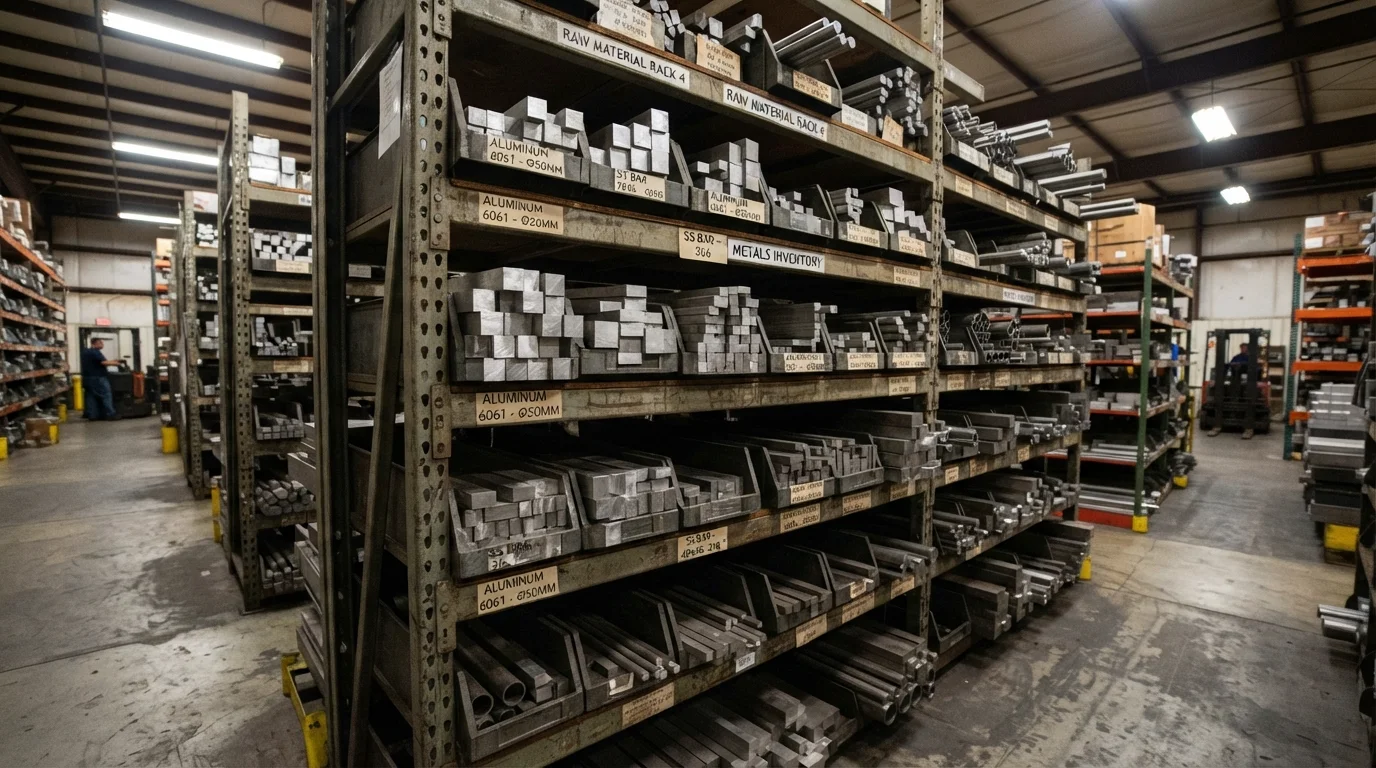
Pregunta: ¿Cómo afectan las propiedades físicas del material a los tiempos de mecanizado? Los metales duros requieren velocidades de avance más lentas y aceleran el desgaste de la herramienta, mientras que los plásticos de ingeniería blandos se cortan rápidamente con una resistencia mínima del husillo.
Las velocidades de corte influyen directamente en la factura final porque los metales resistentes requieren velocidades de avance lentas y causan un desgaste rápido de la herramienta de corte. El mecanizado de plásticos de ingeniería en bruto como ABS o Delrin (POM) es rápido y rentable, exigiendo un tiempo mínimo de husillo de la máquina. Los metales más duros como el titanio Grado 5 o las superaleaciones Inconel requieren cortadores bimetálicos o de carburo especializados que funcionan a velocidades de avance lentas, lo que aumenta las horas de máquina. Obtener palanquillas de materia prima certificadas de un socio con amplios volúmenes de stock protege su presupuesto de desarrollo de los recargos por prima de material.
Seleccionar el material estructural correcto implica equilibrar las propiedades físicas en bruto con los tiempos de fresado generales y el desgaste de la herramienta. Los prototipos de alta precisión para los sectores médico, automotriz y aeroespacial se fresan a partir de bloques de palanquilla sólida utilizando longitudes de herramienta estándar para mantener gastos bajos. Esta tabla de comparación técnica destaca los parámetros de mecanizado de referencia críticos para el éxito de la creación de prototipos sustractivos:
| Familia de Materiales | Velocidad de Mecanizado Relativa | Tasa de Desgaste de Herramienta | Costo Típico de Prototipado CNC |
|---|---|---|---|
| ABS y Delrin (POM) | Muy Alta (100%) | Bajo | Económico |
| Aluminio 6061-T6 | Alta (60%) | Media-Baja | Moderada |
| Acero Inoxidable 316L | Baja (25%) | Alto | Alto |
| Titanio Grado 5 | Muy Baja (15%) | Extremo | Premium |
Demandas de Tolerancia y Costos de Inspección Metrológica
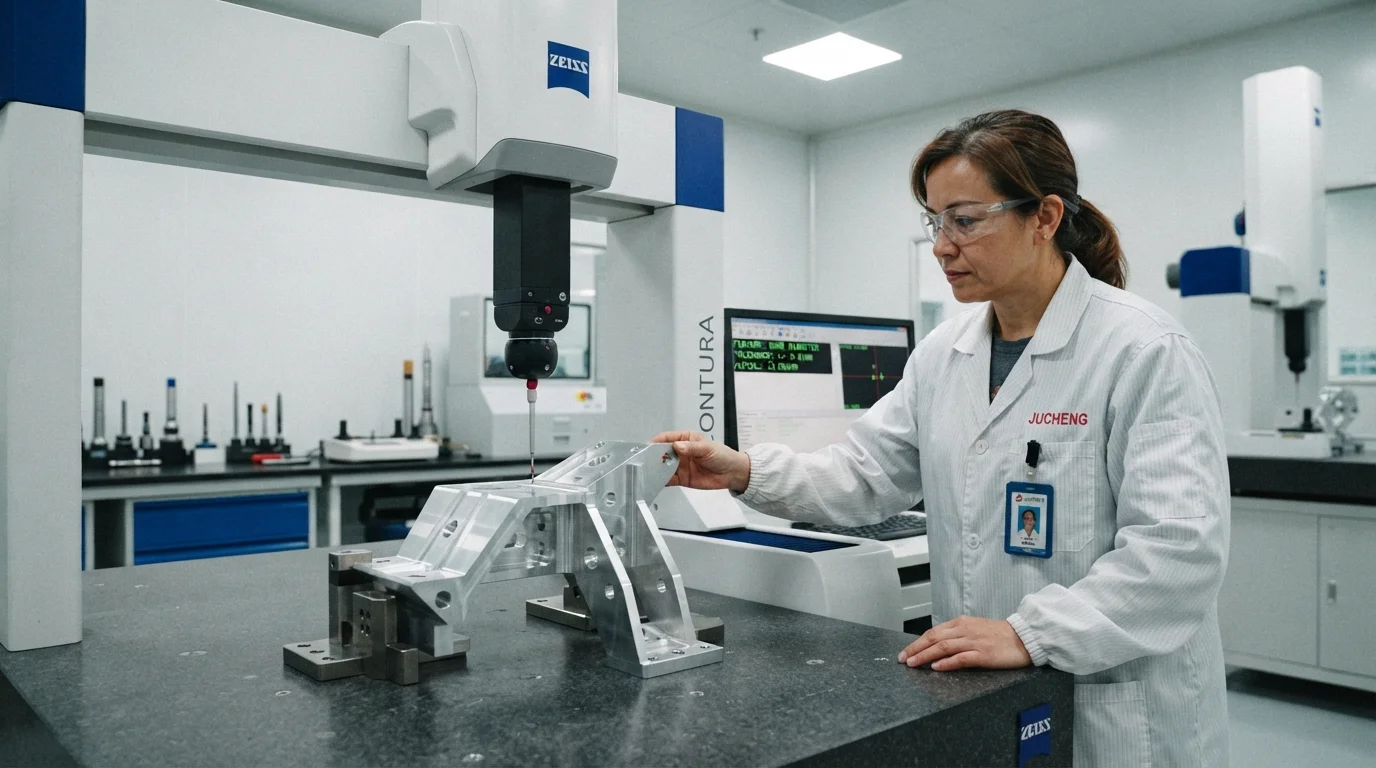
Pregunta: ¿Por qué las tolerancias estrechas aumentan los gastos de fresado? Pasos de acabado más lentos, compensaciones continuas de desgaste de herramientas y estrictas ejecuciones de inspección en laboratorio aumentan los tiempos activos de la máquina.
Los requisitos de tolerancia dimensional dictan directamente la precisión de los avances de corte y la necesidad de inspecciones de calidad secundarias. Exigir tolerancias estrechas de hasta ±0.01 mm requiere pasos de acabado lentos de la máquina y calibración constante, aumentando el tiempo activo de la máquina. Las holguras estándar como ±0.1 mm, en comparación, permiten que los husillos de fresado de alta velocidad eliminen rápidamente el material bruto. Obtener revisiones tempranas de ingeniería asegura que las dimensiones no críticas se aflojen para evitar horas de mecanizado innecesarias.
La inspección metrológica representa otra variable de costo importante donde las tolerancias estrechas aumentan la factura final del taller de mecanizado. Verificar holguras submicrónicas requiere máquinas de medición por coordenadas (CMM) automatizadas en entornos de laboratorio con temperatura controlada. Obtener informes detallados de inspección dimensional agrega horas de mano de obra de control de calidad a su total costo de prototipado CNC. Los desarrolladores de productos reducen los gastos de inspección de calidad especificando tolerancias estrictas solo en superficies de acoplamiento críticas y agujeros de cojinetes.
Jucheng Precision opera una instalación de fabricación completamente equipada que contiene más de 150 máquinas CNC, incluidas 25 de alta precisión Haas/Mazak de 5 ejes máquinas para fresar piezas complejas. Los especialistas de la fábrica ofrecen análisis completos DFM gratuito las 24 horas análisis para ayudarle a optimizar geometrías, líneas de separación y perfiles de salida antes de cortar metal. La obtención de componentes totalmente validados y de grado de producción en un plazo de 4 a 15 días permite a los grupos de mecatrónica acelerar los cronogramas de desarrollo de manera segura. Operar bajo una política estricta sin MOQ permite a los grupos de productos probar variaciones de hardware personalizadas de manera segura.
Preguntas Frecuentes (FAQ)
¿Cómo puedo minimizar los costos de materia prima de bloques para mis prototipos CNC?
Seleccionar bloques en bruto que tengan un tamaño cercano a las dimensiones de su pieza terminada representa la forma más fácil de minimizar el desperdicio de material y reducir los costos de bloques. Obtener diámetros de barra estándar de stock evita la necesidad de configuraciones personalizadas de escuadrado de bloques, ahorrando valiosas horas de mano de obra. Obtener revisiones tempranas de DFM garantiza que su diseño CAD se ajuste a las dimensiones estándar de stock antes de comenzar el mecanizado.
¿El pulido de superficies complejas aumenta drásticamente las facturas de prototipado?
El pulido manual, el pulido con vapor y la pintura multicapa requieren horas de mano de obra intensiva, lo que puede duplicar el costo total de su proyecto. Especificar acabados estándar granallados o en bruto para estructuras internas o modelos visuales tempranos reduce su costo total costo de prototipado rápido. Los diseñadores de productos coordinan con especialistas en fabricación para aplicar acabados decorativos solo en superficies externas visibles.
¿Por qué son costosas de mecanizar las esquinas internas afiladas?
Las esquinas verticales internas complejas requieren una desaceleración lenta en las esquinas y herramientas de corte pequeñas, lo que aumenta los tiempos de mecanizado y el desgaste de las herramientas. Diseñar radios de filete internos generosos de al menos 1.5 mm permite que las fresas de diámetro estándar se deslicen rápidamente a través de las ranuras. Evitar microcavidades que requieren fresas de micro-mecanizado especializadas reduce las configuraciones generales de la máquina y los gastos de herramientas.

