


A semiconductor equipment prototype is valuable only when it answers an engineering question. The goal may be to confirm motion, test an enclosure, validate a fixture, check a service interface, or learn whether a part can survive a process environment. Prototyping becomes faster and more useful when each build has a defined decision behind it.
Define what the prototype must prove
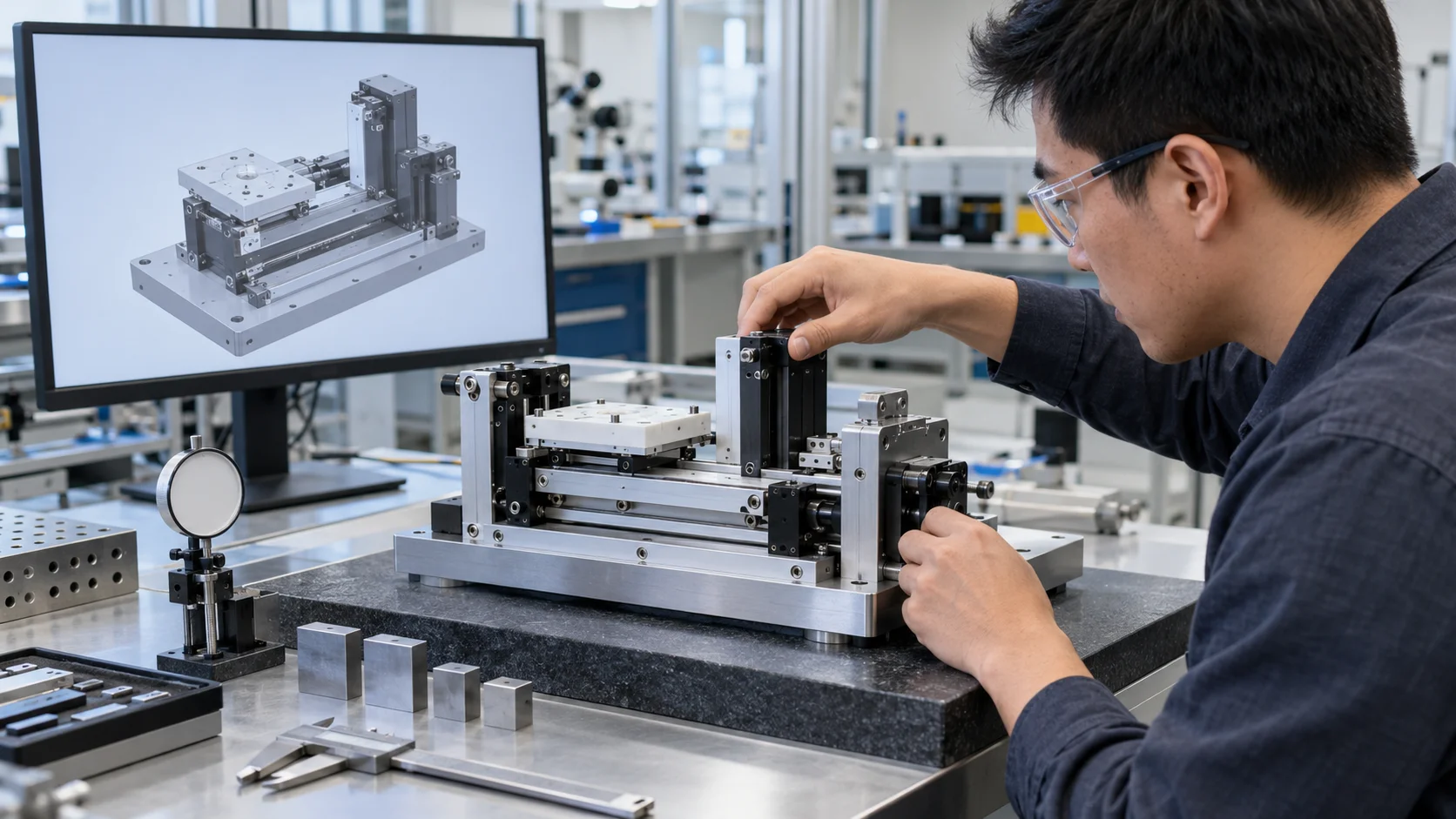
Write down what the prototype must prove. A functional fixture may need accurate locating features but not a production finish. An enclosure prototype may need correct access, bend behavior, cable routing, and service clearances. A process-facing component may require a closer material and surface match than a visual model.
This decision should connect to the wider semiconductor equipment parts manufacturing route so that the prototype teaches the team something useful about later production.
Fidelity should match the risk
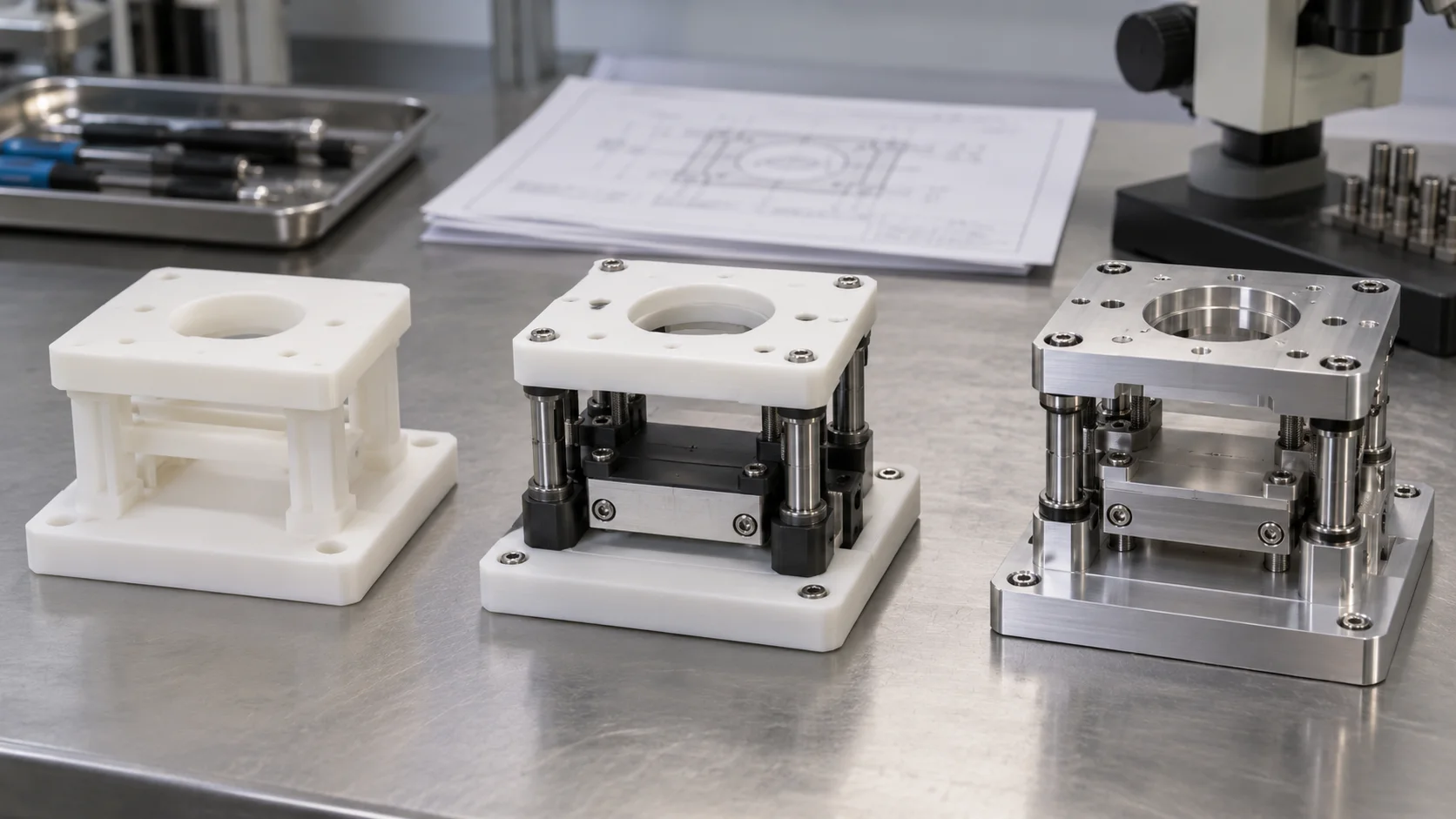
| Prototype goal | What to prioritize | What can remain flexible |
|---|---|---|
| Fit and motion | Interfaces, datums, travel, and fastening | Cosmetic finish |
| Thermal or load review | Material behavior, stiffness, and wall structure | Production optimization |
| Operator or service review | Access, handling, and safety clearances | Final surface treatment |
| Process validation | Material, finish, cleanliness, and critical dimensions | Nonfunctional details |
A functional prototype service is appropriate when the team needs to test behavior rather than only appearance.
Use a hybrid build when it saves time
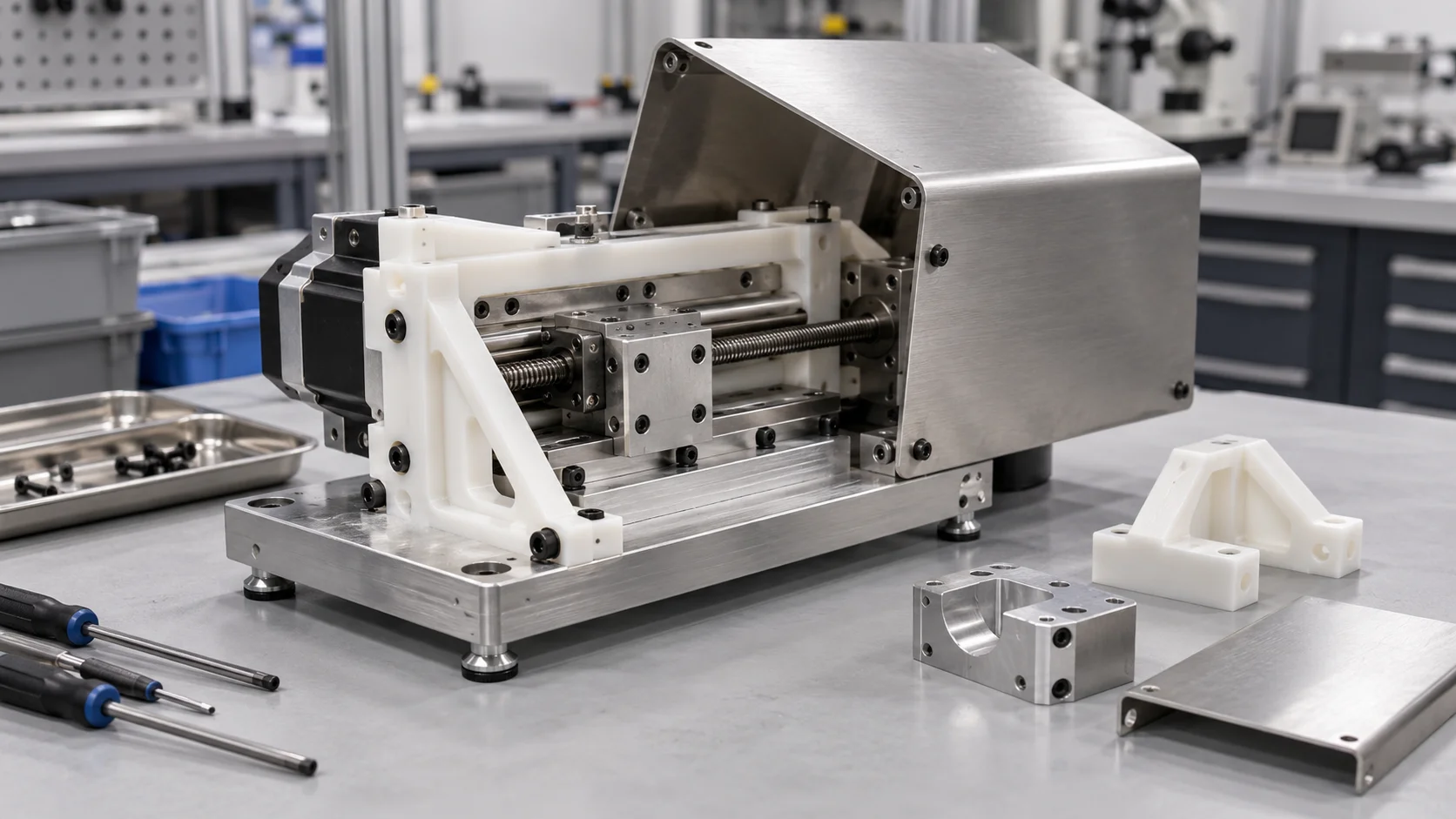
One prototype may use CNC-machined inserts, a sheet metal cover, a 3D-printed guard, and standard fasteners. Combining processes can shorten the learning cycle, provided the team records which features are representative and which are temporary.
For example, a machined interface may be needed to validate alignment, while a rapid printed bracket is sufficient for cable routing. A sheet metal prototype can confirm access and bend clearances before a final enclosure route is selected. The key is to avoid treating a temporary material as proof of production performance.
Turn findings into the next revision
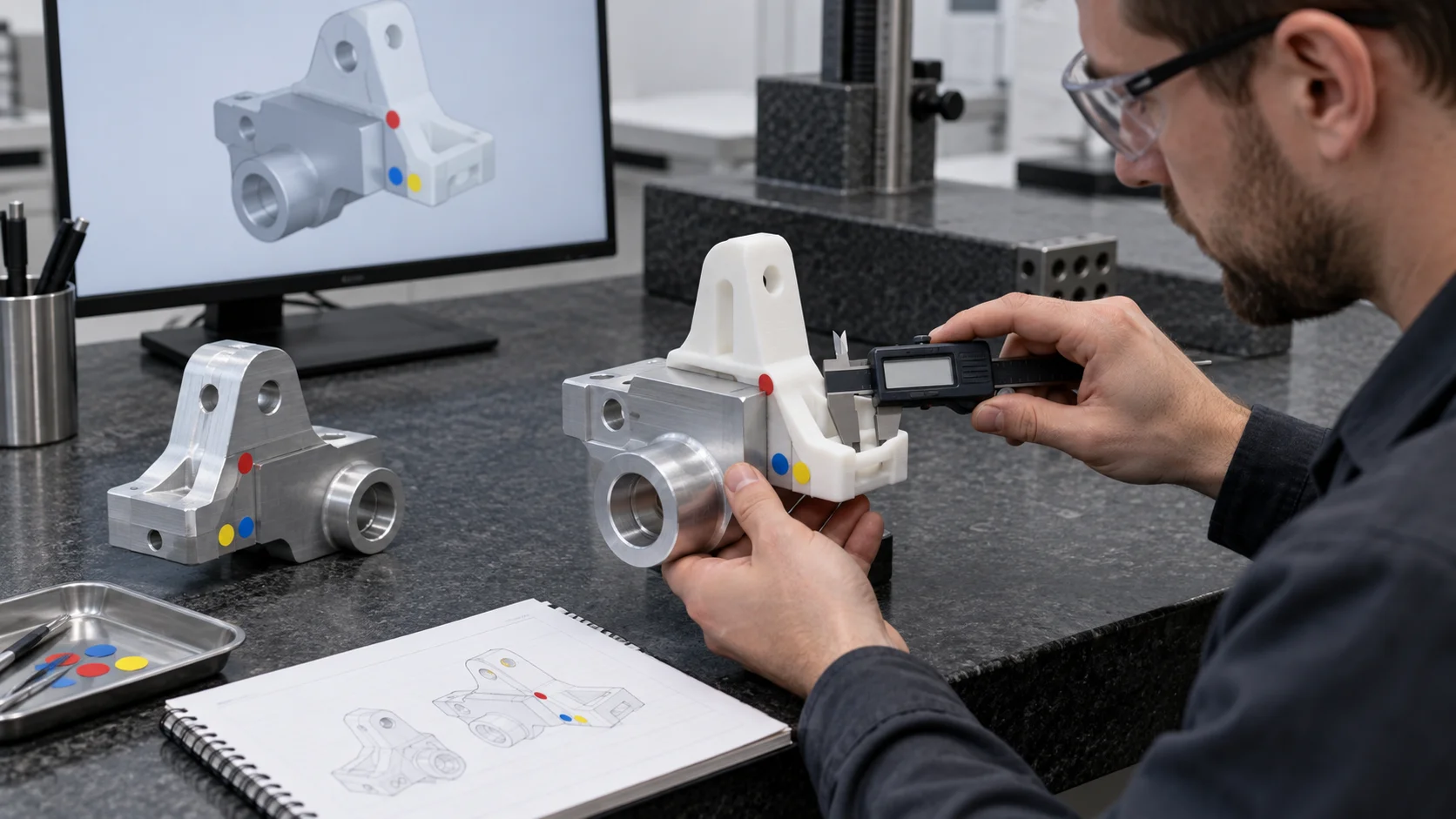
After testing, record fit issues, unexpected loads, assembly time, handling concerns, and changes to the drawing. Photograph the failed or modified features and link each observation to a revision. This makes the next build a controlled experiment rather than a repeat of the first.
Ask whether the prototype exposed a design problem, a material problem, or a process problem. The answer determines the next action and avoids changing several variables at once.
Plan the production handoff early

A production-ready handoff includes the revised CAD, released drawing, material and finish requirements, critical inspection points, expected quantity, and packaging needs. It should also identify which prototype features were accepted and which were intentionally provisional.
For enclosures and panels, review the existing laser cutting service when deciding how the next iteration should be fabricated.
Prototype Planning Questions
Does a prototype need production material?
Only when material behavior is part of the question. Fit, access, and layout prototypes may use a faster substitute, but the difference must be recorded.
How many prototype iterations are necessary?
There is no fixed number. Stop when the critical engineering questions have evidence and the design is stable enough for the next build stage.
A Prototype Should Change a Decision
Effective prototyping is a decision-making process. Define the question, choose the right fidelity, combine manufacturing methods where useful, and carry every learning into the production handoff.

