


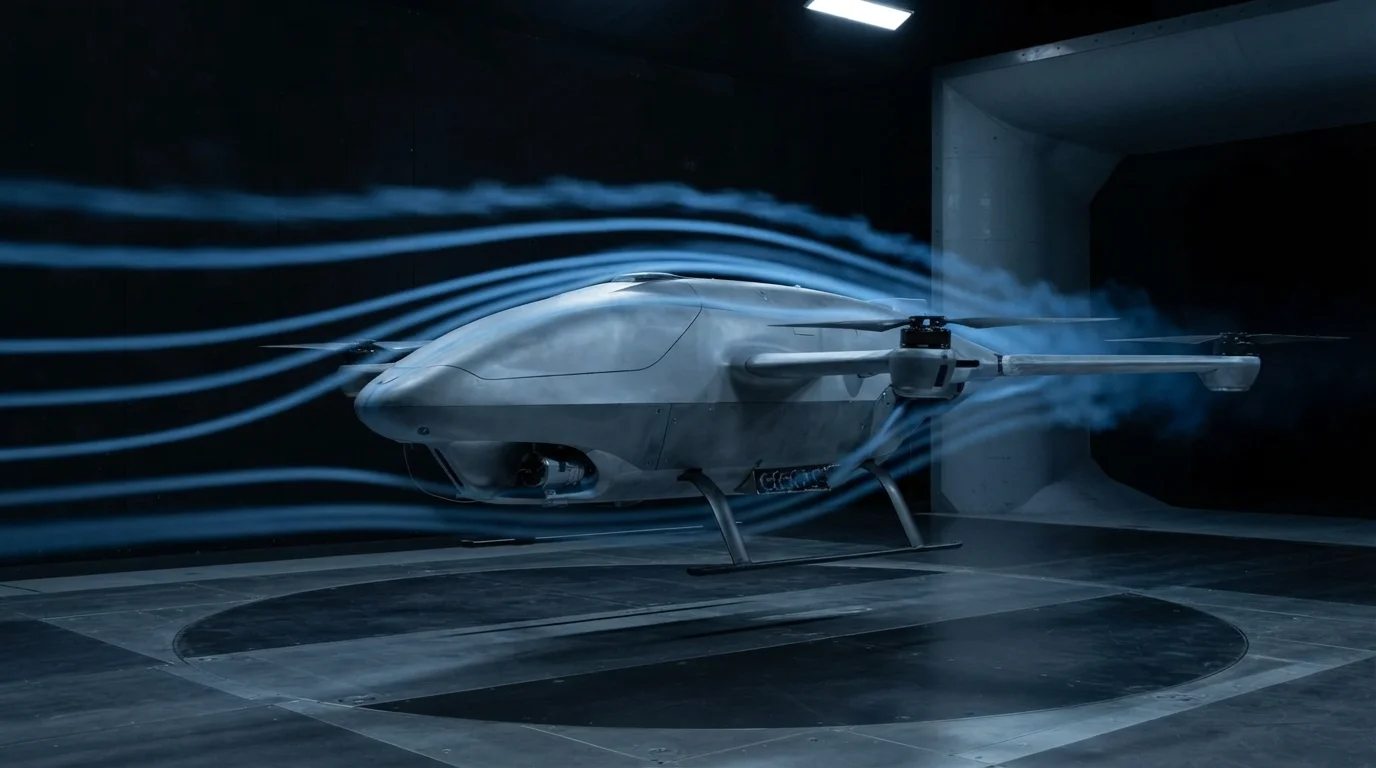
El diseño de vehículos aéreos no tripulados (UAV) requiere un enfoque extraordinario en el consumo de energía, la eficiencia aerodinámica y los márgenes de seguridad estructural. La resistencia de vuelo depende en gran medida de limitar el peso muerto mientras se optimizan las relaciones empuje-peso del motor en diversas velocidades del viento. Los grupos de ingeniería que desarrollan drones de entrega comercial, cuadricópteros de inspección industrial o sistemas de reconocimiento militar deben validar la rigidez estructural del fuselaje antes de comprometerse con la fabricación a gran escala. Las maquetas físicas integrales aseguran que los ensamblajes complejos de múltiples rotores sobrevivan cargas de fuerza dinámica extremas sin fallas estructurales.
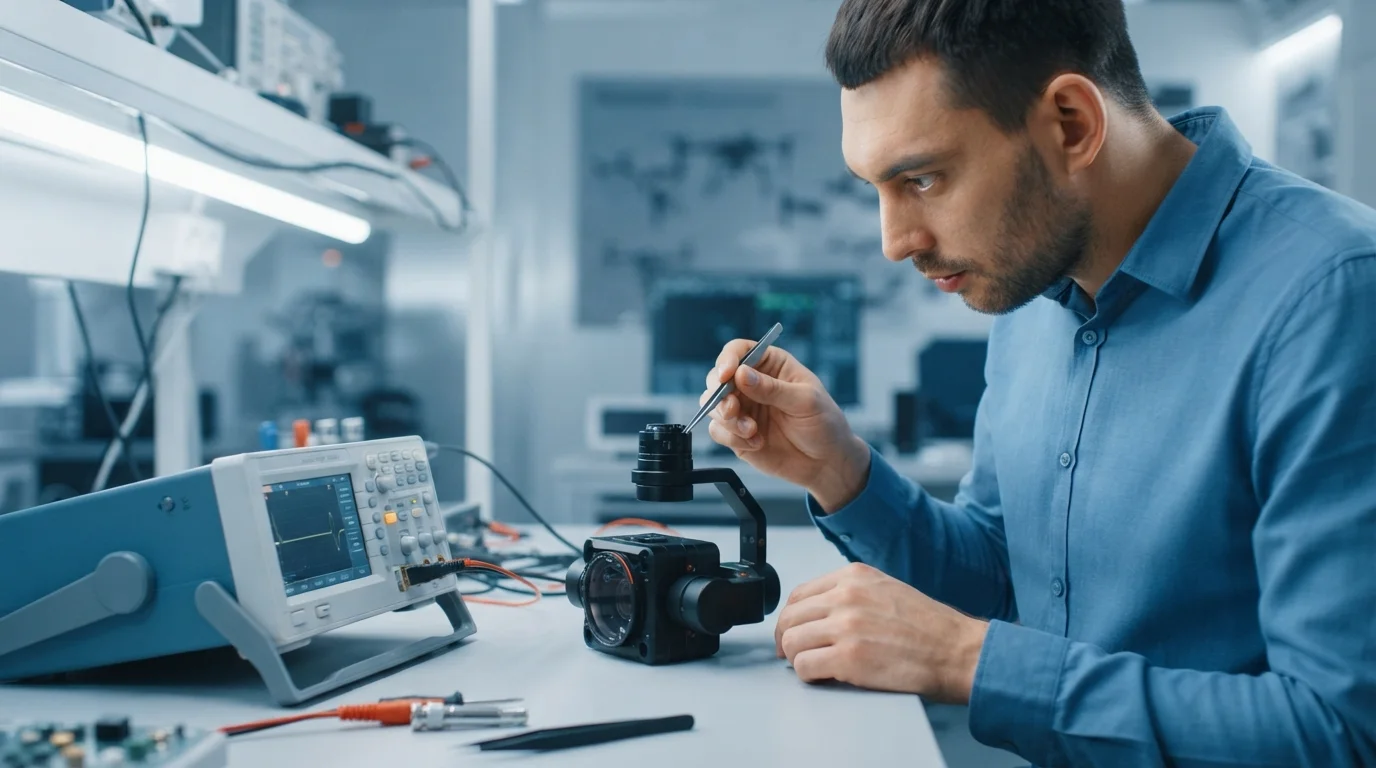
La selección de aleaciones estructurales y compuestos reforzados con carbono con excelente resistencia a la fatiga representa una fase de desarrollo crítica. Las estructuras de múltiples rotores operan bajo vibración continua de alta frecuencia, exigiendo una alineación precisa de las juntas para evitar la deriva del sensor de control o fallas de conexión de conectores electrónicos. La combinación de fresado CNC de fibra de carbono multieje con moldeo de poliuretano entrega maquetas de alta fidelidad para evaluaciones extensas de aerodinámica y seguridad contra choques. Los ingenieros técnicos analizan ángulos de desmoldeo, espesores de pared y límites de orientación de fibra para asegurar que cada componente personalizado cumpla con los requisitos de vuelo dinámico de manera segura.
Tabla de Contenidos
1. Prototipado de Carcasa Aerodinámica con Fundición al Vacío
2. Mecanizado CNC Sustractivo para Componentes Estructurales de Carga Útil
3. Producción Puente y Estándares Aeroespaciales Alineados con IATF
Prototipado de Carcasa Aerodinámica con Fundición al Vacío
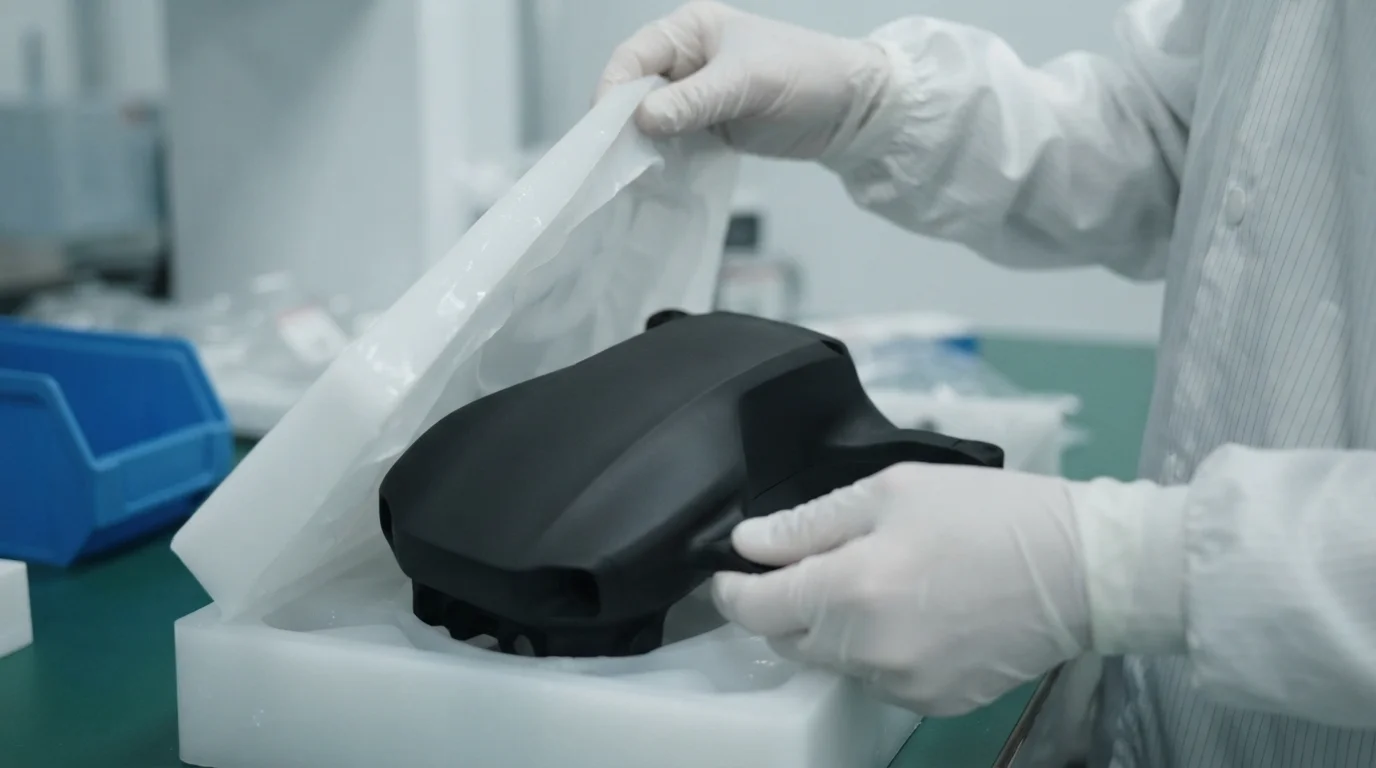
Pregunta: ¿Cómo se prototipan de manera rentable los cascos de drones aerodinámicos ligeros? La fundición al vacío con molde de silicona reproduce carcasas de plástico de pared delgada complejas utilizando resinas de poliuretano que imitan el ABS de producción.
Los cascos de UAV industriales aerodinámicos requieren geometrías aerodinámicas complejas para minimizar los coeficientes de arrastre y proteger los módulos electrónicos internos. La ejecución de la prototipado rápido de drones permite a los diseñadores de productos construir carcasas protectoras de pared delgada altamente detalladas sin pagar costos de herramientas costosos. Las resinas de fundición de poliuretano replican de cerca los polímeros de moldeo por inyección de grado de producción, proporcionando resistencia al impacto y cualidades retardantes de llama idénticas. Los moldes de silicona manejan fácilmente socavados profundos y contornos de estilo complejos, entregando de veinte a cincuenta unidades de prueba rápidamente.
El utillaje de silicona flexible minimiza el desajuste de la línea de partición, asegurando acabados cosméticos impecables en superficies exteriores elegantes. La pigmentación de las resinas de fundición a especificaciones de color específicas elimina las operaciones de pintura secundarias, reduciendo el tiempo de desarrollo. Las carcasas físicas sólidas se someten a pruebas de clima húmedo y polvo ambiental para verificar las clasificaciones absolutas de protección de ingreso antes de la validación de vuelo.
Mecanizado CNC Sustractivo para Componentes Estructurales de Carga Útil
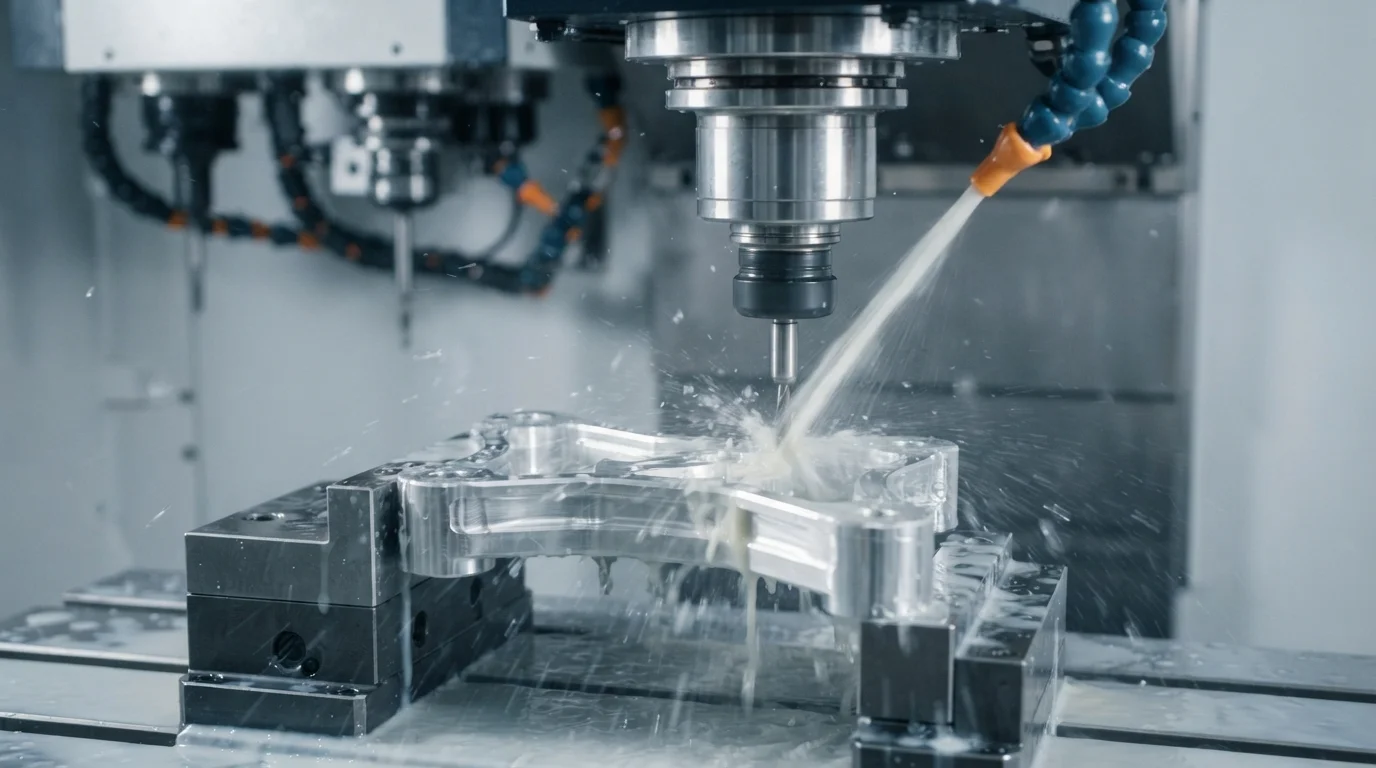
Pregunta: ¿Por qué se prefiere el fresado CNC para los soportes de brazo estructurales de drones? El mecanizado multieje a partir de bloques sólidos entrega estructuras de grano superiores y resistencia a la fluencia mecánica en comparación con las piezas impresas.
Los soportes de cardán dinámicos, los soportes de motor y los ensamblajes primarios del tren de aterrizaje experimentan un estrés mecánico intenso durante maniobras rápidas y aterrizajes verticales. El mecanizado CNC de miembros estructurales de bloques de aluminio Al7075-T6 o magnesio de primera calidad proporciona la resistencia máxima necesaria para mantener de forma segura los costosos sensores de carga útil. Las alineaciones de coordenadas submicrónicas previenen excentricidades del eje del motor, reduciendo las vibraciones de alta frecuencia que degradan las transmisiones de video de alta resolución. El granallado con perlas de grano fino elimina micro rebabas y elevadores de tensión superficial, maximizando la vida a la fatiga bajo ciclos de carga dinámicos.
Varias aplicaciones de prototipado rápido in industrial automation utilize high-stiffness carbon fiber sheets milled to precise dimensional specifications. Special diamond-coated router bits cut complex chassis plates without inducing delamination or fiber shearing along bare cut edges. This meticulous subtractive routing method delivers lightweight carbon-fiber frames ready for immediate structural integration.
Choosing appropriate alloy grades balances physical payload carrying limits with structural damping characteristics. This technical table compares standard materials utilized across advanced UAV airframe designs:
| Elección del Material | Densidad | Stiffness (Young’s Modulus) | UAV Structural Application |
|---|---|---|---|
| Carbon Fiber Composite | 1.55 g/cm³ | 135 GPa | Structural arm tubes, main chassis plates |
| Magnesio AZ91D | 1.81 g/cm³ | 45 GPa | Gimbal mounts, electronics housing brackets |
| Nylon 12 (SLS) | 1.01 g/cm³ | 1.6 GPa | Aerodynamic protective hulls, nose cones |
Bridge Production and IATF-Aligned Aerospace Standards
Question: How is raw material traceability ensured for flight-critical components? Manufacturing processes coordinate full Certificate of Analysis sheets to track metal alloy chemistry back to the mill.
Aviation regulatory bodies demand comprehensive traceability records and rigorous quality management compliance from aerospace manufacturing vendors. Jucheng Precision manages a highly certified factory ecosystem operating under ISO 9001, ISO 13485, and IATF 16949 quality guidelines. Fully automated coordinate measuring machines check complex freeform geometries against digital CAD models under stable laboratory conditions. Factory teams run precise dimensional inspections to confirm wing profiles and motor offsets comply with engineered tolerances.
Processing structural parts on high-precision Haas/Mazak de 5 ejes machines streamlines drone rapid prototyping setups by executing complex geometries in a single setup. Technical engineers deliver comprehensive DFM gratuito las 24 horas analyses to optimize thin rib walls, boss heights, and draft angles. Specialized utillaje rápido molds deliver high-fidelity injection-molded components within 4 to 15 days, helping drone startups bypass long developmental lead times. Operating under a strict no-MOQ policy enables development groups to iterate dynamic designs without paying heavy initial tooling costs.
Partnering with a certified manufacturer minimizes scale-up risks when transitioning from low-volume mockups to mid-volume series production. Secure data protocols safeguard proprietary aerodynamic and electronic designs throughout every stage of fabrication. Mechatronics groups receive exceptionally durable, flight-ready components built to survive extreme dynamic atmospheric forces.
Preguntas Frecuentes (FAQ)
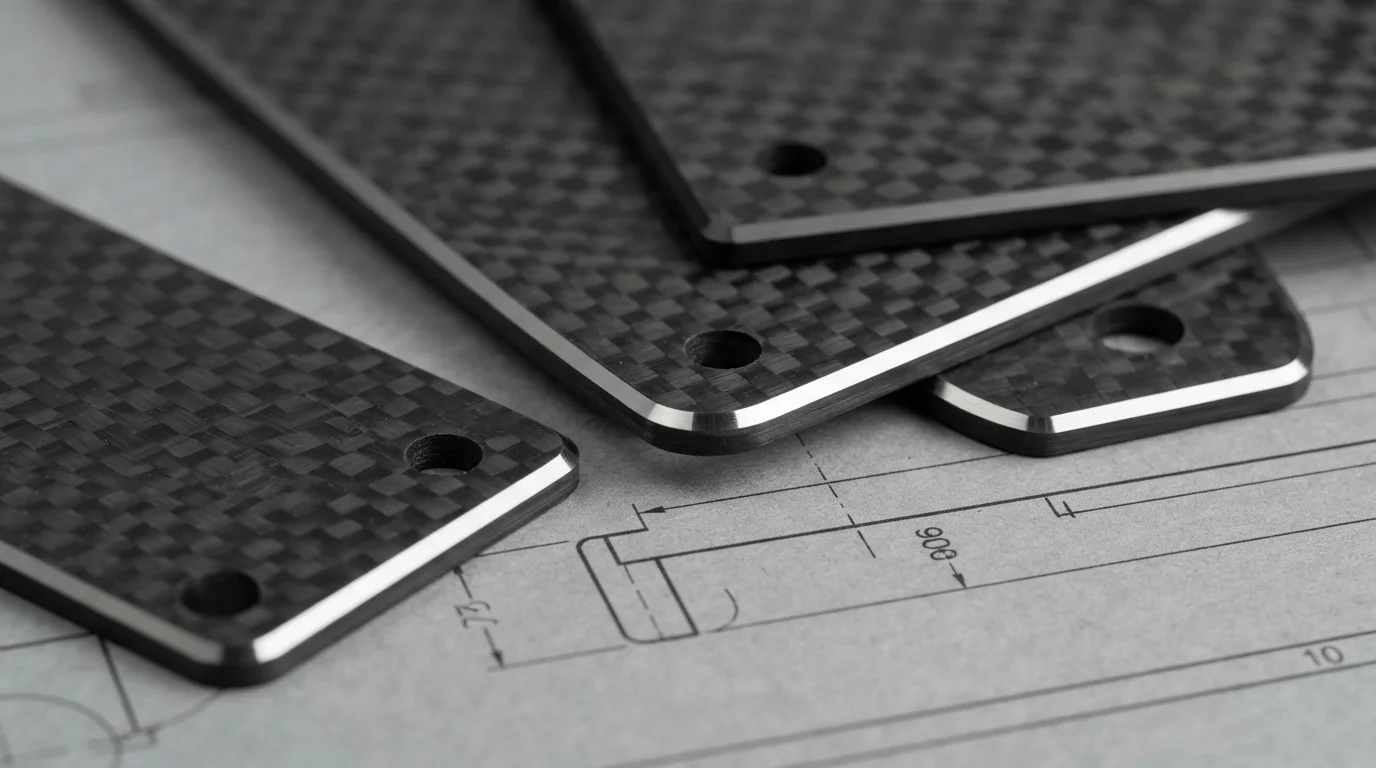
What is the most precise way to machine carbon fiber plates for drone rapid prototyping?
CNC routing using diamond-coated carbide bits represents the premier method to prevent layer delamination. Machinists apply submerged coolant or powerful dust vacuum systems to manage highly abrasive carbon particles safely during cutting operations.
Can magnesium alloys replace carbon fiber in UAV structures?
Magnesium AZ91D represents an excellent alternative for intricate three-dimensional geometries like motor mounts and gimbal rings that cannot be routed from flat carbon sheets. Magnesium offers outstanding specific stiffness and electromagnetic shielding properties.
Are rapid tooling molds suitable for structural fiberglass materials?
Aluminum rapid tooling molds utilizing wear-resistant alloys process fiberglass-reinforced polyamides efficiently for runs of 100 to 10,000 components. Core tool elements are hardened to resist the highly abrasive qualities of fiber-filled resins during injection cycles.

