


El desarrollo de sistemas de propulsión para vehículos eléctricos exige una gestión térmica de alta eficiencia y un robusto aislamiento de alto voltaje. Los equipos de ingeniería que diseñan carcasas de electrónica de potencia, placas de refrigeración líquida o estructuras de baterías personalizadas deben controlar la vibración mecánica dinámica y la disipación térmica rápida. La fabricación de estos componentes complejos requiere cobre crudo, magnesio y aleaciones ligeras especializadas que gestionen de forma segura altas densidades de corriente. La implementación de maquetas de pruebas físicas de alta fidelidad garantiza que estos módulos críticos de distribución de energía se comporten exactamente como los equivalentes moldeados en producción.
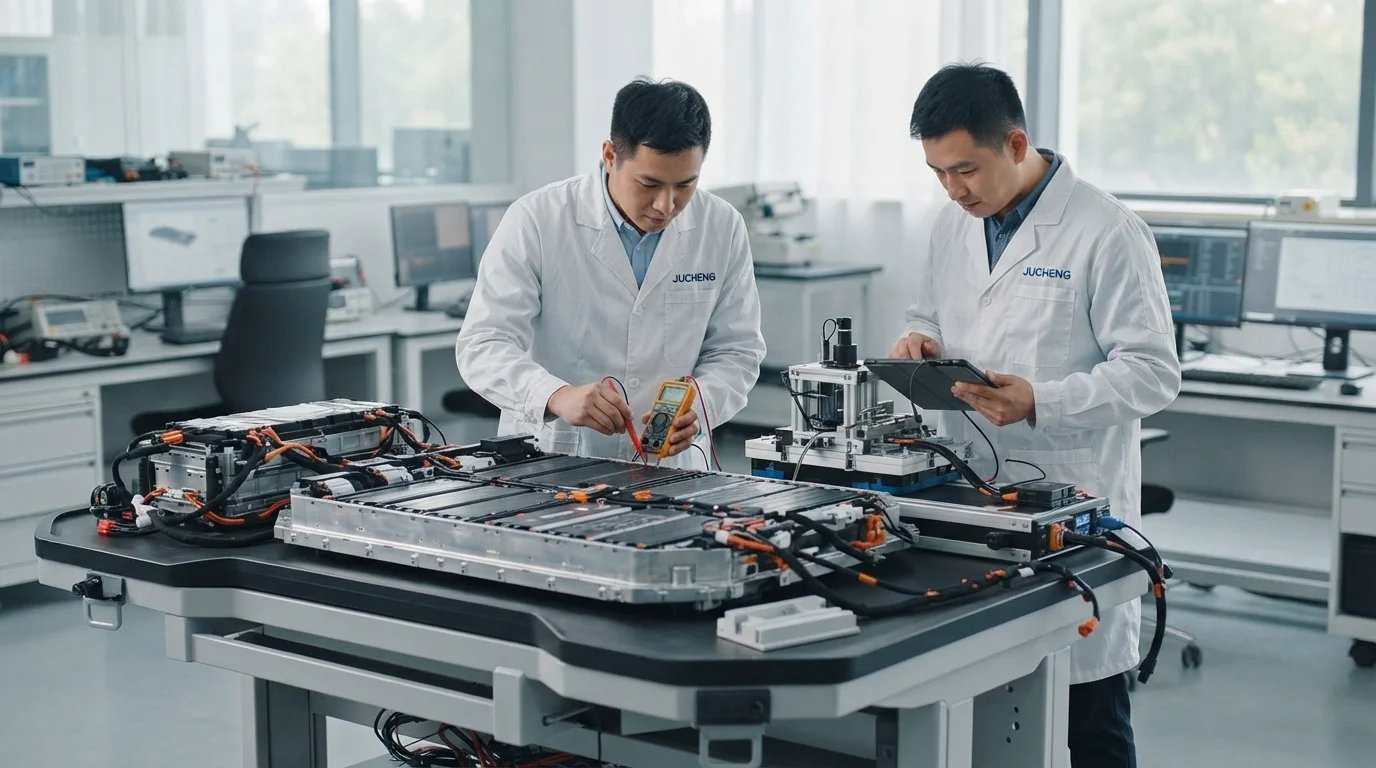
La reducción de peso sigue siendo un objetivo de diseño importante para las plataformas modernas de movilidad eléctrica para maximizar la autonomía. La optimización de bandejas estructurales de baterías y canales de refrigeración requiere fresado CNC multieje avanzado y conformado preciso de chapa metálica. La producción de maquetas altamente funcionales a partir de aleaciones ligeras de grado espacial permite a los departamentos de ingeniería realizar simulaciones físicas de impacto y choque de forma segura. Las revisiones técnicas deben abordar el descontrol térmico, el blindaje contra interferencias electromagnéticas y la resistencia estructural para salvaguardar los habitáculos de los pasajeros de los peligros de alto voltaje.
Tabla de Contenidos
1. Desafíos de reducción de peso y alternativas de materiales
2. Mecanizado CNC de disipadores de calor y carcasas de baterías
3. Prototipado de barras colectoras de cobre y terminales conductores
4. Escalado de la ingeniería de vehículos eléctricos a producción de bajo volumen
Desafíos de reducción de peso y alternativas de materiales
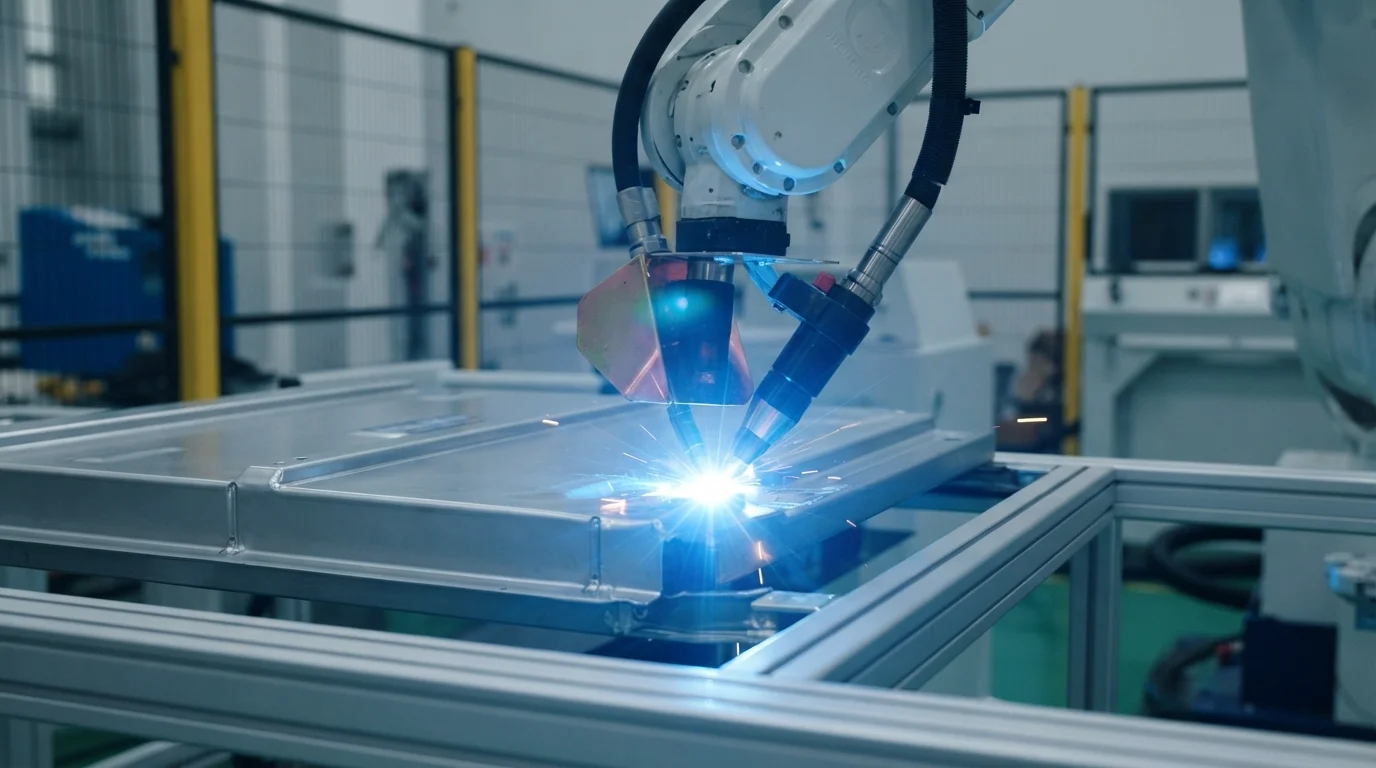
Pregunta: ¿Qué aleaciones ligeras son mejores para piezas estructurales de vehículos eléctricos? El magnesio y las aleaciones de aluminio de alta resistencia ofrecen una reducción de peso óptima manteniendo una resistencia a la fluencia estructural excepcional.
Reducir la masa del vehículo es esencial para equilibrar la pesada carga de los módulos de baterías de iones de litio. Los ingenieros automotrices ejecutan prototipado de componentes de vehículos eléctricos para evaluar la rigidez estructural, la resistencia a choques y la amortiguación de vibraciones de componentes de chasis alternativos. Las aleaciones de magnesio (como AZ91D) proporcionan una reducción de masa del 33% en comparación con el aluminio estándar manteniendo una alta resistencia específica. La selección de aleaciones de reemplazo de fundición representativas de producción permite a los equipos de desarrollo ejecutar pruebas de fatiga dinámica reales en carretera de forma segura.
Los ingenieros automotrices coordinan simulaciones estructurales para garantizar que los componentes de magnesio crudo resistan la deformación por impacto bajo fuerzas de choque simuladas. Los prototipos de fundición se someten a pasivación superficial de alta presión para proteger las áreas de metal desnudo de la salpicadura agresiva de la carretera y la corrosión ambiental. La selección de materiales especializados minimiza el volumen estructural mientras maximiza la durabilidad del chasis bajo tensión torsional severa.
Mecanizado CNC de disipadores de calor y carcasas de baterías

Pregunta: ¿Por qué se prefiere el fresado CNC para placas de refrigeración de vehículos eléctricos? El mecanizado de precisión garantiza superficies de sellado planas y canales internos de fluido complejos necesarios para prevenir fugas de refrigerante.
Las placas de refrigeración líquida y los disipadores de calor de inversores requieren acabados planos microscópicos para garantizar un contacto térmico eficiente. El mecanizado de carcasas estructurales a partir de tochos de aluminio sólido de Al6061-T6 proporciona la alta conductividad térmica e integridad estructural necesarias para configuraciones de alto voltaje. Los centros de fresado CNC cortan caminos de refrigeración serpentinos internos complejos, evitando la acumulación de calor alrededor de las celdas de la batería. La planitud de la superficie se mantiene dentro de ±0,02 mm para evitar el paso de refrigerante de alta presión bajo condiciones dinámicas de la carretera.
La utilización de centros de mecanizado multieje de alta velocidad optimiza los flujos de trabajo de prototipado de componentes de vehículos eléctricos al reducir las configuraciones de sujeción física. Los perfiles de herramientas especiales cortan aletas delgadas y profundas de manera eficiente, maximizando el área de superficie para una rápida extracción de calor. Las placas de enfriamiento terminadas se someten a pruebas hidrostáticas de alta presión para verificar la confiabilidad del sellado y el cumplimiento estructural.
Prototipado de barras colectoras de cobre y terminales conductores

Pregunta: ¿Cómo se mecanizan los conectores de cobre de alto voltaje sin deformación? Las fresas de alta velocidad y el enfriamiento continuo por inundación evitan que el cobre se endurezca por deformación o se doble durante el fresado.
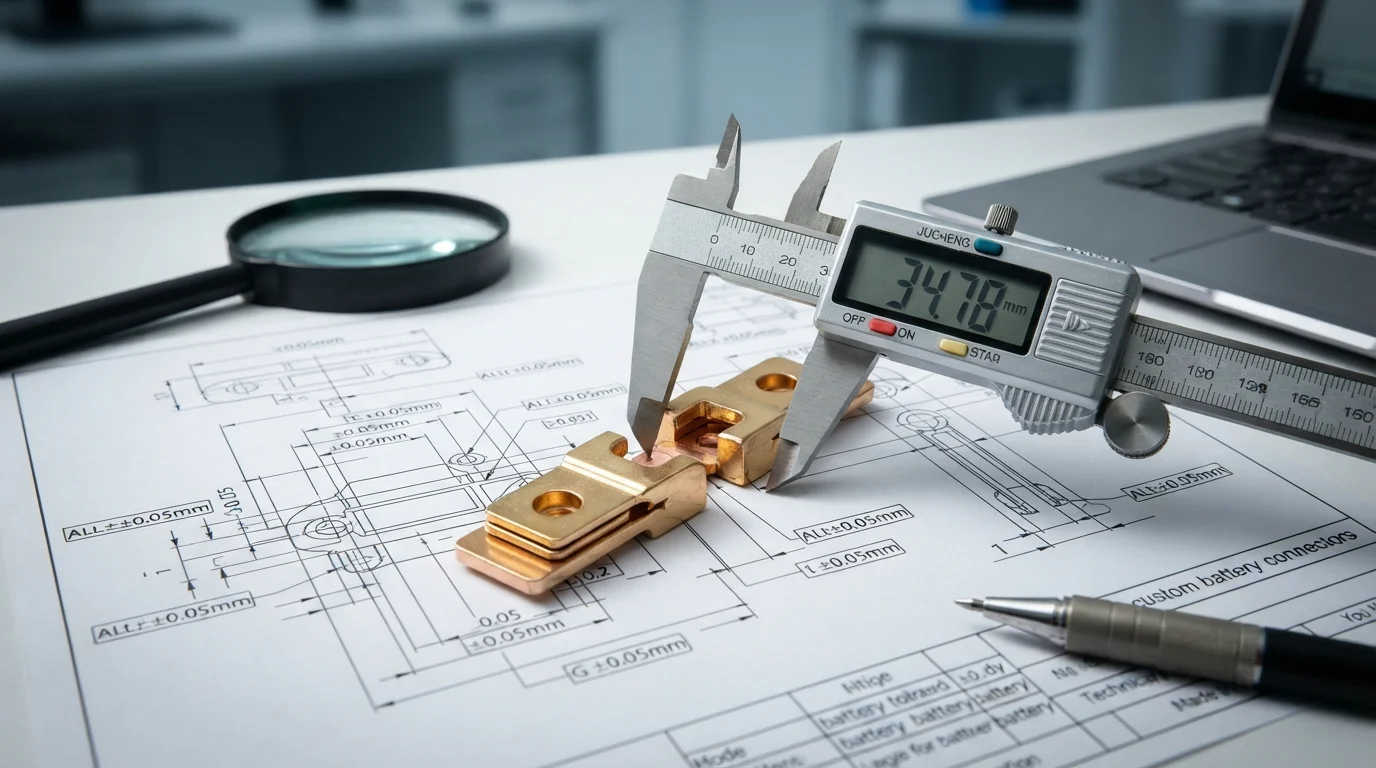
Las redes eléctricas de alto voltaje requieren conectores de cobre altamente conductores para entregar energía de manera eficiente. La fabricación de barras colectoras de cobre exige corte por láser de fibra de precisión, doblado mecánico y mecanizado CNC de micro precisión para evitar la distorsión geométrica. Varios aplicaciones de prototipado rápido en los sistemas de propulsión de movilidad eléctrica dependen de estos componentes de cobre de precisión para gestionar de manera segura los picos de corriente elevados. La chapa de cobre gruesa (grado C11000) se moldea para adaptarse a configuraciones compactas de módulos de batería.
El recubrimiento electrolítico de las superficies de las barras colectoras con estaño, níquel o plata previene la oxidación del cobre en entornos operativos vehiculares húmedos. Los procesos especializados de soldadura por láser unen las barras colectoras directamente a los terminales de las celdas de la batería, manteniendo una baja resistencia de contacto en miles de uniones. Las revisiones técnicas optimizan los radios de curvatura para evitar microgrietas y el crecimiento de la resistencia eléctrica durante la vibración dinámica del vehículo.
La elección del grado correcto de aleaciones conductoras equilibra el rendimiento térmico con la rigidez estructural. Esta tabla resume las propiedades físicas de los metales conductores clave utilizados en los trenes motrices de vehículos eléctricos:
| Material / Aleación | Conductividad Eléctrica | Conductividad Térmica | Aplicación de prototipo de vehículo eléctrico |
|---|---|---|---|
| Cobre C11000 | 100% IACS | 390 W/m·K | Barras colectoras, terminales de batería de alto voltaje |
| Aluminio Al6061-T6 | 43% IACS | 167 W/m·K | Placas de enfriamiento líquido, carcasas estructurales |
| Magnesio AZ91D | 12% IACS | 72 W/m·K | Carcasas de motor ligeras, marcos estructurales |
Escalando la ingeniería de vehículos eléctricos a producción de bajo volumen
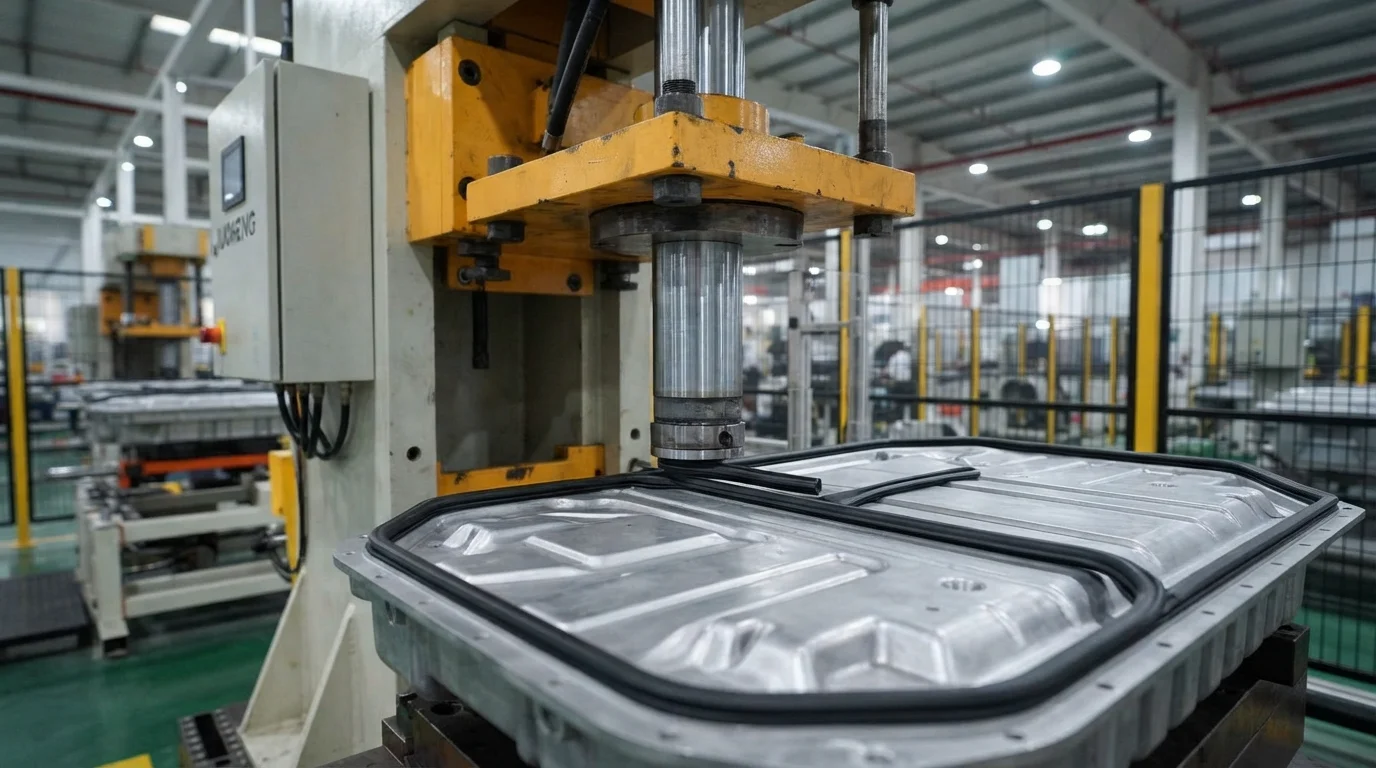
Pregunta: ¿Cómo apoya Jucheng Precision la ampliación de componentes para VE? Las capacidades avanzadas de chapa metálica, fresado CNC y utillaje rápido facilitan transiciones fluidas desde prototipos hasta producción de bajo volumen.
La transición de prototipos de bajo volumen a producción en masa requiere un socio de fabricación experimentado con sistemas de calidad robustos. Jucheng Precision opera un entorno de fábrica integral con más de 150 máquinas CNC, incluidas 25 de alta precisión Haas/Mazak de 5 ejes plataformas para ejecutar proyectos complejos de movilidad eléctrica. Especializados utillaje rápido los moldes entregan portaceldas de batería de plástico moldeado por inyección de alta fidelidad a partir de resinas de grado de producción. Los departamentos de aseguramiento de calidad verifican las tolerancias estructurales utilizando máquinas de medición por coordenadas automatizadas.
Los equipos de fábrica entregan revisiones completas de ingeniería DFM dentro de las 24 horas para abordar posibles limitaciones de fabricación temprano. Operar con una política estricta de sin MOQ permite a las startups de VE adquirir maquetas funcionales sin compromisos financieros iniciales pesados. Los tiempos de respuesta rápidos de 4 a 15 días ayudan a los departamentos de ingeniería a acelerar los ciclos de desarrollo de productos y cumplir con los cronogramas de lanzamiento estrictos.
Colaborar con un proveedor certificado IATF 16949 agiliza la validación de prototipos de componentes para VE y asegura el cumplimiento absoluto de los componentes. Los componentes personalizados se someten a pruebas rigurosas de esfuerzo mecánico para garantizar un aislamiento eléctrico seguro bajo peligros severos en la carretera. Los ingenieros aseguran hardware automotriz altamente confiable optimizado para plataformas de movilidad de energía limpia.
Preguntas Frecuentes (FAQ)
¿Cuál es la mejor manera de crear un prototipo de una carcasa de batería enfriada por líquido?
Fresar un tocho de aluminio sólido en máquinas CNC de múltiples ejes representa el método más confiable para placas de enfriamiento. La soldadura por fricción-agitación (FSW) une las placas de cubierta a los colectores fresados, asegurando alta resistencia mecánica y contención absoluta de fluidos.
¿Se pueden imprimir en 3D las barras colectoras de cobre para pruebas de vehículos eléctricos?
La sinterización directa de metal por láser de polvo de cobre es posible, pero el fresado CNC a partir de placas de cobre puro sigue siendo el estándar de la industria. Las barras colectoras de cobre mecanizadas ofrecen una conductividad eléctrica superior y la ductilidad mecánica requerida para aplicaciones de alta corriente.
¿Existen opciones de plástico no conductor para soportes de celdas de batería de vehículos eléctricos?
Los ingenieros especifican policarbonatos (PC) retardantes de llama o resinas de polifenileno éter (PPE) mezcladas con fibras de vidrio para bandejas de celdas de batería. Estos polímeros proporcionan un aislamiento eléctrico excepcional, estabilidad dimensional y clasificaciones de autoextinción UL94-V0.

