


Encapsulating threaded brass studs, steel pins, or custom electronic connection terminals directly inside a polymer component during injection molding eliminates the hassle of post-assembly thread-cutting and dramatically increases mechanical pull-out strength. However, introducing foreign metal objects into a rapid soft mold introduces complex metallurgical and thermodynamic challenges. Controlling metal insert molding tolerances in rapid tooling requires accounting for thermal expansion mismatches, precise pin-location stability, and localized shrinkage stresses that can warp the surrounding plastic matrix.
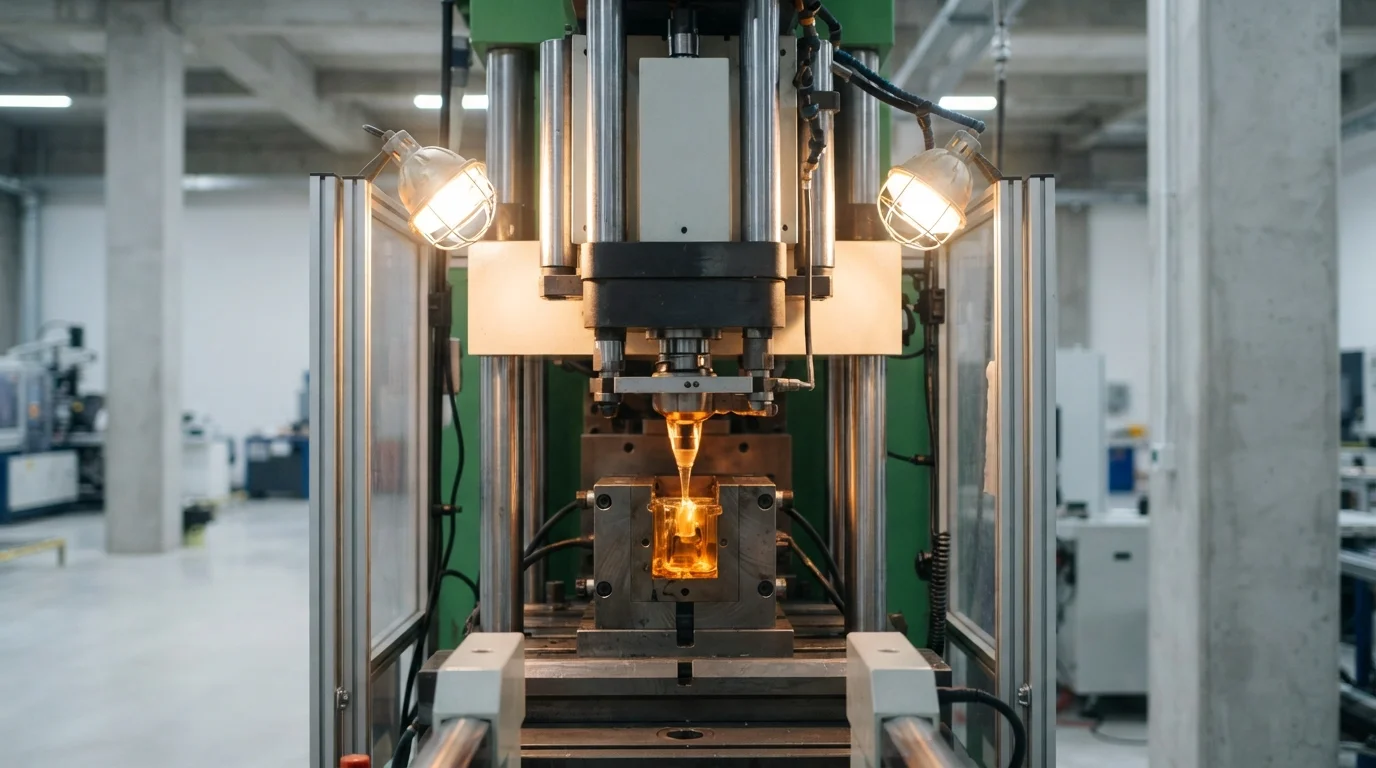
Operating within tolerancias de herramientas rápidas becomes significantly more demanding when rigid metal components interact with fluid polymer flow fronts. Utilizing modular aluminum or pre-hardened steel bridge tools accelerates initial manufacturing cycles while maintaining reliable encapsulation control. Let us investigate the primary mechanical risks associated with encapsulated hardware and discover how to achieve flawless insert alignment.
Tabla de Contenidos
1. What is Insert Molding and Why is Positioning Tolerance Critical?
2. Thermal Expansion Mismatch: Metal Inserts vs. Plastic Shrinkage
What is Insert Molding and Why is Positioning Tolerance Critical?
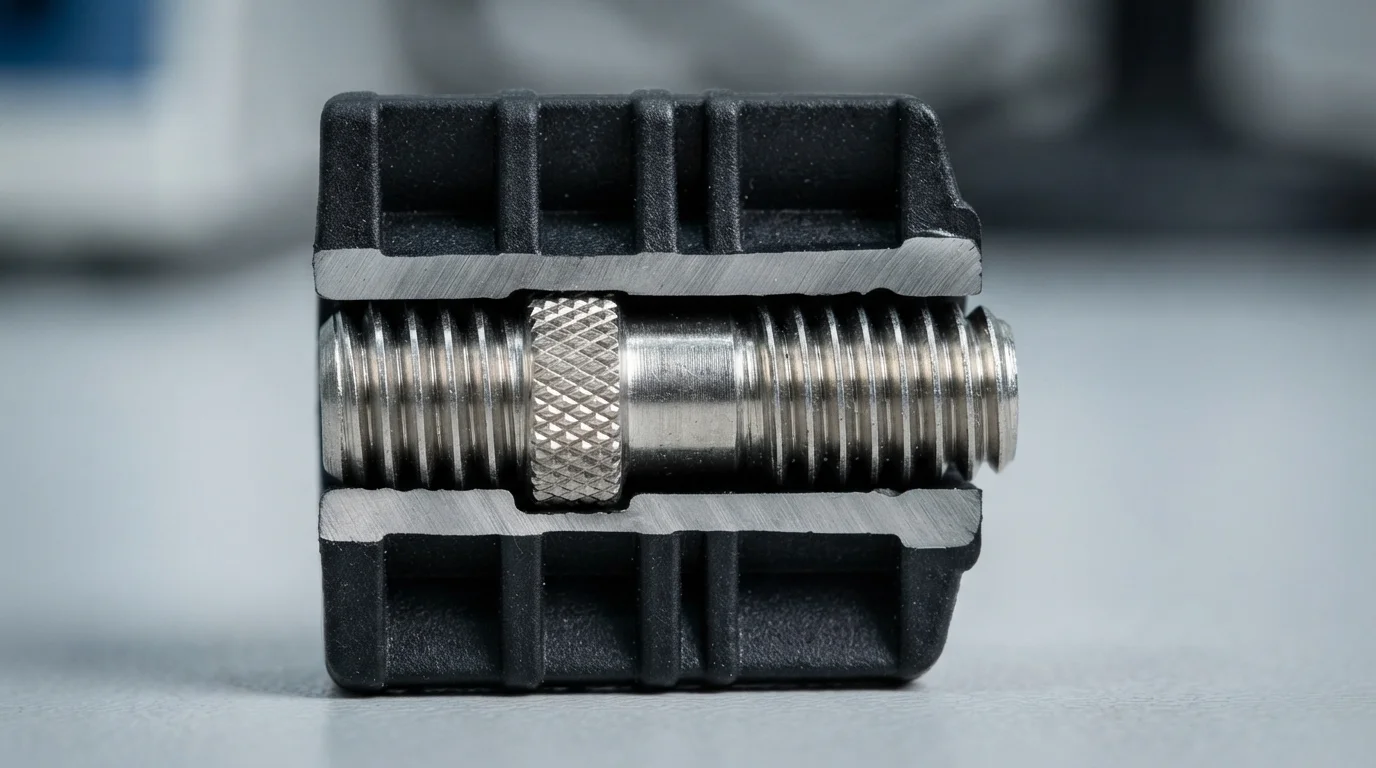
Placing pre-fabricated metal hardware onto core pins inside a mold cavity before resin injection forms the foundation of robust insert molding. If the locating pins inside a rapid aluminum tool shift by even a fraction of a millimeter under high-velocity melt impact, the resulting threaded insert will tilt off-axis, destroying subsequent mechanical assembly interfaces.
Securing precise alignment demands specialized vertical or horizontal injection configurations. Utilizing an agile Servicio de moldeo por inyección ensures stable machine clamping, while a versatile Servicio de prototipos lets development teams test encasement integrity. Sourcing precision assemblies through an experienced Servicio de mecanizado CNC guarantees accurate locating pocket depths across soft metal mold plates.
Thermal Expansion Mismatch: Metal Inserts vs. Plastic Shrinkage
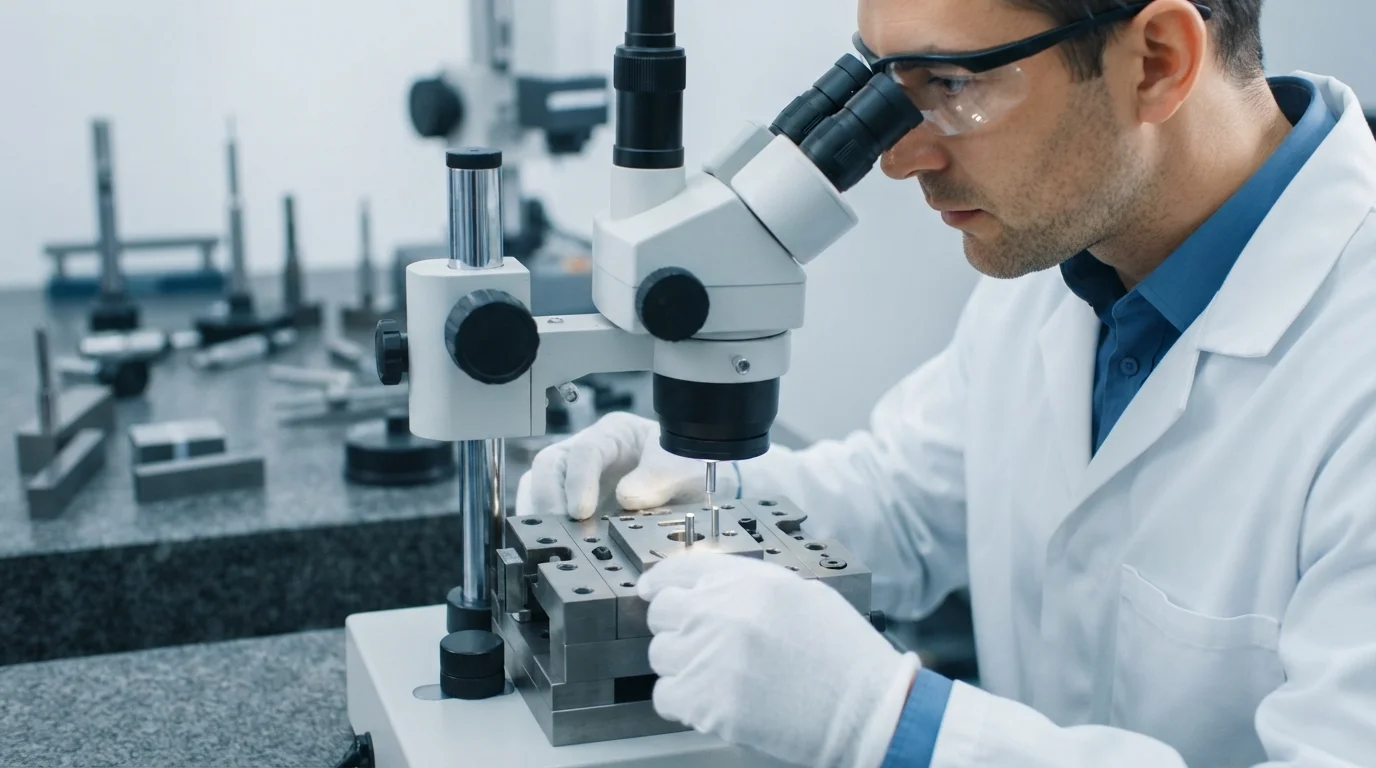
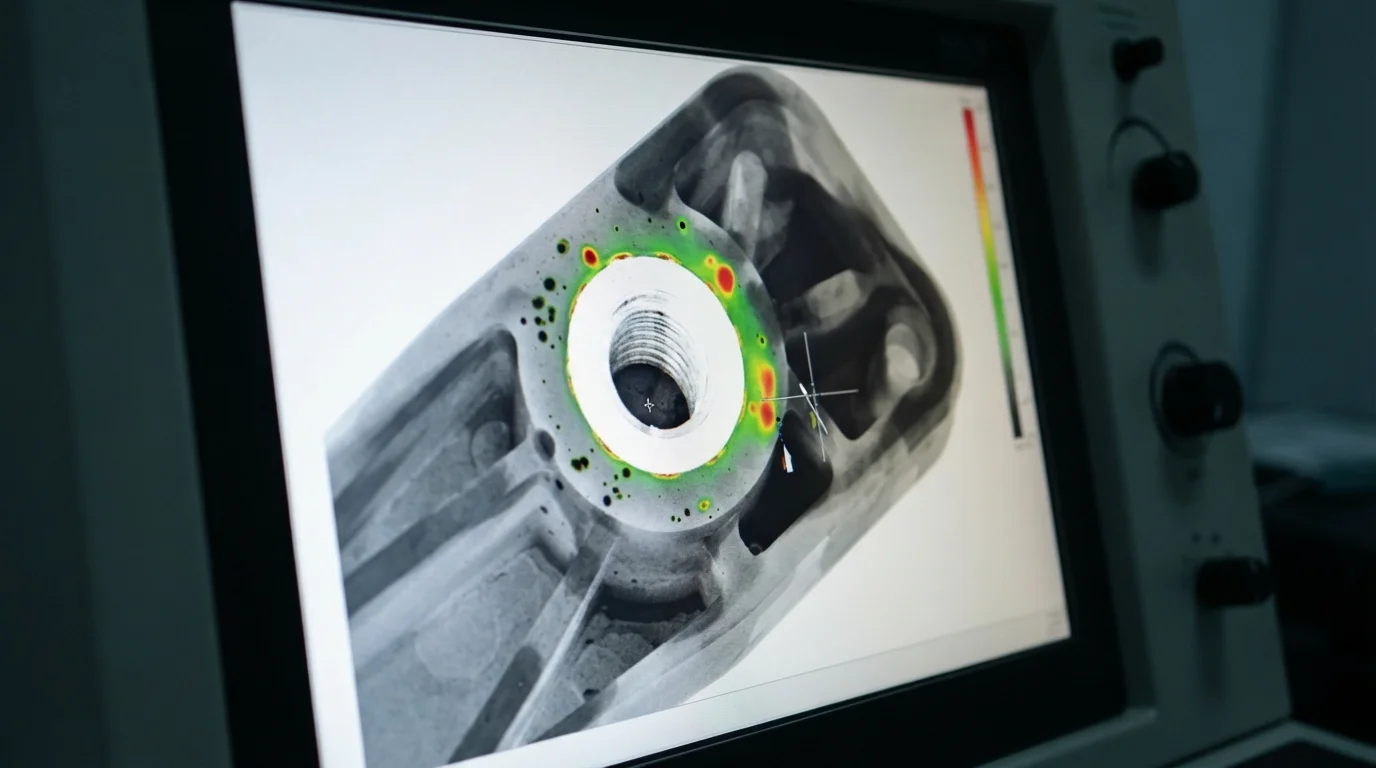
Metals like latón and stainless steel experience minimal thermal contraction compared to engineering thermoplastics like ABS o Policarbonato (PC). As the injected polymer wrap cools around a stationary metal insert, the plastic attempts to shrink inward rapidly while the rigid metal core resists movement. This thermodynamic clash generates high internal hoop stresses that can crack thin polymer bosses or create micro-gaps if wall thickness is insufficient.
Managing thermal contraction discrepancies requires deliberate engineering adjustments during the early NPI design phase:
| Parámetro de diseño | Standard Recommendation | Engineering Objective |
|---|---|---|
| Minimum Boss Wall Thickness | 1.5x to 2.0x insert diameter | Absorbs radial hoop stress without cracking |
| Knurling Profile Design | Diamond knurl or deep annular grooves | Maximized torque and pull-out resistance |
| Pre-Heating Metal Inserts | Warm inserts to 80°C – 120°C | Reduces thermal shock and weld-line stress |
Ensuring Secure Fit and High Pull-Out Strength
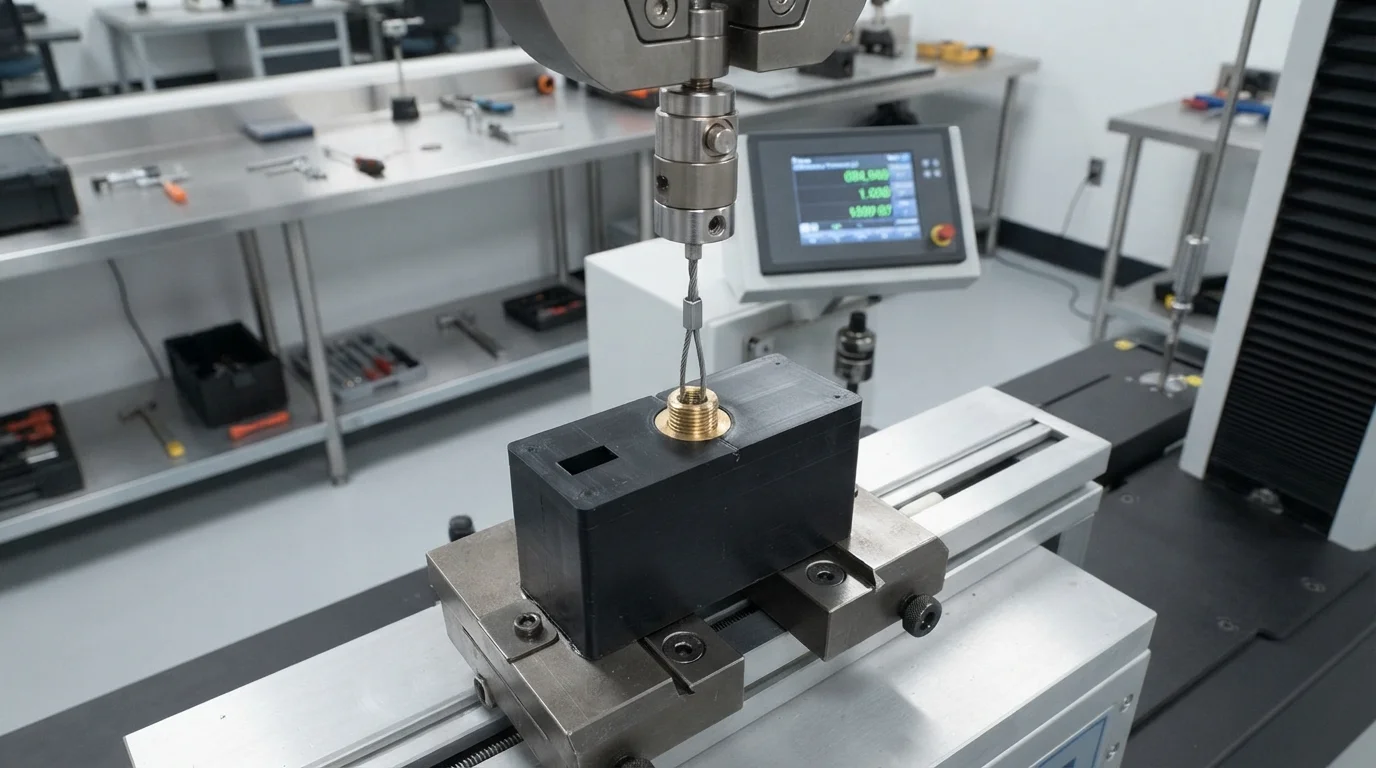
Jucheng Precision apoya a los innovadores de hardware ofreciendo revisiones integrales DFM gratuito las 24 horas reviews that evaluate insert pocket clearances, knurl configurations, and boss wall distributions prior to tool cutting. Operating with 150+ advanced CNC machines—including 25 high-precision 5-axis systems—alongside 35+ specialized injection molding presses, our ISO 9001 certified facilities ensure absolute quality control.
Key operational advantages of our precision insert molding framework include:
- Custom pin-locating nests—Engineered mold pockets hold threaded brass studs securely against high-velocity melt impact
- Rigid structural validation—Molded sample batches undergo rigorous mechanical pull-test verification
- Sin restricciones de cantidad mínima de pedido—No MOQ policies allow exact inventory alignment with pilot production runs
Preguntas Frecuentes (FAQ)
Why is insert positioning tolerance critical in rapid injection molding?
Accurate insert positioning ensures that encapsulated threaded studs or electrical pins align perfectly with mating hardware during final product assembly without tilting off-axis.
How does thermal expansion mismatch affect encapsulated metal inserts?
Metals contract much slower than cooling thermoplastics, creating high internal hoop stresses that can crack thin polymer bosses if wall thicknesses are inadequate.
How does Jucheng Precision support precision insert molding projects?
Jucheng Precision provides 24-hour free DFM reviews, custom pin-locating mold nests, and specialized injection molding services to guarantee secure, high-strength encapsulation.

