


Launching a new plastic injection molding program involves countless critical choices, but none carries a more lasting financial and technical impact than deciding which baseline metal alloy will carve your mold cavities. When engineering teams step into the rapid tooling and bridge manufacturing arena, they inevitably face a strategic crossroads between pre-hardened alloy steels and lightweight high-strength non-ferrous metals. Analyzing the core trade-offs of P20 steel vs aluminum tooling determines whether your pilot program achieves optimal cycle efficiency, target lifespan longevity, and strict budgetary control.
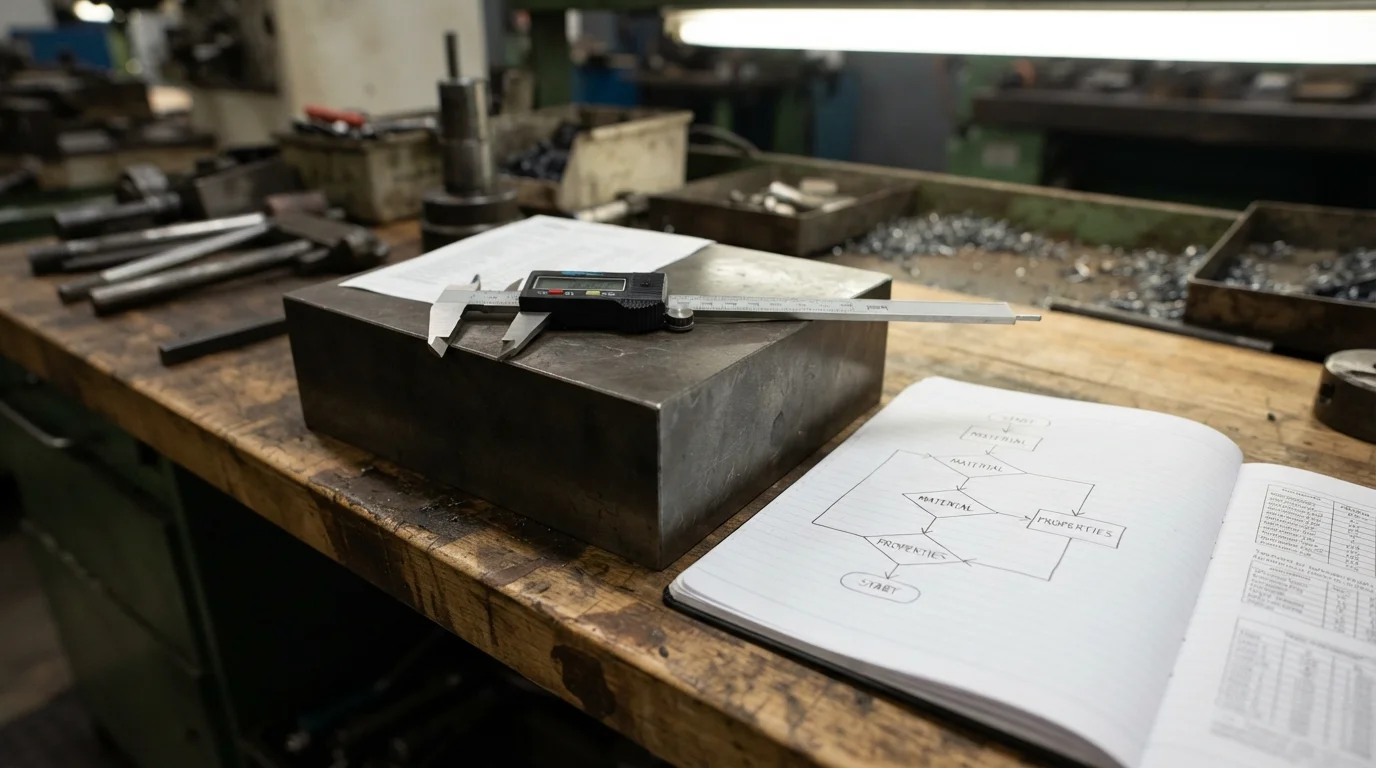
Navigating the nuances of rapid metal selection requires weighing conflicting engineering parameters such as CNC machinability, thermal dissipation rates, and long-term abrasive wear resistance. Let us examine a comprehensive performance comparison framework designed to guide structural material engineering decisions.
Tabla de Contenidos
1. Key Performance Metrics: Comprehensive Alloy Comparison Matrix
2. When to Choose P20 Pre-Hardened Steel for Industrial Demands
Key Performance Metrics: Comprehensive Alloy Comparison Matrix
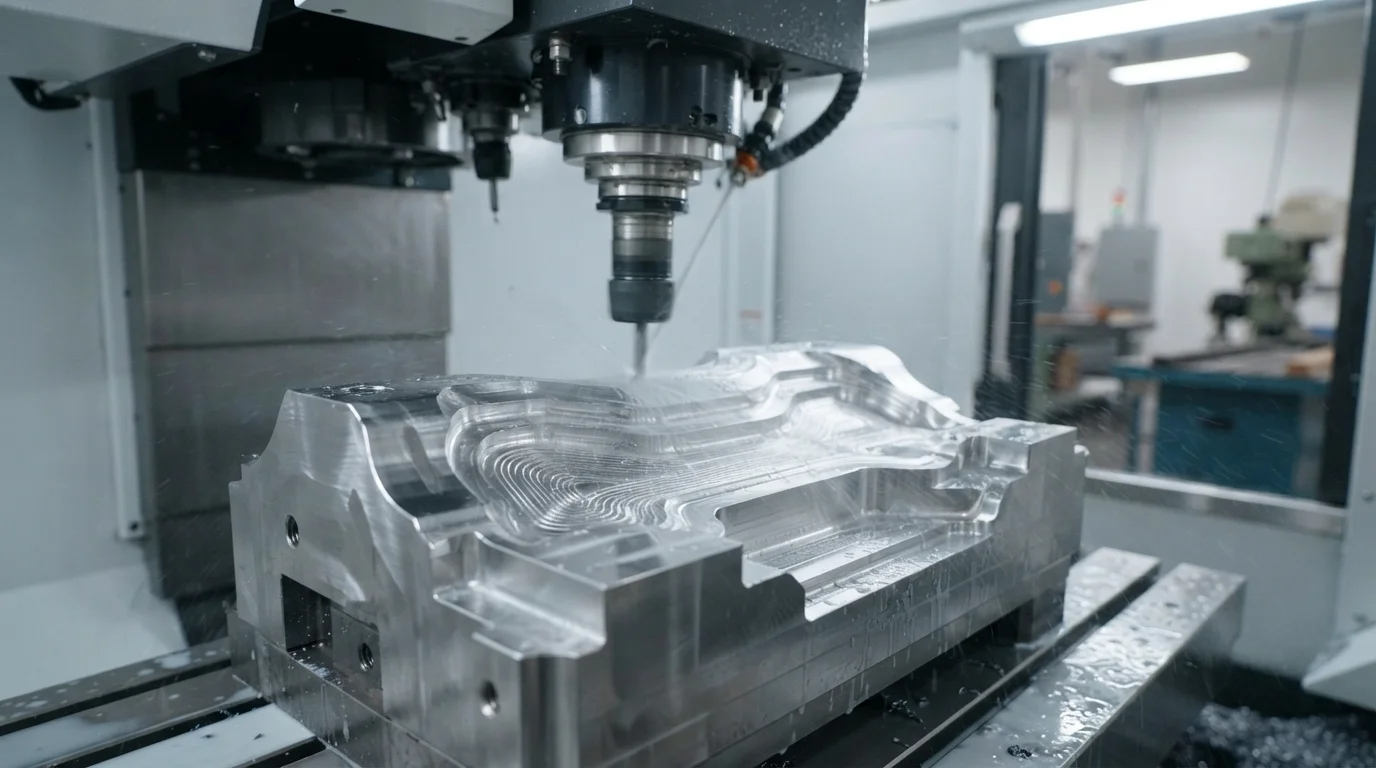
To make an educated tooling investment, product development managers must evaluate how aluminum and pre-hardened steel perform across critical operational categories. While aerospace-grade aluminum excels in thermal conductivity and high-speed CNC milling efficiency, pre-hardened P20 steel dominates in clamping load resistance and extended component lifespans.
Exploring specialized performance dynamics is detailed across our dedicated engineering guides, covering machinability of p20 steel vs aluminum, thermal conductivity aluminum vs p20 molds, tool life p20 steel vs aluminum injection molds, and cost analysis p20 steel vs aluminum tooling.
Comparing baseline metallurgical attributes provides a clear structural baseline for project planning:
| Métrica de Rendimiento | AL7075-T6 Aluminum Tooling | Pre-Hardened P20 Steel Tooling |
|---|---|---|
| CNC Machining Speed | Extremadamente rápida (altas velocidades de husillo) | Moderate (Requires slower feed rates) |
| Thermal Dissipation Rate | Superior (~130 W/m-K) | Moderada (~40 W/m-K) |
| Vida útil esperada de la herramienta | 10,000 a 50,000 disparos | 50,000 a 100,000+ disparos |
When to Choose P20 Pre-Hardened Steel for Industrial Demands
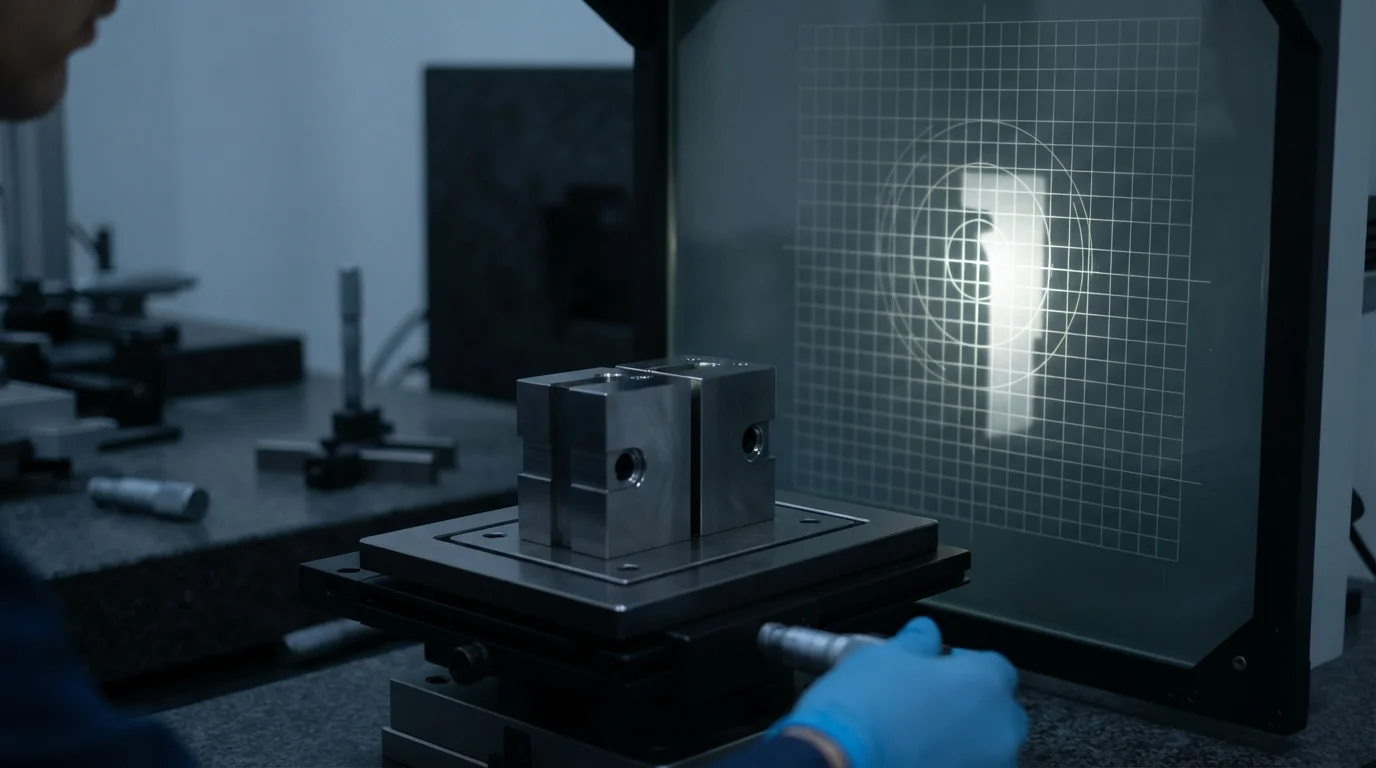
Pre-hardened P20 steel serves as the reliable industry standard for low-to-medium volume bridge tooling when component geometry involves abrasive engineering resins, complex slider actions, or extended production quantities. Its robust Brinell hardness (approx. 300 HB) protects parting lines from high-tonnage crushing forces and prevents premature gate wear when processing glass-filled thermoplastics.
Utilizando un Servicio de moldeo por inyección combined with a dedicated Servicio de utillaje rápido ensures P20 mold cores deliver exceptional dimensional repeatability across thousands of continuous cycles.
Opting for P20 steel is ideal when projects encounter specific structural criteria:
- Processing abrasive resins—Resisting glass or mineral fiber erosion in filled polymers like PA+GF
- Extended batch targets—Supporting reliable production runs stretching well beyond ten thousand units
- Complex slide mechanisms—Withstanding frictional wear across moving side-actions and lifters
When Aluminum (AL7075) is the Clear Winner for Speed
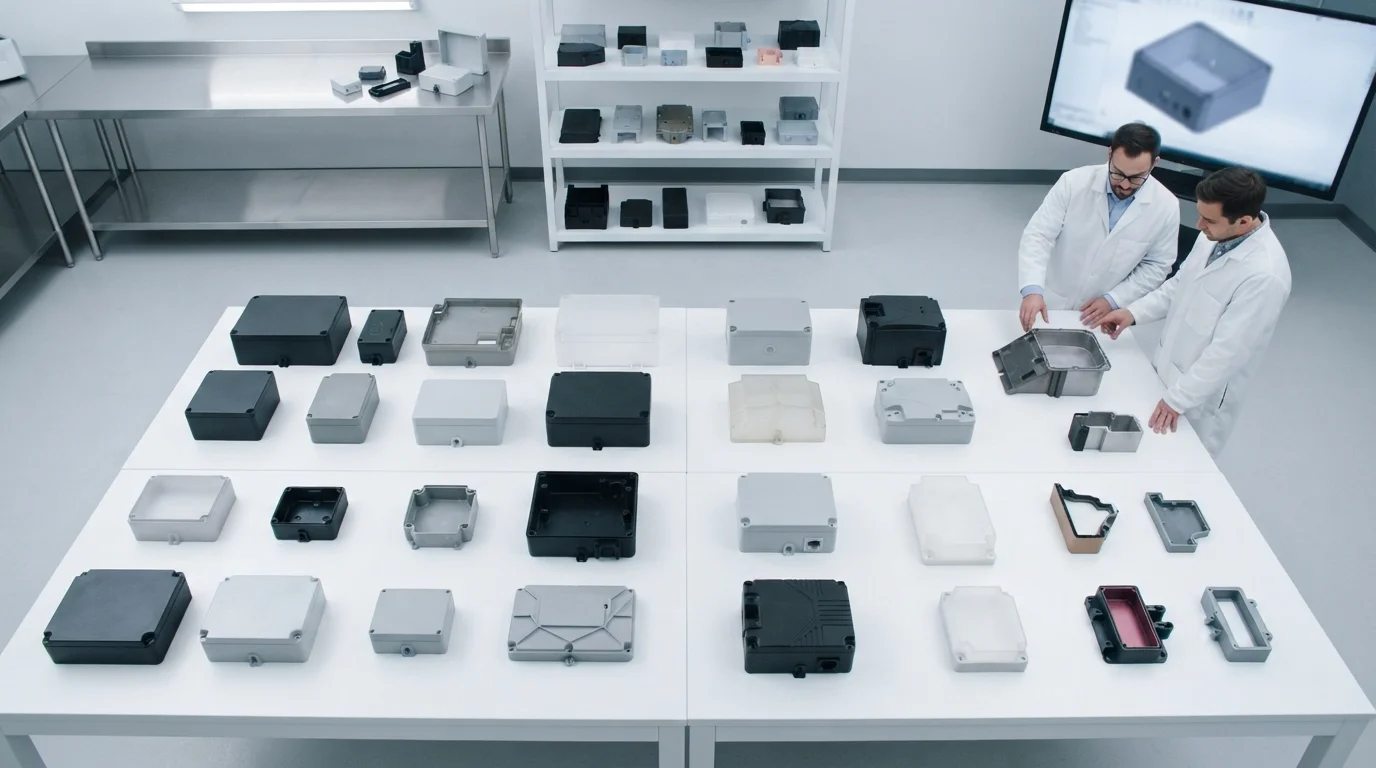
Aerospace-grade aluminum shines brightly when project schedules demand lightning-fast delivery and optimal thermal cycle efficiency. Because aluminum dissipates heat up to five times faster than steel, it drops part cooling times significantly, reducing piece-part costs and accelerating sampling velocity.
Jucheng Precision houses dedicated P20 and aluminum mold machining cells, backed by an extensive floor of 150+ advanced CNC machines and 35+ injection presses. Our ISO 9001 certified engineering teams provide DFM gratuito las 24 horas material evaluations to help you avoid common tooling pitfalls.
Key operational advantages of our expert material engineering framework include:
- Expert DFM alloy assessment—Analyzing project volume and resin abrasiveness to select the ideal metal
- In-house dual-metal machining—Operating specialized P20 and aluminum toolrooms for rapid turnaround
- Sin restricciones de cantidad mínima de pedido—No MOQ policies allow exact inventory alignment with pilot runs
Unsure whether your rapid mold requires P20 steel or aluminum? Let Jucheng’s material engineers guide your alloy selection today.
Preguntas Frecuentes (FAQ)
What are the main advantages of P20 steel over aluminum tooling?
P20 steel offers superior Brinell hardness (approx. 300 HB), higher tensile strength, and greater resistance to abrasive wear and clamping pressure, supporting extended production lifespans of 50,000+ shots.
Why is aluminum tooling often preferred for rapid prototyping and short runs?
Aluminum machines three to five times faster than steel and dissipates heat up to five times quicker, significantly reducing CNC machining lead times and injection molding cycle times.
How does Jucheng Precision assist with rapid mold alloy selection?
Jucheng Precision provides 24-hour free DFM material evaluations, specialized P20 and aluminum machining workshops, and expert engineering guidance to prevent costly tooling traps.

