


Una estética visual exquisita puede hacer o deshacer un producto de consumo durante su crucial presentación inicial. Cuando los diseñadores de hardware sostienen un prototipo físico temprano, la apariencia táctil y cosmética dicta inmediatamente la percepción del mercado. Desafortunadamente, evaluar los cosméticos comerciales expone una divergencia masiva entre la fabricación aditiva y el utillaje puente. Analizar el acabado superficial en impresión 3D vs. utillaje rápido revela por qué lograr la perfección lista para el comercio requiere abandonar el lijado manual en favor de la replicación directa del molde metálico desde la prensa.
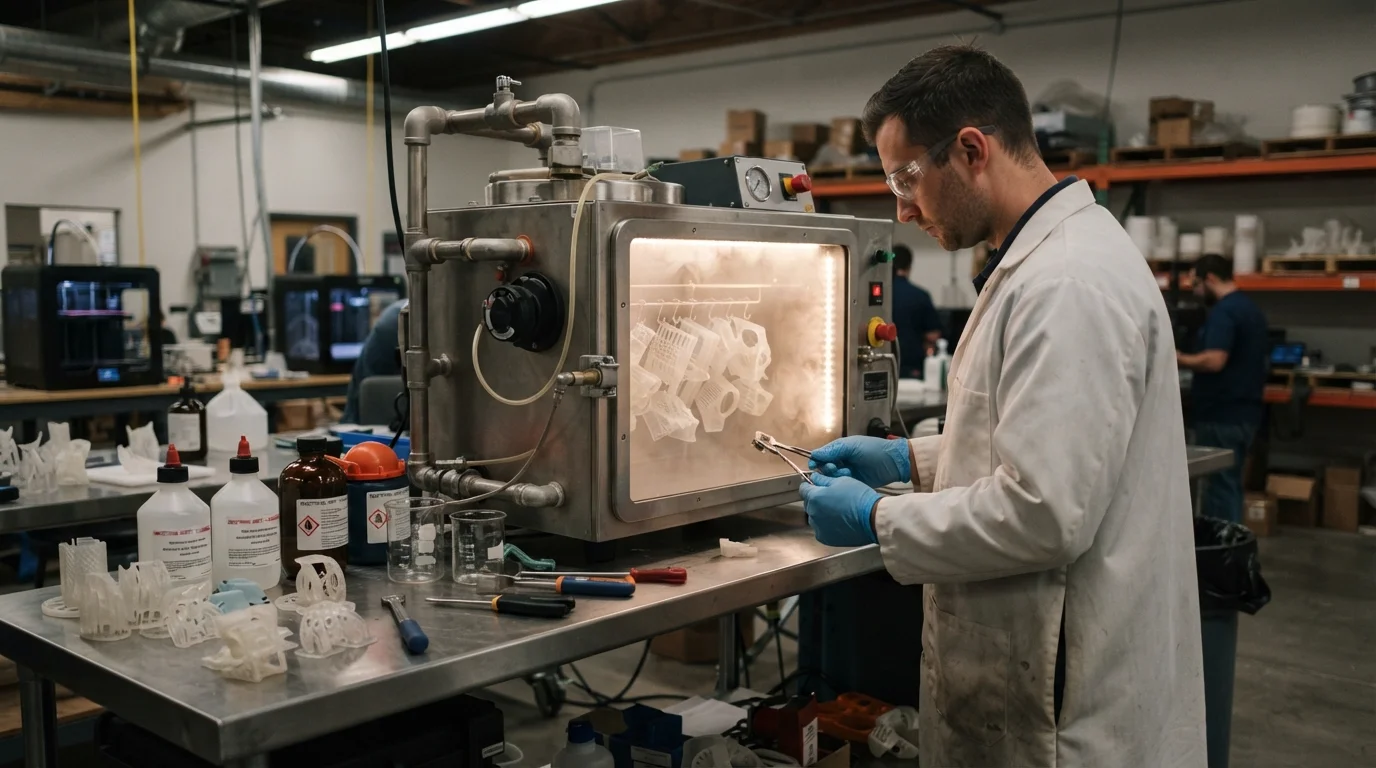
Tabla de Contenidos
1. Superando las Líneas de Capa: La Carga del Post-Procesado en Piezas Impresas en 3D
2. Texturas en Molde y Acabados SPI: Obteniéndolos Directamente de la Prensa
Superando las Líneas de Capa: La Carga del Post-Procesado en Piezas Impresas en 3D
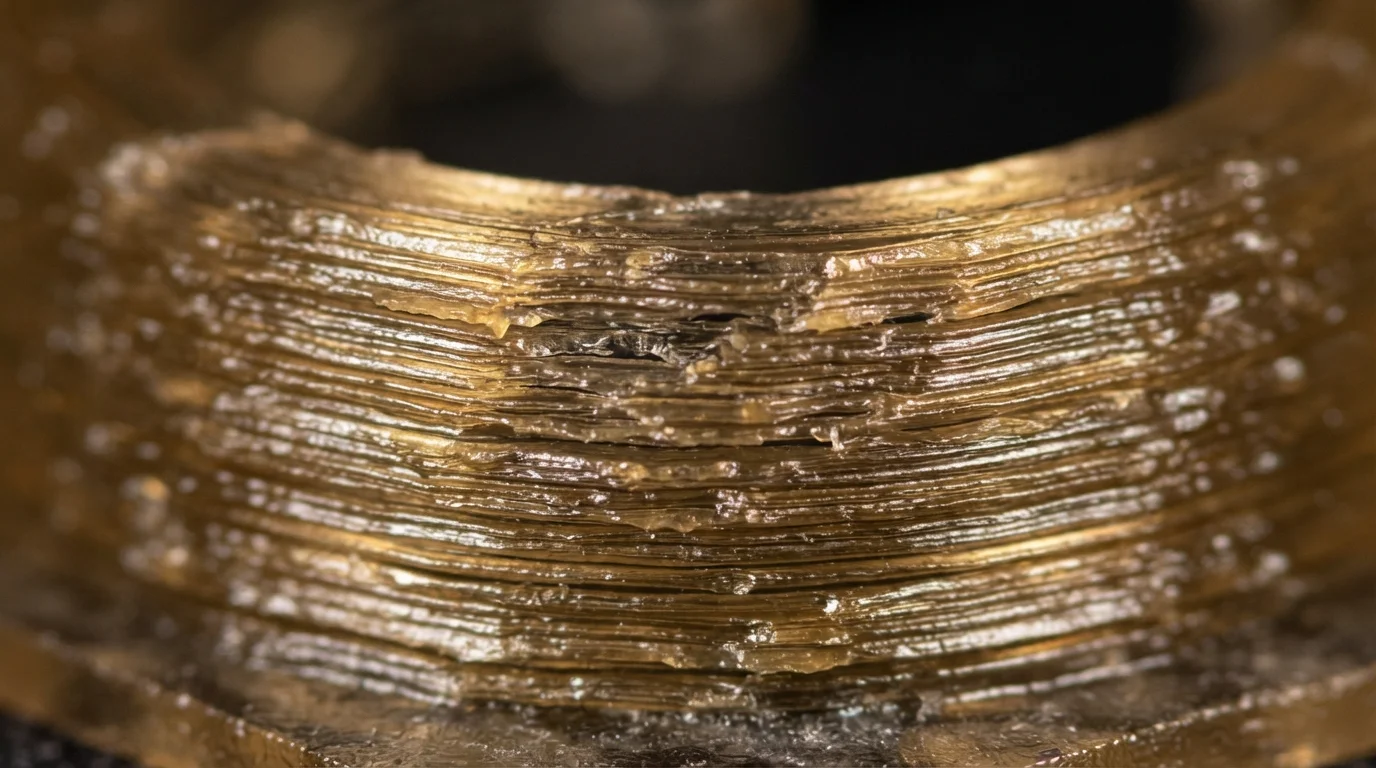
Pregunta: ¿Por qué los componentes impresos en 3D requieren inherentemente un extenso trabajo manual para lograr una suavidad cosmética aceptable? La deposición aditiva construye piezas a través de estratos horizontales visibles, dejando micro-surcos que atrapan suciedad y distorsionan los reflejos de luz.
Incluso la estereolitografía de alta resolución o el sinterizado selectivo por láser dejan distintas firmas topográficas que exigen horas de lijado manual, imprimación y suavizado con vapor químico. Si bien estas intervenciones de post-procesado mejoran la apariencia, con frecuencia redondean los bordes estructurales afilados y rellenan micro-texturas delicadas. Cambiar hacia un Servicio de Utillaje Rápidoe omite el suavizado manual por completo al transferir texturas de cavidad pulidas a espejo directamente sobre la superficie del polímero durante la inyección rápida en prensa.
Contrastar las vías de desarrollo cosmético implica rastrear atributos específicos de procesamiento superficial:
| Atributo Cosmético | Acabado Avanzado de Impresión 3D | Acabado de Moldeo por Inyección Rápida |
|---|---|---|
| Topografía Superficial Inicial | Escalones horizontales visibles en capas | Réplica impecable del pulido de herramientas metálicas |
| Retención de bordes afilados | Se redondea debido al lijado manual | Líneas de separación y esquinas nítidas y afiladas |
| Consistencia de lote a lote | Variable debido al trabajo manual posterior | Acabado cosmético idéntico en miles de unidades |
Texturas en molde y acabados SPI: Obteniéndolo directamente de la prensa
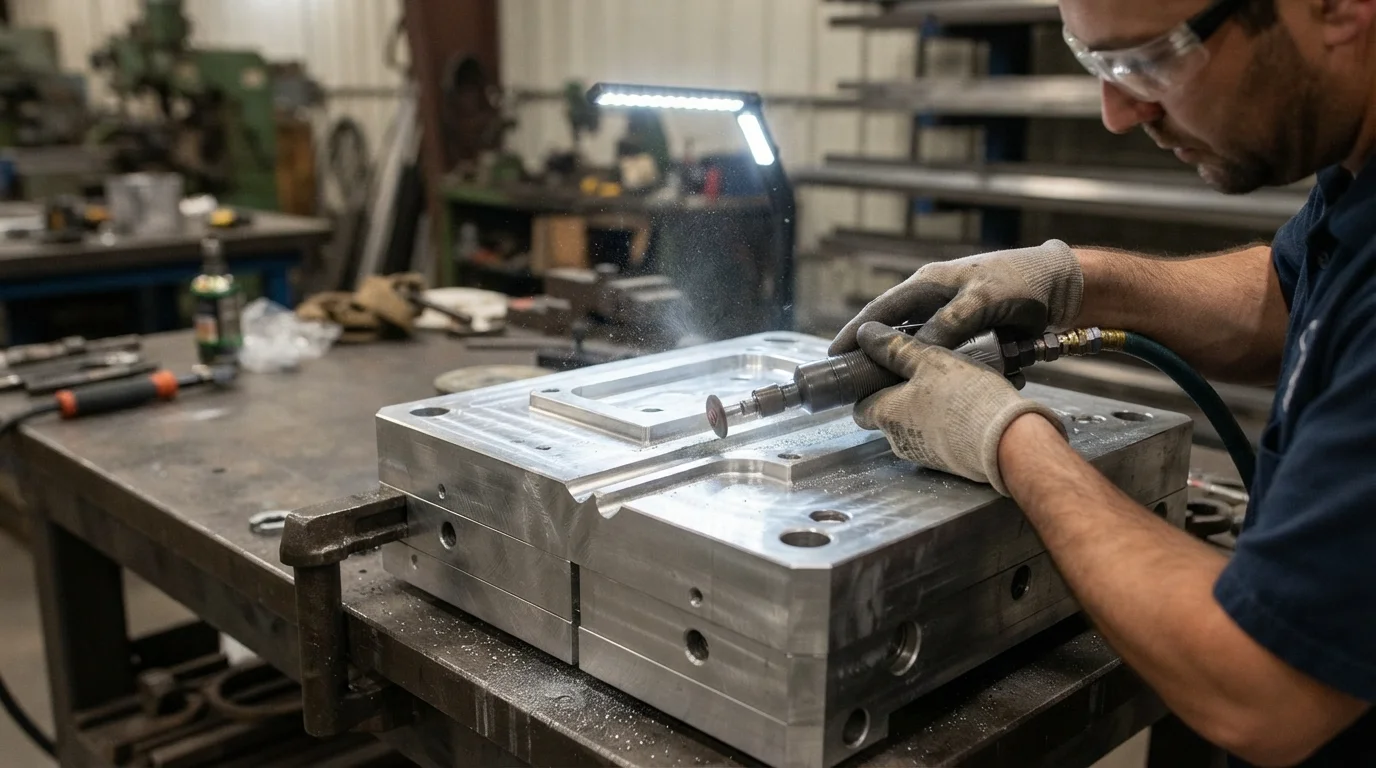
Pregunta: ¿Cómo logran los insertos de moldeo rápido acabados espejo de alto brillo o texturas mate VDI complejas instantáneamente durante la extracción? Los fabricantes de herramientas expertos pulen a mano las paredes de cavidades de aluminio blando o acero según los estándares SPI exactos antes de que comience la inyección de producción.
Obtener la cosmética directamente de la prensa elimina los gastos de mano de obra secundaria y garantiza una marca uniforme en cada unidad fabricada. Ya sea que su diseño comercial requiera una lente transparente de grado óptico o una carcasa electrónica mate resistente, las herramientas de puente procesan polímeros auténticos como ABS o Policarbonato (PC) con una fidelidad visual impecable. Utilizar un Servicio de moldeo por inyección ágil asegura un control óptimo de la temperatura de fusión para prevenir imperfecciones superficiales.
Optimizando los resultados cosméticos y manteniendo estándares visuales impecables implica monitorear protocolos clave de acabado:
- Pulido espejo SPI-A2—Eliminando micro-rayaduras de los núcleos de moldes de aluminio para lentes ópticas cristalinas
- Grabado químico de textura VDI—Impartiendo granos mate sofisticados en las superficies de las cavidades para ocultar huellas dactilares en dispositivos portátiles
- Desmoldeo controlado—Previniendo marcas de expulsión mediante ángulos de salida optimizados y paredes de núcleo pulidas
Perfección cosmética para carcasas de consumo y médicas
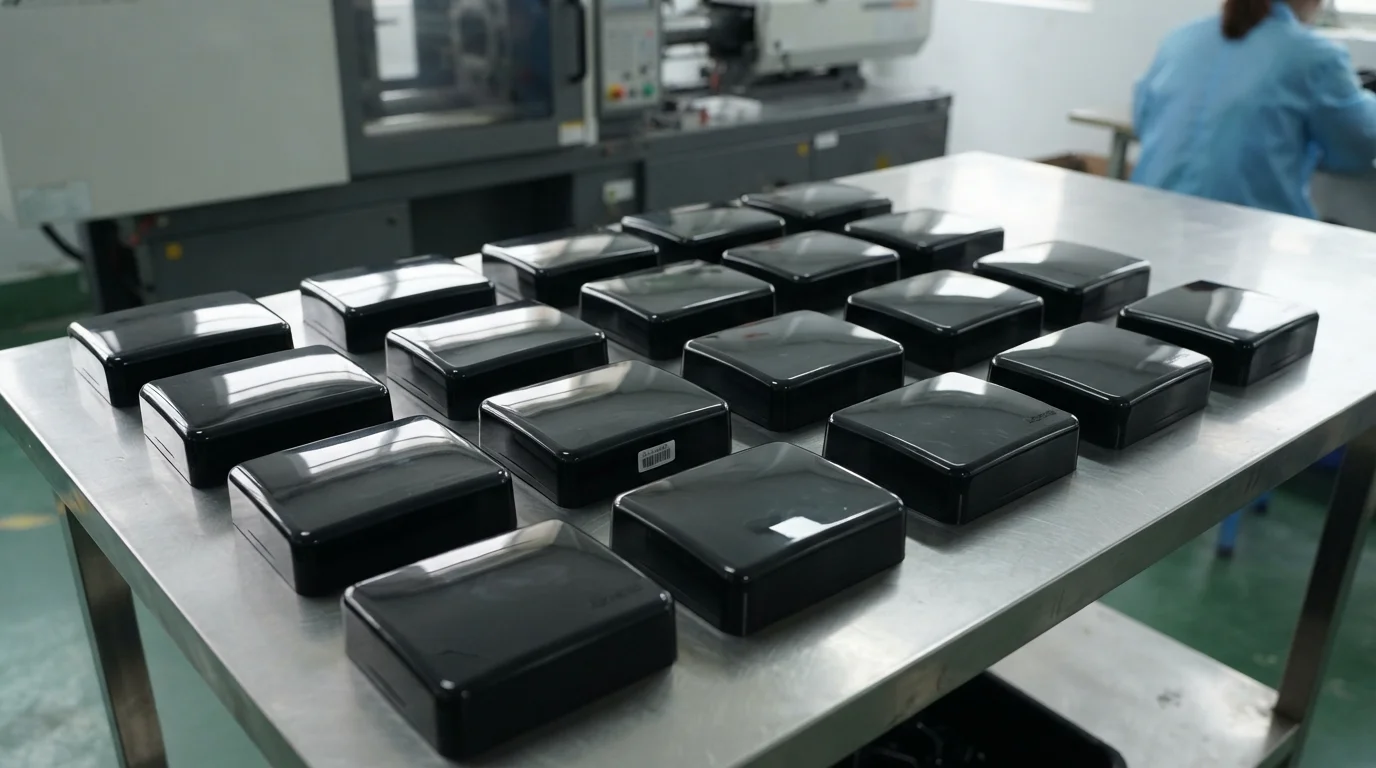
Jucheng Precision apoya a los desarrolladores de hardware entregando DFM gratuito las 24 horas revisiones que evalúan ángulos de salida, profundidades de textura y ubicaciones de compuerta antes de cortar metal. Operando con más de 150 máquinas CNC avanzadas junto con más de 35 estaciones de moldeo por inyección especializadas, nuestras instalaciones certificadas ISO 9001 aseguran estándares cosméticos excepcionales en cada lote.
Las ventajas operativas clave de nuestro marco integral de acabado incluyen:
- Pulido experto en sala de herramientas—Técnicos calificados ejecutan acabados SPI y VDI precisos directamente dentro de los núcleos de moldes metálicos
- Postprocesamiento llave en mano—Pintura interna, grabado láser y serigrafía entregan exteriores de dispositivos listos para el comercio minorista
- Sin restricciones de cantidad mínima de pedido—Las políticas sin cantidad mínima de pedido permiten una alineación exacta del inventario con ejecuciones de producción piloto personalizadas
¿Listo para elevar la cosmética de su producto? Deje que los especialistas en acabado de Jucheng lleven su diseño a la perfección minorista.
Preguntas Frecuentes (FAQ)
¿Por qué las piezas impresas en 3D requieren un post-procesamiento intensivo para una cosmética suave?
La fabricación aditiva construye objetos a través de estratos horizontales visibles, dejando micro-surcos que atrapan la suciedad y requieren lijado manual o suavizado con vapor químico para lograr suavidad.
¿Cómo logran los moldes de inyección rápida acabados de espejo pulido directamente desde la prensa?
Los fabricantes de moldes expertos pulen a mano las paredes de la cavidad del molde de aluminio o acero según estándares SPI exactos, permitiendo que el polímero inyectado replique el brillo de espejo instantáneamente al ser expulsado.
¿Cómo apoya Jucheng Precision los requisitos de acabado cosmético?
Jucheng Precision proporciona revisiones gratuitas de DFM en 24 horas, pulido experto en el taller, texturizado VDI y posprocesamiento llave en mano para garantizar la estética del dispositivo lista para el comercio minorista.

