


Elegir entre resinas de fotopolímero baratas y termoplásticos de ingeniería altamente resistentes representa una de las decisiones más críticas que influye directamente en sus presupuestos de desarrollo temprano. Comprender las compensaciones físicas del costo de prototipado rápido de plástico evita que los equipos de desarrollo de productos paguen de más por desperdicio de materia prima y largos tiempos de máquina. Los modelos estéticos simples se imprimen rápidamente por unos pocos dólares, pero los gabinetes funcionales que deben sobrevivir rigurosas pruebas de caída exigen la resistencia estructural de bloques mecanizados. Equilibrar las capacidades del proceso contra las propiedades del polímero crudo asegura que sus modelos físicos se coordinen limpiamente con los objetivos de validación previstos.
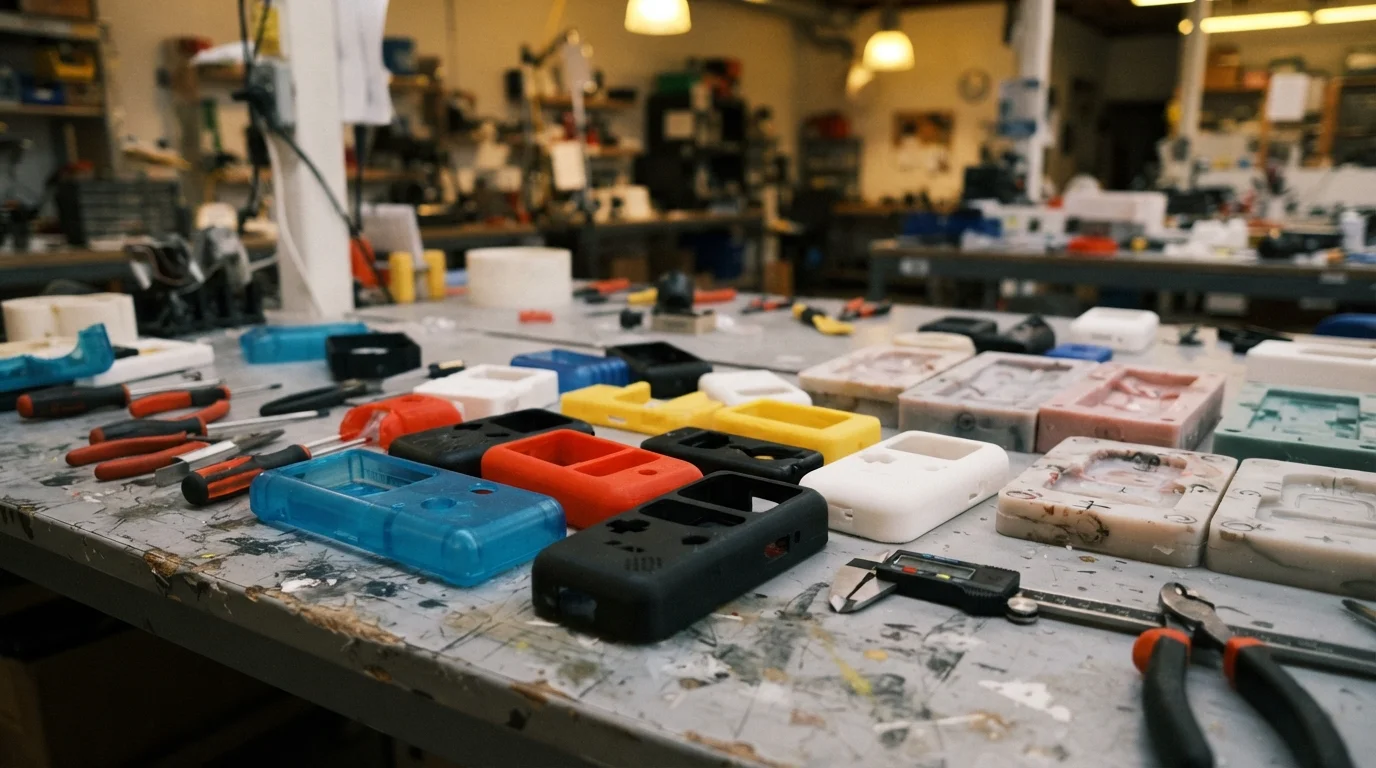
Las horas de configuración iniciales, los márgenes de desperdicio de material y las complejidades de las piezas influyen en la factura final mucho más de lo que los algoritmos de software estándar pueden predecir. Obtener modelos físicos de alta fidelidad requiere una estrategia de fabricación equilibrada que combine sus objetivos de validación inmediatos con el proceso de fabricación más rentable. Obtener sus copias de un socio con amplias capacidades internas asegura que reciba consejos honestos y de ahorro de costos para su programa de hardware específico. Veamos cómo puede optimizar sus geometrías para reducir gastos de manera segura mientras mantiene una calidad de alta fidelidad.
Tabla de Contenidos
1. Resinas de fotopolímero baratas versus plásticos de ingeniería resistentes
2. Métodos de fabricación óptimos para cantidades bajas versus medias
Resinas de fotopolímero baratas versus plásticos de ingeniería resistentes
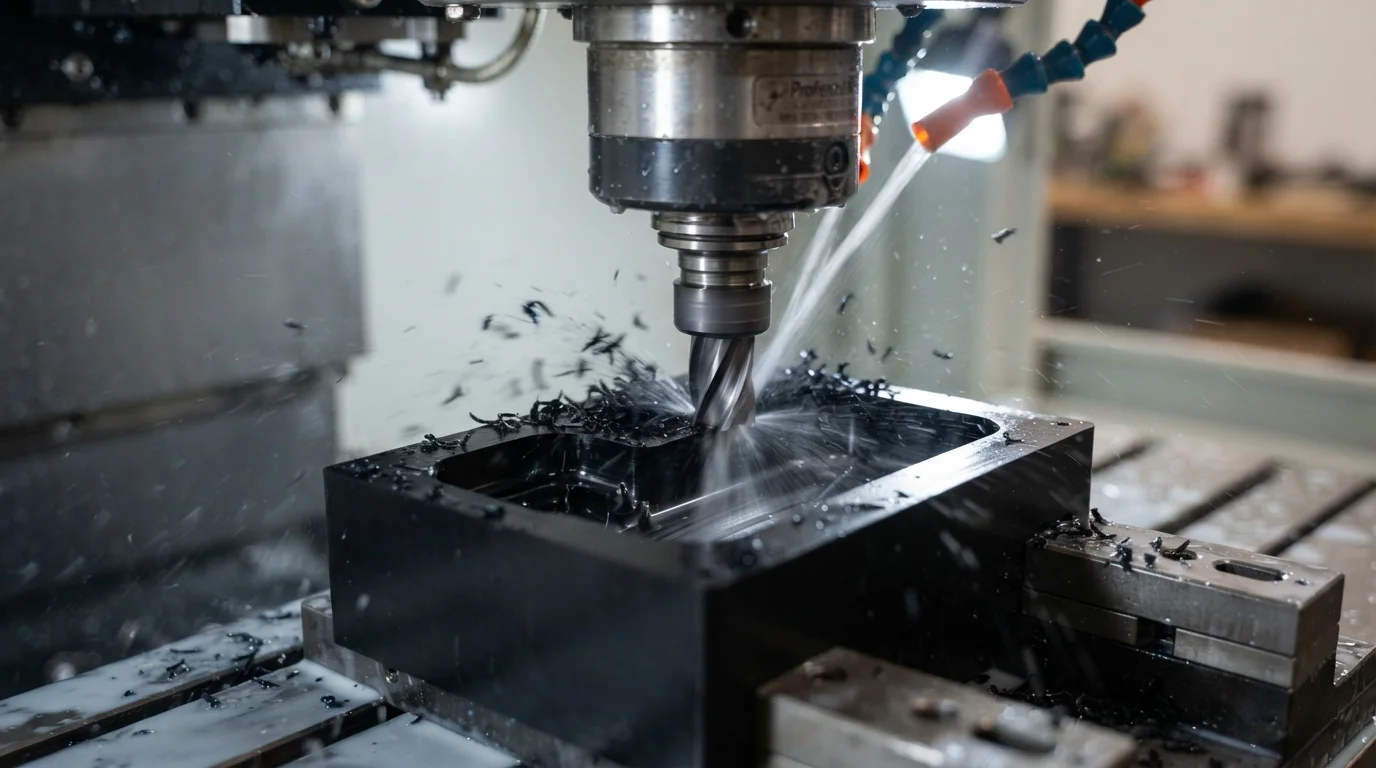
Pregunta: ¿Por qué los plásticos de ingeniería son más caros de prototipar que las resinas impresas en 3D? Los termoplásticos de alto rendimiento deben mecanizarse por sustracción a partir de bloques extruidos sólidos, lo que aumenta los tiempos de máquina y el desgaste de las herramientas en comparación con el corte aditivo automatizado.
Seleccionar polímeros crudos influye directamente en el tiempo de programación del código G, las horas de husillo de la máquina y el factor de desperdicio de materia prima. Utilizar plataformas SLA Servicio de impresión 3D estándar es ideal para modelos visuales en etapas tempranas porque los fotopolímeros líquidos curan rápidamente bajo barridos de láser UV. Las resinas de fotopolímero estándar, sin embargo, carecen de la elongación elástica y la resistencia a la tracción necesarias para sobrevivir al estrés físico real. Patrocinar la Servicio de prototipos validación temprana con estas resinas frágiles es barato pero falla instantáneamente cuando se somete a torque mecánico dinámico.
Los termoplásticos de ingeniería resistentes como Nailon (PA), ABS, o de alto impacto Policarbonato (PC) deben fresarse o moldearse por CNC para validar las holguras mecánicas reales. Sustractivo Servicio de mecanizado CNC El mecanizado a partir de bloques extruidos preserva las estructuras isotrópicas del grano del material, eliminando las debilidades de unión entre capas comunes en las impresiones aditivas. El corte de polímeros de alto rendimiento como PEEK requiere fresas especializadas bimetálicas o de carburo que operan a velocidades de avance lentas para prevenir la fusión térmica, lo que aumenta las horas de máquina. El abastecimiento de plásticos en bloque macizo protege su presupuesto de desarrollo de los recargos por prima de material.
Métodos de fabricación óptimos para cantidades bajas versus medianas
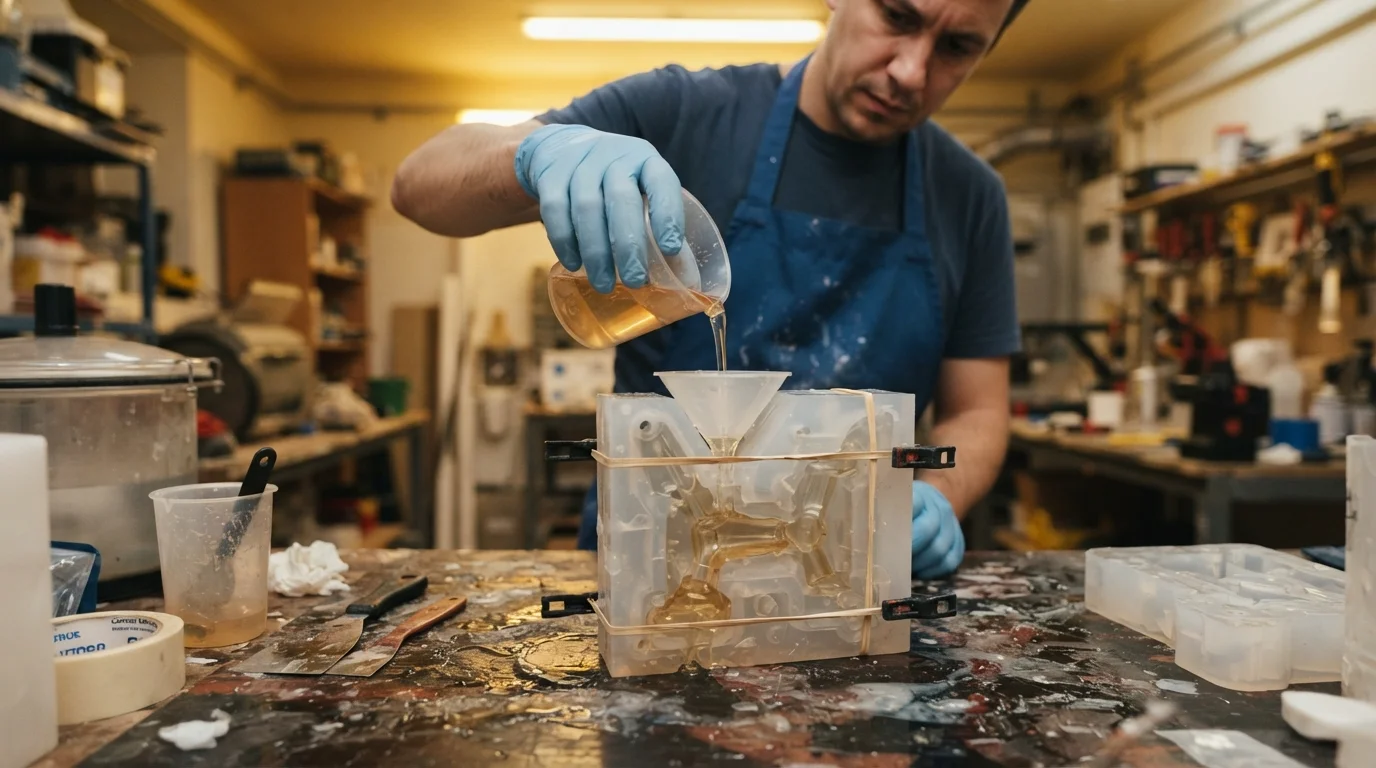
Pregunta: ¿A qué cantidad debe hacer la transición de la impresión 3D al moldeo por vacío? El abastecimiento de piezas personalizadas de poliuretano a partir de moldes de silicona se vuelve altamente rentable al producir de diez a cincuenta unidades de plástico, ya que evita los costosos tiempos de configuración de la máquina.
Los costos de la impresión 3D poligonal escalan casi linealmente con el volumen, lo que significa que cincuenta piezas costarán casi cincuenta veces más que una sola unidad. El abastecimiento de diez a cincuenta carcasas de plástico personalizadas es altamente económico utilizando Moldeo al vacío porque los moldes de silicona cuestan solo unos pocos cientos de dólares de fabricar. Las resinas de fundición de poliuretano replican perfectamente las propiedades físicas de los plásticos de grado de producción como PC, ABS y caucho elastomérico. Comprender este umbral de volumen es crítico para evitar que los grupos de productos paguen de más en su costo total de prototipado rápido de plástico.
El abastecimiento de más de 100 piezas funcionales requiere pasar a herramientas de inyección rápida, donde el costo inicial del molde se distribuye en toda la serie. Esta tabla compara los comportamientos de costos base en los métodos estándar de fabricación rápida de plástico:
| Tecnología de Prototipado | Inversión en Herramientas | Costo de Material por Pieza | Mejor volumen de ahorro de costos |
|---|---|---|---|
| Impresión 3D (SLA) | Cero CapEx en herramientas | Medio-Alto (Resina líquida) | 1 a 5 unidades (modelos visuales) |
| Moldeo al vacío | Bajo ($200 – $500 por molde) | Medio (Poliuretano) | 10 a 50 unidades (serie corta) |
| Mecanizado CNC | Medio (Mano de obra de configuración manual) | Bajo (Bloques de polímero sólido) | 5 a 20 unidades (piezas de alta resistencia) |
Gastos de acabado superficial cosmético y pintura
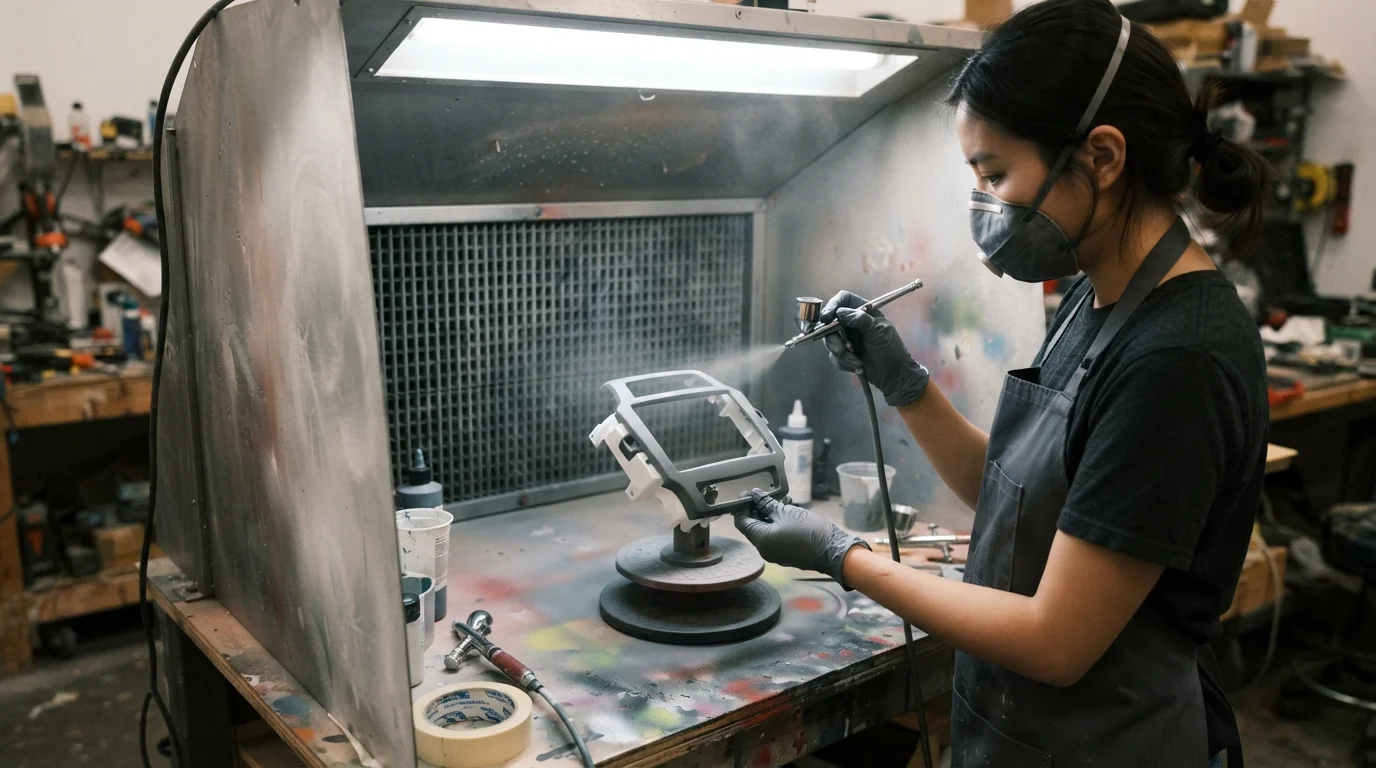
Pregunta: ¿Cómo afectan los acabados superficiales a las facturas de prototipado de plástico? El pulido manual de alta gama, la pintura de color a juego y el recubrimiento por pulverización con textura requieren horas de mano de obra manual intensiva que pueden duplicar su factura general del proyecto.
Aplicar tratamientos de superficie cosméticos o funcionales representa una variable importante que altera directamente las dimensiones finales de los componentes. Las pinturas, los recubrimientos en aerosol de tacto suave y las pinturas gruesas de poliuretano añaden capas visibles que van desde 0.05 mm a 0.15 mm por lado. No tener en cuenta estos aumentos de postprocesado da como resultado piezas entrelazadas apretadas que se atascan o no se ensamblan por completo. Los técnicos compensan los espesores de recubrimiento durante las configuraciones de mecanizado tempranas al reducir las dimensiones críticas.
Jucheng Precision supports mechatronics groups by delivering highly optimized, cost-saving plastic fabrication options that align with tight budgets. Sourcing our expert DFM reviews helps product groups optimize gate placements, parting lines, and draft profiles before cutting metal. Utilizing high-efficiency multi-axis milling setups ensures we provide completely honest, practical advice to lower your plastic rapid prototyping cost. Sourcing fully validated, production-grade components within 4 to 15 days allows mechatronics groups to accelerate development schedules safely.
Partnering with a certified manufacturer helps you navigate the transition from early visual mockups to low-volume bridge tooling seamlessly. Sourcing your quotes manually ensures experienced engineers analyze your 3D STEP files to find additional ways of saving money on plastic rapid prototyping. Functional components undergo rigorous coordinate metrology checks to confirm exact dimensional compliance. Sourcing high-quality prototypes ensures your designs are built to withstand severe dynamic forces safely.
Preguntas Frecuentes (FAQ)
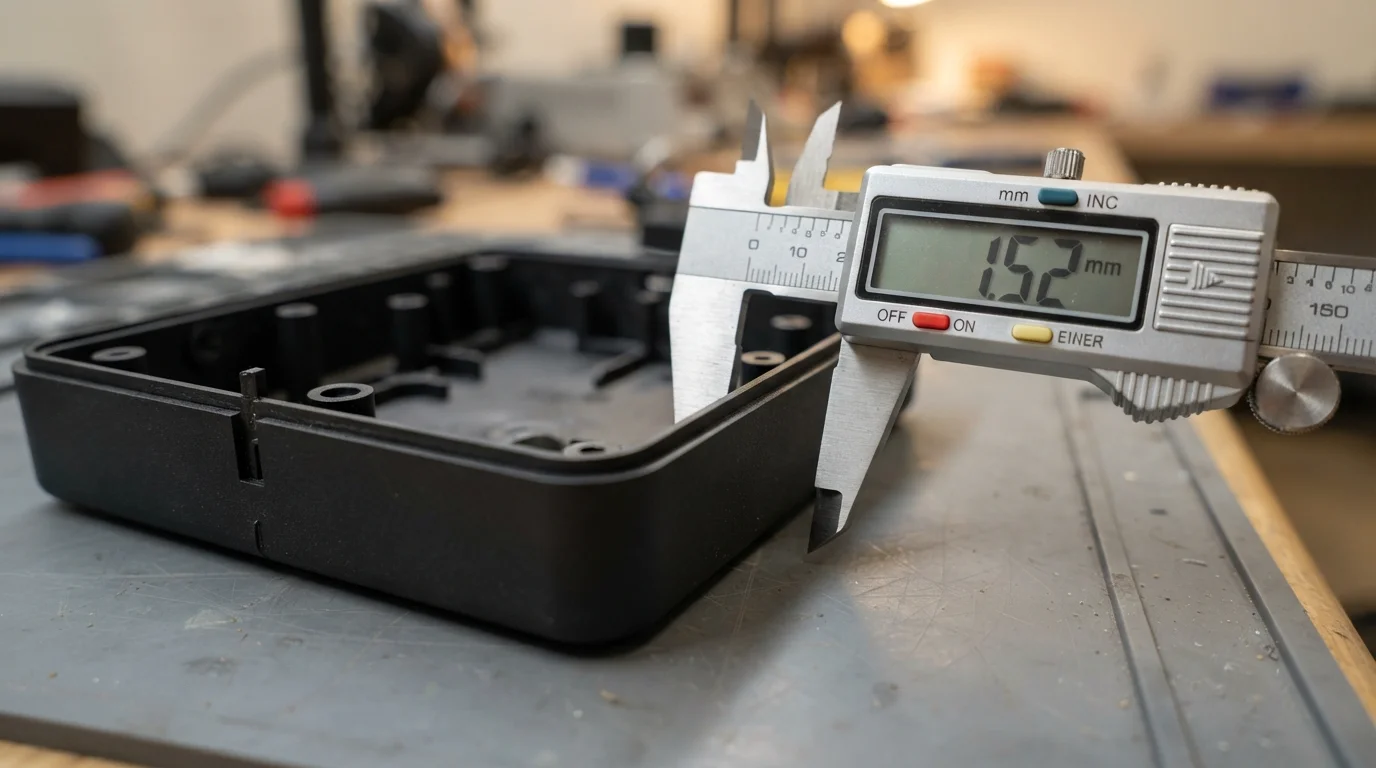
¿Cuál es el espesor de pared óptimo para carcasas de plástico estructural?
Las carcasas de plástico moldeadas o fresadas generalmente funcionan mejor con un espesor de pared de 1.5 mm a 3.0 mm. Dimensionar las paredes dentro de este rango equilibra la resistencia al impacto mecánico con las características generales de flujo de polímero y las velocidades de enfriamiento.
¿El pulido de superficies complejas aumenta drásticamente las facturas de prototipado?
El pulido manual, el pulido con vapor y la pintura multicapa requieren horas de mano de obra intensiva, lo que puede duplicar el costo total de su proyecto. Especificar acabados estándar granallados o en bruto para estructuras internas o modelos visuales tempranos reduce su costo total costo de prototipado rápido. Product designers coordinate with manufacturing specialists to apply decorative Acabados superficiales solo en las caras externas visibles para mantener bajos los gastos de desarrollo.
Why is polypropylene preferred over polycarbonate for living hinges?
Polypropylene exhibits an elastic modulus of approximately 1.4 GPa, offering excellent flexibility and outstanding living-hinge fatigue life. Standard polycarbonate, by comparison, provides a much higher modulus of 2.4 GPa, delivering outstanding impact resistance and dimensional stability under load.

