


Desmitificar la terminología del moldeo de series cortas requiere aclarar conceptos erróneos comunes sobre la dureza del metal del molde y la construcción física de la cavidad. La obtención de insertos metálicos sin endurecer permite a los equipos de producto fabricar miles de piezas de plástico funcionales sin comprometerse con utillajes de acero endurecido de múltiples cavidades. La obtención de modelos físicos a escala de un Servicio de prototipos versátil valida el ajuste físico, pero la producción de series cortas exige una estrategia de molde adaptable y rentable. El corte preciso de geometrías CAD tridimensionales complejas garantiza que las piezas de las primeras etapas se desprendan limpiamente de las cavidades del núcleo sin rayarse ni deformarse.
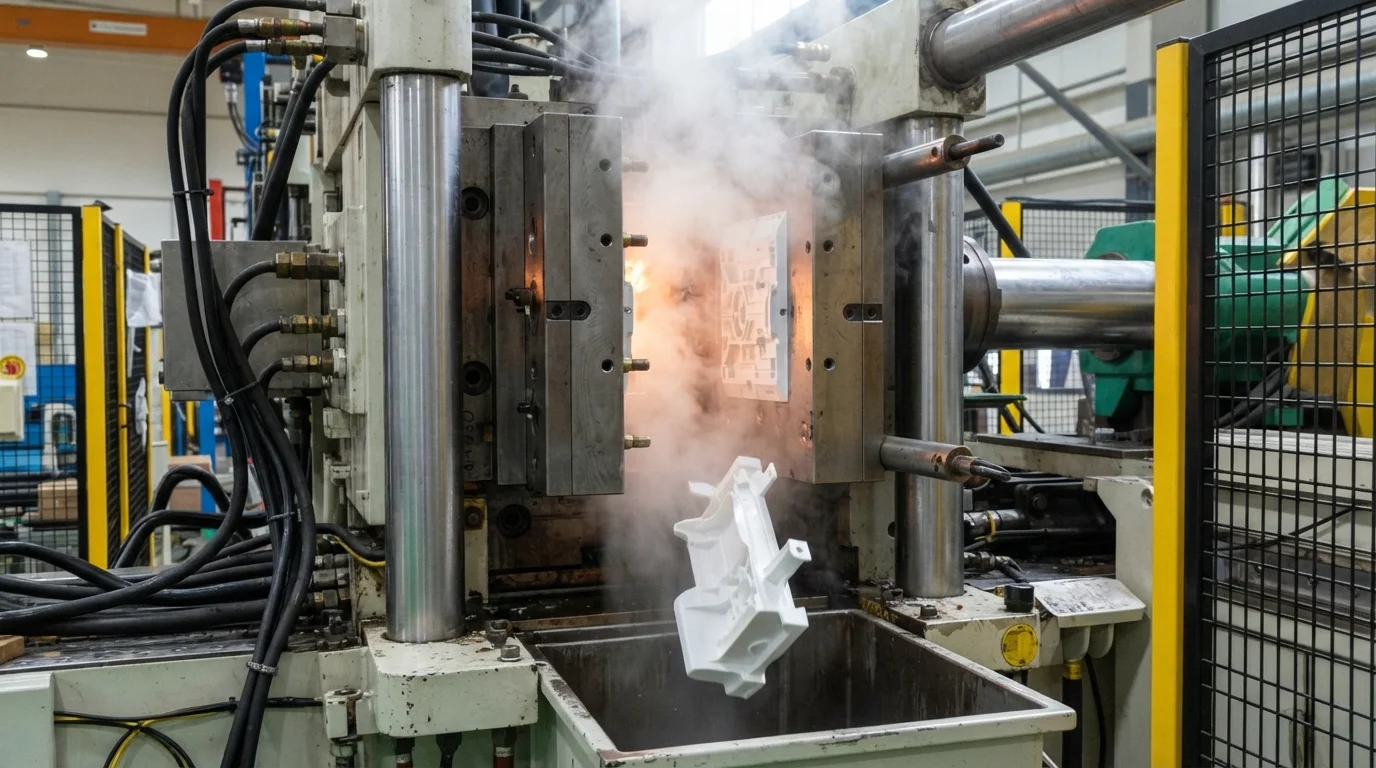
Comprender las diferencias de material en matices del moldeo por inyección con herramientas blandas vs herramientas duras permite a los grupos de mecatrónica igualar los volúmenes de piezas objetivo con metales de molde apropiados de manera limpia. Los especialistas en fabricación evalúan las tasas de cizallamiento del polímero, el contenido de fibra de vidrio y las fuerzas de sujeción utilizando software avanzado de simulación de flujo de molde. La obtención de sus componentes de un socio experimentado garantiza que los cambios de diseño se propaguen en todas las etapas de manera segura. Exploremos la física de los metales blandos, los tratamientos térmicos del acero duro y las ventajas de velocidad de avance del mecanizado.
Tabla de Contenidos
1. Desmitificando el utillaje blando: metalurgia AL7075 y P20 pre-endurecido
2. Acero para herramientas H13 endurecido y resistencia a un millón de ciclos
3. Ventaja de mecanizado: fresado CNC de metales blandos tres veces más rápido
Desmitificando el utillaje blando: metalurgia AL7075 y P20 pre-endurecido
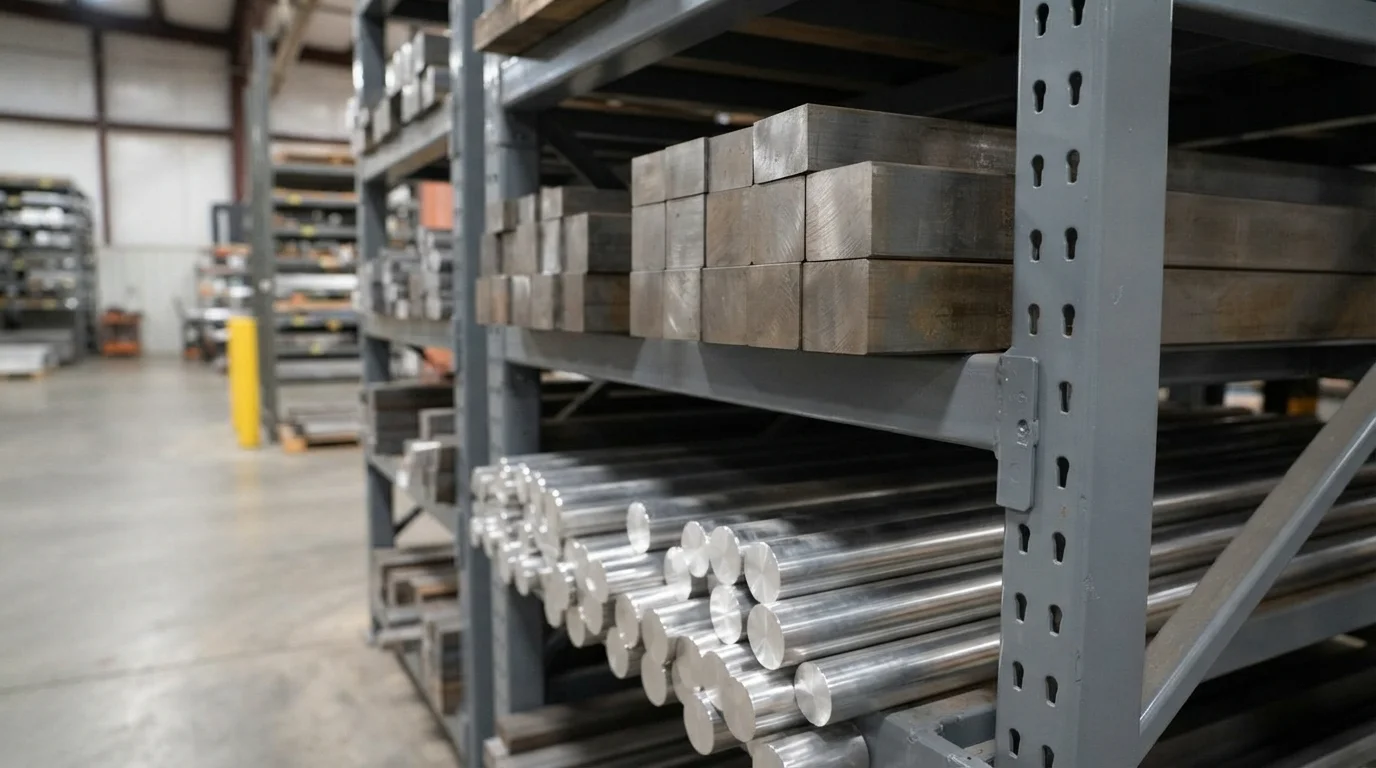
Pregunta: ¿El utillaje blando en el moldeo por inyección está hecho de silicona o caucho? En la terminología del moldeo por inyección, el utillaje blando se refiere a moldes metálicos sin endurecer hechos de aluminio AL7075 o acero P20 pre-endurecido, no de silicona.
La selección de aleaciones de metal blando para bloques de núcleo proporciona un equilibrio excepcional entre bajo CapEx inicial y programas de entrega rápida de máquinas. La obtención de utillaje blando no significa usar silicona flexible, que está reservada exclusivamente para procesos de Moldeo al vacío baja presión. Las herramientas de inyección blandas utilizan placas de Aluminio (AL7075-T6) o pre-endurecido P20 Acero para Herramientas aviación de alta resistencia para soportar fuerzas de sujeción reales de máquina de hasta 500 toneladas. Estas cavidades de metal blando proporcionan de 5,000 a 50,000 extracciones de piezas limpias cuando se procesan termoplásticos no abrasivos.
La evaluación de los parámetros de moldeo por inyección con utillaje blando frente a utillaje duro destaca cómo los metales pre-endurecidos evitan por completo los ciclos de tratamiento térmico al vacío post-mecanizado. Las opciones de metal primario utilizadas en la construcción de moldes blandos incluyen:
- Placa de aviación de aluminio AL7075-T6—Proporciona hasta 160 W/m·K de conductividad térmica y mecaniza 5 veces más rápido que el acero para herramientas
- Acero suave pre-endurecido P20—Proporciona una dureza base de 30 HRC sin requerir tratamiento térmico secundario al vacío
- Acero para moldes pre-endurecido NAK80—Proporciona una dureza base de 40 HRC para cavidades de lentes ópticas de alto pulido
Acero para herramientas H13 endurecido y resistencia de un millón de ciclos
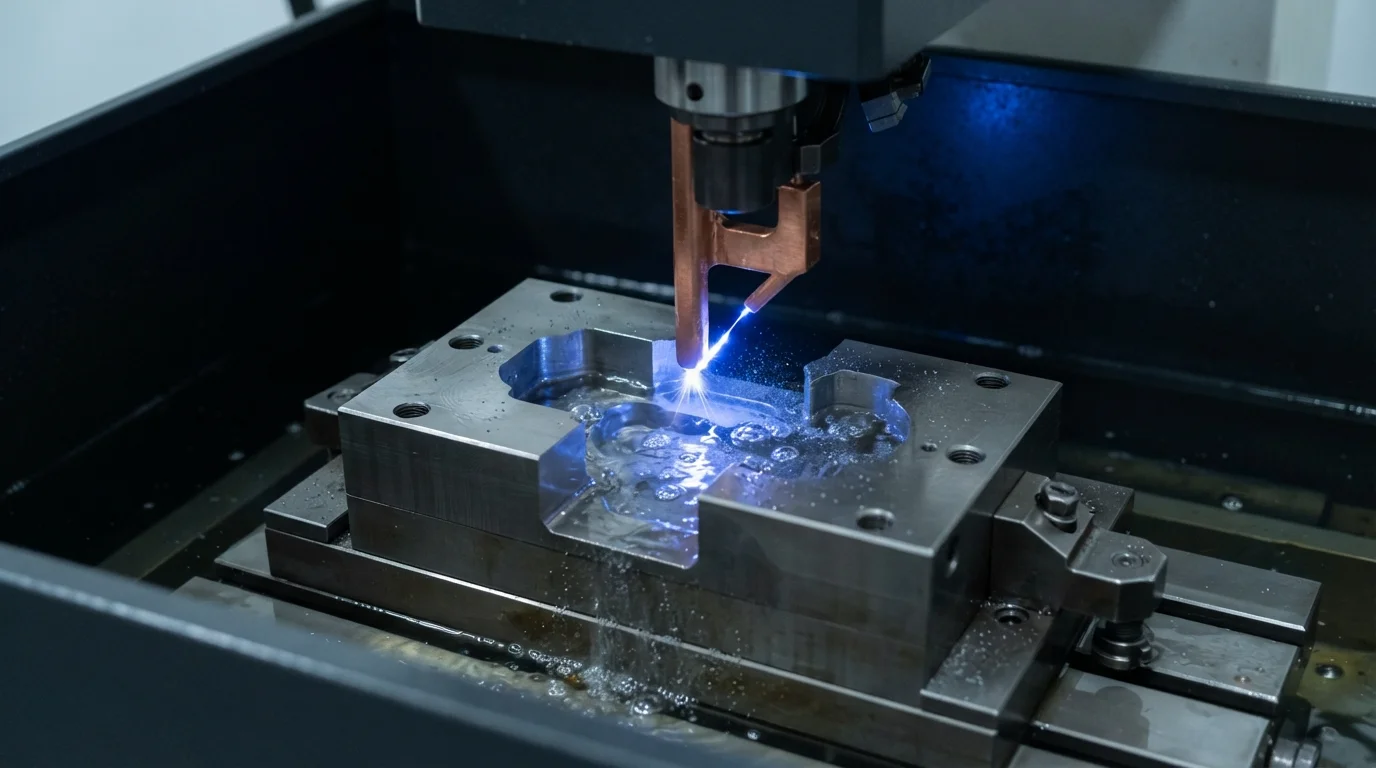
Pregunta: ¿Cuándo se requiere acero duro para herramientas en moldeo por inyección? El acero H13 endurecido es obligatorio para producción en masa de múltiples cavidades de más de 100,000 disparos o cuando se moldean resinas altamente abrasivas con relleno de vidrio.
Invertir en moldes de acero endurecido H13 o S7 requiere un gasto de capital inicial sustancial, pero ofrece una resistencia al desgaste incomparable en producciones de un millón de ciclos. Obtener un Servicio de utillaje rápido usar insertos de metal blando representa una inversión inicial mucho más sabia cuando los diseños siguen sujetos a la retroalimentación del mercado. Los núcleos de acero endurecido requieren un premecanizado lento, tratamiento térmico al vacío y rectificado final para alcanzar niveles de dureza de 50 a 54 HRC. Sopesar utillaje rápido vs utillaje de producción compensaciones asegura que las startups de hardware no inmovilicen capital prematuramente.
Evaluar las propiedades de la materia prima ayuda a los ingenieros a seleccionar la aleación adecuada para los bloques de núcleo, asegurando que las dimensiones permanezcan estables a lo largo de miles de ciclos. Esta tabla comparativa técnica describe las diferencias físicas clave entre el utillaje de molde blando y duro:
| Categoría de utillaje | Dureza del metal del núcleo | Conductividad Térmica | Vida útil estimada de la herramienta |
|---|---|---|---|
| Utillaje blando (AL7075 / P20) | 150 HB a 30 HRC | 30 a 160 W/m·K | 5,000 a 50,000 disparos |
| Herramientas Duras (Acero H13) | 50 a 54 HRC (Tratado térmicamente) | 24 W/m·K | 1,000,000+ disparos |
Ventaja de Mecanizado: Fresado CNC de Metales Blandos Tres Veces Más Rápido
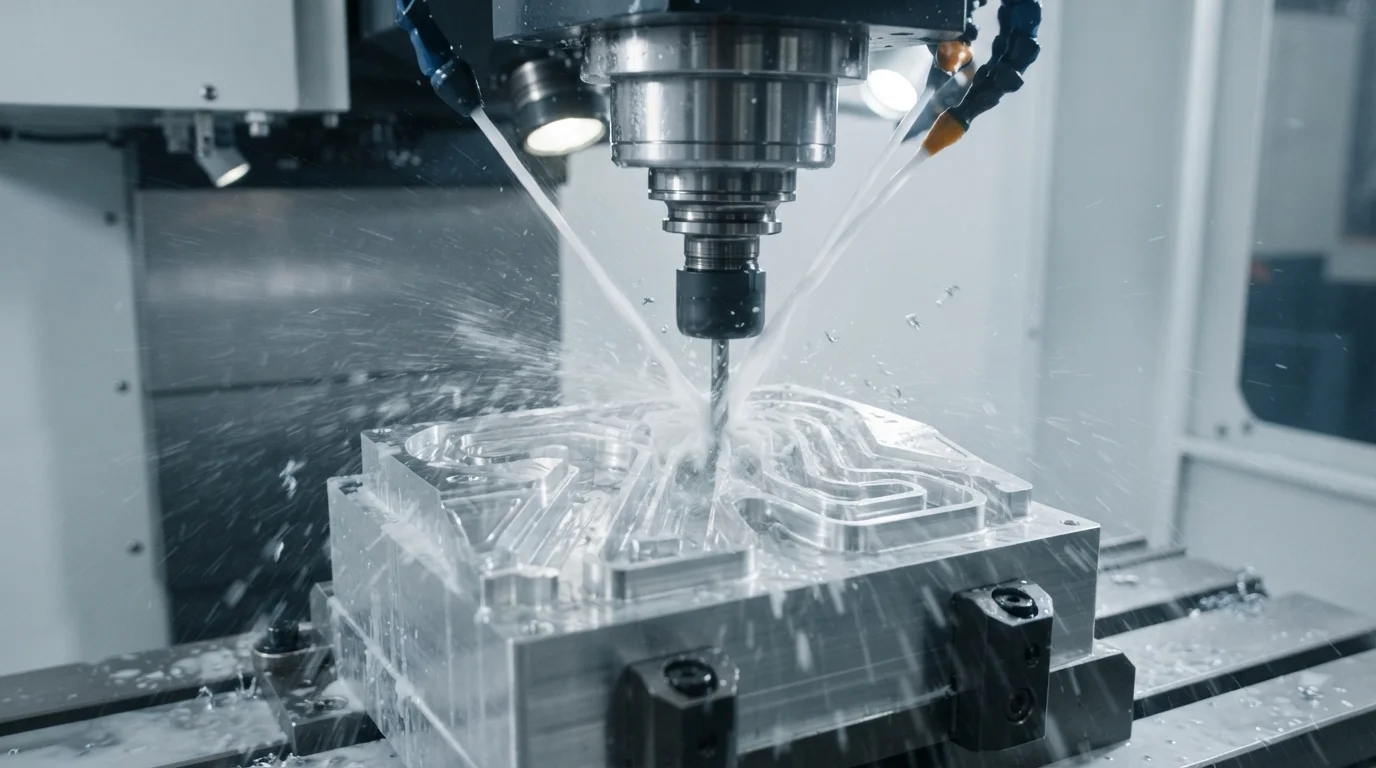
Pregunta: ¿Cuánto más rápido se fabrican las herramientas blandas en comparación con los moldes de acero duro? Los núcleos de aluminio blando y acero pre-endurecido se fresan con CNC hasta tres a cinco veces más rápido, reduciendo los tiempos de entrega a 2-3 semanas.
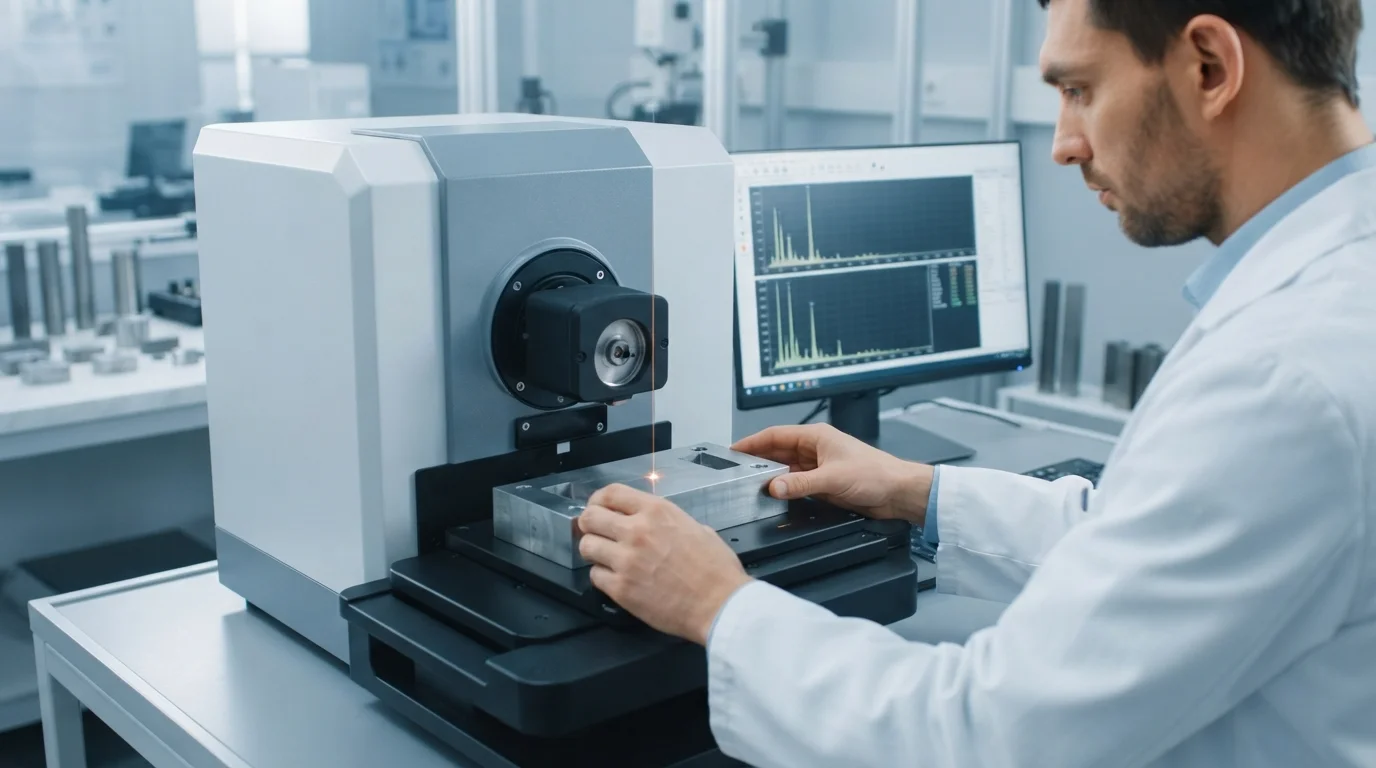
Sustractivo Servicio de mecanizado CNC las operaciones sobre aluminio o acero P20 proceden a altas velocidades de avance sin riesgo de desgaste severo de la herramienta de corte. La obtención de piezas funcionales moldeadas a partir de plásticos de ingeniería sólidos como ABS, Nailon (PA), o Policarbonato (PC) proporciona un comportamiento auténtico del material bajo carga dinámica. Comprender las ventajas del moldeo por inyección con herramientas blandas frente a herramientas duras permite a los desarrolladores de productos entregar muestras T1 a las partes interesadas semanas antes que los competidores.
Jucheng Precision apoya a los equipos de hardware entregando cotizaciones completamente transparentes y detalladas que eliminan cargos sorpresa. Los ingenieros de fábrica realizan revisiones exhaustivas DFM gratuito las 24 horas para identificar oportunidades de ahorro de costos desde el principio, ayudándole a optimizar líneas de separación, tamaños de compuerta y uniformidad de pared. La obtención de sus programas de producción de corta tirada Servicio de moldeo por inyección desde nuestras instalaciones de fabricación bajo un mismo techo garantiza que los cambios de diseño y los controles de calidad se gestionen sin problemas bajo un mismo techo:
- Revisiones DFM gratuitas de 24 horas—Los ingenieros de fábrica evalúan líneas de partición, tamaños de compuerta y líneas de agua de enfriamiento antes de cortar el núcleo de metal
- Cotizaciones llave en mano transparentes—Los presupuestos detallados incluyen todos los costos secundarios de recorte de compuerta, pintura de superficie y empaque por adelantado
- Mecanizado interno de taller de herramientas—Los fabricantes de herramientas de fábrica mecanizan insertos de aluminio blando o acero bajo un mismo techo
Preguntas Frecuentes (FAQ)
¿Es adecuada la herramienta blanda para la producción de corta tirada?
La evaluación de los parámetros de moldeo por inyección entre utillaje blando y utillaje duro demuestra que los moldes blandos son excelentes para 1.000 a 50.000 piezas. Las cavidades de metal blando producen piezas de plástico de calidad industrial rápidamente mientras mantienen un CapEx inicial bajo.
¿Pueden los moldes de aluminio blando inyectar resinas con carga de vidrio?
Las fibras de vidrio abrasivas erosionan rápidamente las compuertas de aluminio blando, acortando la vida del molde a menos de 1.000 disparos sin insertos de acero. La instalación de insertos de compuerta de acero endurecido P20 o H13 en placas de molde de aluminio resuelve económicamente los problemas de erosión.
¿Cuánto más barato es el utillaje blando que el utillaje de acero duro?
Los costos iniciales de fabricación de utillaje blando son de un 40% a un 70% menores que los moldes de producción de acero endurecido H13. Las velocidades más rápidas de fresado CNC y la eliminación del tratamiento térmico al vacío reducen las tarifas de mano de obra del taller de utillaje.

