


How Surface Finish Affects Mold Release in Rapid Tooling
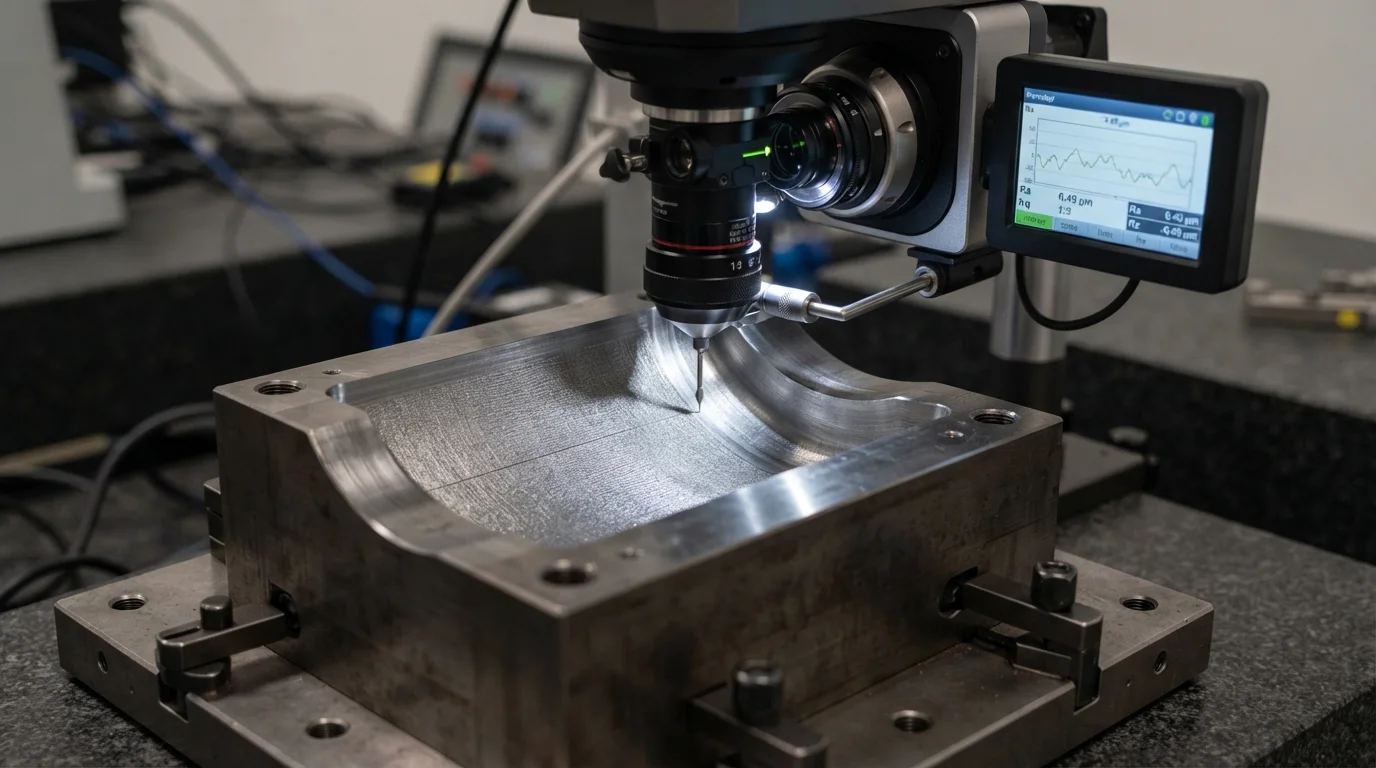
Extracting a newly injected polymer component out of a rapid metal cavity smoothly depends heavily on the microscopic topography of the tool walls. When product design teams evaluate how surface finish affects mold release in rapid tooling, balancing high-gloss aesthetics against mechanical ejection friction is vital. Without proper polish alignment, cooling plastic can lock onto rough or under-drafted metal surfaces, resulting in vacuum suction, surface scuffing, or structural part distortion.
Utilizar un proveedor utillaje rápido provider ensures that cavity surface roughness and draft angles are optimized before moldes de inyección bridge runs begin. Let us explore the physics of ejection friction and how surface finishes dictate demolding success.
Module 1 – Definition and Working Principles of Ejection Friction
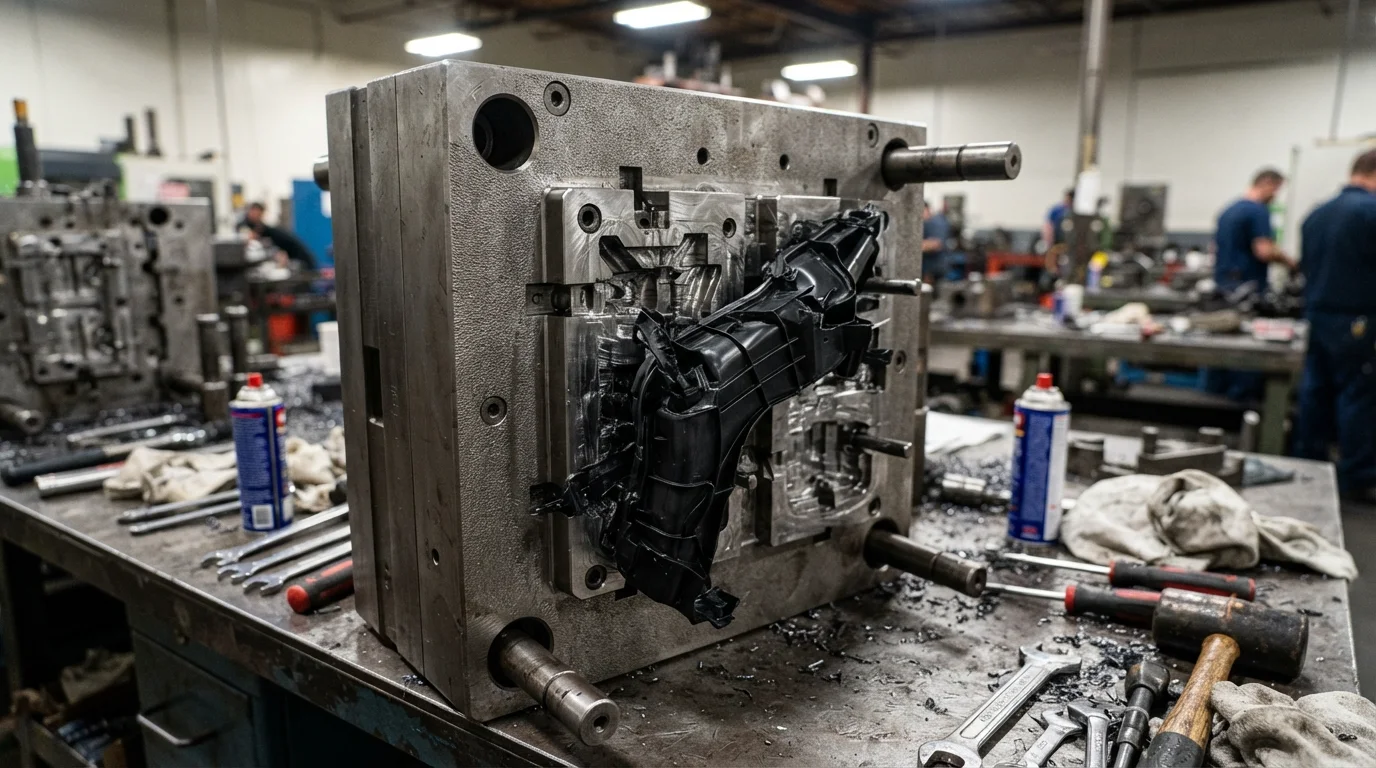
Mold release dynamics refer to the mechanical interaction between a solidifying polymer and the metal cavity walls as ejector pins push the part free. The working principle relies on minimizing micro-mechanical interlocking. Smoother mirror finishes reduce surface contact area and grip, whereas deep textures or rough tool marks increase stripping resistance. While primary shapes are cut via mecanizado CNC, toolroom polishing controls the final release profile for resins like ABS o polycarbonate (PC).
To execute structured mold release optimization workflows, toolmakers could follow these practical steps:
- Directional Polishing: Buff cavity walls strictly along the axis of part ejection to eliminate transverse micro-grooves that trap plastic.
- Draft Angle Calibration: Match vertical wall tapers directly with surface roughness depths to guarantee smooth sliding clearance.
- Ejector Pin Placement: Position steel knock-out pins around deep structural perimeters to distribute stripping force evenly.
Módulo 2 – Escenarios de aplicación principales
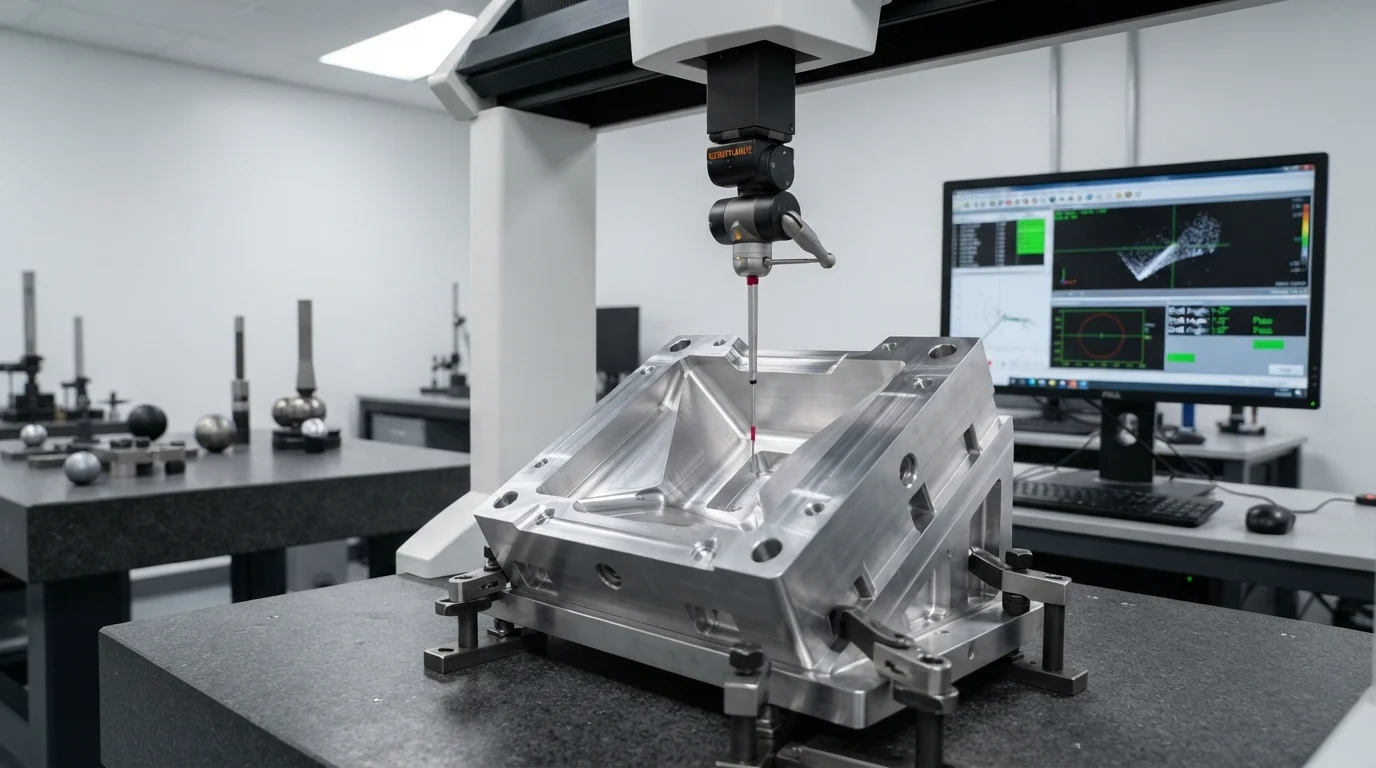
Optimizing release friction is essential across deep-draw enclosures, consumer electronics with complex snap-fits, and medical device housings where ejection sticking causes production downtime. When engineers troubleshoot part distortion, analyzing how surface finish affects mold release in rapid tooling uncovers root-cause drafting errors. Feedback from professional prototyping groups on Reddit and Facebook indicates that correct polish alignment prevents vacuum lock on deep walls.
Los sectores de aplicación principales incluyen:
- Deep-Draw Housings: Molding tall electronic shells with polished vertical walls to prevent vacuum suction during high-speed extraction.
- Textured Enclosures: Fabricating matte-finish consumer devices with augmented draft angles to counteract micro-interlocking.
- Automotive Bezels: Producing complex interior dash components that require flawless release without stress whitening.
Módulo 3 – Factores clave de selección para el éxito del proyecto
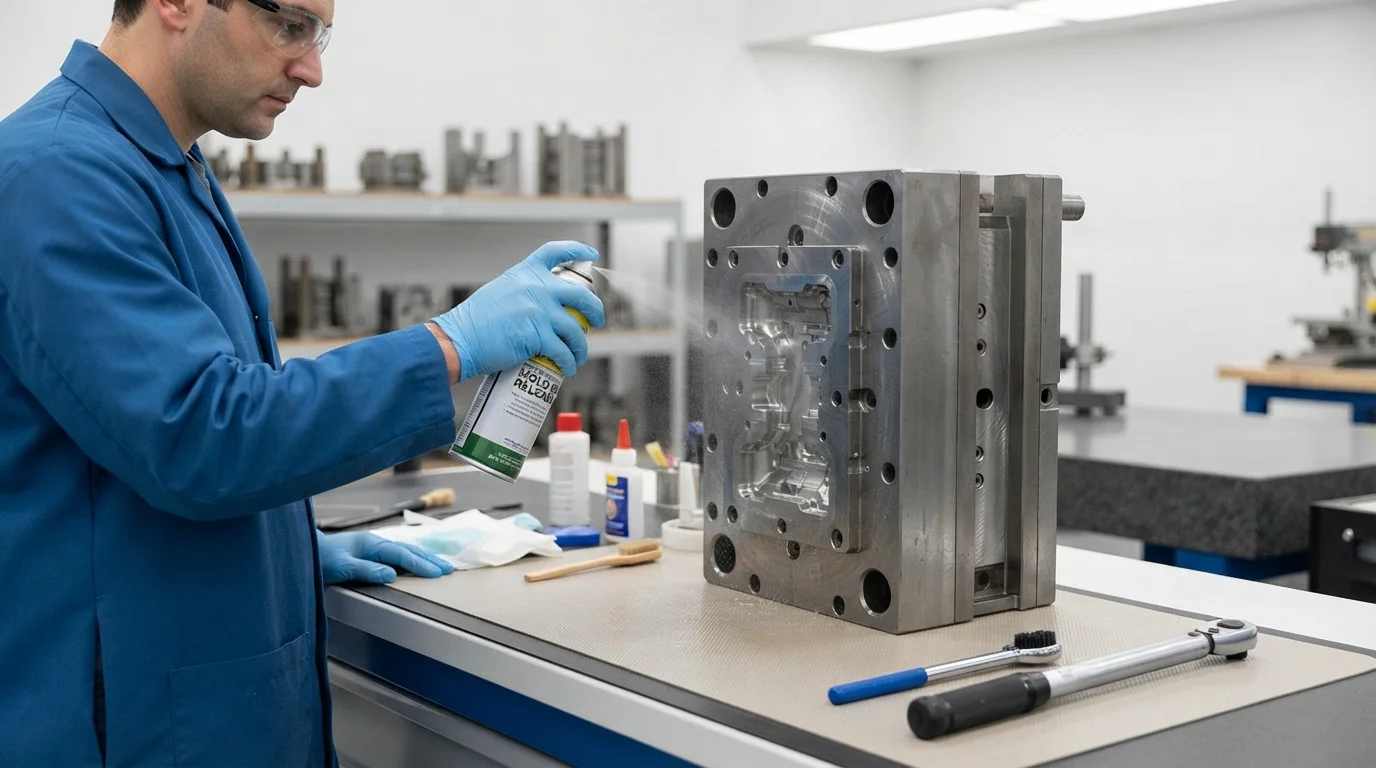
When specifying surface textures and polish grades for rapid bridge molds, engineering teams must weigh aesthetic goals against ejection force requirements. Evaluating these core parameters ensures smooth short-run production runs.
| Surface Finish Type | Ejection Friction Impact | Required Draft Angle Adjustment |
|---|---|---|
| SPI-A2 Mirror Polish | Lowest friction; releases smoothly | Standard minimum draft (0.5 to 1 degree) |
| SPI-B3 Semi-Gloss | Moderate friction resistance | Slight taper increase for safety |
| Deep VDI 33 Textures | High mechanical interlocking friction | Extra 1 degree draft per 0.025 mm depth |
Módulo 4 – Consejos de instalación y mantenimiento
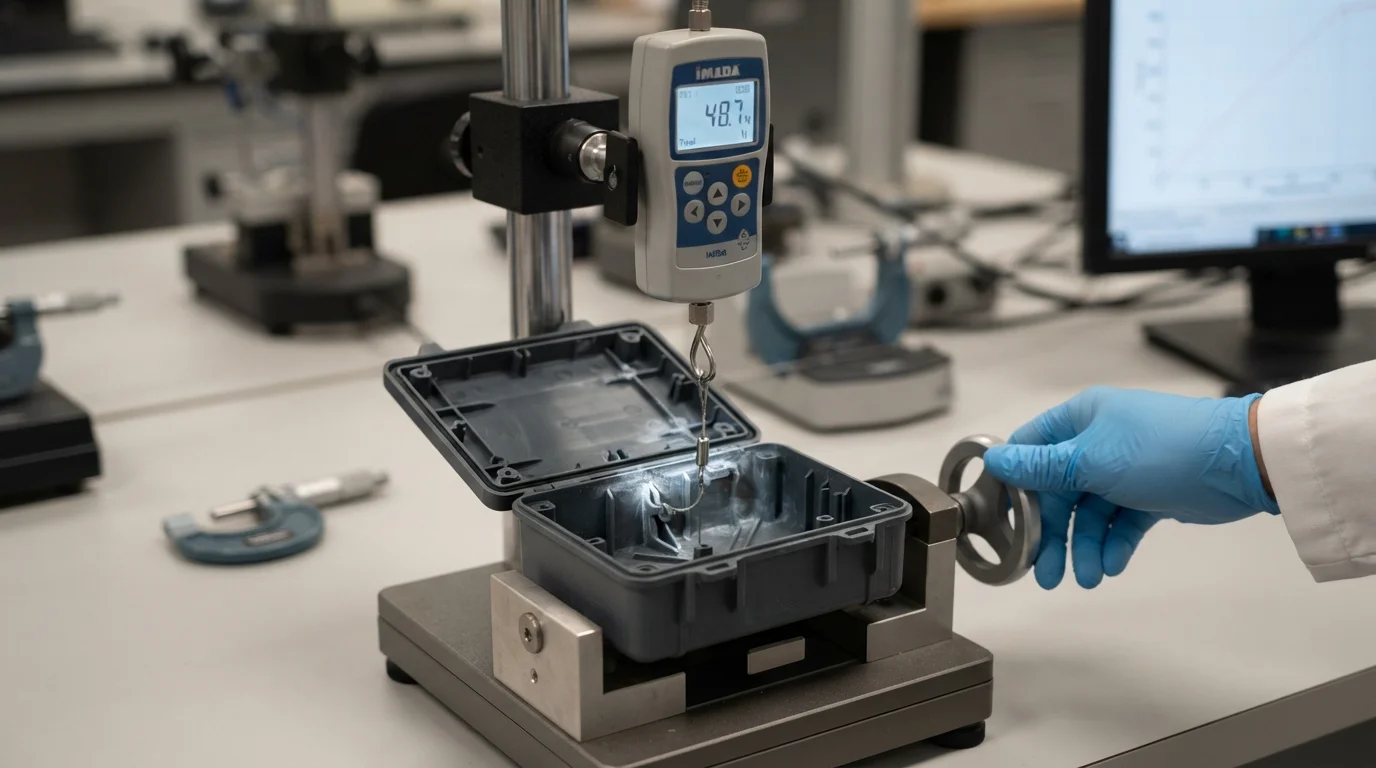
Proper toolroom installation and routine release maintenance safeguard mold cavity walls across active production cycles. Protecting polished surfaces from adhesive wear ensures consistent part ejection.
Los consejos clave de instalación y mantenimiento incluyen:
- Release Agent Application: Apply thin, approved anti-stick mold sprays carefully to assist initial pilot part stripping.
- Ejector Synchronization: Verify balanced pin movement across the mold base to prevent asymmetric part binding.
- Parting Line Inspection: Check shut-off faces regularly for micro-burrs that can trap polymer flash during closing.
Módulo 5 – Preguntas frecuentes (FAQ)
1. How does mold surface finish influence plastic part ejection force?
Smoother mirror polishes reduce microscopic surface friction and vacuum lock, allowing molded parts to release with significantly lower mechanical stripping force.
2. Why do deep textures require increased draft angles in rapid tooling?
Textured micro-craters create mechanical interlocking with cooling plastic, demanding extra wall taper to prevent surface scratching during mold opening.
3. Can poor surface polishing cause parts to stick inside aluminum molds?
Yes, transverse polishing marks or rough tool paths act like tiny anchors, gripping cooling polymer and causing parts to stick during ejection.
4. What role do ejector pins play in overcoming mold release resistance?
Ejector pins thrust forward mechanically to push solidified parts off core features, overcoming the friction between the plastic and cavity walls.
5. How can vacuum lock be prevented on deep-drawrapid molded enclosures?
Vacuum lock is prevented by combining highly polished vertical walls, adequate draft angles, and strategic air valve placement within the tool.
6. How does Jucheng Precision optimize tool design for smooth mold release?
Jucheng Precision provides 24-hour free DFM reviews, expert draft evaluations, and precision polishing to guarantee seamless part ejection.
Módulo 6 – Por qué elegir JUCHENG para su proyecto
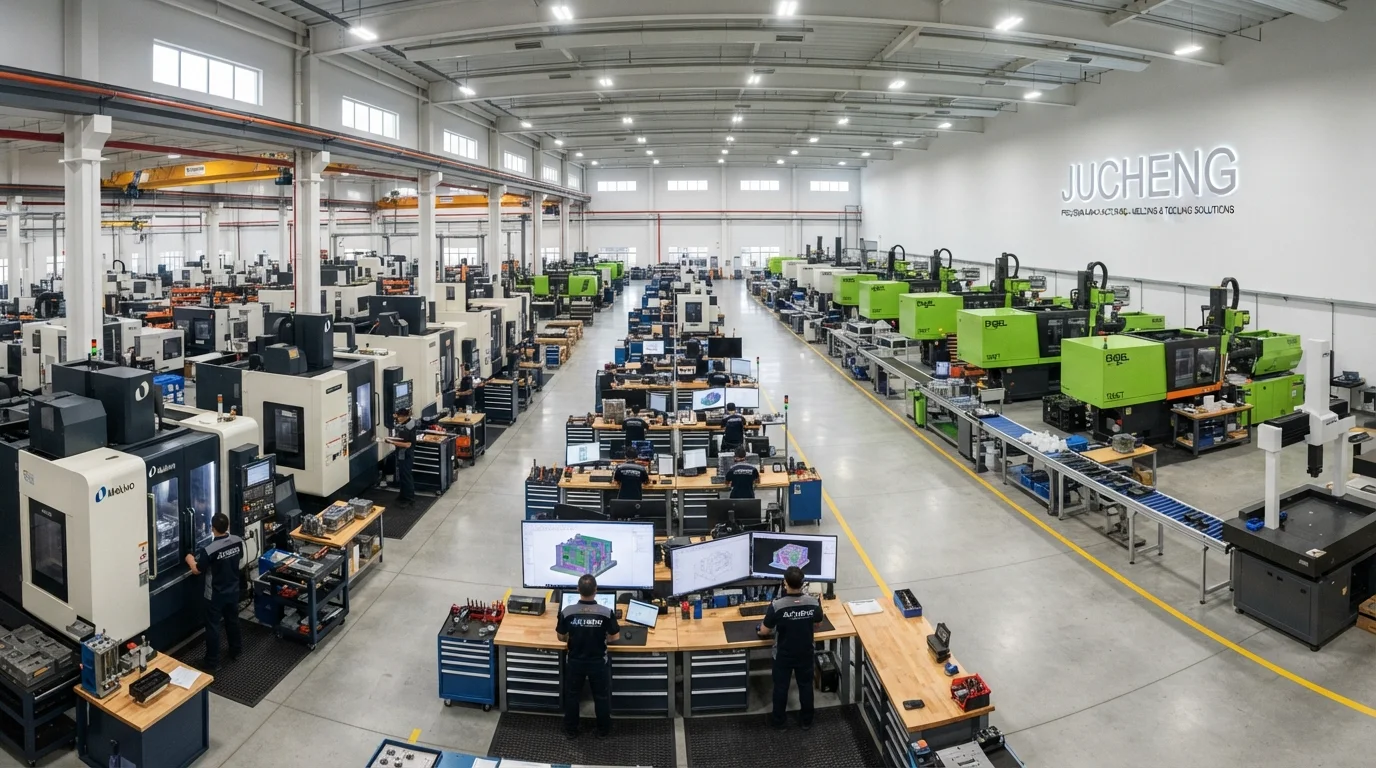
Achieving seamless component ejection requires an experienced manufacturing partner. JUCHENG apoya a los innovadores de hardware entregando revisiones integrales DFM gratuito las 24 horas reviews that analyze draft angles, polish grades, and gate locations prior to tool cutting. Founded in Shenzhen in 2012 with an 8,000-square-meter facility in Dongguan, our factory houses 150+ advanced machines, including 25+ high-performance 5-axis Haas and Mazak milling centers.
Backed by ISO 9001, ISO 14001, ISO 13485, and IATF 16949 certifications, our engineering teams ensure that understanding how surface finish affects mold release in rapid tooling translates into flawless pilot production runs.
Ready to Optimize Mold Release and Surface Finishes for Your Project?
Suba sus modelos 3D hoy mismo para recibir comentarios instantáneos, precios competitivos y análisis DFM profesional de nuestros experimentados expertos en ingeniería. ¡Permita que JUCHENG dé vida a sus diseños complejos con velocidad y fiabilidad inigualables!
Obtenga su cotización instantánea gratuita y comentarios DFM

