Medical device document control is the discipline of making the approved requirement available where work happens, preventing obsolete instructions from being used, and preserving evidence of which version governed a build. A component can be beautifully made and still be wrong if a CNC program, mold setup sheet or inspection plan follows a superseded drawing. For a device owner, the revision chain is part of the product, not office housekeeping.
This article follows a manufactured component from released design to shipment. It does not prescribe one software platform or claim that every document has the same retention rule. The responsible organization should define its applicable quality-system and regulatory requirements; the supplier should control the documents and records within its agreed scope.
A Drawing Change Travels Through More Than One File

Imagine a small metal enclosure whose connector opening moves to improve cable clearance. Engineering releases drawing revision C. Procurement attaches revision C to the next order, but the shop’s CNC program and inspection fixture remain at revision B. The part may pass the old inspection report while failing assembly. The document-control failure lies in the broken relationship among files, not in an operator’s reading ability.
List the documents affected by the change: 2D drawing, 3D model, bill of materials, process plan, tool path, fixture drawing, work instruction, inspection plan, packaging instruction and purchasing specification as relevant. Not every change touches every document. The owner of the change should identify which ones do and verify they were updated before the new configuration is released.
The broader medical device manufacturing standards page explains why controlled information matters in a quality system. This guide stays at the manufacturing interface: how to ensure the machinist, molder, inspector and buyer are acting on the same approved version.
Identify One Authoritative Source at Every Handoff

An email attachment, shared-drive copy and printed drawing may all carry the same filename but different contents. Define where an approved file lives, who may change it, how approval is recorded and how users know it is current. A file’s modified date alone is not a reliable revision designation.
At order entry, compare the customer-provided revision with the supplier’s controlled package. Before production, verify that the operation and inspection instructions point to that revision. Before shipment, confirm that the release record names the revision actually built. A mismatch should pause work for clarification rather than be resolved by choosing whichever file is easiest to open.
Para mecanizado CNC, the program identifier must be linked to the correct drawing and setup. A program can produce repeatable parts at the wrong geometry. For injection molding, the mold revision, insert configuration and process instruction may all matter. The control method should suit the route, not rely on a universal filename convention.
| Handoff | Controlled item | Failure to prevent | Useful evidence |
|---|---|---|---|
| Design to purchasing | Released drawing and material specification | Order references old requirements | Approval and revision history |
| Purchasing to production | Order, traveler and process plan | Shop uses another revision | Work-order configuration |
| Production to inspection | Method, fixture and sampling plan | Old feature is measured | Inspection-plan approval |
| Inspection to release | Disposition and shipment records | Mixed revisions shipped together | Lot or serial identification |
Distinguish Documents From Records

A document tells a team what to do: drawing, work instruction or acceptance plan. A record shows what happened: material receipt, setup check, measurement result or release decision. If a document changes, historical records should remain interpretable against the version that was effective when the work occurred. Editing an old record to match a new drawing would destroy that evidence.
Record enough context to reconstruct a decision. A measurement value without the part, feature, datum method, unit, drawing revision or date may be hard to interpret later. This does not mean every job needs the same paperwork. It means the records required by the buyer and applicable system must be legible and connected to the component.
El FDA’s QMSR overview describes the current U.S. framework, effective February 2, 2026. A qualified team should determine the exact record and document obligations for the finished device and outsourced work. Do not rely on an old checklist that quotes superseded U.S. provisions without checking its current context.
Retire the Old Version Without Erasing History

Superseded instructions should no longer be available for routine use at the point of work. That may involve withdrawing printed copies, changing access to a digital file, or updating a machine program library. Yet historical versions and the records produced under them may need to remain retrievable. “Delete the old file” and “let every old file remain active” are both poor blanket rules.
Use a change record that states what was revised, why, who approved it and when it became effective. If work in progress exists, decide whether it can finish under the earlier revision, must be reworked or must be held for review. The boundary can be a lot, serial number, work order or date, but it must be unambiguous to the people releasing parts.
A document-control exercise should test a real question: “Which drawing and inspection plan governed shipment 184?” If the answer requires searching personal email accounts, the system is not easily reconstructable. If the team can retrieve the approved versions and linked release data promptly, the control is much more credible.
How to Handle a Late Drawing Correction

Suppose the OEM finds that a hole tolerance on the released drawing was written incorrectly after ten prototypes have been built. First identify which physical parts and records used that revision. Then assess whether the corrected requirement changes acceptance, testing or assembly. Do not silently overwrite the old drawing and relabel the ten parts as compliant.
Engineering may issue a new revision, a controlled clarification or another authorized disposition depending on the QMS. Procurement and supplier teams need the same effective point. If the correction affects inspection, the method and report template may need updating as well. Document control provides the map for that assessment; it does not itself decide product suitability.
The existing medical device design transfer article addresses the larger transition from design to repeatable production. Controlled documents make that transition executable: a released design has little value if manufacturing and inspection cannot identify its approved form.
Ask for the Version Map Before Quoting
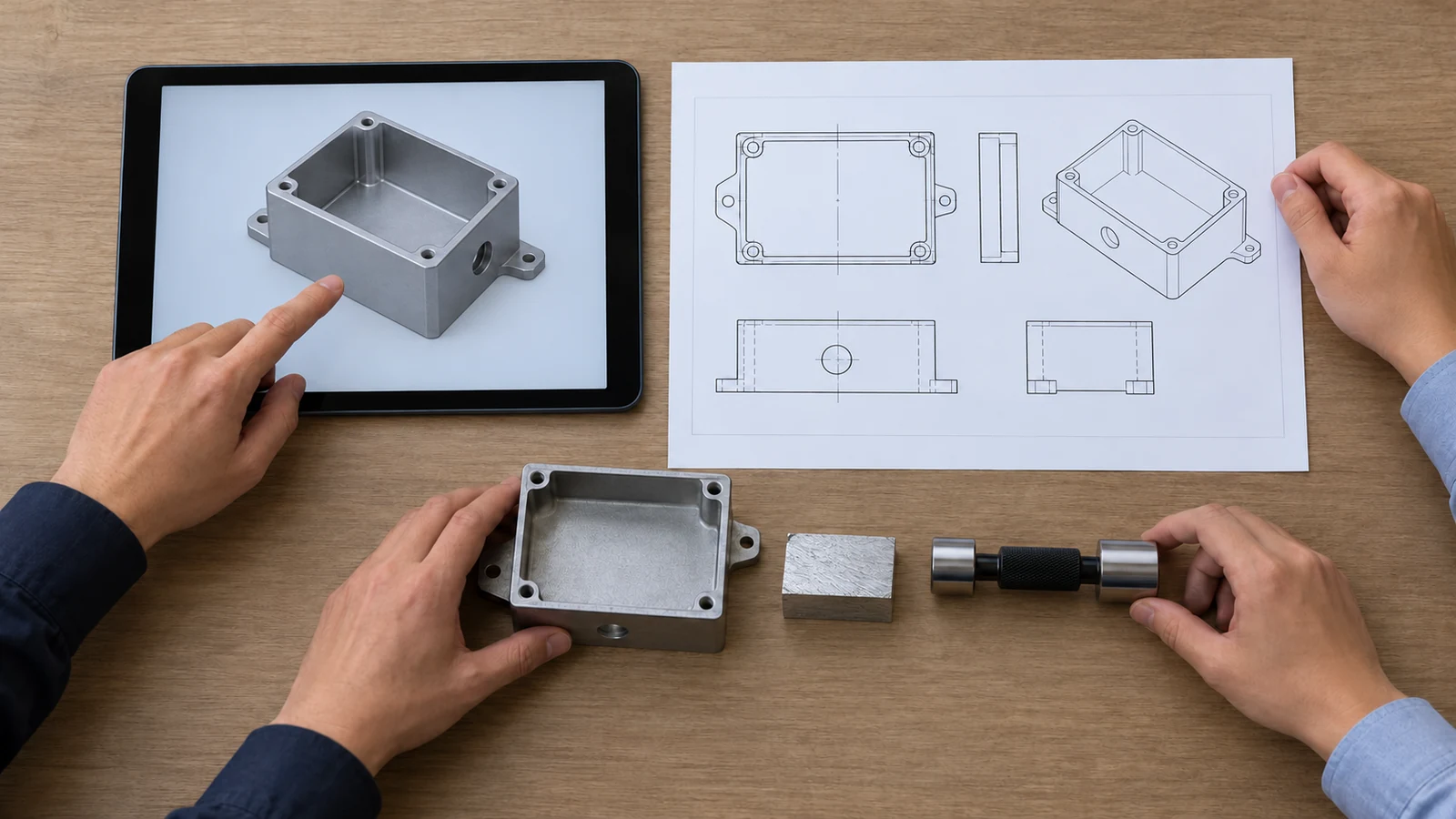
When requesting a Jucheng quote for a component, supply the authoritative drawings and model, exact material and finish, expected quantity, critical features and revision status. Ask how the route will identify the program or tool version, what record accompanies the shipment and how a later change would be communicated. The answer should be tailored to the project, not a claim that a single software tool solves every risk.
Medical device document control succeeds when a person at each handoff can answer three questions: What version should I use? How do I know it is approved? Which version made this part? A fourth question follows when requirements change: who decides what happens to work already in progress?
Is a shared folder enough for document control?
It may be part of a system, but only if approval, access, revision identification and obsolete-version handling are defined and followed. A shared folder by itself does not establish which file governs production.
Does document control mean keeping every draft forever?
Not necessarily. Retention depends on applicable requirements and the organization’s procedures. The essential distinction is between uncontrolled working drafts, approved versions and records needed to reconstruct actual product decisions.