


Designing high-performance functional parts for aerospace engine manifolds, orthopaedic implants, or downhole oil drilling tools requires polymers with extreme thermal and chemical limits. Specifying peek rapid prototyping provides your engineering teams with an exceptionally rigid, chemical-resistant thermoplastic component that easily survives the harsh sterilization and mechanical stress of industrial applications. This high-barrier polymer-forming workflow serves as our premier, medical-grade servicio de prototipado rápido, utilizing advanced subtractive and additive methods to deliver certified, works-like prototypes in days.
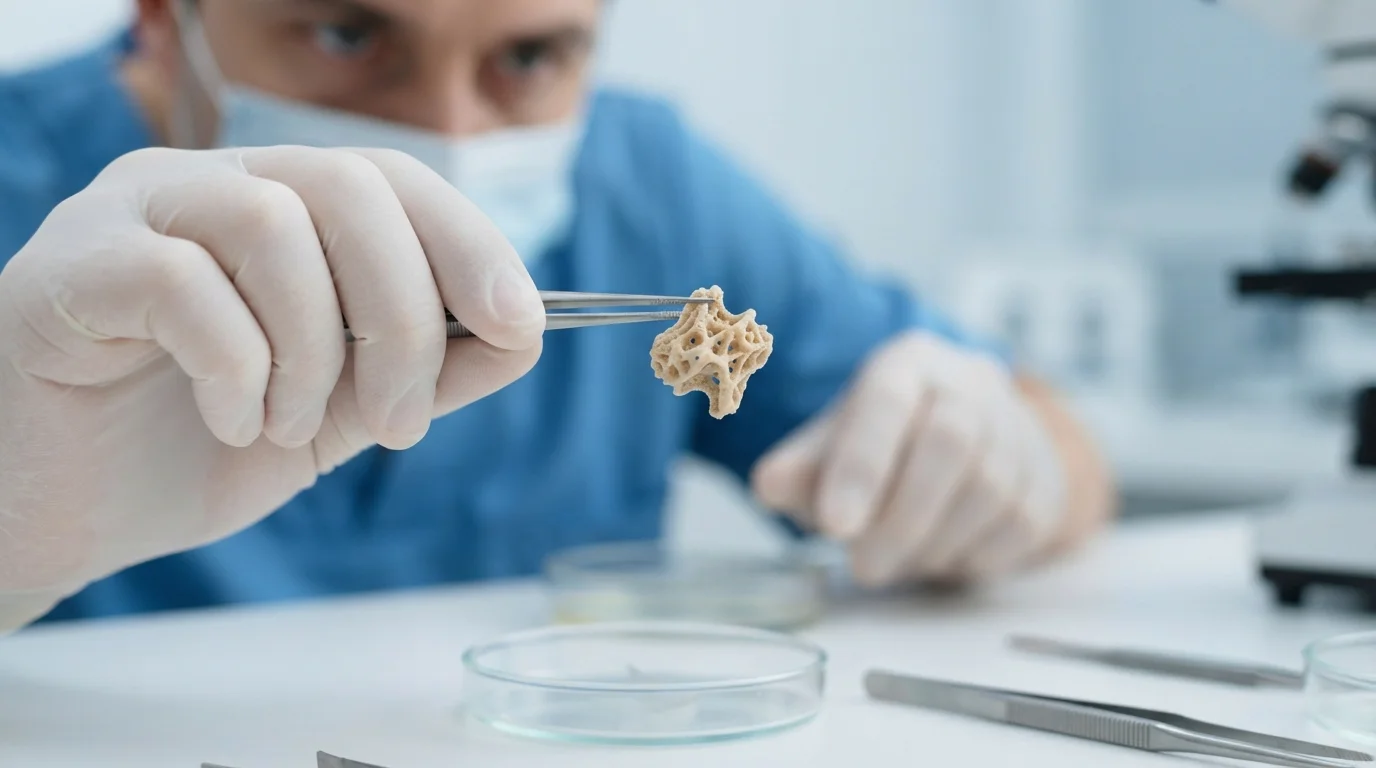
Suffer from custom plastic components that deform under high operating temperatures, crack when exposed to organic solvents, or melt during standard autoclave cycles? Traditional engineering plastics like nylon or polycarbonate are highly vulnerable to thermal degradation, while common 3D printing resins lack the raw physical strength to simulate metal properties. Transitioning to custom-machined polyetheretherketone components completely eliminates these performance limits, ensuring absolute structural safety.
Let’s explore why polyetheretherketone is the undisputed king of high-performance polymers, analyze why its high material cost demands expert CNC machinists, and review the essential annealing heat treatments needed to secure dimensional stability.
Why PEEK is the King of Engineering Plastics
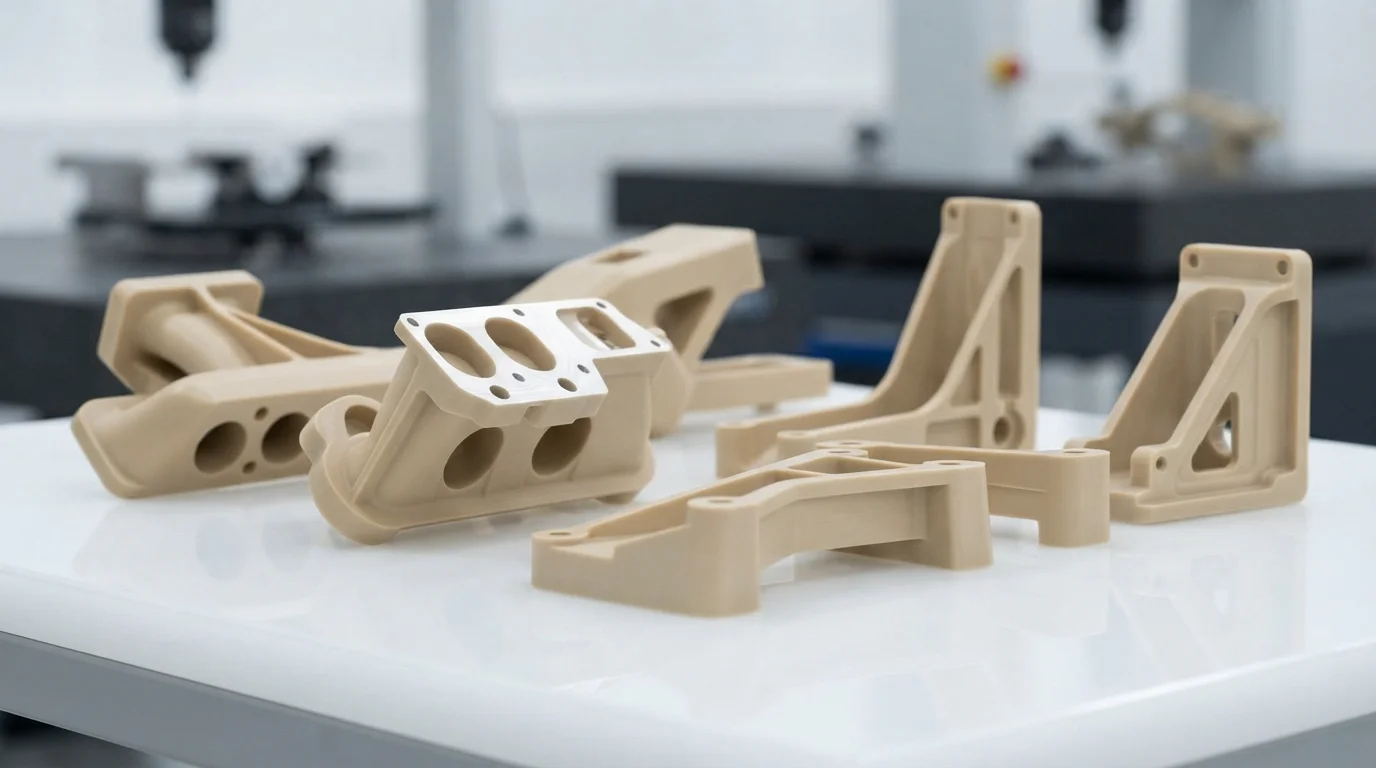
What makes polyetheretherketone the elite polymer choice for high-temperature applications?
PEEK is a semi-crystalline thermoplastic offering continuous service temperatures up to 250 degrees Celsius, outstanding resistance to chemical solvents, and high mechanical strength matching some metals.
In industrial and clinical engineering, managing material limits under high temperatures is critical. PEEK (polyetheretherketone) is a semicrystalline super-plastic that maintains its structural rigidity well past the melting points of standard polymers. It can withstand repeated steam autoclaving, radiation exposure, and aggressive chemical washes without experiencing physical degradation, making it highly valued for surgical instruments and downhole oil components.
Additionally, PEEK offers an incredible strength-to-weight ratio. Because it possesses high tensile strength and low physical density, it is frequently utilized to replace metal components in aerospace and medical designs. This weight reduction directly slashes system fuel consumption and improves portable device ergonomics, ensuring reliable performance in critical environments.
The High Cost of Mistakes: Why You Need Expert PEEK Machinists
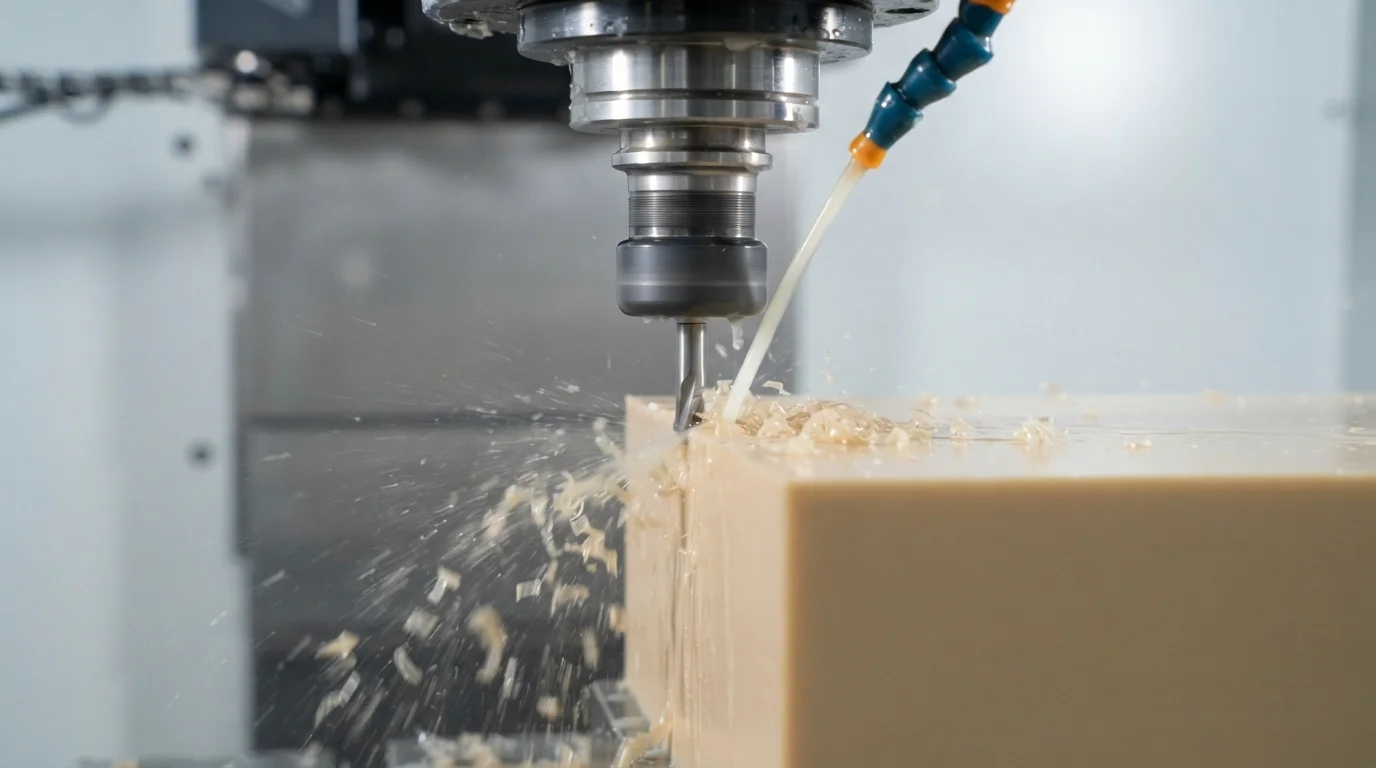
Why does machining high-purity PEEK require specialized mechanical expertise?
PEEK is an exceptionally expensive raw material, meaning any CNC programming errors, tool chatter, or part warping results in costly scrap waste.
To leverage the full physical potential of peek rapid prototyping, partnering with a highly skilled machinist is essential. Unlike standard, low-cost carbon steels or basic plastics, raw PEEK extruded rods carry a massive material premium, typically ranging from 150 to 400 USD per kilogram. A single machining mistake can instantly destroy your project budget.
Furthermore, PEEK has a high melt temperature (343 degrees Celsius) and low thermal conductivity. During high-speed cutting, the friction heat concentrates directly on the cutting tool. If the machinist uses incorrect feed rates, standard tools will dull instantly, causing tool chatter and local material melting. We utilize highly polished, sharp-edged carbide and diamond-coated cutters to ensure clean, burr-free profiles.
Annealing PEEK Prototypes for Dimensional Stability
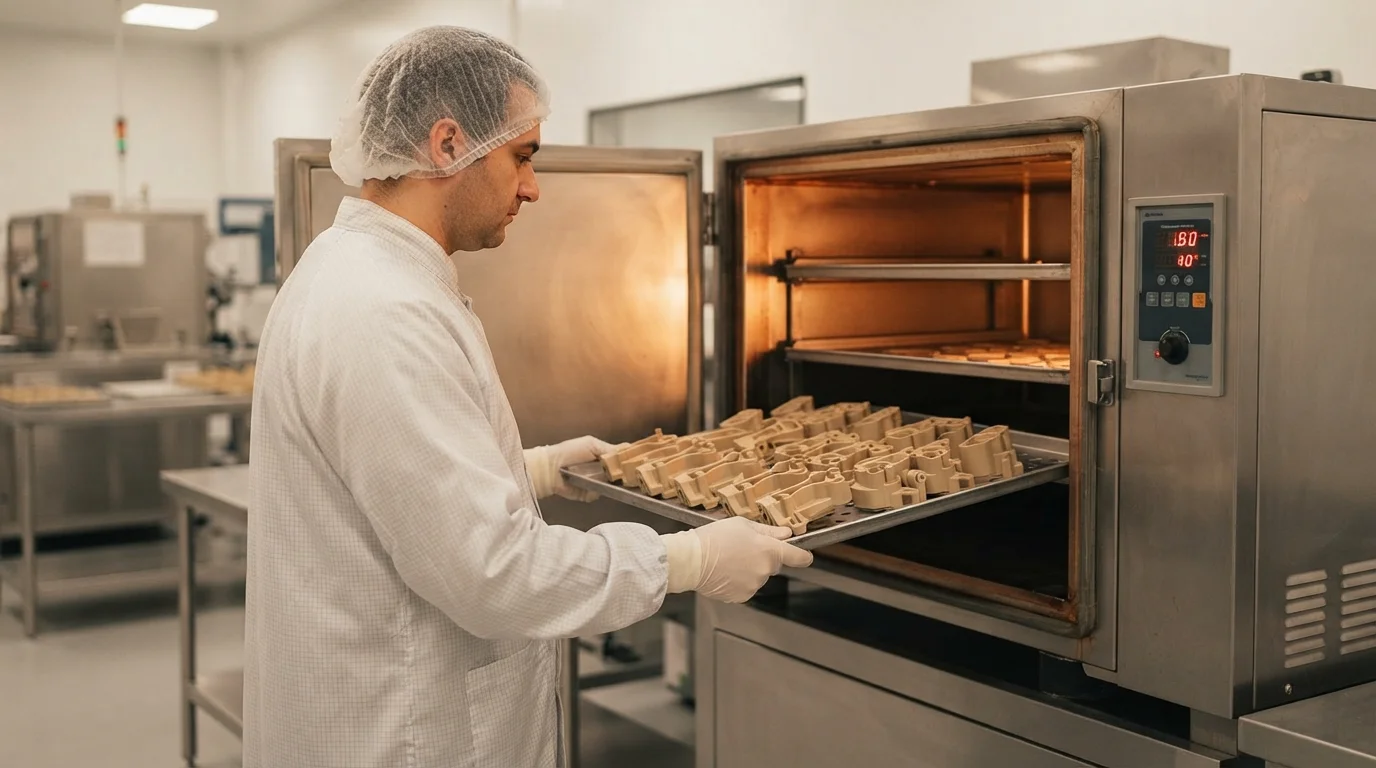
Why is a controlled thermal annealing process mandatory for machined PEEK parts?
Extrusion and rapid CNC cutting introduce severe internal stresses; thermal annealing stress-relieves the material to prevent post-machining warpage.
Understanding the stress-relaxation behavior of semi-crystalline polymers is vital to holding tight tolerances. When raw PEEK is extruded into rods or blocks, it inherits significant internal stresses. During high-speed CNC milling, the physical impact of the tool releases these stresses unevenly. This can cause the finished component to warp or expand out of tolerance weeks after machining.
To prevent dimensional drift, we execute a meticulous thermal recocido process. We place the raw blocks in our programmable ovens, slowly ramping the temperature up to 200 degrees Celsius, holding it to allow the internal stress to relax, and cooling it at a rate below 10 degrees per hour. This thermal treatment relieves all tensiones residuales, ensuring that the finished parts maintain perfect dimensional stability and high fatigue resistance.
Medical Grade Prototyping with ISO 13485 Certification
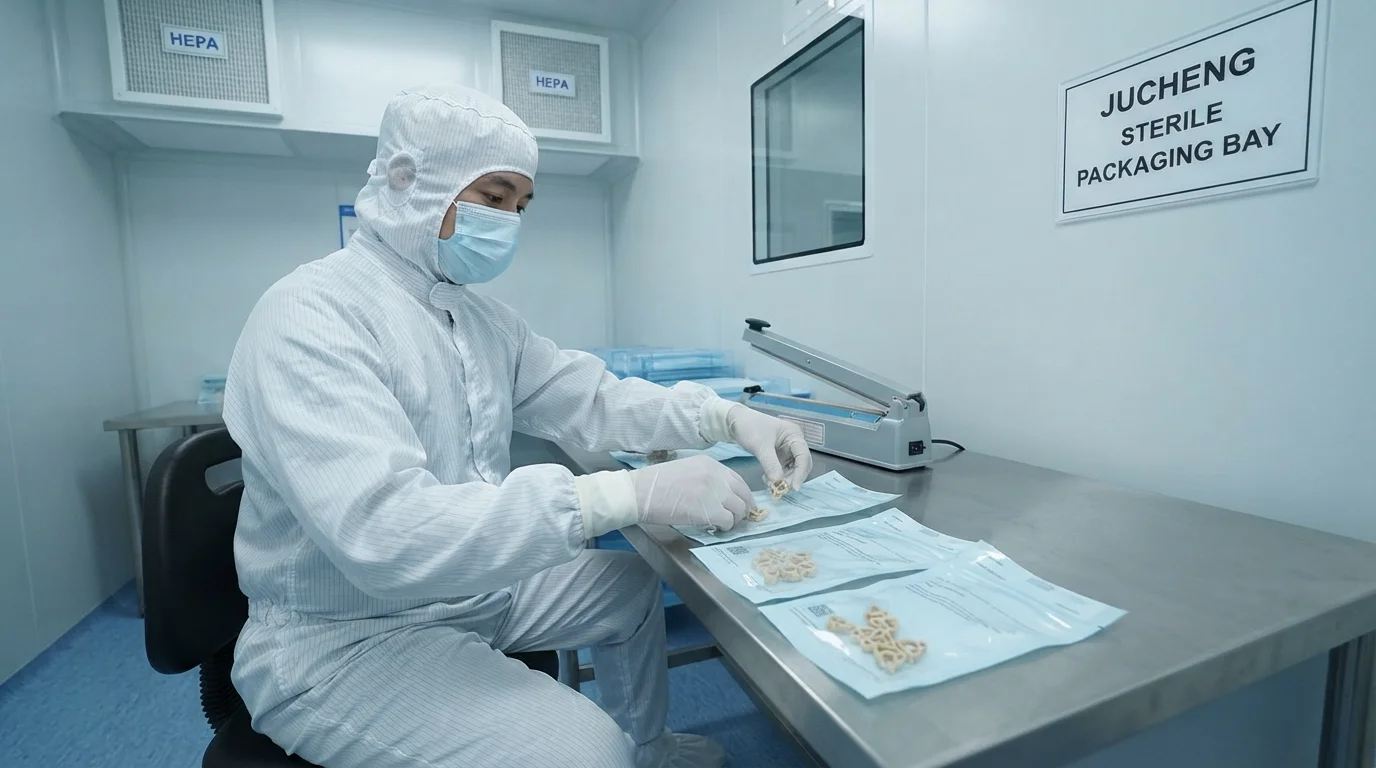
How does JUCHENG ensure strict quality compliance and zero contamination for medical PEEK parts?
We operate dedicated, clean-room 5-axis CNC workstations managed by certified technicians, executing all chemical cleaning under strict ISO 13485 guidelines.
Al seleccionar materiales de prototipado rápido for surgical implants or spinal cages, maintaining a closed, certified quality loop is mandatory. JUCHENG operates a high-precision manufacturing floor certified to AS9100 and ISO 13485 standards. This medical-grade compliance ensures that your biocompatible PEEK parts are machined, cleaned, and packaged inside sterile clean-rooms with zero cross-contamination risk.
Our technical department provides a 24-hour free DFM analysis to check your CAD models, checking tolerances and material clearances before production. Supported by our 150+ high-performance CNC centers, including 25 five-axis Haas and Mazak machines, we execute complex designs with extreme precision. We manage your custom project from initial material certification to final, certified packaging under one roof, acting as your premier servicio de prototipado rápido socio.
FAQ: Critical Questions About PEEK Rapid Prototyping
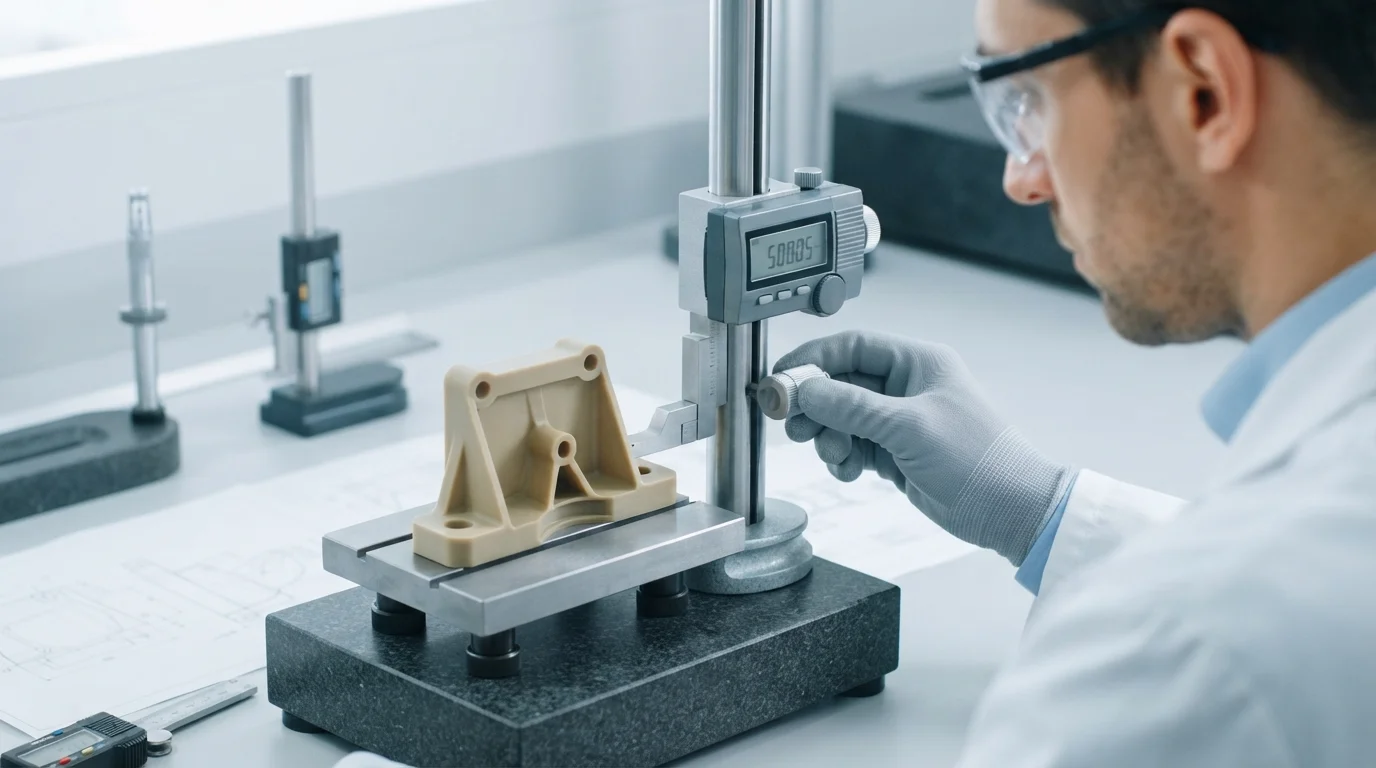
Our engineering team has compiled professional, concise solutions to the most common material and machining challenges faced during PEEK fabrication runs:
- Can PEEK parts be successfully 3D printed?
Yes, but printed parts have lower mechanical properties. While high-temperature FDM can print PEEK filaments, the resulting parts suffer from low inter-layer bonding, whereas CNC machined PEEK rods offer isotropic strength. - Is PEEK mechanically stronger than lightweight aluminum?
Although aluminum is harder, PEEK has a comparable strength-to-weight ratio and is completely non-corrosive, making it the preferred non-metal choice to replace aluminio, acero inoxidable, o comercialmente puro. - Why is medical-grade PEEK specified with certified iron-free tooling?
Cutting PEEK with standard steel tooling can embed micro-iron particles into the plastic surface, initiating galvanic rust. We utilize certified carbide and diamond cutters on dedicated non-ferrous lines to prevent contamination. - How does JUCHENG prevent dimensional variations on custom peek rapid prototyping orders?
Verificamos las holguras de montaje utilizando calibradores digitales de coordenadas internos y realizamos calibraciones automáticas de sondas en nuestras máquinas de medición por coordenadas Zeiss (CMM) antes del envío final, garantizando una entrega sin defectos.

