


3D printing is useful in semiconductor equipment development when the team needs to learn quickly, create complex geometry, or avoid committing to tooling too early. It is not a universal replacement for machined or formed parts. The value comes from choosing the right feature, material, and validation level for the stage of the project.
The value is speed with a purpose
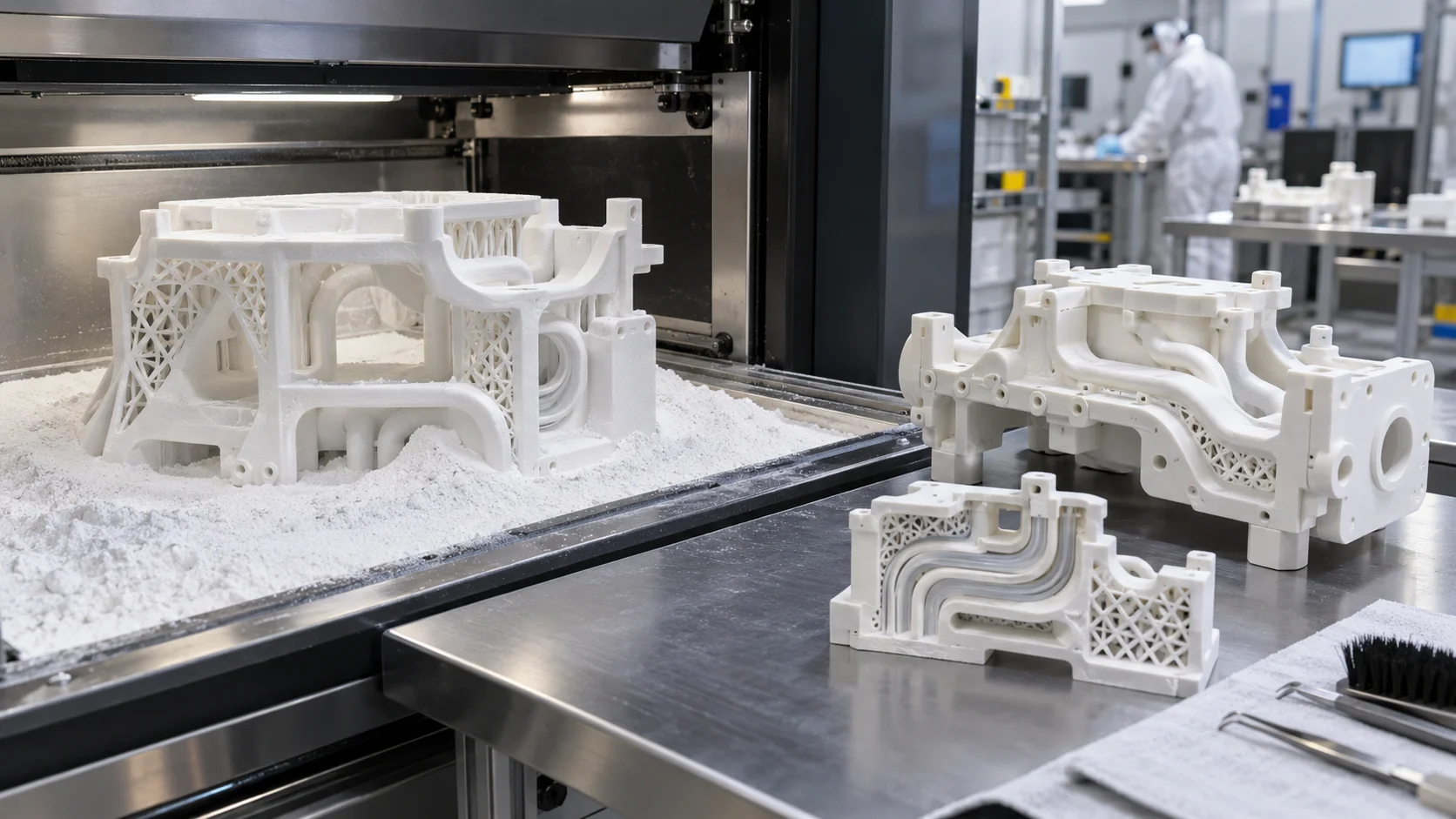
Additive manufacturing can shorten the time between CAD revision and physical evaluation. It is especially helpful for internal channels, lightweight forms, ergonomic covers, temporary guards, and fixtures with complex geometry. The process can also provide a fast way to test clearance and service access before a final production route is selected.
For the complete equipment component route, connect the printed part to semiconductor equipment parts manufacturing instead of treating the prototype as an isolated model.
Choose parts that reward additive freedom
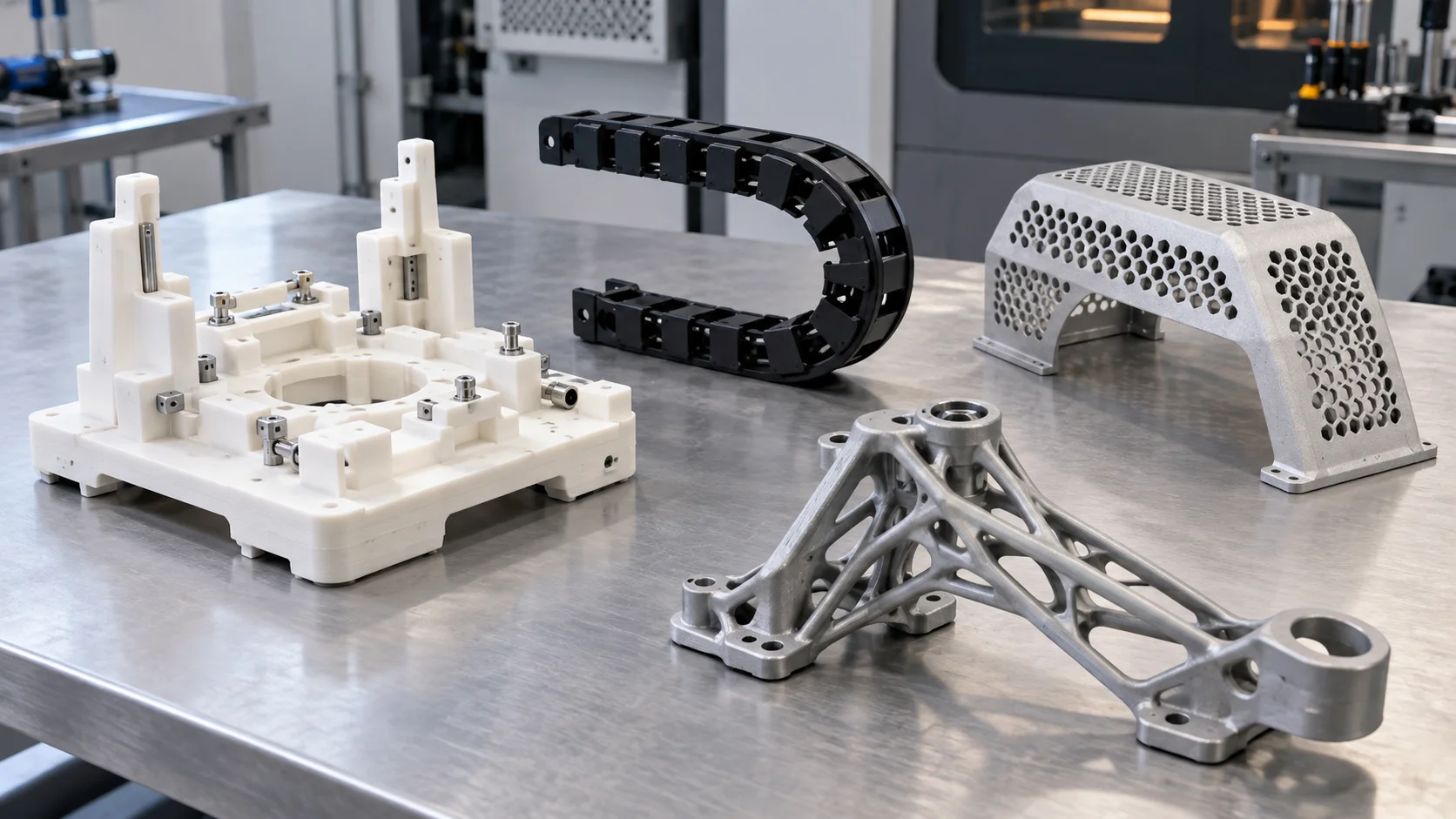
| Use case | Why printing helps | Validation focus |
|---|---|---|
| Early fixture | Fast geometry changes | Fit, locating, and operator use |
| Complex airflow or cable guide | Low tooling commitment | Clearance, stiffness, and routing |
| Temporary cover or guard | Rapid response to a layout change | Access, safety, and durability |
| Lightweight equipment component | Geometry freedom | Load, vibration, and cleaning |
A suitable SLS 3D printing route may work well for functional polymer prototypes, but the material and finish must match the test objective.
Printed geometry still has boundaries
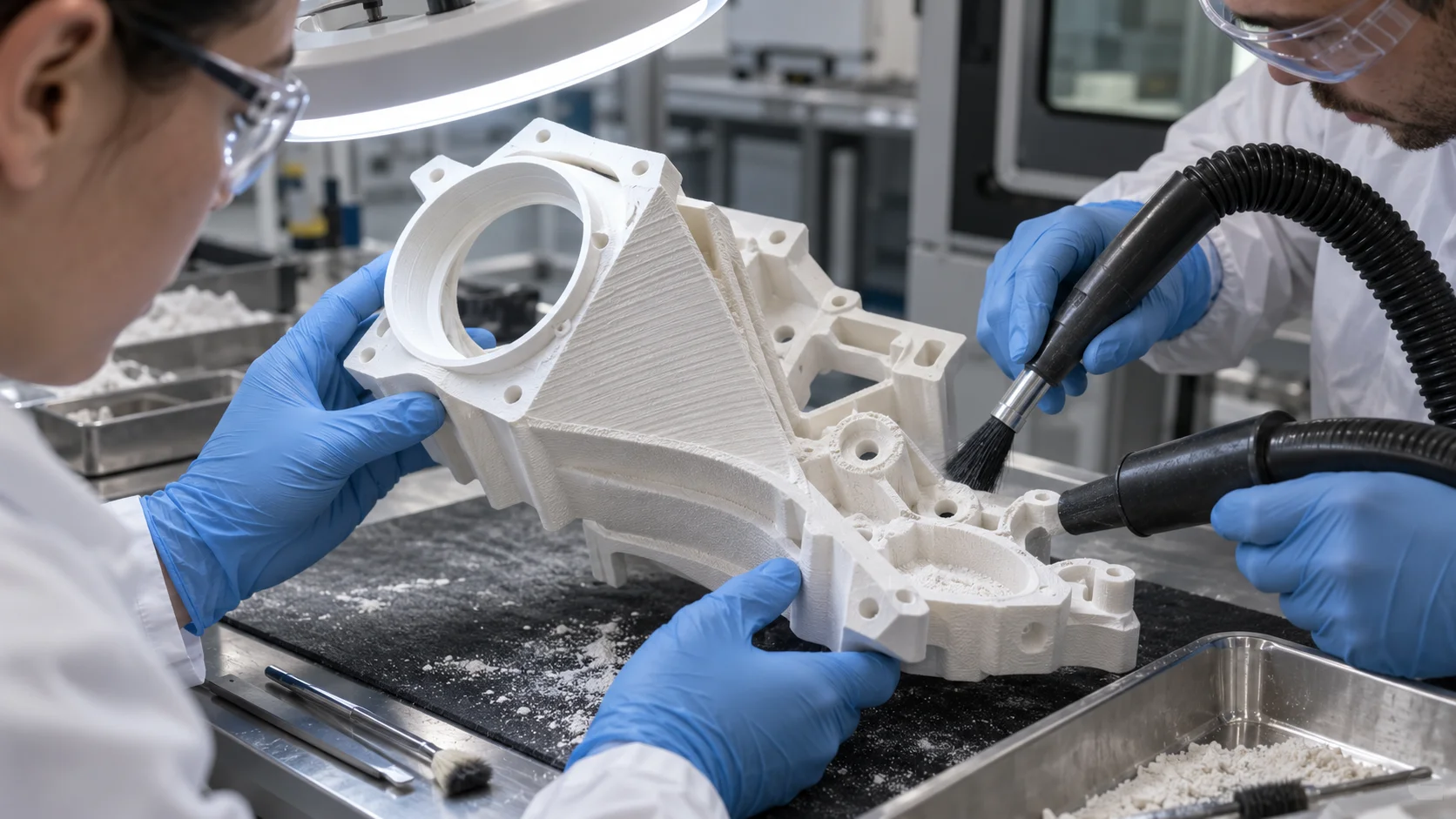
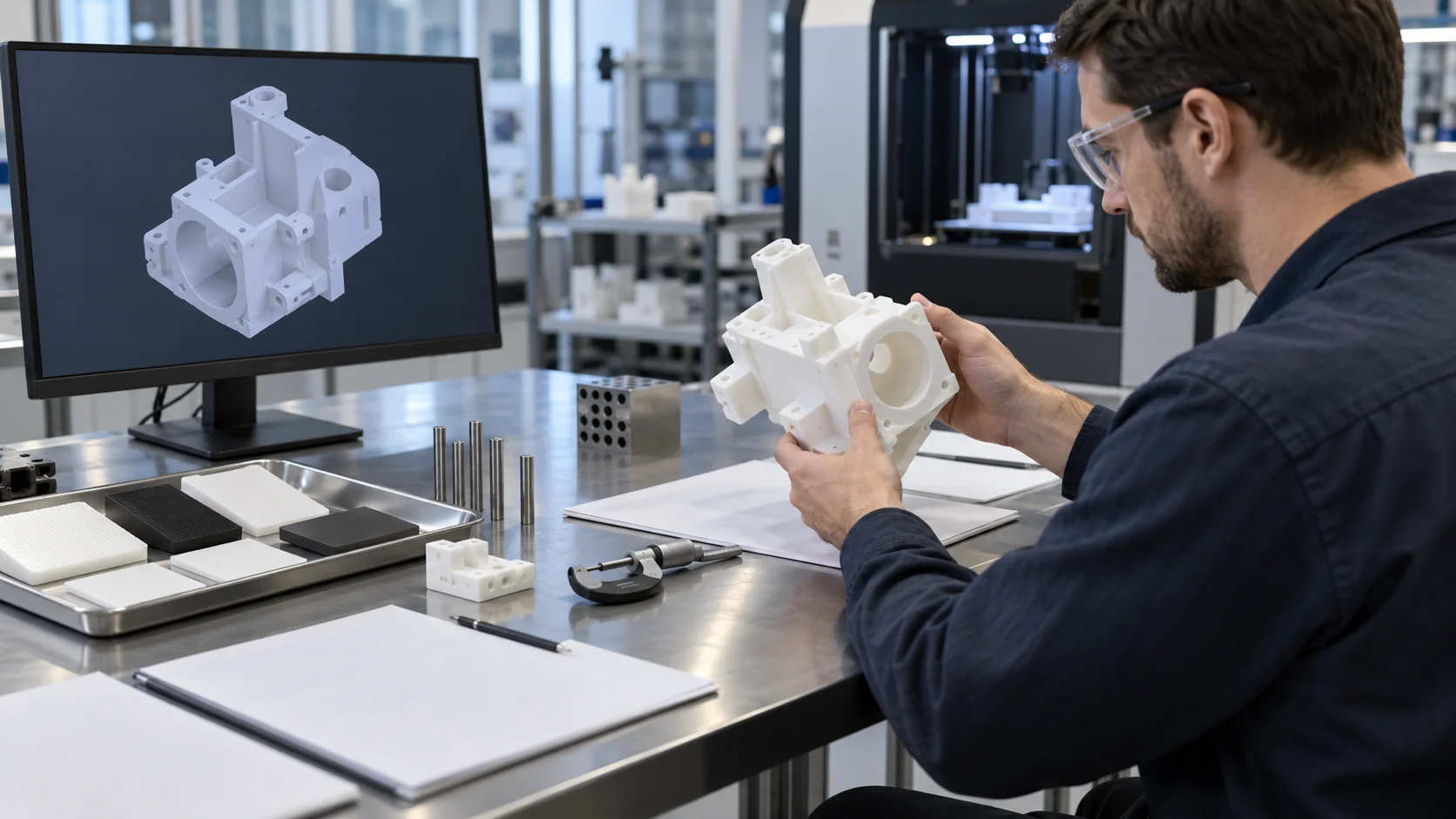
Printed parts can show build direction effects, anisotropy, surface texture, dimensional variation, porosity, trapped powder, or limited resistance to heat and chemicals. These conditions may be acceptable for a fit check and unacceptable for a process-facing component.
The drawing or test plan should identify which properties are representative and which are provisional. If a printed part will be cleaned, placed near sensitive equipment, or used under load, define the cleaning, handling, and acceptance requirements before production.
Know when to switch to a production route
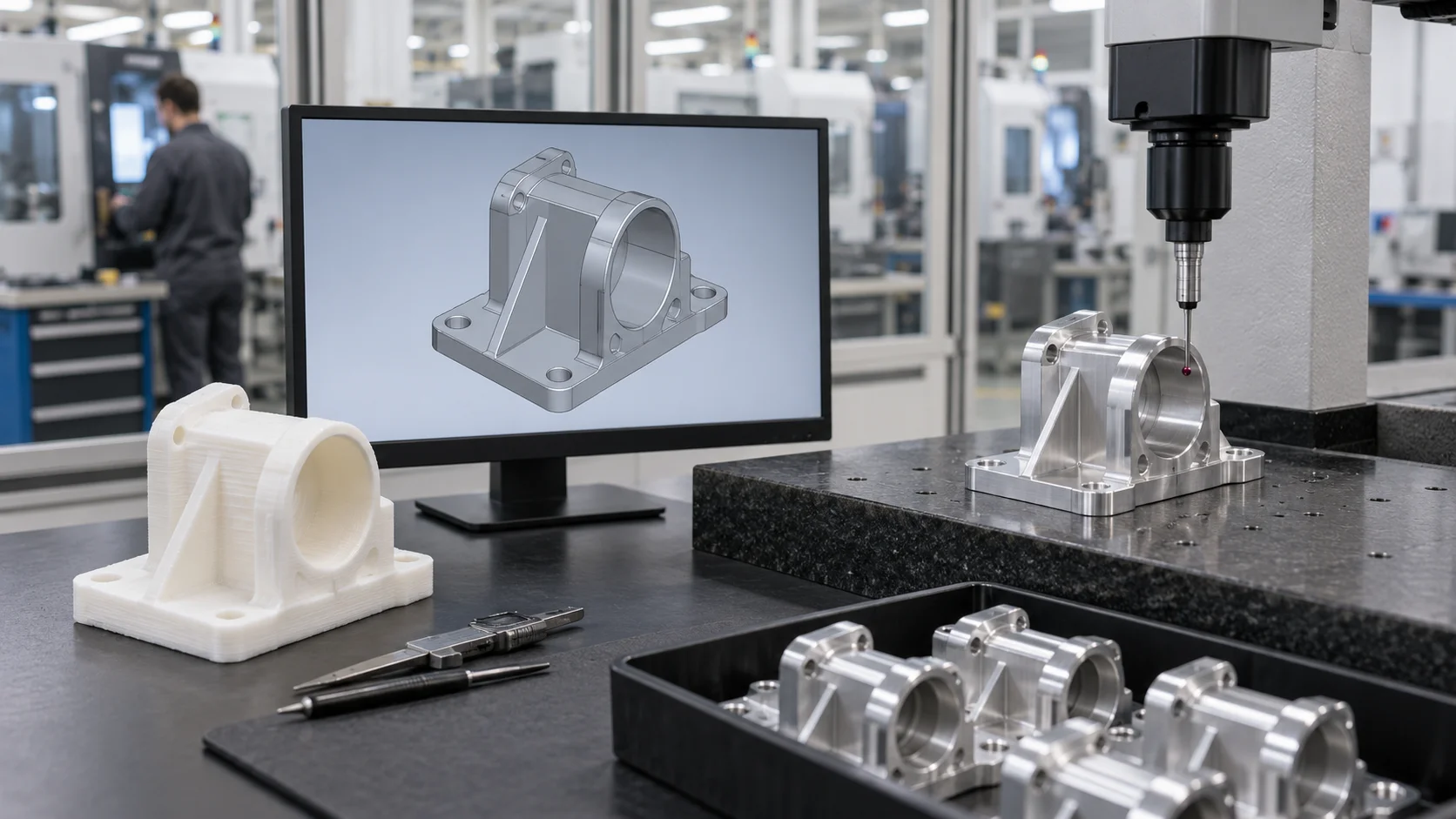
The next step may be CNC machining, sheet metal fabrication, molding, or metal additive manufacturing. Compare the prototype geometry with the production route and redesign features that were only possible because of printing. Keep the functional interfaces stable while improving manufacturability.
A functional prototype service can help teams decide whether the next build should prioritize material fidelity, dimensional accuracy, or production repeatability.
Write an RFQ around the test
- State the prototype purpose and test conditions.
- Identify critical interfaces and acceptable cosmetic variation.
- Specify material, build orientation if important, finishing, and cleaning.
- Request dimensional evidence for features that affect fit or movement.
- Explain whether the part is temporary, reusable, or a candidate for production.
Production-representative parts need a separate check
A printed prototype can confirm packaging, access, and motion while still behaving differently from the eventual production material. Record which questions the printed part answers and which must wait for machining, molding, or another production route.
When 3D Printing Fits the Program
Can 3D printed parts be used in semiconductor equipment?
They can be used for suitable prototypes, fixtures, guards, and selected components when material, cleanliness, temperature, load, and chemical requirements are satisfied.
When should a printed part be replaced by a machined part?
Consider machining when the part needs tighter interfaces, a more stable surface, higher load capability, better cleanability, or repeatable production performance.
Use Additive Manufacturing Deliberately
Additive manufacturing earns its place when it reduces learning time or enables useful geometry. Clear test objectives and an honest review of material and surface limits determine whether the printed part is a prototype, a fixture, or a step toward production.

