


Semiconductor equipment parts manufacturing is the controlled production of mechanical, structural, process-facing, and service components used in semiconductor equipment. It connects design review, material selection, CNC machining, sheet metal fabrication, prototyping, finishing, inspection, assembly, and repeat supply into one manufacturing path.
The manufacturing scope, defined
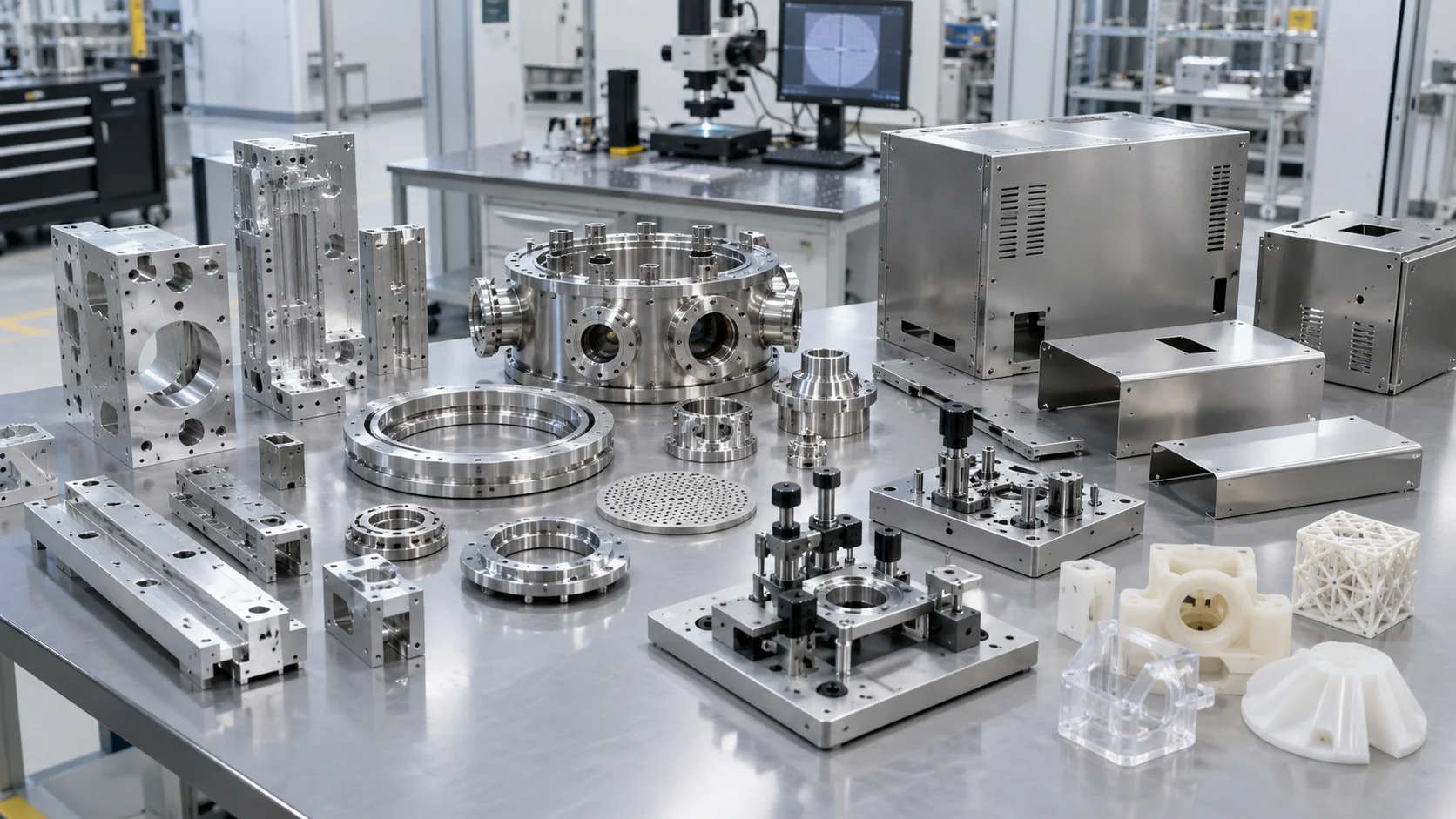
A semiconductor equipment program may require a precision-machined mounting plate, a corrosion-resistant process component, an enclosure, a fixture, a replacement part, or a mechanically assembled module. These parts can be made from aluminum, stainless steel, engineering plastics, ceramics, and other application-specific materials.
| Part family | Typical function | Primary engineering concern |
|---|---|---|
| Precision components | Locate, seal, guide, or connect modules | Datums, tolerances, and inspection |
| Process-facing components | Operate near heat, vacuum, chemicals, or controlled environments | Material compatibility and surface condition |
| Structures and enclosures | Protect equipment and support access | Flatness, stiffness, bends, and assembly |
| Fixtures and prototypes | Validate fit, motion, handling, or layout | Fast learning and representative function |
One program, several controlled handoffs
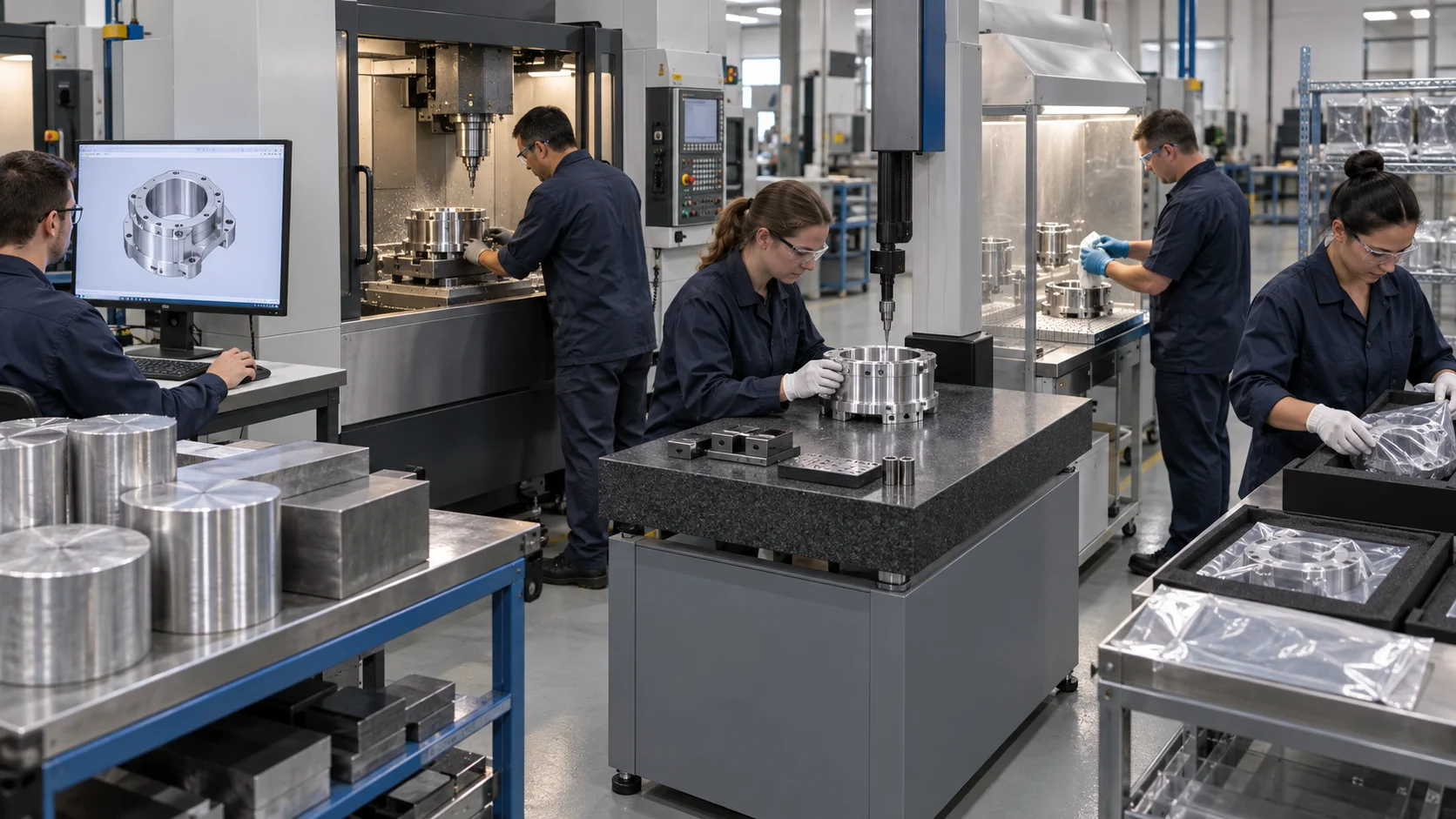
- Define the requirement. Identify function, environment, quantity, interfaces, and acceptance criteria.
- Review the design. Check datums, tolerance chains, wall thickness, tool access, and assembly logic.
- Select material and route. Match the geometry and production stage to machining, sheet metal, additive, molding, or casting.
- Build and verify. Use first-article, in-process, and final inspection appropriate to the part risk.
- Finish, clean, and protect. Control treatment, handling, packaging, revision, and delivery records.
The process is iterative. A prototype can reveal a design issue, while a pilot build can reveal a process or inspection issue. The strongest supplier relationship carries those lessons into the next revision.
Process choice follows the part’s job
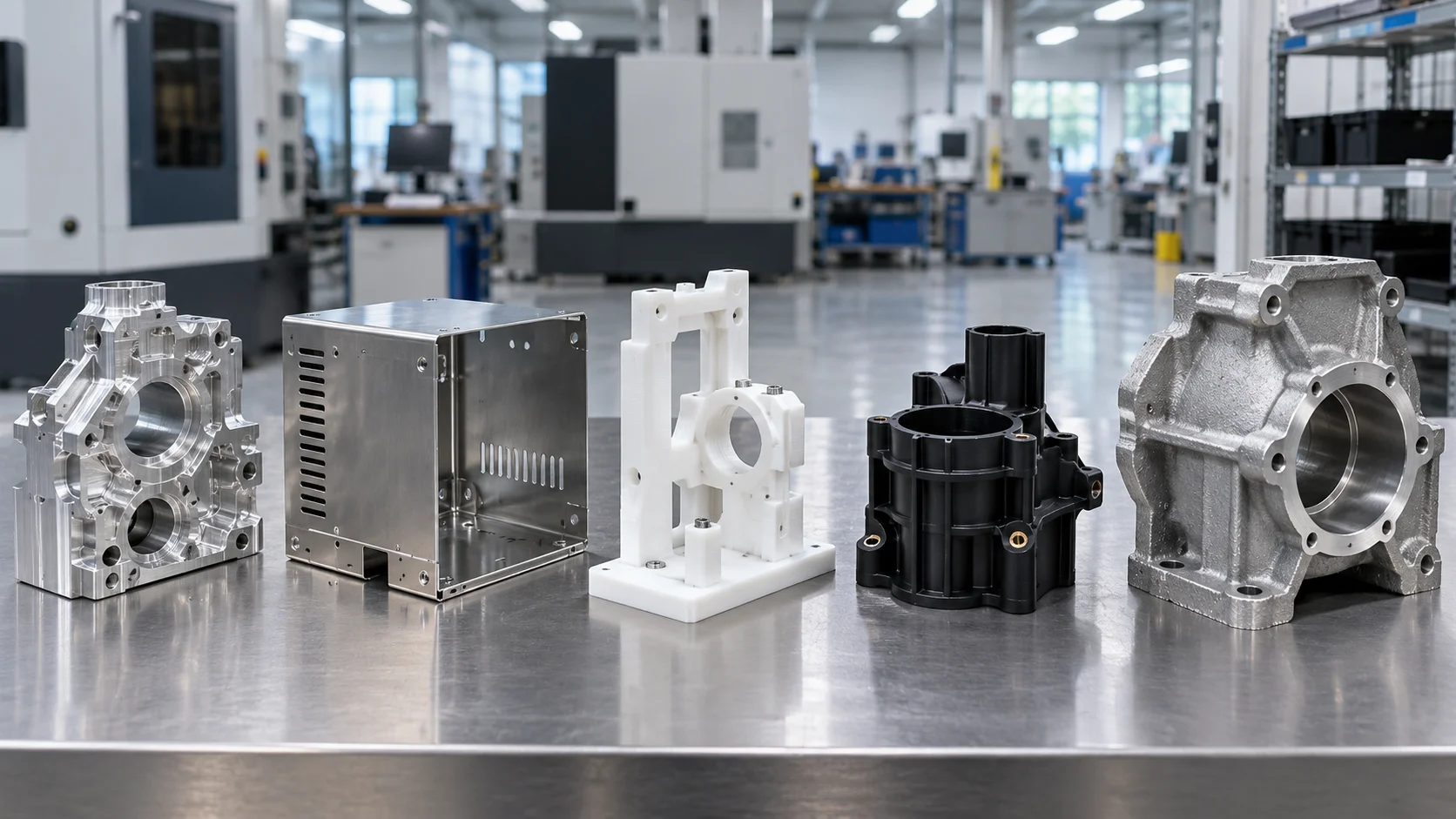
CNC machining is well suited to accurate interfaces, pockets, threads, and complex metal or plastic components. Sheet metal fabrication supports panels, cabinets, chassis, and lightweight structures. Additive manufacturing is useful for early fixtures and complex prototypes. Molding, casting, and rapid tooling become more attractive when geometry is stable and demand supports tooling.
The process details are developed in the related semiconductor manufacturing processes guide, which explains how requirement definition, production planning, inspection, and delivery fit together.
For equipment-specific component categories, see the semiconductor equipment parts guide. For design teams comparing materials, the semiconductor materials guide connects environment and material behavior to manufacturing decisions.
Repeatability is built through evidence
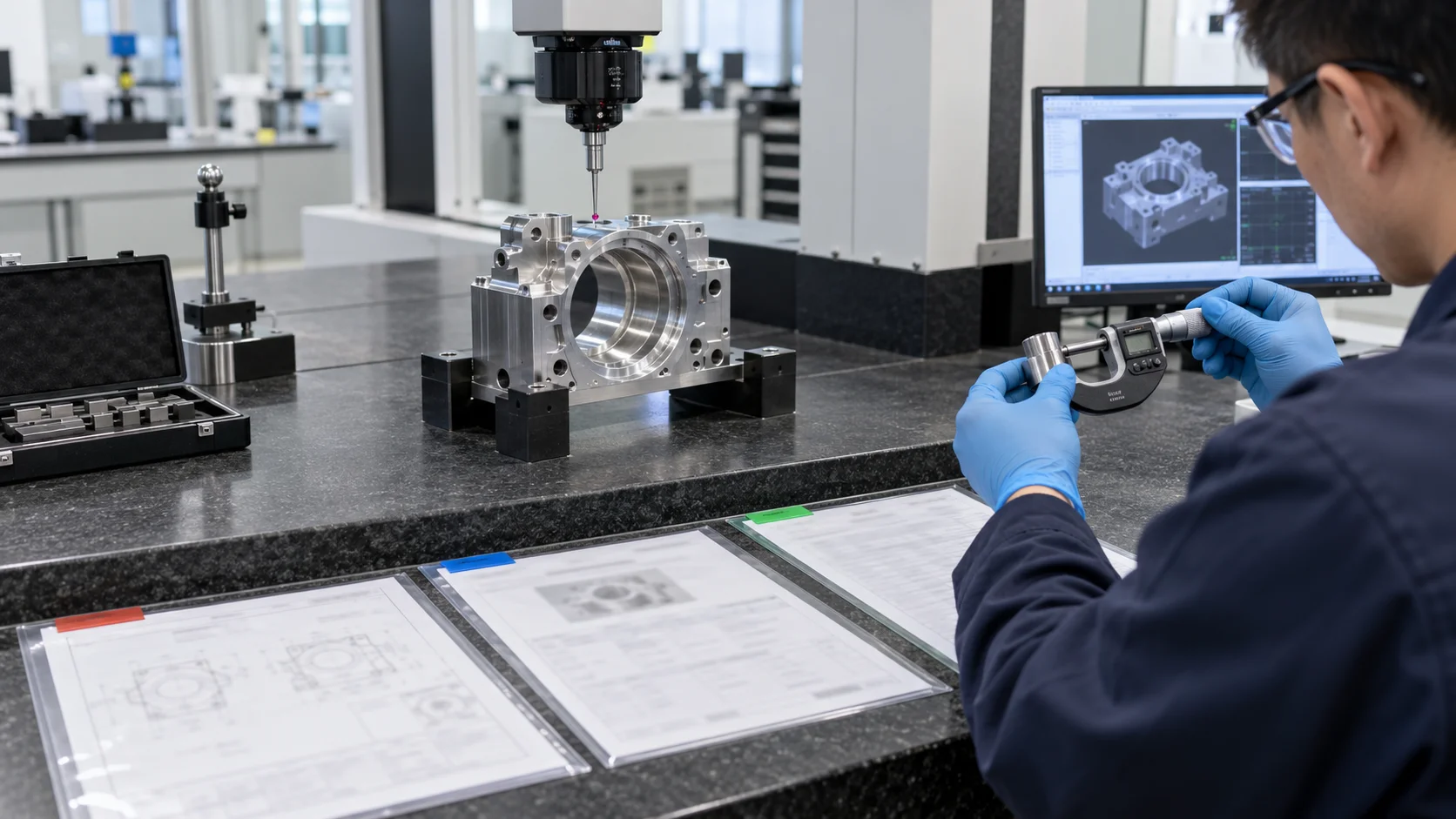
Repeatability starts with a controlled definition. The supplier should work from the current drawing and model, know which features are functional, and understand whether a surface will be finished or cleaned after machining. The inspection plan should then verify the features that control assembly rather than measure every dimension with equal emphasis.
For tight interfaces, the semiconductor precision machining guide covers datum strategy, tolerance chains, process sequence, and inspection evidence. These controls reduce the risk of a part that meets one isolated dimension but fails during installation.
| Control | Why it matters |
|---|---|
| Revision control | Prevents mixed designs in one build |
| Material verification | Confirms the part behaves as specified |
| Functional inspection | Focuses evidence on fit, sealing, motion, and interfaces |
| Cleaning and packaging | Protects the finished condition during handling and shipment |
How the supply path changes over time
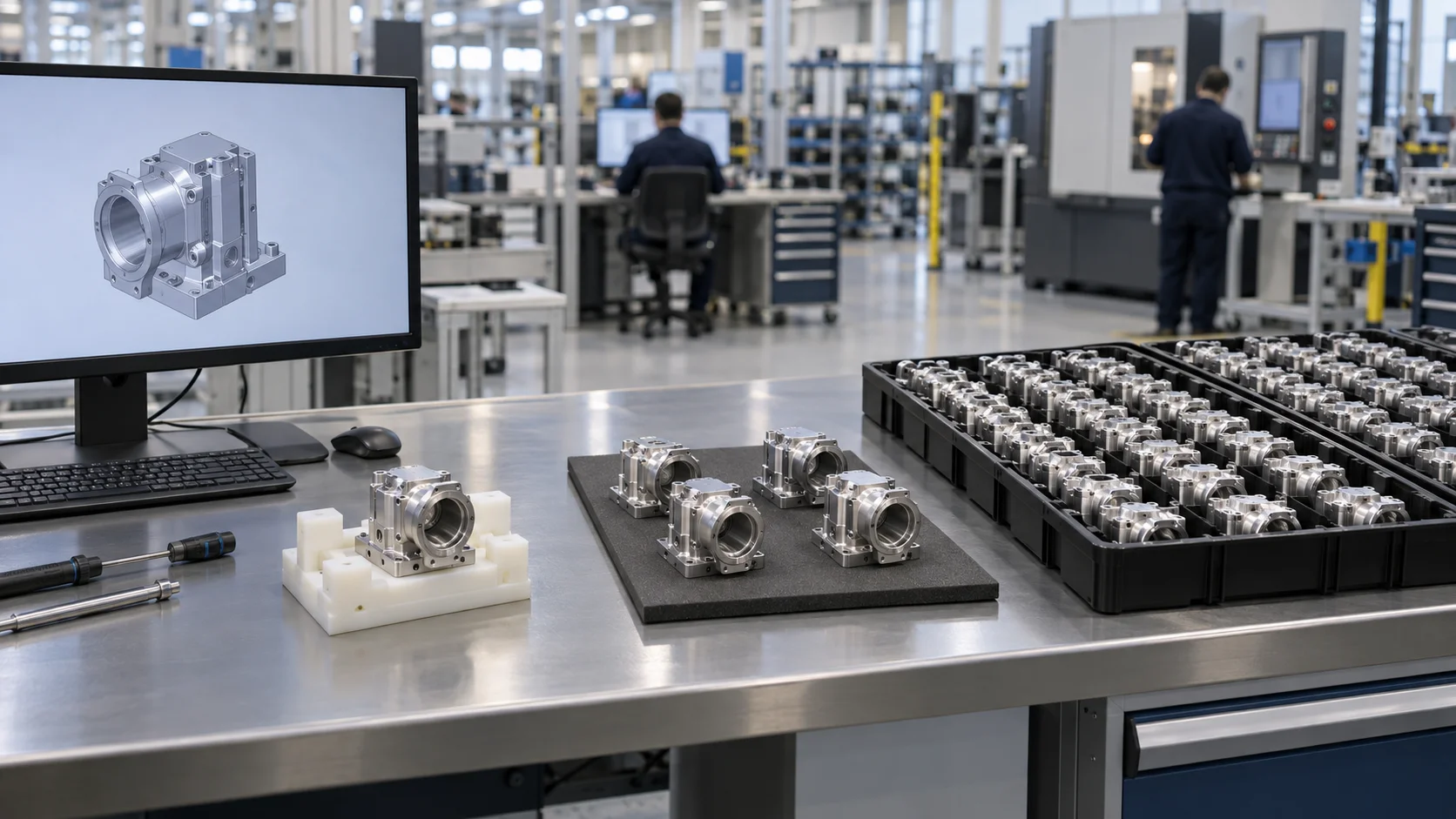
Prototype work should answer a defined engineering question. The team may need to confirm fit, motion, service access, material behavior, or enclosure layout. The prototype process should record which features are representative and which are temporary.
El semiconductor equipment prototyping guide explains how to choose fidelity, combine processes, and prepare for the next build. Once the design is stable, the same documentation can support pilot production, low-volume orders, spare parts, and repeat supply.
What a capable partner should show
- Can the supplier review the design and raise practical DFM questions?
- Can it coordinate multiple processes when one assembly needs different part types?
- Are material, finishing, inspection, cleaning, and packaging requirements clear?
- Can it preserve the approved revision and production records for reorders?
- Does the quotation separate assumptions, tooling, inspection, and delivery scope?
A strong partner makes the manufacturing path easier to understand. It does not promise that every part uses the same process; it explains why the selected route fits the function and the program stage.
Questions About the Full Manufacturing Scope
What does semiconductor equipment parts manufacturing cover?
It covers the production and supply of mechanical, structural, process-facing, protective, prototype, replacement, and assembled components used in semiconductor equipment.
Which process is best for semiconductor equipment parts?
The best process depends on geometry, material, quantity, tolerance, surface condition, cleanliness, and design maturity. CNC machining, sheet metal, additive manufacturing, molding, and casting may all be appropriate.
How can buyers reduce sourcing risk?
Use a controlled drawing revision, identify critical features, define materials and finishes, request functional inspection, compare assumptions, and retain records for the next build.
A Practical Starting Point
Semiconductor equipment parts manufacturing is a coordinated engineering and supply process. When design intent, process selection, material behavior, quality control, and delivery records stay connected, equipment teams gain a more reliable path from concept to qualified part and ongoing production.

