


Validating watertight seals, highly flexible keypads, or medical-grade soft-grip handles before launching high-volume injection runs is a complex mechanical challenge. Specifying prototipado rápido de silicona provides your engineering teams with an exceptionally versatile path to replicate soft-touch, elastomeric components of varying hardnesses without paying the high costs of steel tooling. This specialized elastomer-forming workflow serves as an essential servicio de prototipado rápido, utilizing advanced casting and low-pressure molding to deliver functional parts in days.
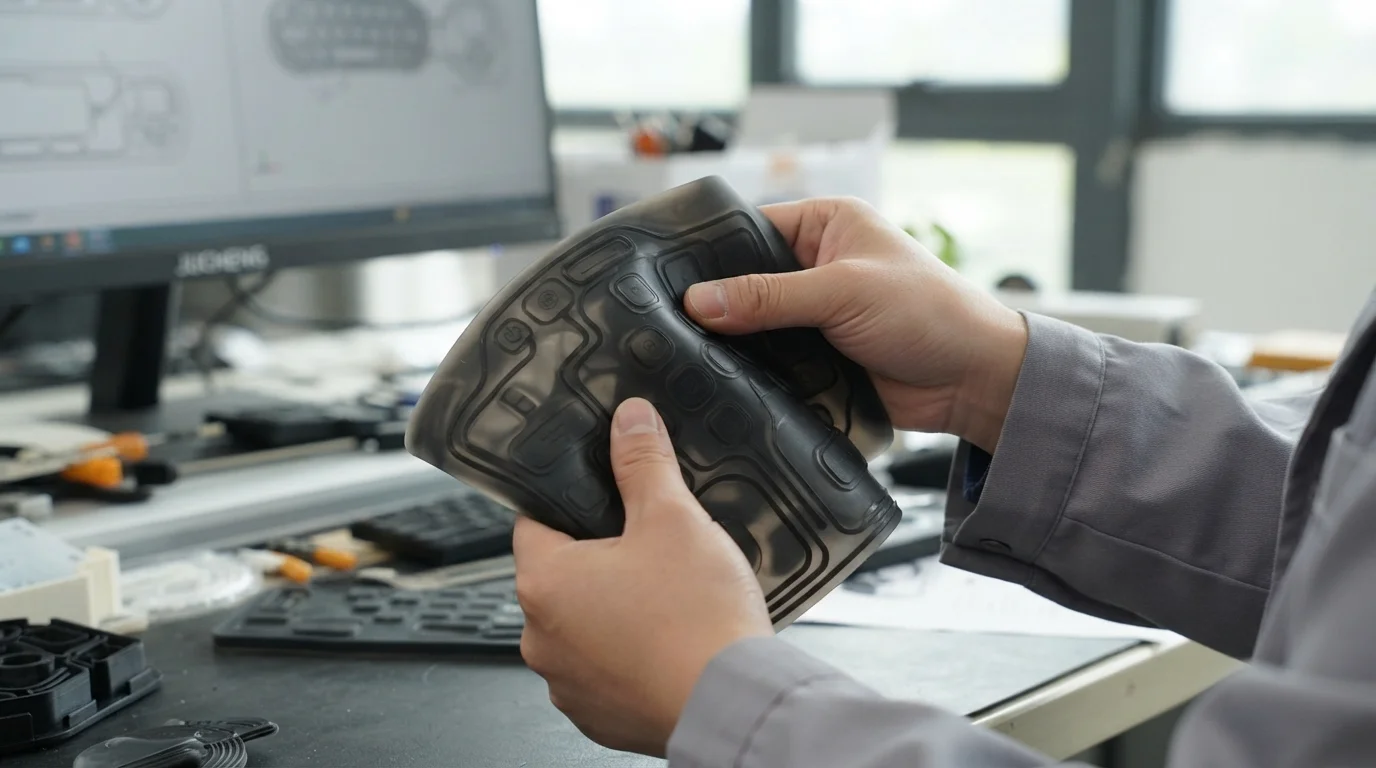
Suffer from rigid 3D printed rubber-like materials that tear easily, have poor elastic recovery, or fail to seal under moisture pressure? Standard additive elastomer resins are highly brittle and fail to mimic the physical durability of real vulcanized rubber. Moving to a dedicated liquid casting or low-pressure molding setup completely eliminates these material failures, delivering high-performance, watertight parts straight from our cleanroom bays.
Let’s examine how vacuum cast polyurethanes simulate silicone properties, explore how multi-material overmolding is executed during early prototyping runs, and review how rapid tooling lets us mold real liquid silicone rubber safely.
Vacuum Casting PU Elastomers to Simulate Silicone
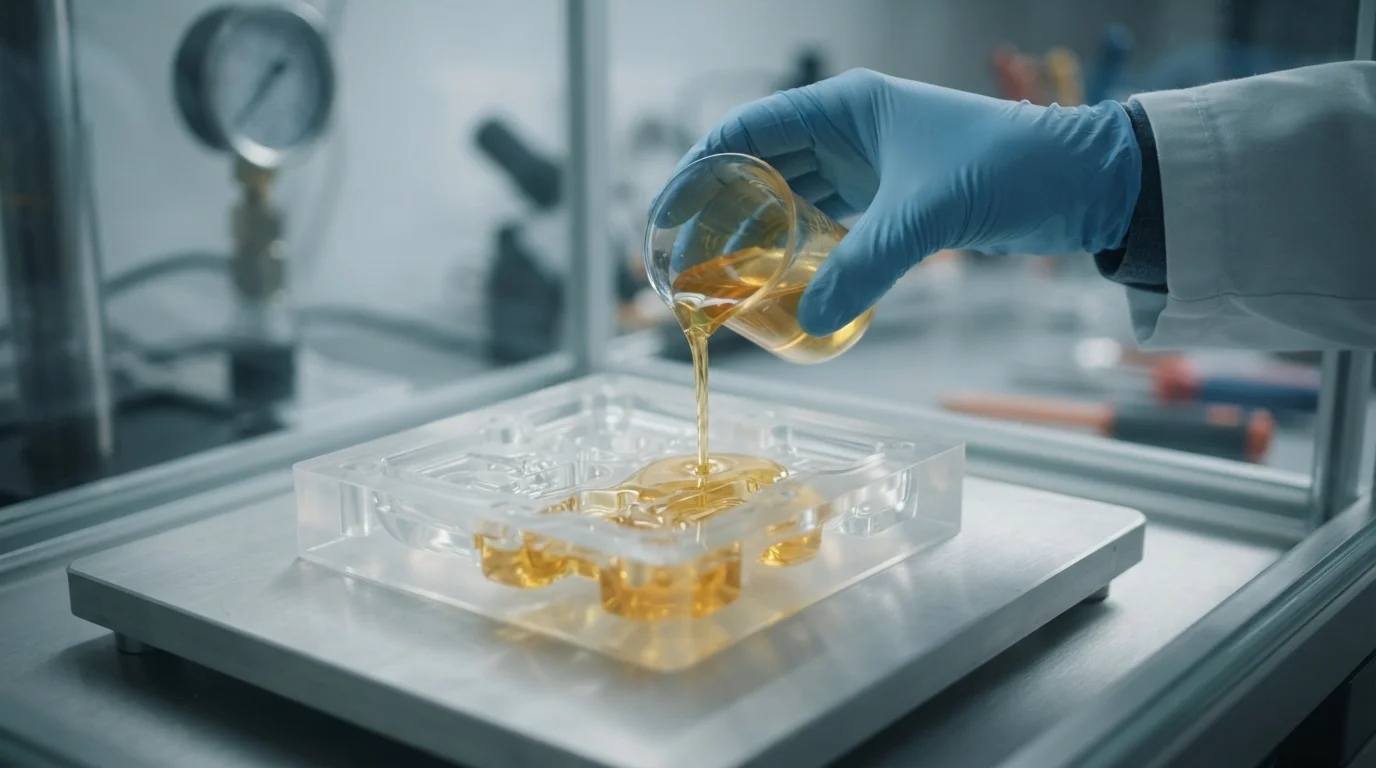
How do polyurethane casting resins mimic the exact physical performance of vulcanized silicone?
We utilize advanced dual-component polyurethane elastomer resins injected into flexible silicone molds under vacuum, simulating a wide range of Shore A durometer hardnesses.
Direct 3D printing of pure rubber-like materials often results in poor dimensional accuracy and low tear strength. To achieve high-fidelity, flexible parts economically, we recommend advanced vaciado al vacío. This process utilizes a high-resolution SLA master pattern to cast highly detailed silicone molds.
We then formulate dual-component poliuretano resins to match your exact application requirements. This process allows us to replicate a vast spectrum of Shore A hardnesses, ranging from extremely soft 30A gel-like structures to highly rigid 90A industrial gaskets. These simulated urethanes behave exactly like vulcanized silicone, providing design teams with outstanding elongation-at-break and high tear strength for functional testing.
Overmolding Soft Grips onto Rigid Medical Devices
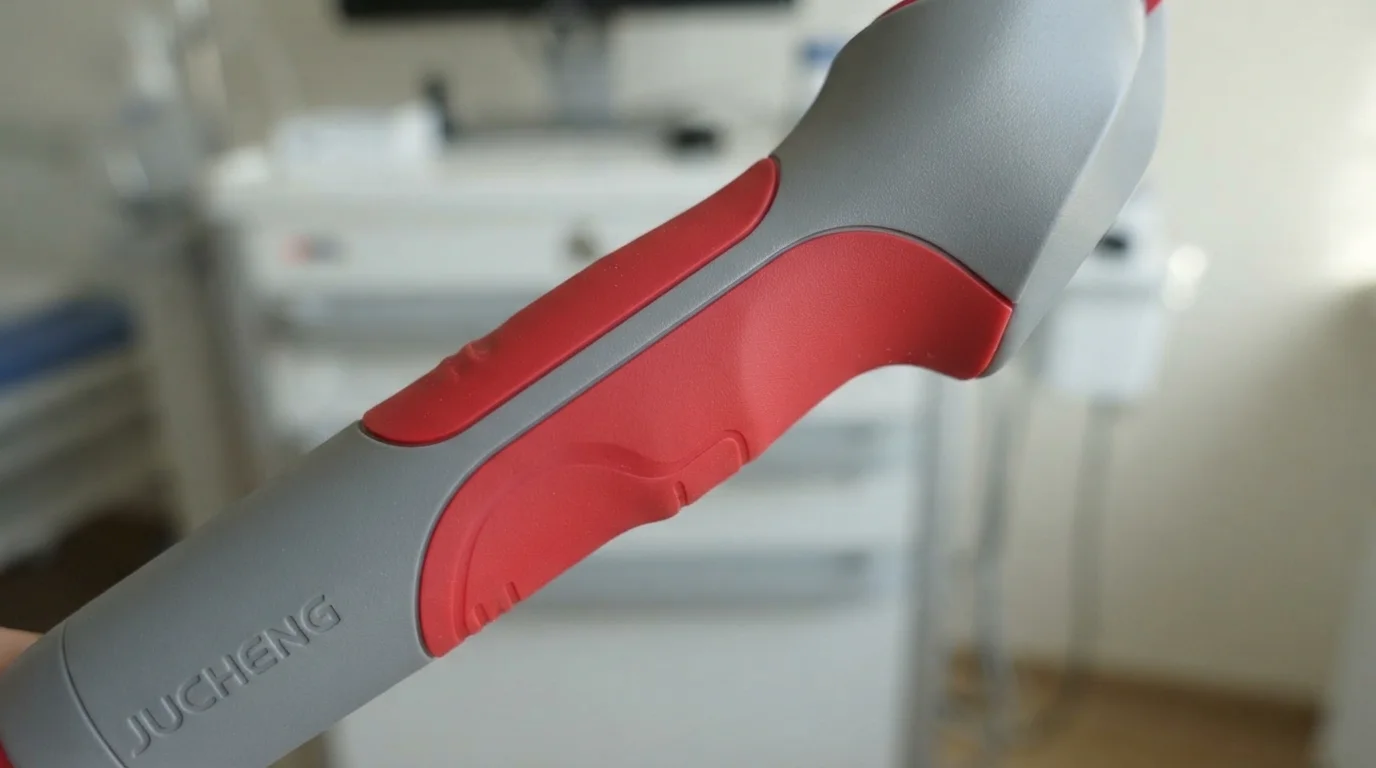
How can designers prototype multi-material, dual-durometer parts without high tooling costs?
We execute manual insert casting and overmolding inside our vacuum chambers, bonding soft-touch elastomers directly onto pre-machined rigid plastic cores.
Selecting the correct materials from your available materiales de prototipado rápido database is critical when designing multi-material medical housings, power tool handles, and consumer electronics. A standard, single-material body is cheap but lacks the physical ergonomics and shock-absorption of a dual-durometer design. We execute precise overmolding y moldeo por inserción directly within our silicone molds.
During overmolding, we cast the rigid structural core (such as ABS or PC) first, place it into a secondary silicone cavity, and cast the soft polyurethane elastomer over the core. The chemical reaction between the resins creates a high-strength bond. We also design physical mechanical interlocking features (such as undercut notches and slots) onto the rigid core to ensure that the soft grip never separates under severe field use.
Rapid Tooling (LSR) for Real Liquid Silicone Rubber Prototypes
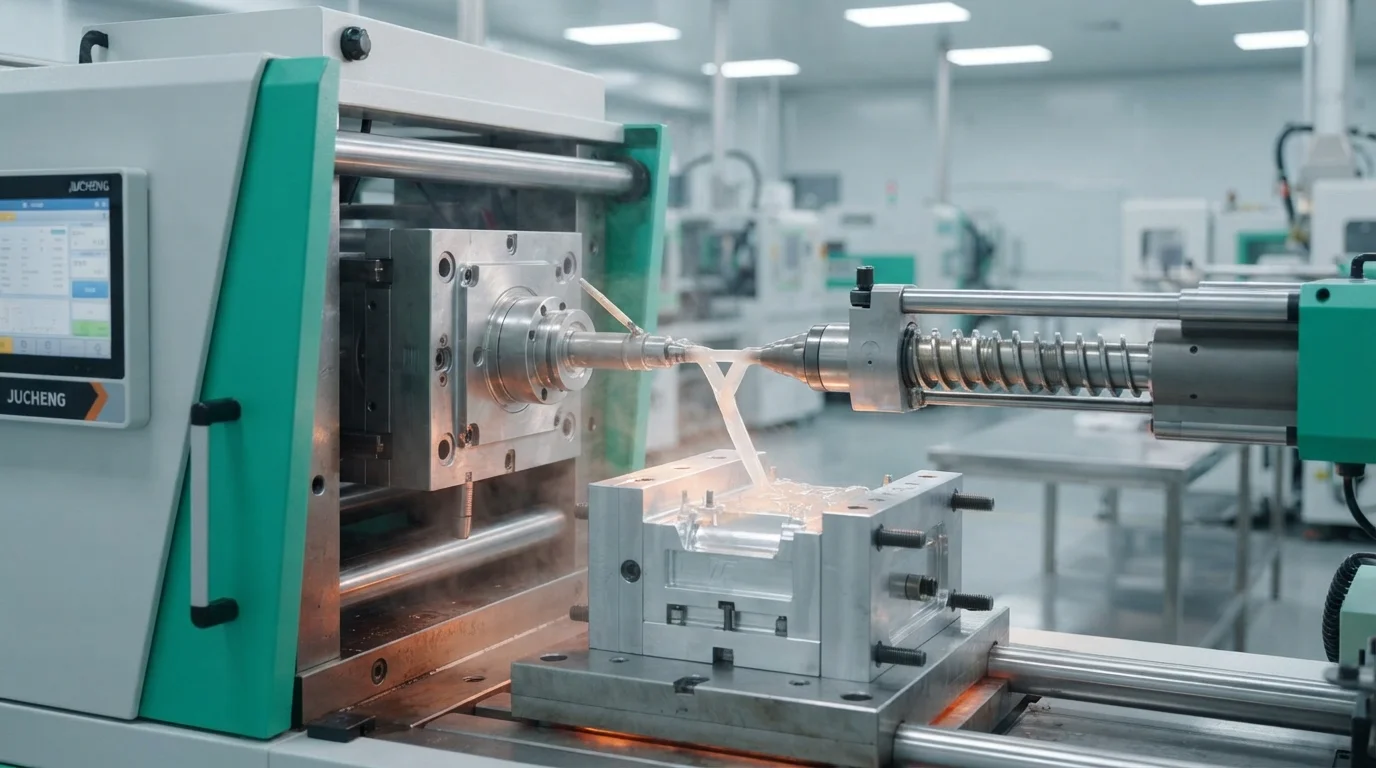
When does a custom medical or high-spec aerospace part require real Liquid Silicone Rubber molding?
Transition to liquid silicone rubber (LSR) rapid molding when your parts require extreme bio-compatibility, autoclave sterilization, and high-volume consistency.
While vacuum casting urethanes is perfect for most industrial tests, medical-grade components require actual vulcanized silicone. In these high-spec scenarios, we recommend advanced utillaje rápido. We utilize our high-speed vertical mills to cut modular aluminum molds or soft steel dies in days, bypassing the massive investments of traditional production tooling.
We then injection-mold true, platinum-cured liquid silicone rubber (LSR) under high heat and pressure. Jucheng Precision operates an AS9100 and ISO 13485 certified facility, using specialized clean-room injection presses to ensure zero-particle contamination on your parts. This high-precision servicio de prototipado rápido allows you to validate medical seals, surgical brackets, and food-grade valves using real LSR before scaling to mass production.
FAQ: Critical Questions About Silicone Rapid Prototyping
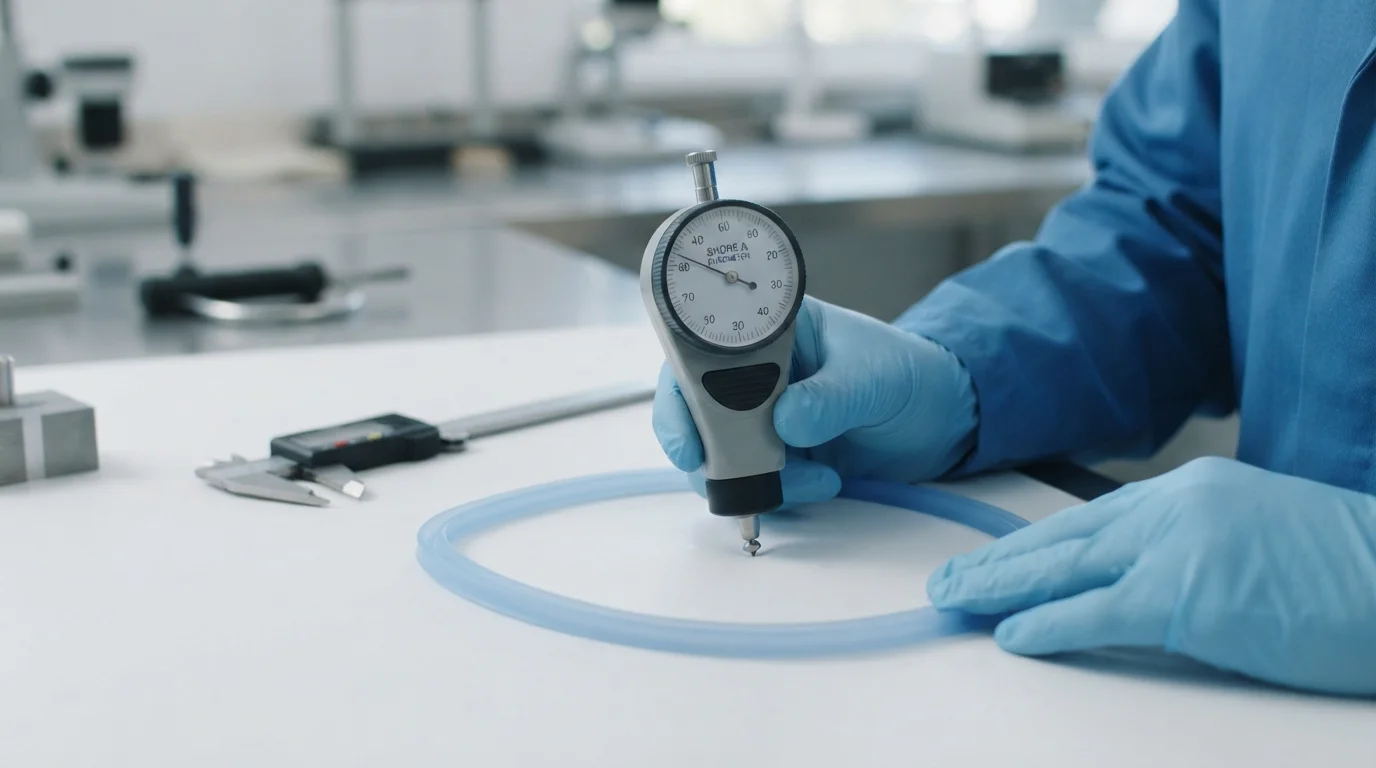
Our engineering team has compiled professional, concise solutions to the most common quality challenges faced during silicone prototyping runs:
- Can I direct 3D print pure Shore A 40 silicone rubber parts?
Direct 3D printing of pure silicone is highly restricted, slow, and expensive, often yielding poor surface quality. Utilizing vacuum casting with flexible silicone molds is the industry-standard choice to produce high-precision, low-cost elastomer parts. - What is the standard dimensional tolerance for vacuum-cast silicone parts?
The typical tolerance is approximately ±0.15% to ±0.30% of the nominal dimension, as the flexible silicone molds experience minor thermal expansion and wall flexing during resin curing. - How do you protect internal threads and metal inserts from leaking during overmolding?
To prevent liquid elastomer resins from leaking into threaded areas, we utilize high-precision core pins and high-temperature silicone seals to mask the inserts before casting, delivering clean, ready-to-use threads. - How does Jucheng Precision prevent bubbles and voids during custom silicone rapid prototyping orders?
We degas our dual-component raw resins completely under high vacuum before casting, and control the curing oven temperature curves in real-time, ensuring that every finished part is 100% free of physical voids or bubbles.

