


Navegar por la compleja transición de fabricación desde los prototipos de hardware iniciales en etapas tempranas hasta la producción en serie masiva requiere evaluar utillaje rápido vs utillaje de producción las compensaciones sistemáticamente. El abastecimiento de modelos físicos a escala permite a los grupos de mecatrónica identificar interferencias de ensamblaje, validar los límites de deflexión de los cierres a presión y comprobar de manera realista los espacios libres internos de la placa de circuito impreso (PCB). Los equipos de desarrollo de productos utilizan estas unidades de prueba táctiles para realizar pruebas de caída física y simulaciones de fuga térmica, asegurando que los componentes sobrevivan de manera segura en entornos operativos del mundo real. El abastecimiento de componentes mecanizados de bloque sólido o insertos de molde de aluminio representa el estándar de oro para las comprobaciones mecánicas dinámicas antes de fijar el herramental de acero endurecido.
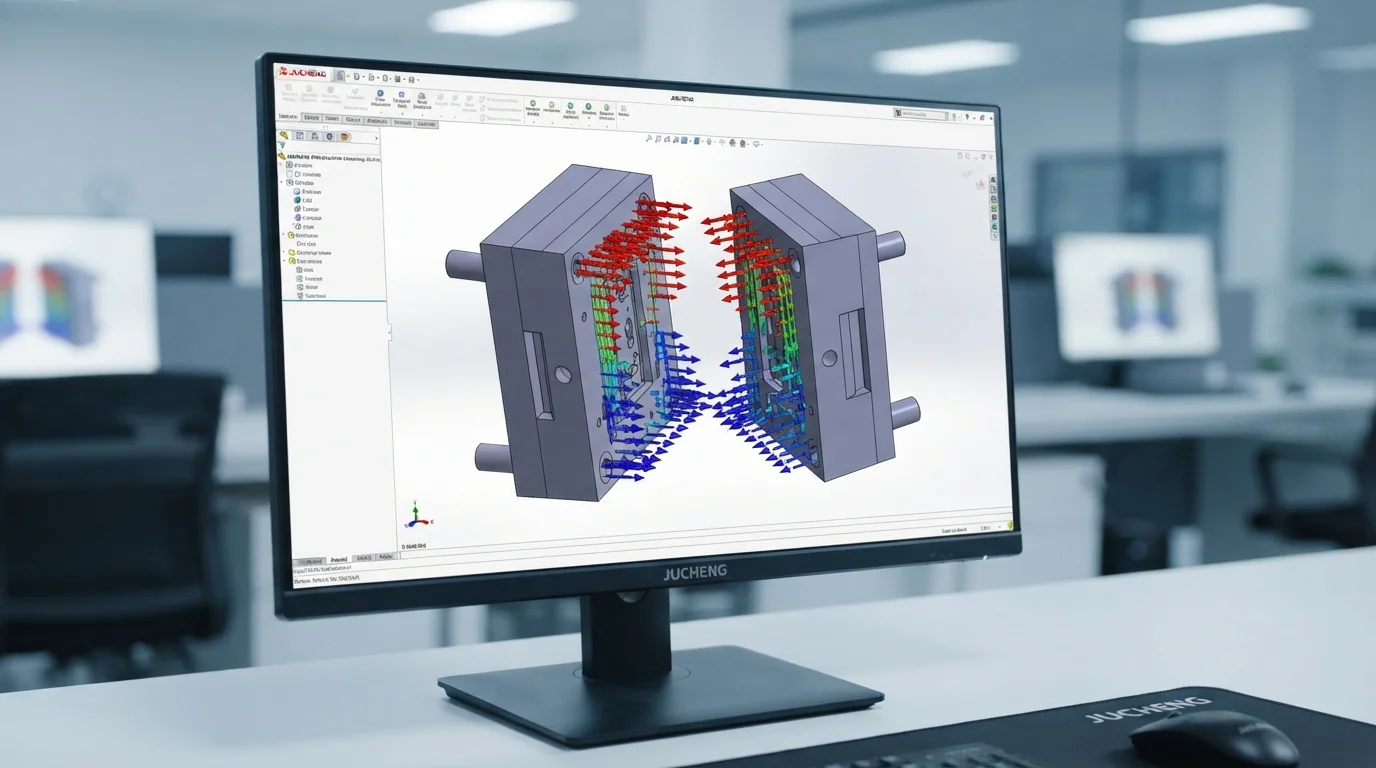
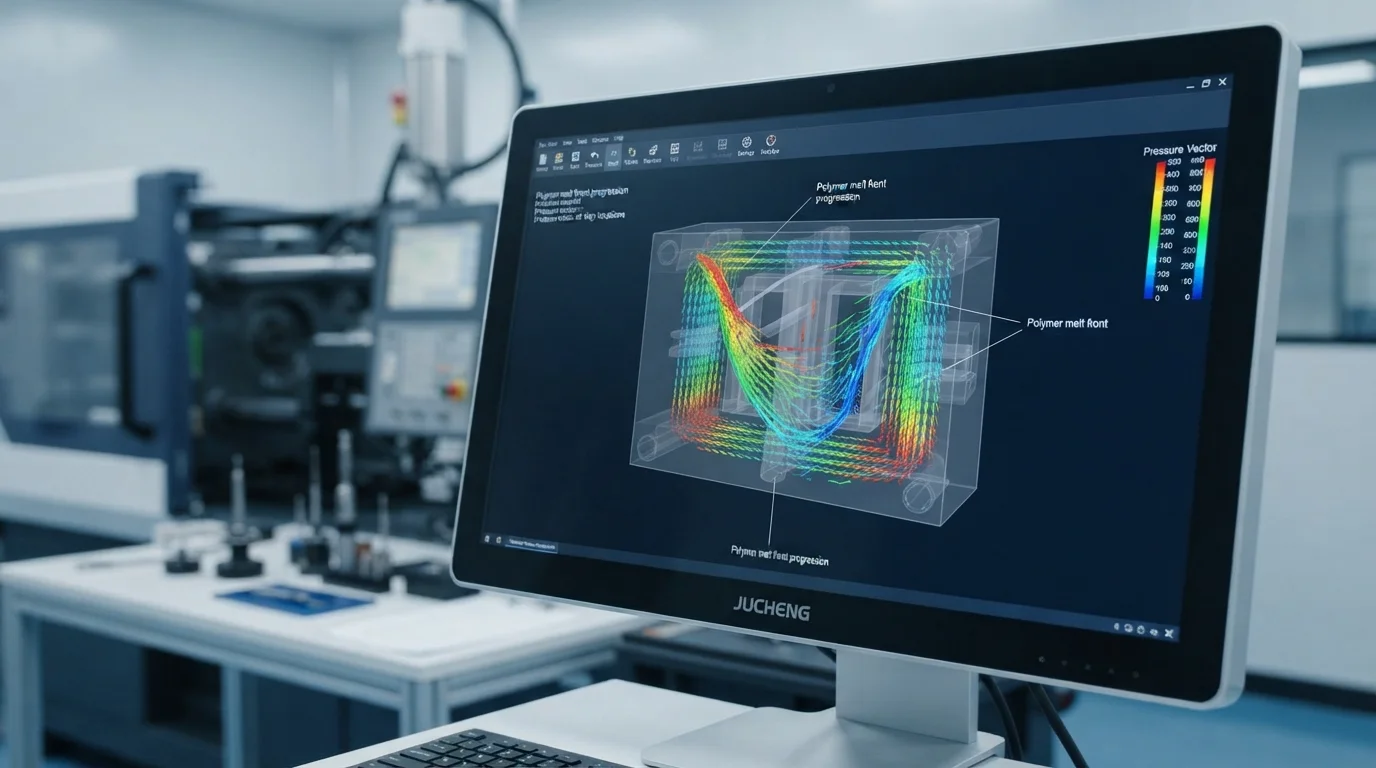
Los especialistas en fabricación coordinan con los ingenieros de diseño para evaluar líneas de partición, posiciones de compuerta, ángulos de salida y uniformidad de pared utilizando software avanzado de simulación de flujo de molde. La selección de métodos de fabricación temporal apropiados equilibra las propiedades de la materia prima con los tiempos de entrega rápidos durante las pruebas en etapas tempranas. El abastecimiento de sus componentes de un socio experimentado asegura que los cambios de diseño se propaguen de manera segura en todas las etapas. Exploremos cómo puede optimizar sus geometrías para reducir los gastos de manera segura mientras mantiene una calidad de alta fidelidad.
Tabla de Contenidos
1. Comprensión de las Diferencias Fundamentales: Definiciones y Materiales
2. Indicadores Clave de Rendimiento: Costo, Tiempo de Entrega y Vida Útil de la Herramienta
3. Calidad de las Piezas y Cambios de Ingeniería en Moldes de Series Cortas
4. Cómo Transicionar Sin Problemas de Moldes Rápidos a Moldes de Producción
5. Escale su producción con la instalación de inyección de Jucheng Precision
Comprensión de las Diferencias Fundamentales: Definiciones y Materiales
Pregunta: ¿Cuál es la diferencia principal entre el herramental blando y el duro? El herramental blando utiliza aluminio altamente mecanizable o acero pre-endurecido para series cortas rápidas, mientras que el herramental duro se basa en acero H13 endurecido para la producción en masa de millones de ciclos.
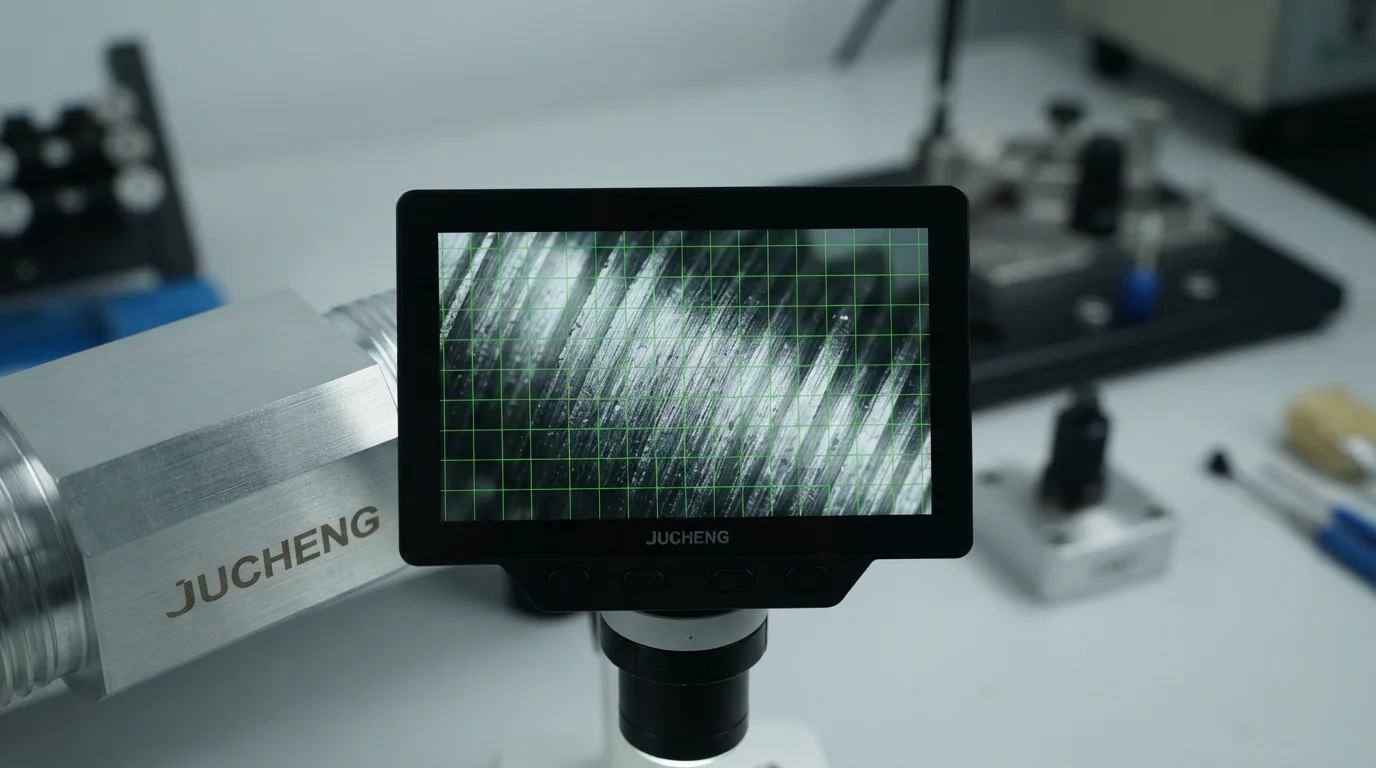
La evaluación de las diferencias estructurales entre las herramientas rápidas y las herramientas de producción comienza con el análisis de la dureza del metal del núcleo en bruto y la física de la mecanizabilidad. La comprensión de los matices del moldeo por inyección con herramientas blandas vs herramientas duras ayuda a los ingenieros a elegir entre AL7075-T6 Aluminio y pre-endurecido Acero para Herramientas (como P20). Las cavidades de metal blando disipan el calor rápidamente, acortando los ciclos de enfriamiento y aumentando las velocidades de producción. Sin embargo, las caras de cierre blandas poseen clasificaciones de dureza Brinell más bajas que el acero endurecido, lo que las hace susceptibles al aplastamiento si las fuerzas de sujeción o los ángulos de salida no se configuran correctamente.
La obtención de un Servicio de utillaje rápido El uso de núcleos de metal blando permite a las startups de hardware producir de 1,000 a 50,000 piezas sin pagar los gastos generales de producción en masa. Sopesando el papel estratégico de herramientas de puente vs herramientas de producción permite a los grupos de mecatrónica cumplir con la demanda de crowdfunding temprano o ensayos clínicos de manera segura. El corte preciso de archivos CAD permite a los fabricantes de moldes experimentados analizar manualmente los cierres de línea de partición. El abastecimiento de estos moldes blandos permite a los desarrolladores de productos validar las propiedades reales del material de producción antes de comprometerse con acero endurecido.
Indicadores Clave de Rendimiento: Costo, Tiempo de Entrega y Vida Útil de la Herramienta
Pregunta: ¿Cómo se comparan los tiempos de entrega del tooling rápido con los del tooling de acero de producción? Los moldes rápidos se entregan en 2 a 4 semanas utilizando fresado CNC de múltiples ejes, mientras que los moldes de producción de acero duro requieren de 8 a 12 semanas.
Analizar las métricas de tooling rápido vs. tooling de producción requiere medir el CapEx inicial, la velocidad de entrega y la longevidad de disparos a largo plazo. Realizar una revisión comparación de costos entre herramientas rápidas y herramientas de producción detallada muestra que los moldes blandos reducen el CapEx inicial hasta en un setenta por ciento. Abastecer un pipeline más los plazos de entrega del utillaje rápido frente al utillaje de producción corto reduce la entrega de muestras a 2 a 4 semanas en lugar de meses. Predecir los parámetros de vida útil de su herramienta objetivo tooling rápido vs. tooling de producción asegura que elija acero blando para 50,000 disparos o acero H13 endurecido para corridas de un millón de disparos.
Evaluar estos indicadores clave de rendimiento permite a los gerentes de proyecto seleccionar rutas de tooling óptimas para sus restricciones presupuestarias específicas:
- Ahorro de CapEx inicial—Los moldes blandos de aluminio y P20 ahorran del 40% al 70% en costos iniciales de mano de obra de taller y EDM
- Velocidad de tiempo de comercialización—El fresado CNC de múltiples ejes entrega muestras moldeadas T1 dentro de 2 a 4 semanas para una entrada rápida al mercado
- Capacidad de escalado de volumen—Las herramientas de acero H13 endurecido ofrecen el OpEx por pieza más bajo cuando los volúmenes de pedido superan las 100,000 unidades
| Métrica de Rendimiento | Estándar de utillaje rápido | Estándar de Herramientas de Producción | Influencia financiera B2B principal |
|---|---|---|---|
| CapEx Inicial del Molde | Bajo ($2,000 – $8,000) | Alto ($25,000 – $100,000+) | Dicta el riesgo de desarrollo inicial y el flujo de caja |
| Plazo de Entrega para Muestras T1 | 2 a 4 semanas | 8 a 12 semanas | Determina la velocidad de comercialización y la velocidad de lanzamiento |
| Vida Útil Esperada de la Herramienta | 5,000 a 50,000 disparos | 1,000,000+ disparos | Influye en la amortización del precio por pieza a largo plazo |
Calidad de Pieza y Cambios de Ingeniería en Moldes de Baja Producción
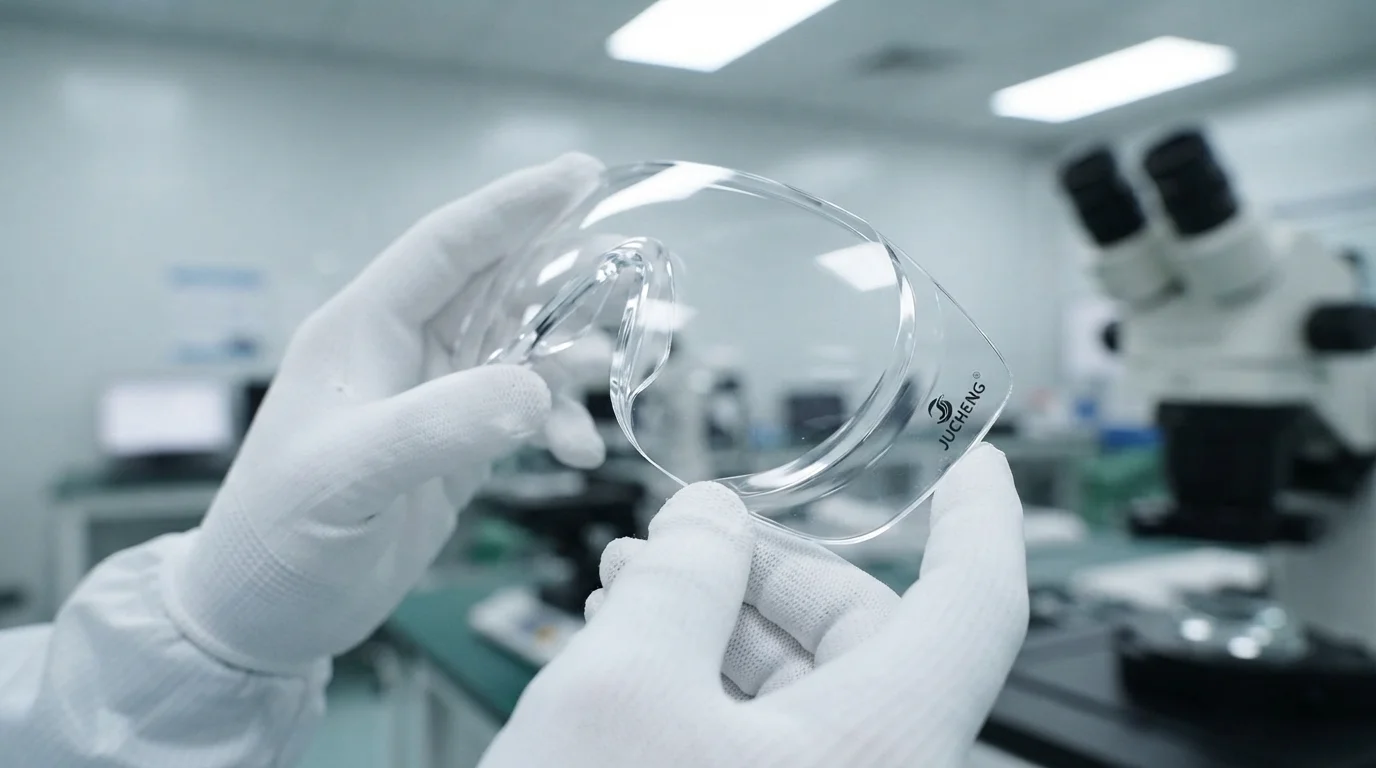
Pregunta: ¿Puede el utillaje rápido igualar la calidad de pieza de los moldes de producción? Sí, los moldes rápidos inyectan termoplásticos de grado de producción bajo altas fuerzas de sujeción, ofreciendo precisión dimensional y texturas cosméticas idénticas.
Evaluación de los calidad de pieza utillaje rápido vs utillaje de producción muestra que los moldes blandos producen componentes plásticos totalmente funcionales y representativos de producción. Obtener piezas funcionales moldeadas con plásticos de ingeniería genuinos como ABS, Nailon (PA), o Policarbonato (PC) proporciona un comportamiento auténtico del material bajo carga dinámica. Gestionar cambios de ingeniería tardíos cambios de ingeniería utillaje rápido vs utillaje de producción es mucho más fácil en moldes de aluminio o acero blando P20 porque las trayectorias de herramienta G-code se pueden refresar rápidamente. Comparar las flexibilidades del prototipado rápido frente al utillaje de producción demuestra que los moldes blandos permiten modificaciones ágiles de CAD sin desechar costosos núcleos de acero duro.
Realizar la validación física utilizando utillaje rápido para validar el diseño del molde de producción permite a los ingenieros verificar las ubicaciones de los bebederos, las tasas de contracción y los cierres de la línea de partición. El moldeo por vacío en moldes de silicona representa un método excelente y de bajo costo para fabricar de veinte a cincuenta carcasas de plástico de forma económica. La obtención de piezas personalizadas de poliuretano de Moldeo al vacío se vuelve altamente rentable antes de invertir en núcleos de aluminio o acero blando. La obtención de revisiones tempranas de DFM simplifica la disposición de las líneas de partición, eliminando la necesidad de costosos deslizadores mecánicos en moldes rápidos.
Cómo realizar la transición sin problemas de moldes rápidos a moldes de producción

Pregunta: ¿Cuál es el volumen óptimo para cambiar de utillaje rápido a utillaje de producción? Se recomienda la transición a utillaje de acero de producción cuando las geometrías de diseño están 100% congeladas y la demanda anual supera las 50,000 unidades.
Saber exactamente cuándo cambiar de utillaje rápido a utillaje de producción evita que las empresas de hardware paguen de más por los precios unitarios o bloqueen el flujo de caja temprano. La obtención de un Servicio de moldeo por inyección dedicado de una fábrica de un solo techo garantiza que sus archivos CAD 3D y parámetros DFM se transfieran sin problemas entre las divisiones de producción rápida y producción en masa. La obtención de Servicio de mecanizado CNC funcionales o moldes de aleación blanda permite a los grupos de ingeniería validar diseños antes de comprometerse con la producción de alto volumen. La obtención de prototipos de alta calidad garantiza que sus diseños estén construidos para soportar fuerzas dinámicas severas de manera segura.
Los hitos operativos clave que señalan el momento ideal para realizar la transición a moldes de producción de alto volumen incluyen:
- Aprobación de la congelación del diseño—Las geometrías CAD mecánicas están 100% bloqueadas y requieren cero órdenes de cambio de ingeniería adicionales
- Volumen de Mercado Sostenido—La demanda anual de piezas supera consistentemente las 50,000 a 100,000 unidades, justificando el alto CapEx de acero endurecido
- Eficiencia de Ciclo Automatizado—Las herramientas de acero endurecido de múltiples cavidades reducen los costos por pieza individual a objetivos mínimos de OpEx
Escala tu Producción con la Instalación de Inyección de Jucheng Precision
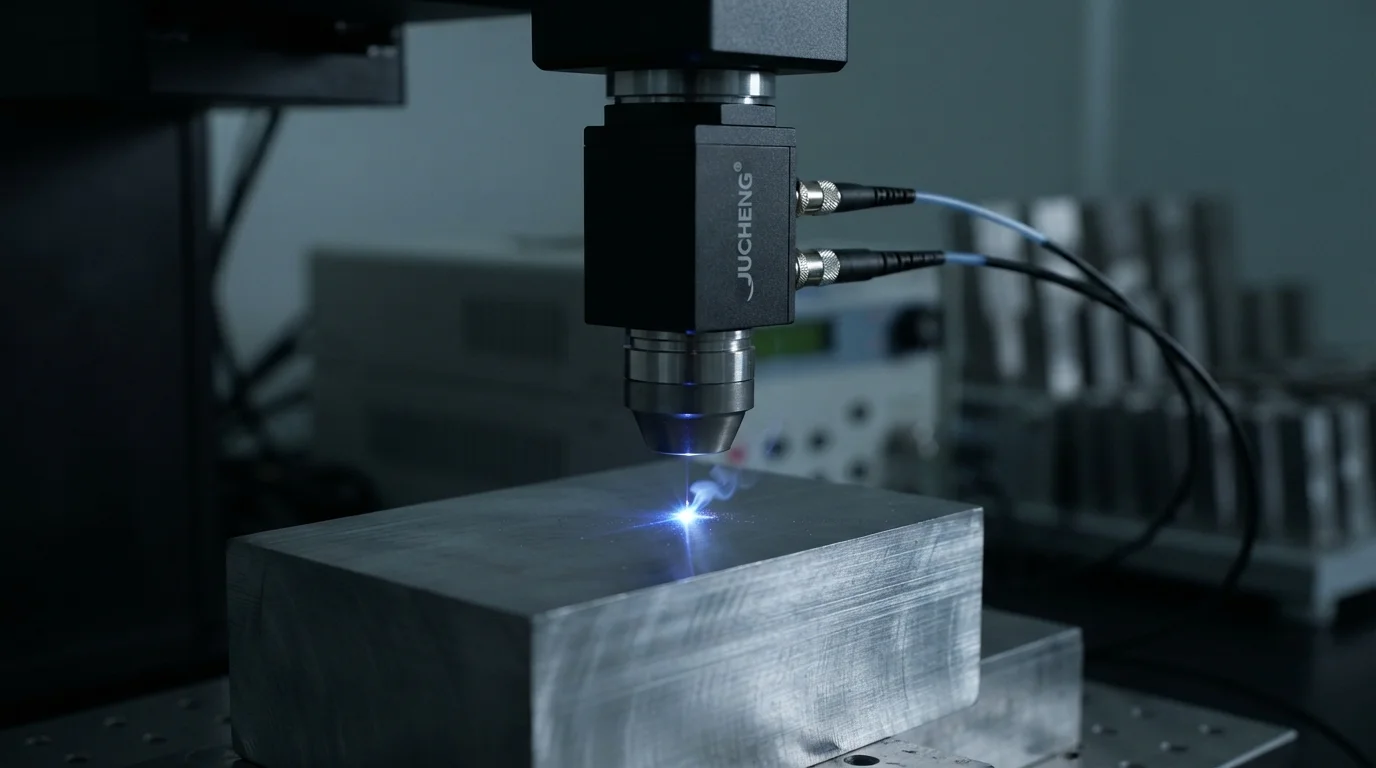
Pregunta: ¿Cómo apoya Jucheng Precision la escalabilidad sin problemas de las herramientas? Operando tanto la fabricación de moldes interna como más de 35 prensas de moldeo de precisión bajo ISO 13485 e IATF 16949 garantiza cero pérdida de datos durante la escalabilidad.
Jucheng Precision apoya a las startups de mecatrónica proporcionando revisiones DFM gratuito las 24 horas integrales que analizan ángulos de desmoldeo, uniformidad de paredes, ubicaciones de compuertas y factores de contracción. Obtener piezas Servicio de prototipos funcionales o moldes de aleación blanda permite a los grupos de ingeniería validar diseños antes de comprometerse con la producción de alto volumen. Obtener tus programas de herramientas rápidas versus herramientas de producción de nuestra instalación de fabricación certificada bajo un mismo techo previene errores de comunicación, asegurando que los cambios de diseño se propaguen de manera segura en todas las etapas. Tener treinta y cinco prensas de moldeo de alta precisión bajo sistemas de gestión de calidad certificados asegura que tus piezas cumplan con especificaciones internacionales exactas.
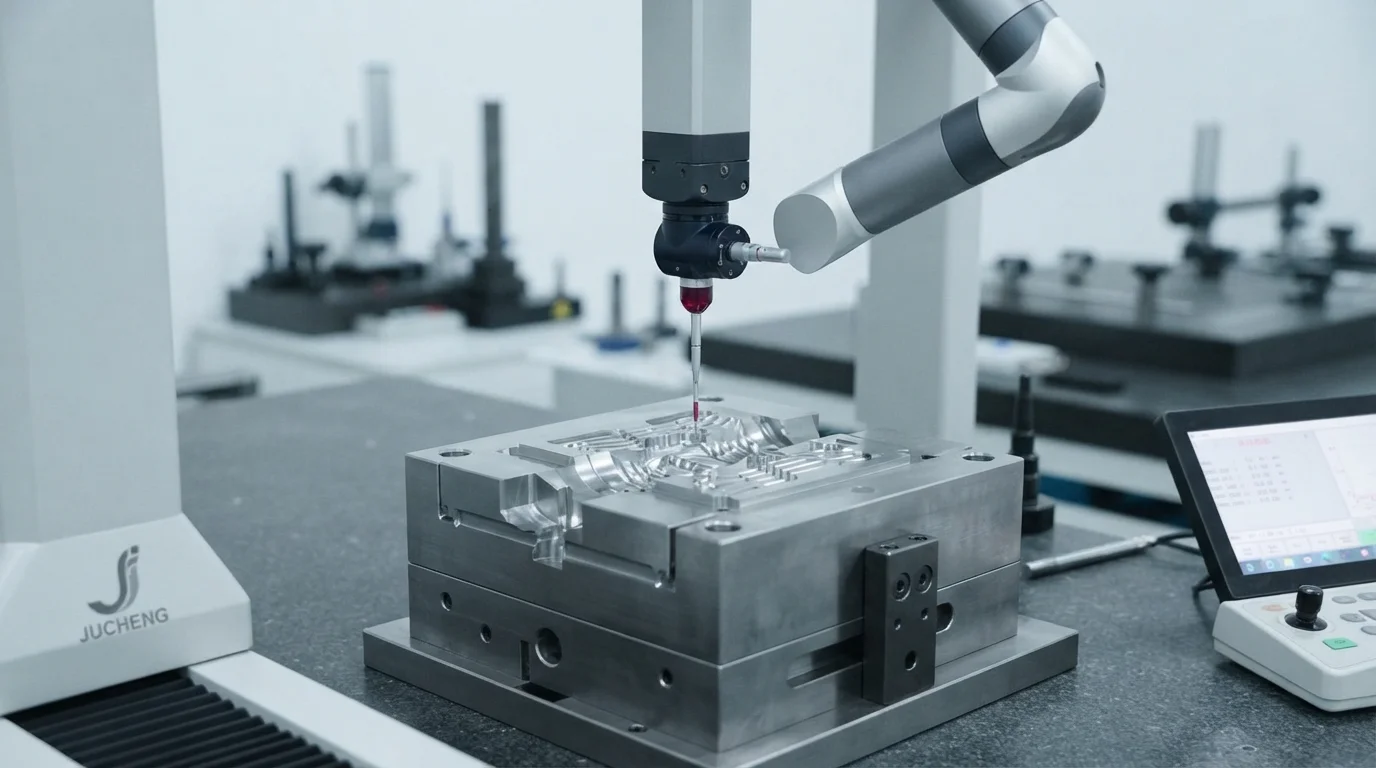
Asociarse con un fabricante certificado te ayuda a navegar la transición desde maquetas visuales tempranas hasta herramientas puente de bajo volumen sin problemas. Obtener tus cotizaciones manualmente asegura que ingenieros experimentados analicen tus archivos STEP 3D para encontrar formas adicionales de ahorrar dinero en el moldeo de tiradas cortas. Los componentes personalizados se someten a rigurosas verificaciones de metrología por coordenadas para confirmar el cumplimiento dimensional exacto. Obtener prototipos de alta calidad asegura que tus diseños estén construidos para soportar fuerzas dinámicas severas de manera segura.
Preguntas Frecuentes (FAQ)
¿Cuál es la principal diferencia entre herramientas rápidas y herramientas de producción?
Las herramientas rápidas se centran en moldes de metal blando de bajo costo y entrega rápida (AL7075 o P20) para 100 a 50,000 unidades. Las herramientas de producción utilizan acero H13 endurecido para producción masiva de millones de ciclos a precios mínimos por pieza.
¿Qué tan rápido se pueden mecanizar moldes rápidos de aluminio personalizados?
Los moldes rápidos de aluminio blando o acero P20 se mecanizan típicamente en fresadoras CNC multieje dentro de 10 a 15 días hábiles. Evitar los procesos lentos de electroerosión por penetración permite a los fabricantes entregar muestras moldeadas funcionales de grado de producción en semanas en lugar de meses.
¿Pueden las piezas impresas en 3D reemplazar las herramientas rápidas para pruebas funcionales?
Los procesos estándar de fresado CNC multieje y la estereolitografía SLA de alta resolución pueden entregar maquetas físicas totalmente validadas en un plazo de 3 a 5 días hábiles. Al evitar los lentos procedimientos manuales de fabricación de moldes, los desarrolladores de hardware pueden realizar comprobaciones dinámicas de ajuste y pruebas aerodinámicas en túnel de viento de inmediato.

